

Strumigenys petiolata
- Scientific Name
- Strumigenys petiolata
- Tribe
- Attini
- Subfamily
- Myrmicinae
- Author
- Bernard, 1953
- Distribution
- Found in 8 countries
Strumigenys petiolata Overview
Strumigenys petiolata is an ant species of the genus Strumigenys. It is primarily documented in 8 countries , including Congo, Democratic Republic of the, Central African Republic. Detailed taxonomic data and occurrence records can be further explored via authoritative databases such as AntWeb or the Global Biodiversity Information Facility (GBIF).
Strumigenys petiolata
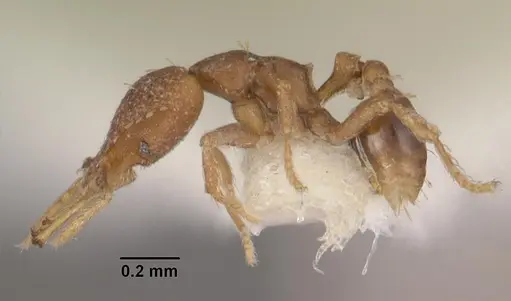
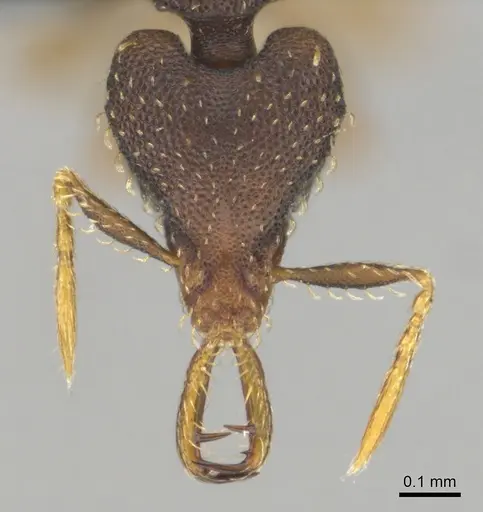
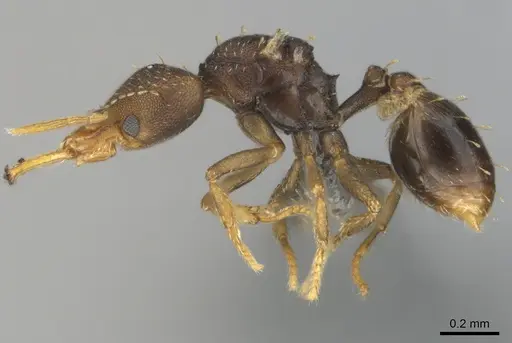
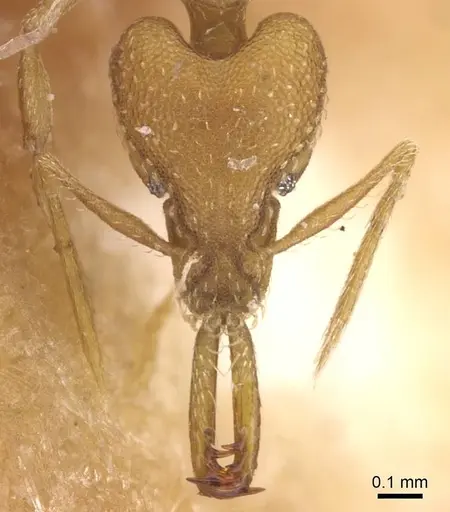
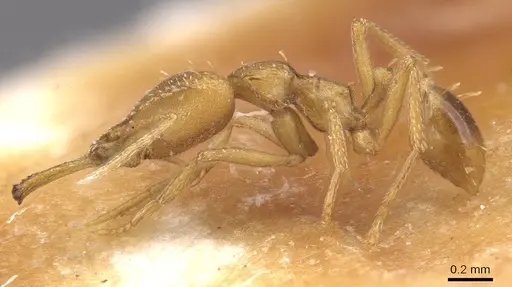
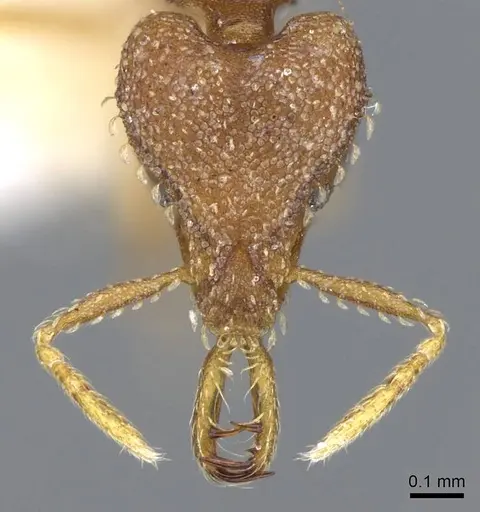
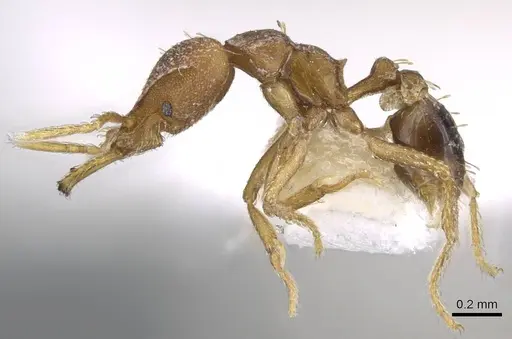
Strumigenys petiolata is a tiny predatory ant measuring just 2.0-2.5mm in total length. Workers have distinctive spoon-shaped hairs on their antennae and a strongly developed preocular notch visible in full-face view. Their color varies widely from yellow to dark brown or even blackish brown. This species belongs to the Strumigenys arnoldi group, specifically the rufobrunea complex, and is one of the most widespread Strumigenys species across the Afrotropical region.
These ants are specialized predators that forage singly through leaf litter, topsoil, and rot tunnels in decaying wood [1]. Unlike many ants, they do not forage in groups but hunt alone for small prey like springtails and other micro-arthropods. Their specialized mandibles allow them to capture prey efficiently, making them fascinating little predators to observe.
Quick Summary
- Difficulty: Medium
- Origin & Habitat: Found across the Afrotropical region including Guinea (type locality), Ghana, Nigeria, Cameroon, Democratic Republic of Congo, Gabon, Kenya, Uganda, and other West African nations[2]. They inhabit rotten wood, under bark of fallen timber, in log mould, and sometimes directly into soil in forest environments [1].
- Colony Type: Single-queen colonies (monogyne). Colony sizes are relatively small, typically reaching a few hundred workers at most based on typical Strumigenys patterns.
- Colony: Monogyne
- Founding: Claustral
- Size & Growth:
- Queen: Unconfirmed, likely around 3-4mm based on genus patterns
- Worker: 2.0-2.5mm
- Colony: Likely 100-500 workers based on typical Strumigenys colony sizes
- Growth: Slow, dacetine ants develop slowly due to their specialized predatory lifestyle
- Development: Estimated 8-12 weeks based on related dacetine species (Development times are not specifically documented for this species. Expect slower growth compared to generalist ant species.)
- Antkeeping:
- Temperature: Keep at 24-28°C, they are a tropical Afrotropical species that prefers warm, stable conditions. A gentle heating gradient allows workers to regulate their temperature.
- Humidity: High humidity is essential, these ants live in leaf litter and rotting wood where conditions are constantly damp. Keep the nest substrate consistently moist but not waterlogged. Aim for 70-85% relative humidity.
- Diapause: No, as an Afrotropical species, they do not require hibernation. Keep them at warm temperatures year-round.
- Nesting: They naturally nest in rotten wood, under bark, and in log mould. In captivity, they do well in naturalistic setups with moist substrate (soil/peat mix) and access to small cavities or pre-made tunnels. Y-tong nests with tight chambers also work well, but ensure high humidity is maintained.
- Behavior: These are docile, non-aggressive ants that forage alone rather than in groups. They are specialized predators using their unique mandibles to capture small prey. Workers are tiny (2-2.5mm) so escape prevention must be excellent, they can easily slip through small gaps. They are not known to sting and pose no danger to keepers.
- Common Issues: escape prevention is critical due to their tiny 2mm size, use fine mesh and tight-fitting barriers, colonies grow slowly and beginners may overfeed or disturb them too often, they require live prey (springtails), sugar sources are generally not accepted, high humidity needs can lead to mold if ventilation is poor, wild-caught colonies may contain parasites that can cause colony failure
Housing and Nest Setup
Strumigenys petiolata requires a setup that mimics their natural leaf litter and rotting wood habitat. A naturalistic setup works best, use a container filled with moist substrate (a mix of soil, peat, and decaying wood pieces works well). Keep the substrate consistently damp but not soggy. Add pieces of rotting wood or bark for them to nest in and forage through [1].
Because they are tiny (only 2-2.5mm), escape prevention must be excellent. Use fine mesh on any ventilation holes and ensure all connections are sealed. A test tube setup can work for founding colonies but they will need more space as the colony grows. A small acrylic nest or Y-tong with appropriately sized chambers (tight to their body size) also works, but maintain high humidity by keeping the water reservoir filled.
Feeding and Diet
These are specialized predators that require live prey. Their primary food source in the wild is springtails and other tiny micro-arthropods found in leaf litter [1]. In captivity, you should culture live springtails or fruit flies as a regular food source.
Offer small live prey items 2-3 times per week. Springtails are ideal and can be cultured separately or purchased. Other tiny insects like fruit fly larvae, booklice, or dust mites may also be accepted. Remove any uneaten prey after 24-48 hours to prevent mold.
Sugar sources like honey or sugar water are generally NOT accepted by dacetine ants, they are obligate predators. Do not rely on sugar feeders. Some keepers report occasional acceptance of tiny amounts of honeydew or sugar water, but this should not be a primary food source.
Temperature and Humidity
As an Afrotropical species from West and Central Africa, Strumigenys petiolata needs warm temperatures. Keep the nest area at 24-28°C year-round. A heating cable on one side of the nest can create a temperature gradient, allowing workers to move between warmer and cooler areas as needed. Avoid temperature drops below 22°C.
High humidity is critical, these ants naturally live in damp forest floor environments. Maintain 70-85% relative humidity in the nest area. The substrate should feel consistently moist to the touch. Mist occasionally if needed, but avoid standing water. Good ventilation prevents mold while maintaining humidity.
Colony Development
Colony growth is slow compared to many common ant species. A founding queen will lay her first eggs shortly after mating and should produce nanitic (first) workers within 8-12 weeks under optimal conditions. The first workers will be very small.
Colony size remains modest even at maturity, expect perhaps 100-500 workers maximum based on typical Strumigenys patterns. Do not expect rapid expansion. Be patient and avoid disturbing the colony too frequently. Once established, colonies are long-lived but grow gradually.
Queens are likely claustral, they seal themselves in a chamber and raise the first brood using stored fat reserves without foraging. Do not disturb a founding queen during this critical period.
Behavior and Observation
Workers forage alone rather than in groups, hunting through the substrate for small prey [1]. This makes them fascinating to watch as they systematically search through leaf litter or rotting wood. Their specialized mandibles allow them to quickly snap shut on prey.
They are docile and non-aggressive toward keepers. Workers may be shy and will retreat if disturbed. They do not form raiding parties or exhibit aggressive swarming behavior. There is no functional stinger, so they pose no danger to humans.
Because they are so small, they are easy to overlook. Observe during feeding times to watch their hunting behavior. A red film or sheet over the colony container can make it easier to observe without disturbing them.
Frequently Asked Questions
How long does it take for Strumigenys petiolata to produce first workers?
Expect 8-12 weeks from egg to first worker at optimal temperature (24-28°C). This is slower than many common ant species, dacetine ants develop gradually. Be patient with founding colonies and avoid disturbing them.
What do Strumigenys petiolata eat?
They are specialized predators that need live prey. Culture live springtails or fruit flies for regular feeding. Tiny insects like booklice and dust mites may also be accepted. Sugar sources are generally not accepted, they are obligate predators.
Can I keep Strumigenys petiolata in a test tube?
Test tubes work for founding colonies but they will need more space as the colony grows. They require high humidity and a naturalistic setup with moist substrate works best long-term. A small acrylic nest or Y-tong with tight chambers scaled to their tiny size is suitable.
How big do Strumigenys petiolata colonies get?
Colony sizes remain modest, likely 100-500 workers at maturity based on typical Strumigenys patterns. They are not large colony builders. Growth is slow, so expect several years to reach maximum size.
Do Strumigenys petiolata need hibernation?
No, they are an Afrotropical species from warm West African forests. Keep them at warm temperatures (24-28°C) year-round. No hibernation or cooling period is needed.
Are Strumigenys petiolata good for beginners?
They are rated Medium difficulty. While not aggressive, they have specific care requirements, live prey must be cultured, high humidity must be maintained, and colonies grow slowly. Beginners should be prepared for these demands before acquiring this species.
Why are my Strumigenys petiolata dying?
Common causes include: too low temperature (keep above 22°C), too dry conditions (they need constant humidity), lack of live prey (they cannot survive on sugar), or escape through tiny gaps (use fine mesh). Also check for parasites in wild-caught colonies.
When should I move my colony to a formicarium?
Move when the test tube or founding setup becomes crowded, typically when you have 30-50 workers. They do well in naturalistic setups with moist substrate. Ensure the new setup maintains high humidity.
Can I keep multiple Strumigenys petiolata queens together?
No, this is a single-queen (monogyne) species. Multiple unrelated queens will fight. Only keep one queen per colony.
References

This caresheet is licensed under CC BY-SA 4.0 .
CASENT0093810
View on AntWeb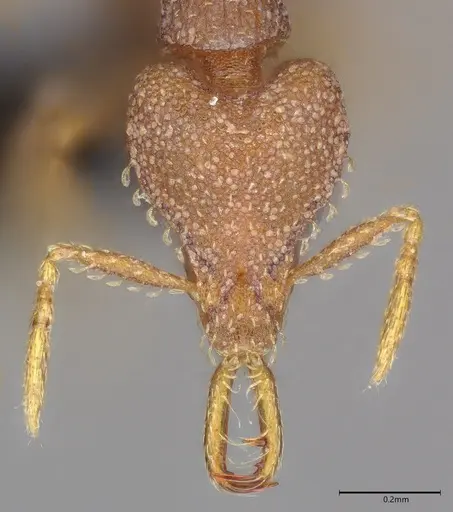
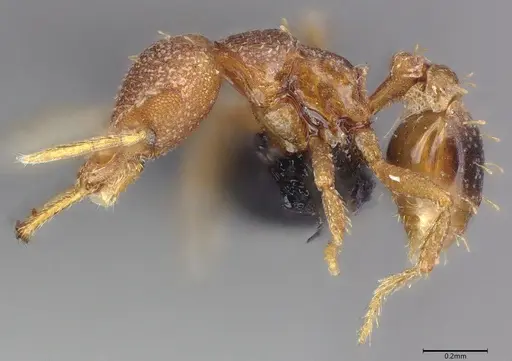
CASENT0102584
View on AntWeb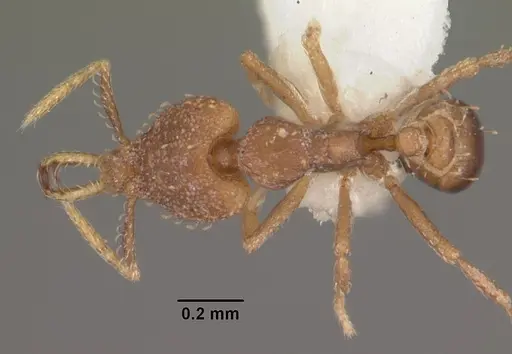
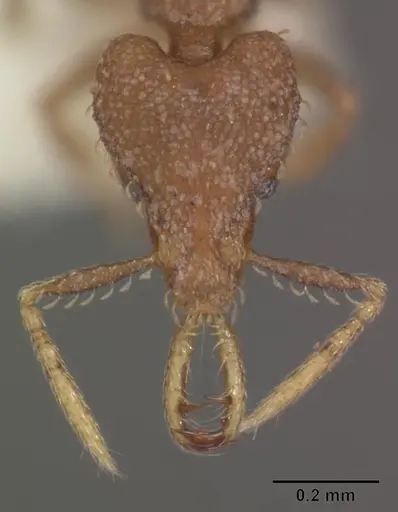
CASENT0355679
View on AntWeb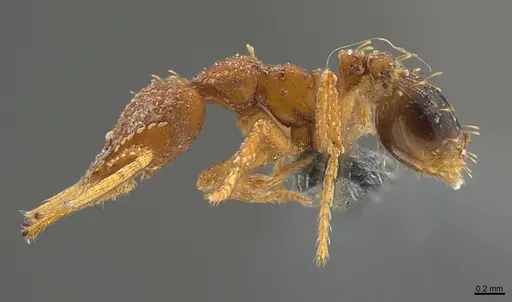
CASENT0815850
View on AntWeb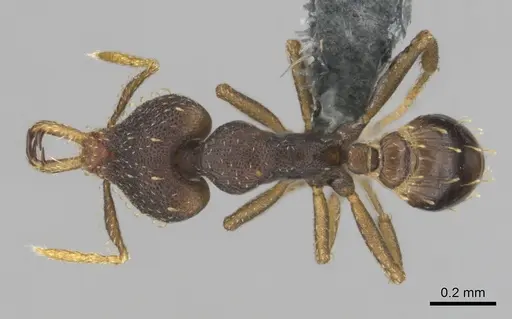
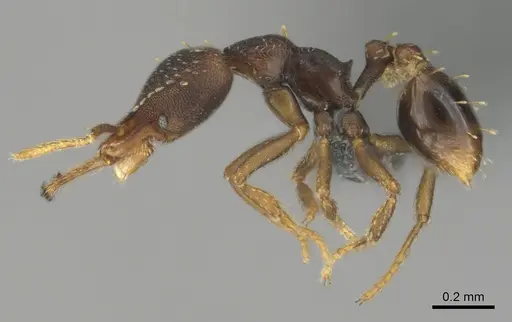
CASENT0815852
View on AntWeb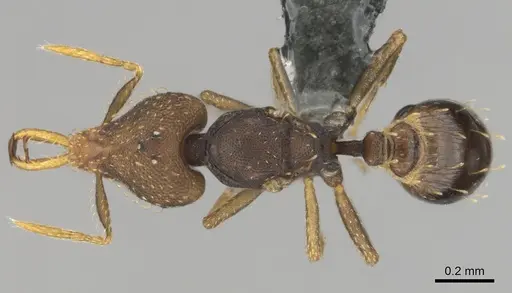
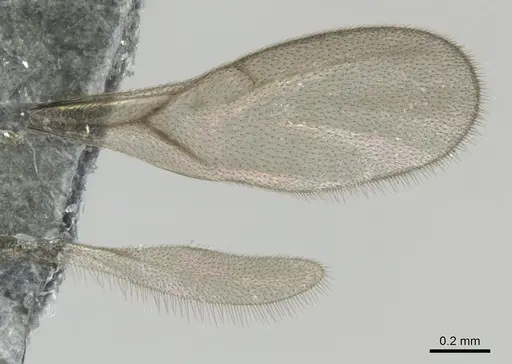
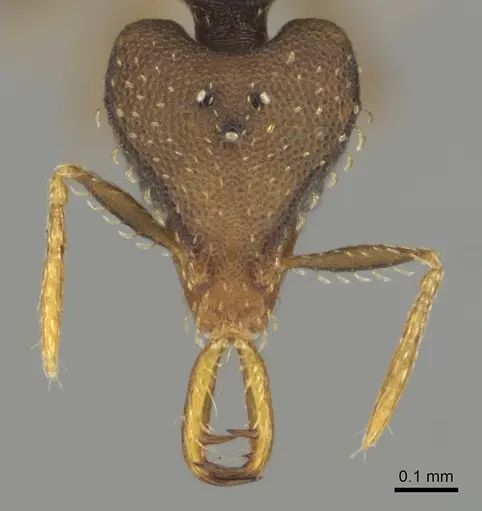
CASENT0913611
View on AntWeb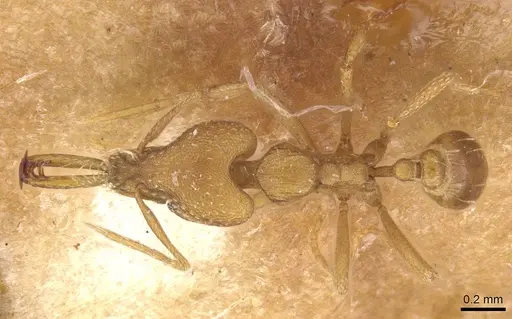
CASENT0914773
View on AntWeb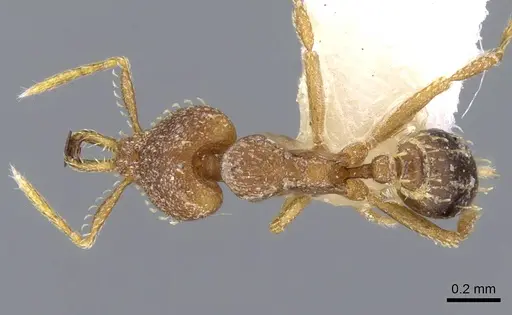
Literature
Loading...Loading products...