

Strumigenys pariensis
- Scientific Name
- Strumigenys pariensis
- Tribe
- Attini
- Subfamily
- Myrmicinae
- Author
- Lattke & Goitía, 1997
- Distribution
- Found in 4 countries
Strumigenys pariensis Overview
Strumigenys pariensis is an ant species of the genus Strumigenys. It is primarily documented in 4 countries , including Costa Rica, Mexico, Nicaragua. Detailed taxonomic data and occurrence records can be further explored via authoritative databases such as AntWeb or the Global Biodiversity Information Facility (GBIF).
Strumigenys pariensis
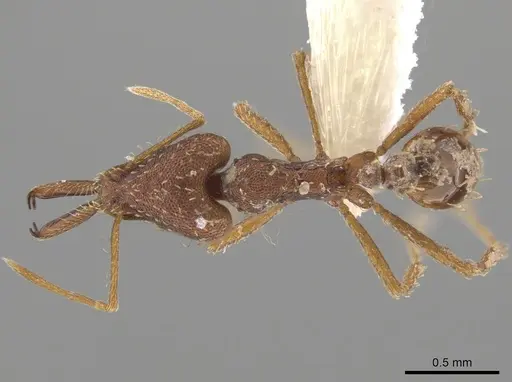
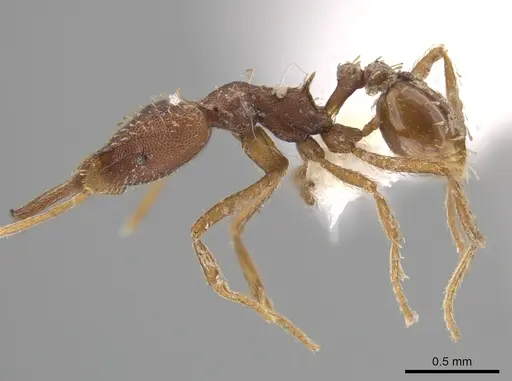
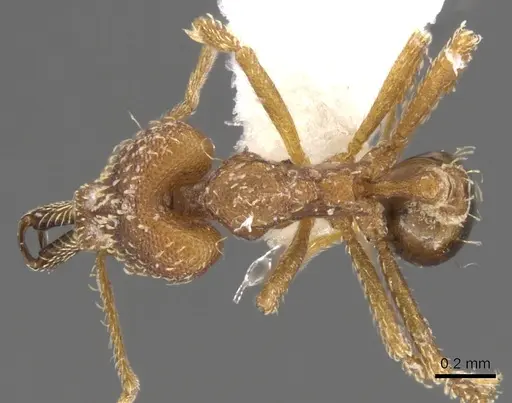
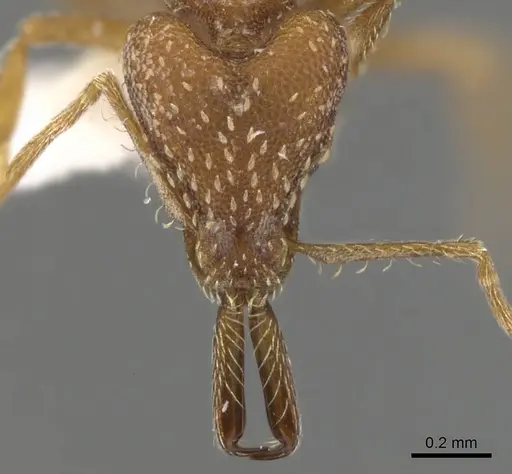
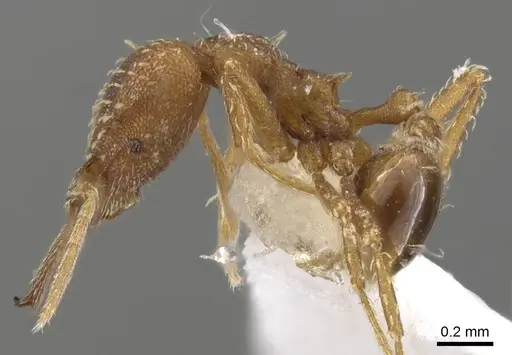
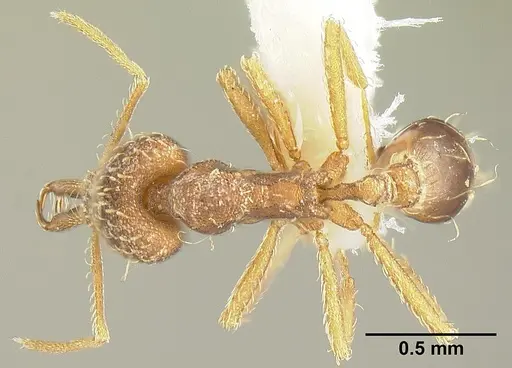
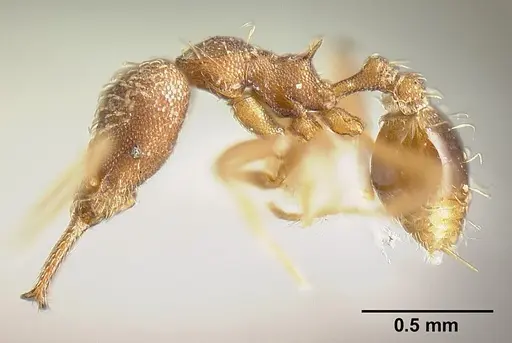
Strumigenys pariensis is a tiny predatory ant measuring just 2.5-2.6mm in total length, belonging to the tribe Dacetini (fungus-growing ant relatives). Workers have a distinctive appearance with flattened, ribbon-like hairs on the gaster (abdomen) that curve and taper toward the tip, these hairs are shorter and stouter compared to its close relative Strumigenys elongata. The species was first discovered in 1997 in cloud forest at 800m elevation on Venezuela's Paria Peninsula, though it's now known to be more widespread across Central and South America including Costa Rica, Honduras, Nicaragua, and Colombia[1].
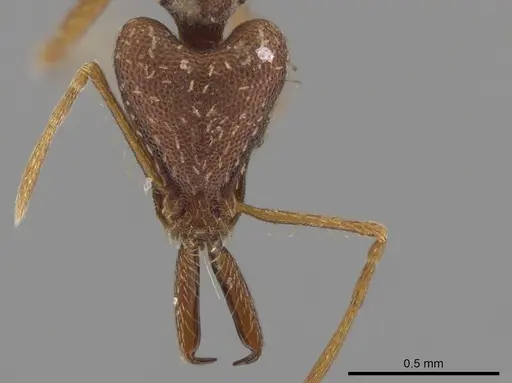
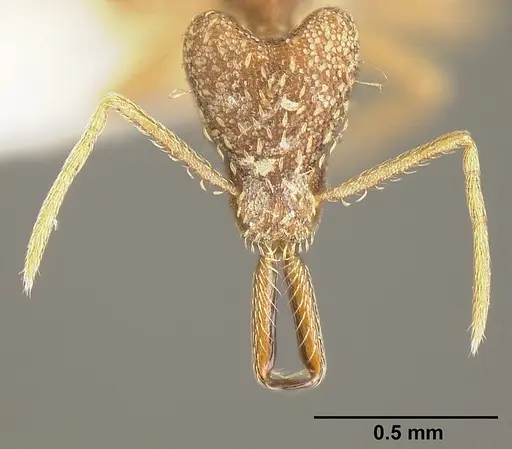
This species inhabits wet forest leaf litter where it hunts small arthropods like springtails. Like other Dacetine ants, S. pariensis has specialized trap-jaw mandibles designed for capturing prey. The mandibles lack preapical teeth, which is a key identification feature separating it from similar species [1][2].
Quick Summary
- Difficulty: Medium
- Origin & Habitat: Wet tropical forests of Central and South America (Costa Rica, Honduras, Nicaragua, Venezuela, Colombia) at elevations from sea level to 800m. Found in leaf litter in cloud forests and wet forest habitats [1].
- Colony Type: Colony structure is unconfirmed. Based on related Strumigenys species, likely single-queen (monogyne) colonies.
- Size & Growth:
- Queen: Unknown for this species, no documented measurements
- Worker: 2.5-2.6mm total length, head length 0.66-0.70mm, head width 0.50-0.54mm
- Colony: Unknown, likely small colonies based on typical Strumigenys patterns
- Growth: Moderate, inferred from related species
- Development: Unknown, estimates based on similar Dacetini species suggest 6-10 weeks at optimal temperature (Development time is unconfirmed for this species. Related tropical Strumigenys species typically develop in 6-10 weeks.)
- Antkeeping:
- Temperature: Keep at 22-26°C, they are tropical leaf litter ants requiring warm, stable conditions. A gentle gradient allowing workers to self-regulate is beneficial.
- Humidity: High humidity is essential, these ants live in damp forest floor litter. Maintain 70-85% humidity with consistently moist substrate. Provide a water reservoir but avoid waterlogging.
- Diapause: No, as a tropical species, they do not require hibernation. Keep temperatures stable year-round.
- Nesting: Use a naturalistic setup with moist substrate (coconut fiber, soil mix) or a Y-tong/plaster nest with high humidity. Tight chambers scaled to their tiny size work well. Provide multiple chambers for colony expansion.
- Behavior: These are tiny, slow-moving ants that specialize in hunting small arthropods. They are not aggressive and will flee rather than fight. Their small size (2.5mm) makes escape prevention critical, they can squeeze through standard test tube cotton and tiny gaps. Use fine mesh barriers and ensure all connections are sealed. Workers are primarily nocturnal or crepuscular, becoming more active in dim light. They do not sting but may bite if handled roughly.
- Common Issues: escape prevention is critical due to their tiny 2.5mm size, they easily slip through standard gaps, high humidity requirements can lead to mold if ventilation is poor, slow growth means colonies may appear stagnant for weeks, avoid overfeeding, wild-caught colonies may have parasites that kill them in captivity, specialized diet makes acceptance of alternative foods uncertain, live prey is essential
Housing and Nest Setup
Strumigenys pariensis requires high-humidity housing due to their natural habitat in wet forest leaf litter. A naturalistic setup with a moist substrate layer works best, use a mix of coconut fiber, peat moss, and soil to retain humidity while allowing for proper drainage. Alternatively, a Y-tong (AAC) or plaster nest with a water reservoir can maintain the humidity levels they need. Because they are tiny (only 2.5mm), ensure all connections, lids, and barriers are sealed with fine mesh, standard test tube cotton is not an effective barrier for this species. Provide a small outworld for foraging and place the nest in a dark or low-light area, as these ants prefer dim conditions [1].
Feeding and Diet
Strumigenys pariensis is a specialized predator that hunts small arthropods, primarily springtails (Collembola) in the wild. In captivity, their primary food should be live springtails, these are ideal sized prey that match their tiny mandibles. Other small live prey may be accepted experimentally, including booklice (psocids), tiny mites, and fruit fly larvae, but success varies. Do not rely on sugar sources or dead prey, these ants are obligate predators that require live movement to trigger their hunting response. Feed small prey items every 2-3 days, removing any uneaten prey after 24 hours to prevent mold. A constant water source should be available, either through a test tube water reservoir or moist substrate [2][3].
Temperature and Humidity
Maintain temperatures between 22-26°C, this is a tropical species from wet forests in Central and South America. Temperatures below 20°C will slow activity and may harm brood development. Use a heating cable on one side of the nest only if room temperature falls below this range, and always place heating on top of the nest rather than underneath to avoid evaporating moisture. Humidity should remain high at 70-85%, the substrate should feel consistently damp but not waterlogged. Check water reservoirs regularly and refill before they empty completely. Good ventilation is necessary to prevent mold, but avoid excessive airflow that dries the nest. A layer of leaf litter or moss on top of the substrate helps retain moisture and provides cover for the ants [1].
Behavior and Colony Dynamics
This species is not aggressive and will retreat when threatened. Workers are small and slow-moving, spending most of their time hunting in the leaf litter layer. They are primarily crepuscular or nocturnal, becoming more active during dim light conditions. Colonies are likely small, probably under 100 workers based on typical Strumigenys patterns. The queen is unconfirmed in size but likely slightly larger than workers. Workers use their specialized mandibles to capture prey, they have trap-jaw mechanisms similar to other Dacetini. Do not combine unrelated queens as this species has not been studied for pleometrosis (multiple queen founding). Handle colonies gently and avoid disturbing the nest frequently, as stress can cause abandonment of brood[2].
Frequently Asked Questions
How long does it take for Strumigenys pariensis to raise first workers?
The exact development time is unconfirmed for this species. Based on similar Dacetine ants, expect 6-10 weeks from egg to first worker at optimal temperature (22-26°C). Growth is typically slow, so avoid the temptation to increase temperature above recommended levels, this can kill brood rather than speed development.
Can I keep Strumigenys pariensis in a test tube setup?
A test tube setup can work but requires modification. Standard test tube cotton will not contain these tiny ants, you must use fine mesh or cotton wool packed tightly. The substrate inside the test tube must stay consistently moist, and you'll need to provide a separate foraging area. A naturalistic setup with moist substrate is often easier to maintain for this species.
What do Strumigenys pariensis ants eat?
They are specialized predators that require live small arthropods. Springtails (Collembola) are the ideal food, these are typically accepted and provide proper nutrition. Other tiny live prey like booklice, fruit fly larvae, or small mites may be accepted. They do not typically accept sugar water, honey, or dead prey. Feed live prey every 2-3 days.
Are Strumigenys pariensis ants dangerous?
No, they are not dangerous. These tiny ants (2.5mm) cannot sting and rarely bite. Their mandibles are specialized for hunting small prey, not for defense. They will flee rather than confront threats.
Do Strumigenys pariensis ants need hibernation?
No, they do not require hibernation. As a tropical species from wet forests in Central and South America, they need stable warm temperatures year-round (22-26°C). Hibernation would likely be harmful to the colony.
Why are my Strumigenys pariensis dying?
Common causes include: escape through tiny gaps (use fine mesh), low humidity causing desiccation, temperatures below 20°C, mold from poor ventilation, or feeding inappropriate foods. These ants are sensitive to environmental changes, ensure humidity stays high (70-85%) and temperature remains stable. Also check for parasites which commonly affect wild-caught colonies.
How big do Strumigenys pariensis colonies get?
Colony size is unconfirmed for this specific species, but based on typical Strumigenys patterns, colonies likely remain small, probably under 100 workers. This is a tiny species and their specialized predatory lifestyle likely limits colony growth.
When should I move Strumigenys pariensis to a formicarium?
Wait until the colony has at least 15-20 workers before moving. These ants prefer naturalistic setups with moist substrate rather than artificial formicariums. A small plastic container with moist substrate works well as a starting formicarium. Ensure any new setup maintains high humidity and has proper escape prevention.
Can I keep multiple Strumigenys pariensis queens together?
This has not been studied for this species. Based on typical Strumigenys behavior, single-queen colonies are most likely. Do not attempt to combine unrelated foundress queens as this may result in aggression and colony failure.
What makes Strumigenys pariensis different from other Strumigenys?
Strumigenys pariensis belongs to the S. elongata group and is distinguished by its unique gastral pilosity, the hairs on the abdomen are flattened and ribbon-like through most of their length, then taper to a hooked tip. These hairs are shorter and stouter compared to the closely related S. elongata. It also lacks preapical teeth on the mandibles[2].
References

This caresheet is licensed under CC BY-SA 4.0 .
Literature
Loading...Loading products...