

Strumigenys origo
- Scientific Name
- Strumigenys origo
- Tribe
- Attini
- Subfamily
- Myrmicinae
- Author
- Fisher, 2000
- Distribution
- Found in 2 countries
Strumigenys origo Overview
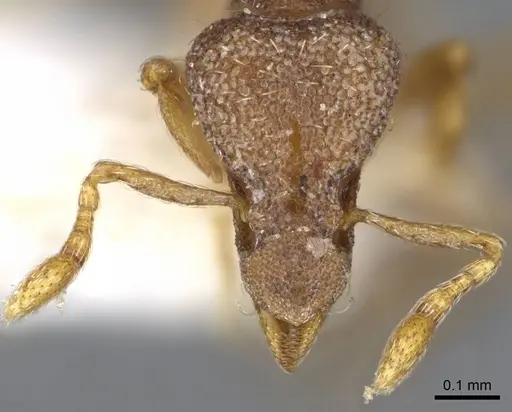
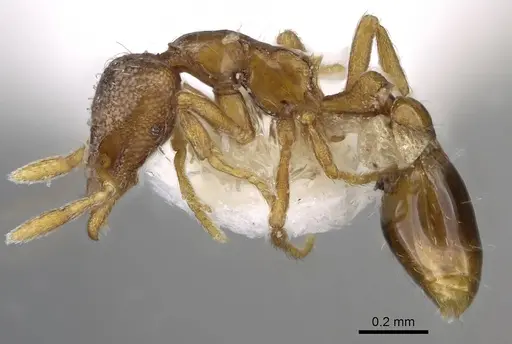
Strumigenys origo is an ant species of the genus Strumigenys. It is primarily documented in 2 countries , including Madagascar, South Africa. Detailed taxonomic data and occurrence records can be further explored via authoritative databases such as AntWeb or the Global Biodiversity Information Facility (GBIF).
Strumigenys origo
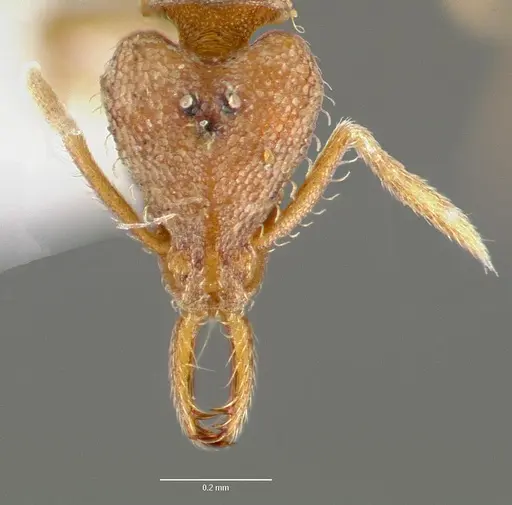
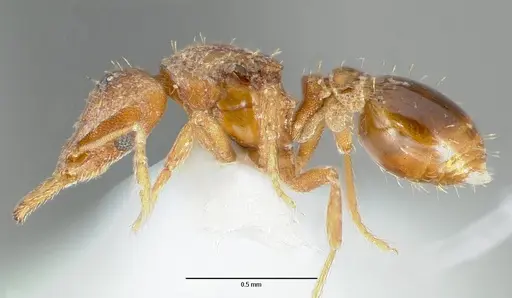
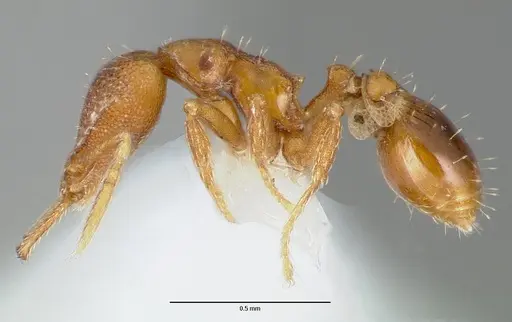
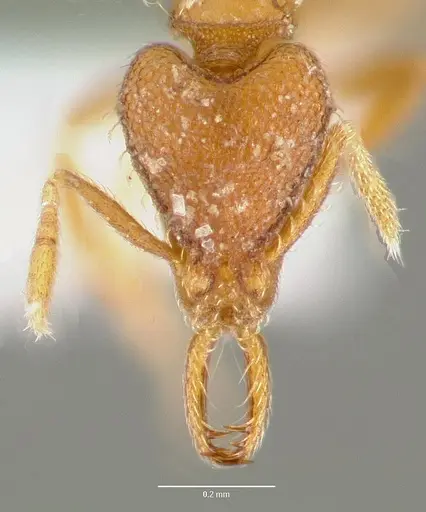
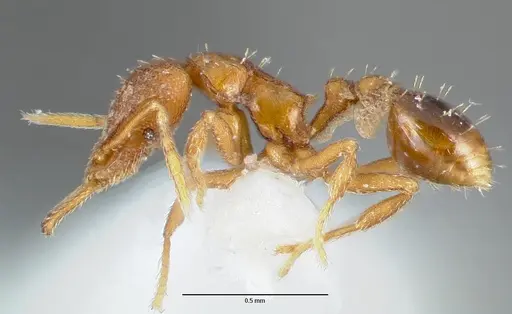
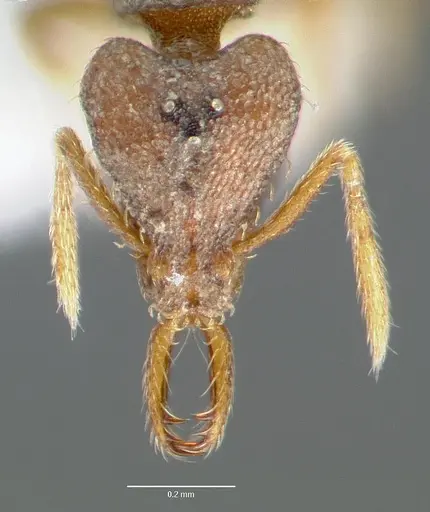
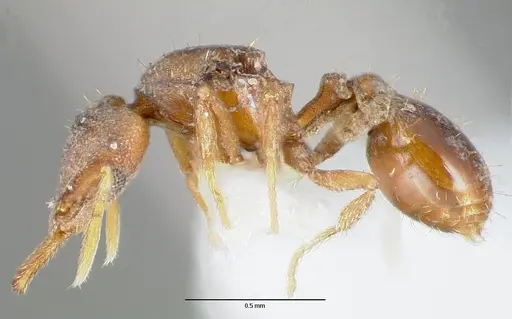
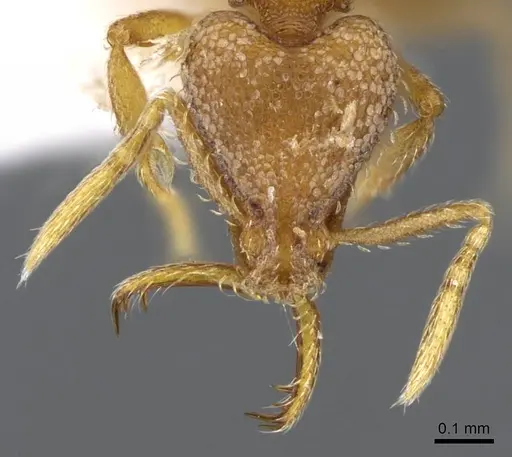
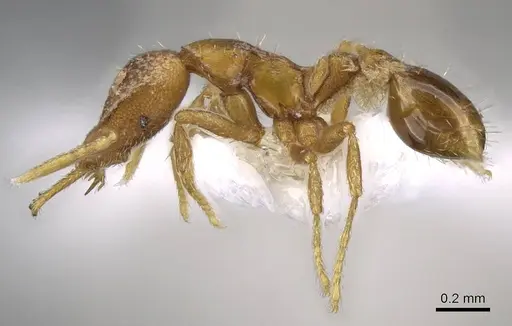
Strumigenys origo is a tiny predatory ant species native to Madagascar, measuring just 2.2mm in total length [1]. These ants belong to the dacetine ant tribe (Attini) and are part of the Strumigenys scotti-group, known for their specialized trap-jaw mandibles used to capture prey [1]. Workers are light brown with distinctive erect hairs on their body, three pairs on the mesonotum and one pair on the pronotum [1]. The species is widespread and commonly collected throughout Madagascar's mesic forests, where they live in leaf litter, rotting wood, and soil [1][2]. Unlike their fungus-farming relatives in the Attini tribe, Strumigenys species are specialized predators, primarily hunting springtails and other tiny soil arthropods.
Quick Summary
- Difficulty: Hard
- Origin & Habitat: Madagascar, mesic (humid) forests at elevations around 430-780m [2]. Found in leaf litter, rotting wood, and soil [1].
- Colony Type: Single-queen (monogyne) colonies. Colony size reaches up to several hundred workers based on related species patterns.
- Colony: Monogyne
- Founding: Claustral
- Size & Growth:
- Queen: Slightly larger than workers, exact measurements not fully documented [1]
- Worker: 2.2mm total length (TL) [1]
- Colony: Likely several hundred workers based on typical Strumigenys colony sizes
- Growth: Slow, small size and specialized diet limit growth rate
- Development: Estimated 8-12 weeks based on related dacetine species (Development timeline not specifically studied for this species, estimates based on genus-level patterns for small Myrmicinae in tropical conditions)
- Antkeeping:
- Temperature: Keep at 22-26°C, these are tropical forest ants requiring warm, stable conditions
- Humidity: High humidity required, think damp forest floor. Keep substrate consistently moist but not waterlogged. These ants naturally live in mesic forest leaf litter [2].
- Diapause: No, as a tropical species from Madagascar, they do not require hibernation or winter rest
- Nesting: Test tubes or small acrylic nests work well for these tiny ants. They prefer tight, humid chambers similar to their natural leaf litter/soil microhabitat. Provide moist substrate (like coco peat or earth) for them to burrow into.
- Behavior: Strumigenys origo is a specialized predator using their trap-jaw mandibles to capture tiny prey like springtails. Workers are small at just 2.2mm, making escape prevention critical, they can easily slip through small gaps. They are not aggressive toward humans and rarely sting. Colonies are typically quiet and spend most of their time hunting in the substrate.
- Common Issues: tiny size means escapes are likely without fine mesh barriers and tight-fitting lids, specialized diet makes feeding challenging, they need live springtails or other micro-arthropods, slow growth can frustrate keepers expecting rapid colony development, high humidity requirements can lead to mold if ventilation is poor, wild-caught colonies may have parasites that affect survival in captivity
Housing and Nest Setup
Strumigenys origo is an extremely small ant at just 2.2mm, so your housing setup must account for their tiny size. Test tubes work well for founding colonies, use a small diameter tube (around 10-12mm) with a water reservoir secured with a cotton plug. The queen will seal herself into a founding chamber and raise her first nanitic workers there. For established colonies, small acrylic nests or custom-built tiny formicaria work best. Fill the nest with moist substrate like coco peat mixed with fine soil, this mimics their natural leaf litter environment. Always use excellent escape prevention: these ants can squeeze through gaps as small as 0.5mm. Apply fluon to the edges of any lid and use fine mesh on any ventilation holes. [2][1]
Feeding and Diet
This is the most challenging aspect of keeping Strumigenys origo. These ants are specialized predators in the dacetine tribe, meaning they hunt using their trap-jaw mandibles. Their primary prey in the wild is springtails (Collembola) and other tiny soil arthropods. In captivity, you must provide live prey, they will not accept dead food or sugar water like many other ants. Cultivate your own springtail culture to ensure a constant supply. Offer small fruit flies, pinhead crickets, and other tiny live insects as alternatives. Feed every 2-3 days, offering only what the colony can consume within 24 hours. Remove uneaten prey to prevent mold issues. This specialized diet makes them a challenging species even for experienced antkeepers. [1]
Temperature and Humidity
As a tropical species from Madagascar's mesic forests, Strumigenys origo needs warm and humid conditions year-round. Maintain temperatures between 22-26°C, use a heating cable on one side of the nest to create a gentle gradient if your room temperature falls below this range. Place the heating on top of the nest, not underneath, to avoid evaporating moisture too quickly. Humidity is critical: keep the substrate consistently damp but not waterlogged. The nest should show condensation on the walls, similar to a damp forest floor environment. Use a humidity meter to monitor levels, aiming for 70-85% relative humidity. Poor humidity will stress the colony and slow or stop brood development. Mist the outworld occasionally and keep the water reservoir filled in test tube setups. [2]
Behavior and Colony Life
Strumigenys origo workers are quiet, methodical hunters. Unlike many ants that forage openly on trails, these tiny ants hunt individually through the substrate, using their specialized mandibles to snap shut on springtails and other micro-arthropods. The trap-jaw mechanism is incredibly fast, among the fastest in the animal kingdom for their body size. Colonies are relatively slow-growing compared to many Myrmicinae, producing perhaps 20-50 workers in the first year under good conditions. The queen is claustral, she seals herself into a chamber during founding and does not leave to forage. She feeds the first brood through direct trophallaxis (sharing liquid food) and by consuming her own fat reserves. Workers are non-aggressive and rarely attempt to sting. The main behavioral concern is their small size making them prone to escaping, always use fine mesh and barrier methods. [1]
Frequently Asked Questions
Can I keep Strumigenys origo in a test tube?
Yes, test tubes work well for founding colonies. Use a small diameter tube (10-12mm) with a water reservoir. The queen will seal herself into a chamber and raise her first workers there. Just ensure the lid is tight-fitting and apply fluon barrier, these tiny ants can escape through very small gaps.
What do Strumigenys origo ants eat?
They are specialized predators that need live prey. Their primary food in the wild is springtails (Collembola). In captivity, culture your own springtails or offer small live fruit flies, pinhead crickets, and other tiny insects. They will not accept dead food or sugar sources, this is a carnivorous species.
How long does it take for Strumigenys origo to produce first workers?
Expect 8-12 weeks from egg to worker at optimal temperature (22-26°C). This is based on related dacetine species patterns, as specific development data for S. origo is not documented. Growth is slow, colonies may only reach 20-50 workers in their first year.
Are Strumigenys origo good for beginners?
No, this is a challenging species best suited for experienced antkeepers. Their specialized diet of live springtails, tiny size requiring excellent escape prevention, and high humidity needs make them difficult for beginners. Consider starting with easier species like Lasius or Messor before attempting Strumigenys.
Do Strumigenys origo need hibernation?
No, they do not need hibernation. As a tropical species from Madagascar, they require warm temperatures year-round (22-26°C). Do not cool them down in winter, this can kill the colony.
How big do Strumigenys origo colonies get?
Based on typical Strumigenys colony sizes, expect several hundred workers at maturity. They are not among the largest ant species, colonies grow slowly and remain relatively modest in size compared to many Myrmicinae.
Why are my Strumigenys origo dying?
Common causes include: wrong diet (not enough live prey), low humidity (they need damp conditions), temperature too low or too high, escapes due to inadequate barriers, or parasites from wild-caught colonies. Review each of these factors and adjust accordingly. Wild-caught colonies often carry parasites that can wipe out the colony in captivity.
When should I move Strumigenys origo to a formicarium?
Wait until the colony has at least 50-100 workers before moving to a larger nest. Test tubes work fine for smaller colonies. When moving, use gentle methods, connect the test tube to the new nest in a dark room and let them migrate naturally. Disturbing the queen during transfer can cause colony rejection.
Can I keep multiple Strumigenys origo queens together?
No, this is a monogyne (single-queen) species. Unlike some ants that can form multi-queen colonies, S. origo typically has only one queen per colony. Do not attempt to combine unrelated queens, they will fight and likely kill each other.
References

This caresheet is licensed under CC BY-SA 4.0 .
CASENT0005621
View on AntWeb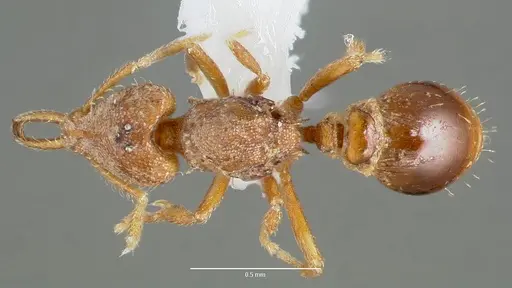
CASENT0005622
View on AntWeb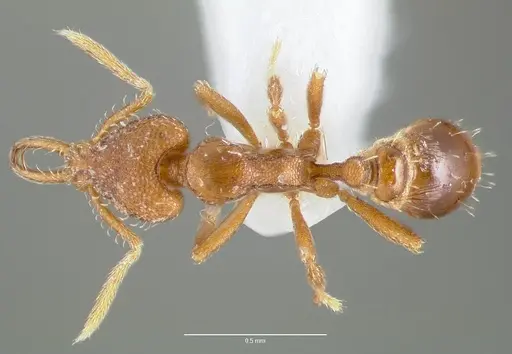
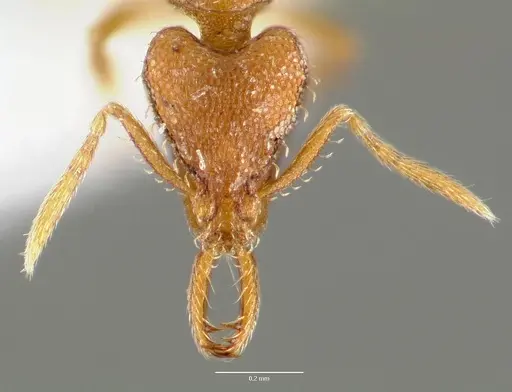
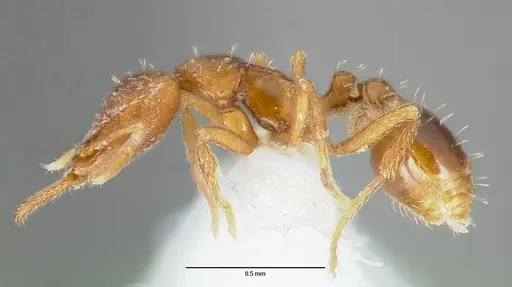
CASENT0005623
View on AntWeb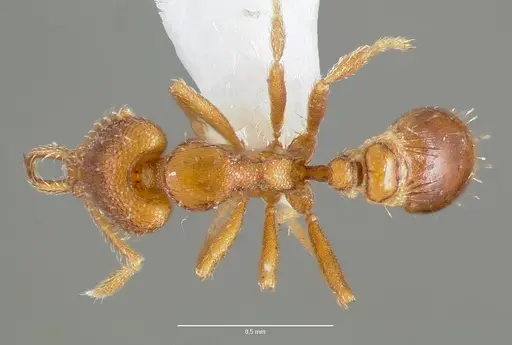
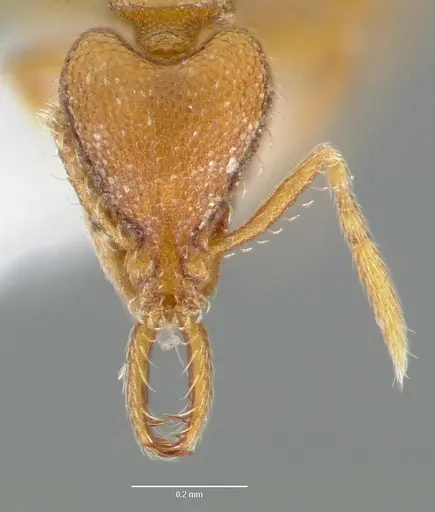
CASENT0005624
View on AntWeb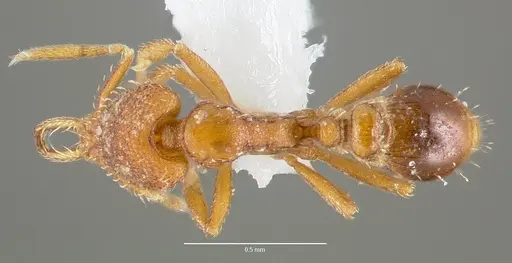
CASENT0006061
View on AntWeb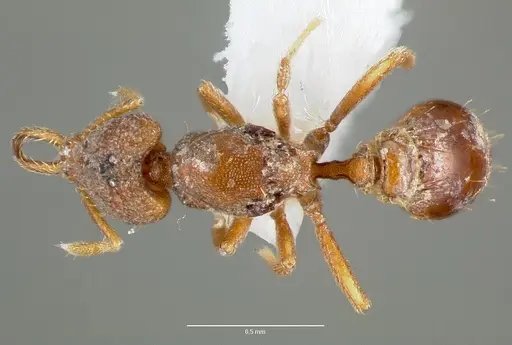
CASENT0840726
View on AntWeb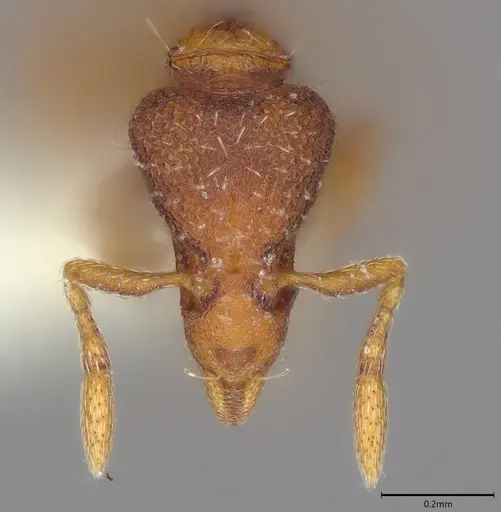
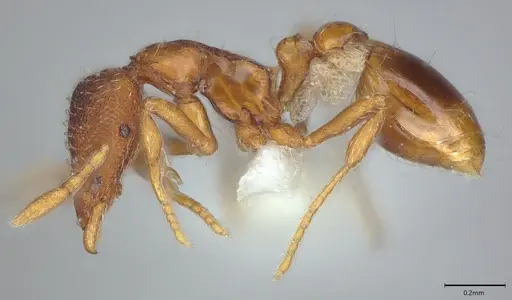
CASENT0900731
View on AntWeb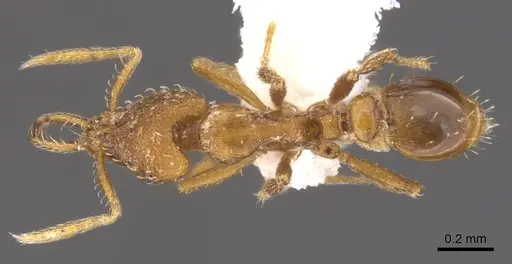
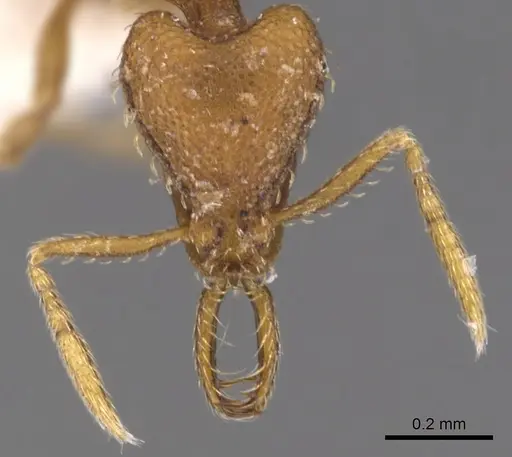
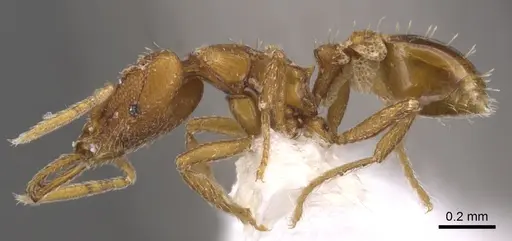
CASENT0914710
View on AntWeb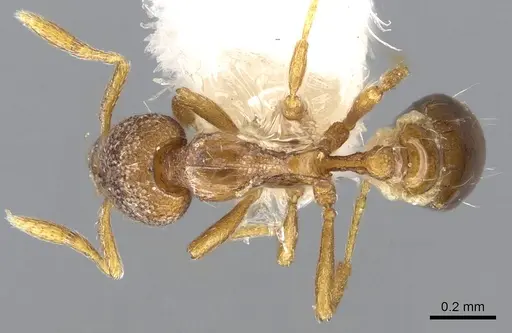
CASENT0914772
View on AntWeb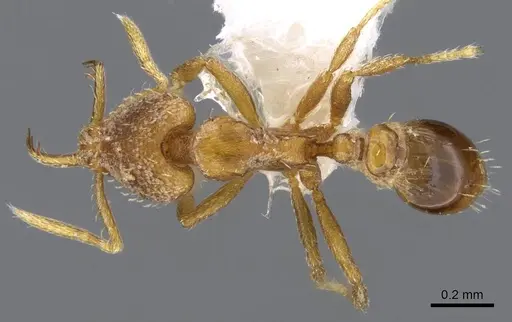
Literature
Loading...Loading products...