

Strumigenys lucomo
- Scientific Name
- Strumigenys lucomo
- Tribe
- Attini
- Subfamily
- Myrmicinae
- Author
- Fisher, 2000
- Distribution
- Found in 1 countries
Strumigenys lucomo Overview
Strumigenys lucomo is an ant species of the genus Strumigenys. It is primarily documented in 1 countries , including Madagascar. Detailed taxonomic data and occurrence records can be further explored via authoritative databases such as AntWeb or the Global Biodiversity Information Facility (GBIF).
Strumigenys lucomo
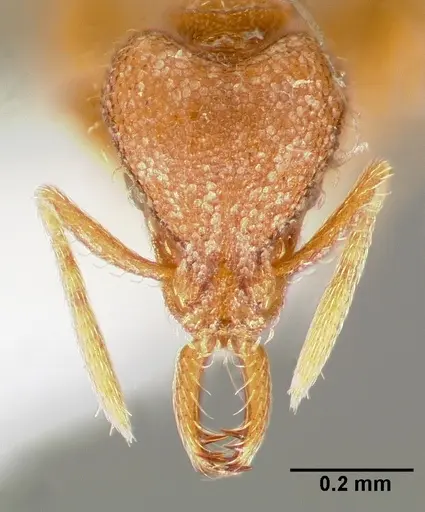
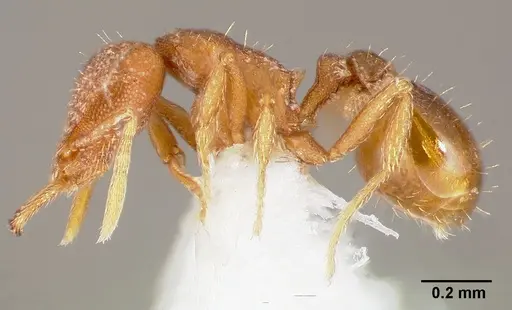
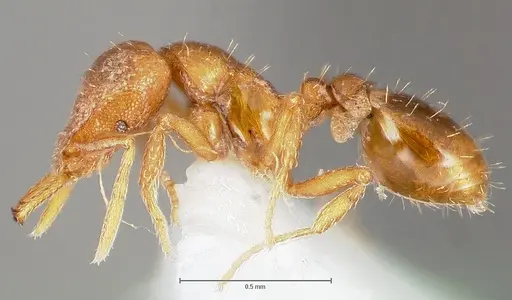
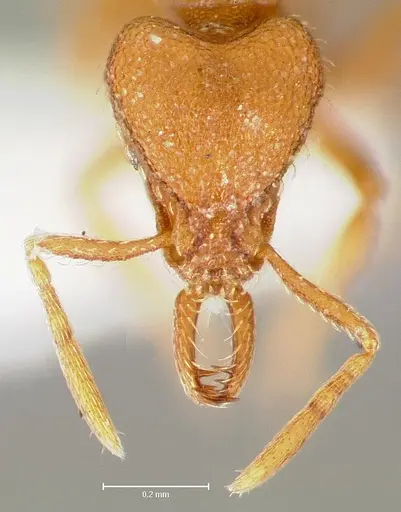
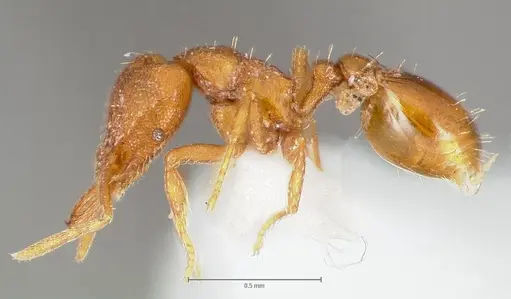
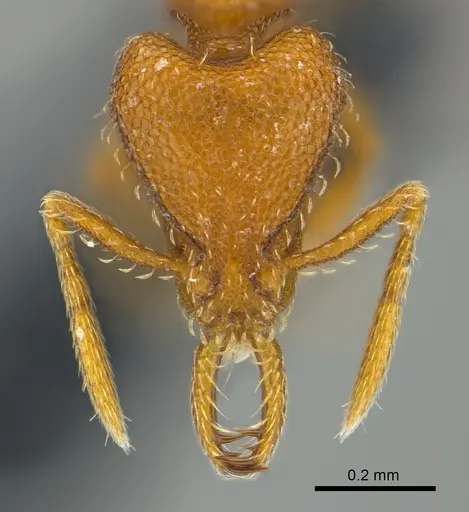
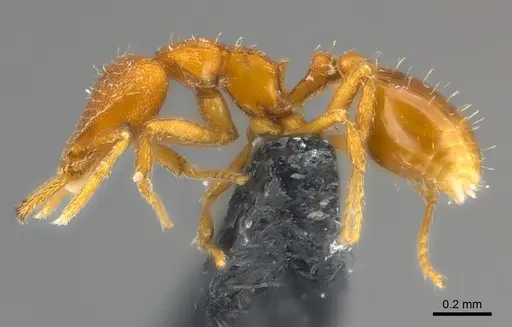
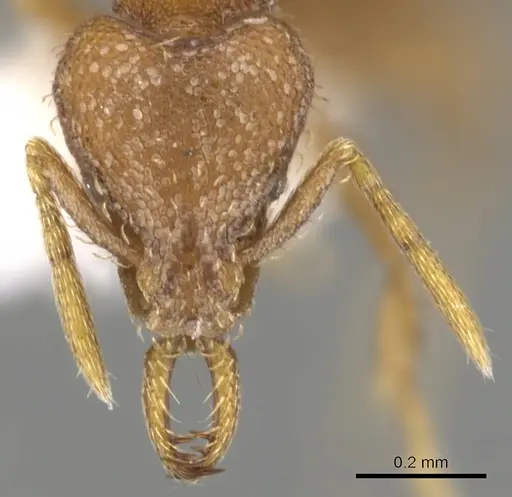
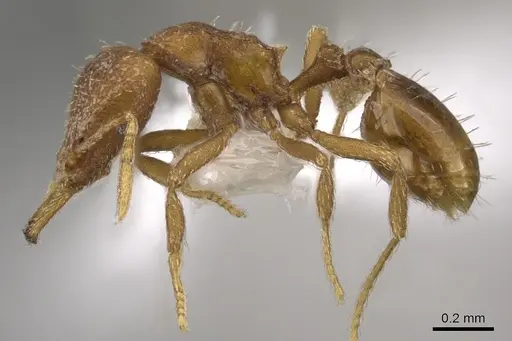
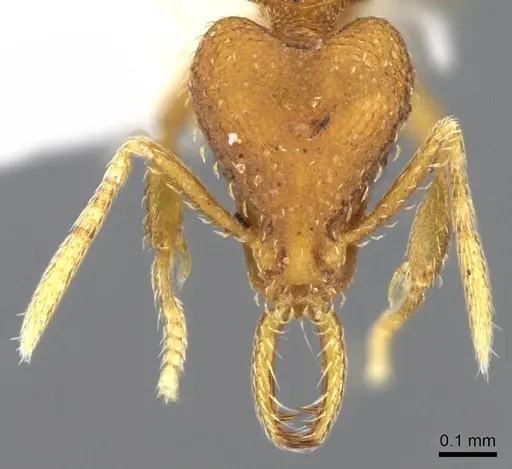
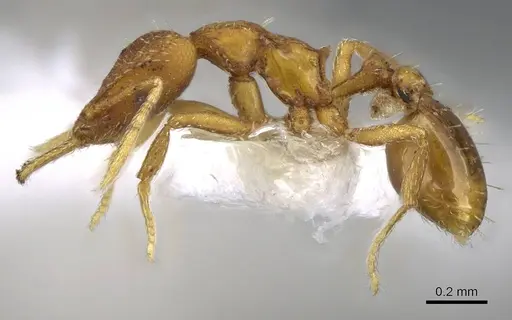
Strumigenys lucomo is a tiny predatory ant endemic to Madagascar, measuring just 2.0-2.3mm in total length [1]. This species belongs to the scotti-complex within the Strumigenys scotti group, characterized by its trap-jaw mandibles used to capture small prey [1]. Workers are light brown with distinctive erect hairs on the pronotum and mesonotum, and can be identified by a ventrally directed triangular tooth at the anterior end of the ventral spongiform lamella of the petiolar peduncle [1]. The species is widespread across Madagascar and has been collected from various forest habitats including tropical dry forest, dry deciduous forest, and grassland areas [1].
Quick Summary
- Difficulty: Medium
- Origin & Habitat: Madagascar, found across the island in various forest habitats including tropical dry forest, dry deciduous forest, and grassland areas. Nests in soil, litter samples, rotten wood, and dead twigs above ground [1].
- Colony Type: Likely monogyne (single queen) based on typical Strumigenys colony structure. Colony size is expected to be small, likely under 500 workers based on genus patterns.
- Colony: Monogyne
- Founding: Claustral
- Size & Growth:
- Queen: Not specifically measured for this species, queens described as dealate (wingless) in type series [1].
- Worker: 2.0-2.3mm total length, HL 0.46-0.52mm, HW 0.37-0.43mm [1].
- Colony: Unknown for this species, typical Strumigenys colonies reach dozens to a few hundred workers.
- Growth: Moderate, based on typical genus development patterns.
- Development: Estimated 6-10 weeks based on related Strumigenys species and tropical temperature ranges. (Development time is inferred from genus patterns, specific data for S. lucomo is not available.)
- Antkeeping:
- Temperature: Keep at 22-26°C, Madagascar is tropical, so they need warm conditions year-round. A gentle gradient is recommended.
- Humidity: Keep substrate consistently moist but not waterlogged. They nest in litter and rotting wood, indicating preference for damp conditions with some dry refuge areas available.
- Diapause: No, as a tropical species from Madagascar, they do not require hibernation. Maintain consistent warm temperatures year-round.
- Nesting: They naturally nest in soil, litter, and rotting wood. In captivity, a naturalistic setup with moist substrate or a plaster/nest with small chambers works well. Their tiny size requires appropriately scaled nesting chambers.
- Behavior: Strumigenys are specialized predators with trap-jaw mandibles designed to capture small prey like springtails and other micro-arthropods. Workers are active foragers in the leaf litter layer. They are not aggressive toward humans and cannot sting. Due to their very small size, escape prevention is critical, they can squeeze through tiny gaps.
- Common Issues: escape prevention is critical due to their tiny 2mm size, use fine mesh and tight-fitting lids, slow growth can frustrate beginners, colonies develop slowly and remain small, predatory diet requires live small prey, they cannot survive on sugar alone, wild-caught colonies may have parasites that can decimate the colony in captivity, overheating is a risk, excessive heat can kill colonies since they come from forest floor habitats, not hot open areas
Housing and Nest Setup
Strumigenys lucomo is a tiny ant that requires appropriately scaled housing. In the wild, they nest in soil, leaf litter, rotten wood, and dead twigs above ground [1]. For captivity, a naturalistic setup with moist substrate works well, use a mix of soil and organic material that stays damp but doesn't become waterlogged. Alternatively, a small plaster nest or acrylic nest with tight chambers scaled to their 2mm size can work. The key is providing small, humid chambers that mimic their natural litter-layer environment. Because they are so small, even standard 'small' formicarium chambers are too large, they need passages and chambers sized for tiny ants.
Feeding and Diet
Strumigenys lucomo is a specialized predator with trap-jaw mandibles designed to capture small arthropods. Their primary food in captivity should be live small prey, springtails are ideal and should be the backbone of their diet. Other accepted prey includes tiny isopods, booklice, and other micro-arthropods that would be found in leaf litter. They are unlikely to accept sugar water or honey as a significant food source, these ants are obligate predators. Feed prey 2-3 times per week, adjusting based on colony size and consumption rate. Remove uneaten prey after 24-48 hours to prevent mold issues.
Temperature and Seasonal Care
As a Madagascar species, Strumigenys lucomo requires warm tropical conditions year-round. Maintain temperatures between 22-26°C, this is warmer than many temperate ant species need. Avoid temperatures below 20°C or above 30°C. Since they come from forest floor habitats, they prefer stable conditions without major temperature fluctuations. No hibernation or diapause is required or recommended. A small heating cable on one side of the enclosure can create a gentle gradient, but ensure there's a cooler area they can retreat to if needed.
Behavior and Temperament
These ants are peaceful and not aggressive toward keepers. They are active foragers that hunt individually in the leaf litter layer using their specialized trap-jaw mandibles. Workers hunt by rapidly snapping their mandibles to capture small prey, this is their primary foraging strategy. They do not have a functional stinger. Due to their extremely small size (only 2mm), they are excellent escape artists and require fine mesh barriers and tight-fitting lids. Colonies remain relatively small throughout their lifespan, typically reaching only dozens to a few hundred workers.
Colony Establishment
Queens likely establish colonies through claustral founding, the queen seals herself in a small chamber and raises the first workers alone using stored fat reserves. This is typical for Strumigenys species. The first workers (nanitics) will be smaller than mature workers and the colony will grow gradually. Founding colonies should be kept in complete darkness with minimal disturbance. Once workers emerge, the colony can be moved to a more permanent housing setup if needed. Expect slow growth during the founding phase, patience is essential.
Frequently Asked Questions
How long does it take for Strumigenys lucomo to raise first workers?
Expect 6-10 weeks from egg to first worker at optimal temperatures (22-26°C). This is an estimate based on related Strumigenys species, specific development data for S. lucomo is not available. Growth is slow, especially during the founding phase.
Can I keep Strumigenys lucomo in a test tube setup?
Test tubes can work for founding colonies but require careful scaling, these are tiny ants and standard test tube setups may have chambers too large. A better option is a small naturalistic setup with moist substrate or a custom small-scale formicarium. Ensure the water reservoir is appropriately sized and that the setup allows for proper humidity control.
What do Strumigenys lucomo ants eat?
They are specialized predators that need live small prey. Springtails are the ideal food source, offer them regularly. Other acceptable prey includes tiny isopods, booklice, and other micro-arthropods. They are unlikely to accept sugar water, honey, or other carbohydrates as primary food. Do not attempt to feed them standard ant foods like mealworms or honey, these are too large and inappropriate for their predatory lifestyle.
How big do Strumigenys lucomo colonies get?
Colony size is expected to remain small, likely under 500 workers at maturity. This is typical for Strumigenys species, which maintain relatively modest colony sizes compared to many other ants. Growth is slow and gradual over many months or years.
Do Strumigenys lucomo need hibernation?
No, as a tropical Madagascar species, they do not require hibernation or diapause. Maintain consistent warm temperatures (22-26°C) year-round. Temperatures below 20°C for extended periods can be harmful.
Are Strumigenys lucomo good for beginners?
This is a challenging species for beginners. Their tiny size requires excellent escape prevention, their predatory diet requires a constant supply of live small prey, and their slow growth can be frustrating. They also have specific humidity and temperature needs. Experienced antkeepers who can provide springtails and appropriate small-scale housing will have better success.
Why are my Strumigenys lucomo dying?
Common causes include: escape through tiny gaps (use fine mesh), starvation due to lack of live prey (feed springtails consistently), temperatures too cold or too hot (keep at 22-26°C), substrate too dry or waterlogged (aim for consistently moist but not wet), and parasites from wild-caught colonies. Review each of these factors and adjust accordingly.
Can I keep multiple Strumigenys lucomo queens together?
Not recommended. Based on typical Strumigenys colony structure, they are likely monogyne (single queen). Combining unrelated queens has not been documented for this species and would likely result in aggression. A single established queen with her colony is the standard approach.
When should I move Strumigenys lucomo to a formicarium?
Wait until the colony has at least 10-20 workers before moving to a permanent formicarium. The founding phase in a test tube or small container should proceed first. When moving, ensure the new setup maintains the same small chamber dimensions and humidity levels they are accustomed to. Disturbance during the founding phase is a common cause of colony failure.
References

This caresheet is licensed under CC BY-SA 4.0 .
CASENT0005585
View on AntWeb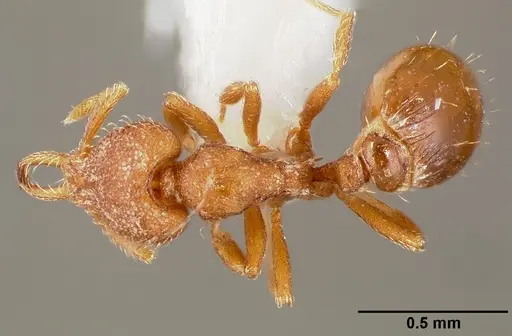
CASENT0005586
View on AntWeb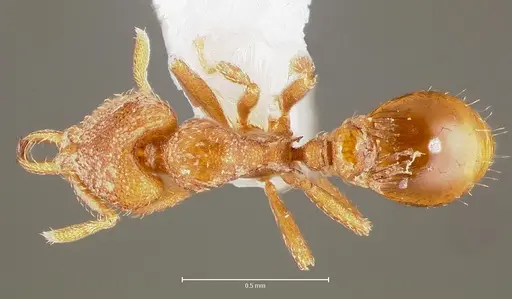
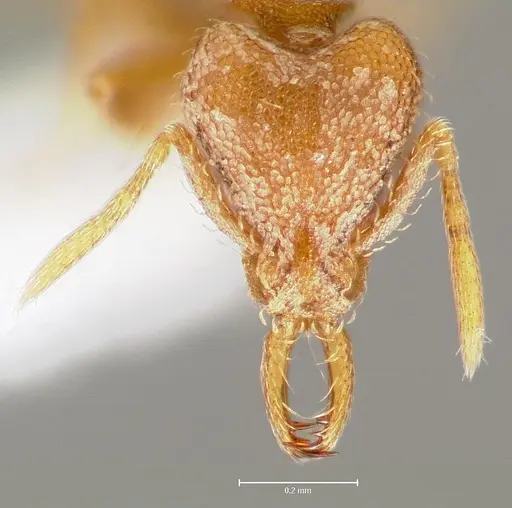
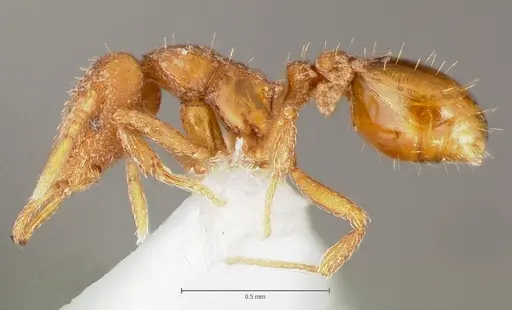
CASENT0005587
View on AntWeb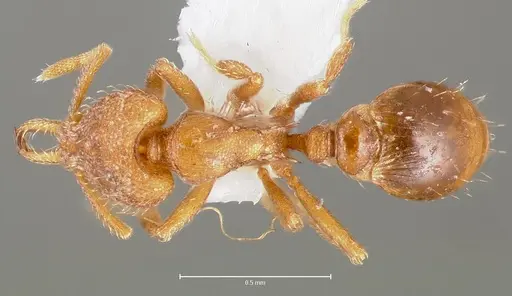
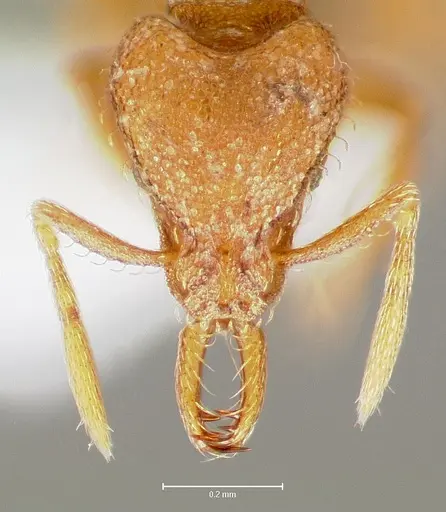
CASENT0005588
View on AntWeb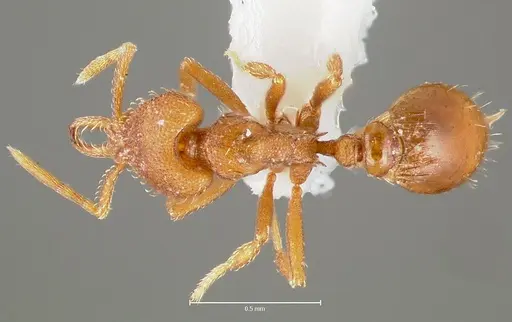
CASENT0157720
View on AntWeb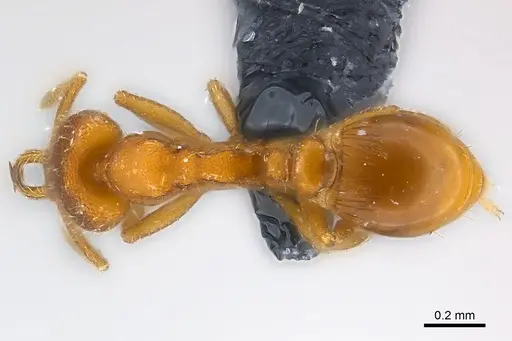
CASENT0900733
View on AntWeb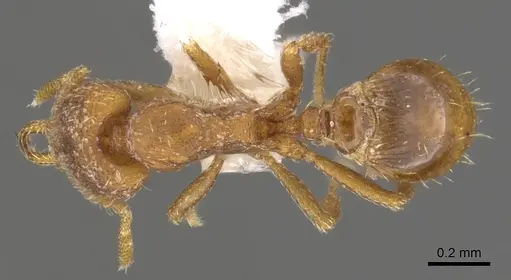
CASENT0914769
View on AntWeb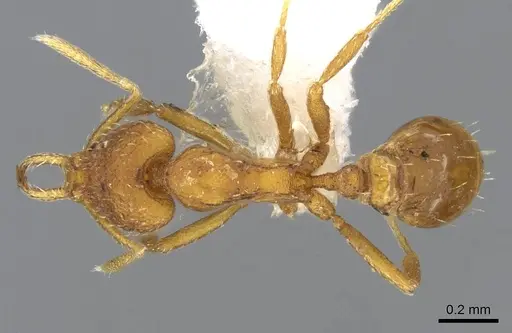
Literature
Loading...Loading products...