

Strumigenys levana
- Scientific Name
- Strumigenys levana
- Tribe
- Attini
- Subfamily
- Myrmicinae
- Author
- Fisher, 2000
- Distribution
- Found in 1 countries
Strumigenys levana Overview
Strumigenys levana is an ant species of the genus Strumigenys. It is primarily documented in 1 countries , including Madagascar. Detailed taxonomic data and occurrence records can be further explored via authoritative databases such as AntWeb or the Global Biodiversity Information Facility (GBIF).
Strumigenys levana
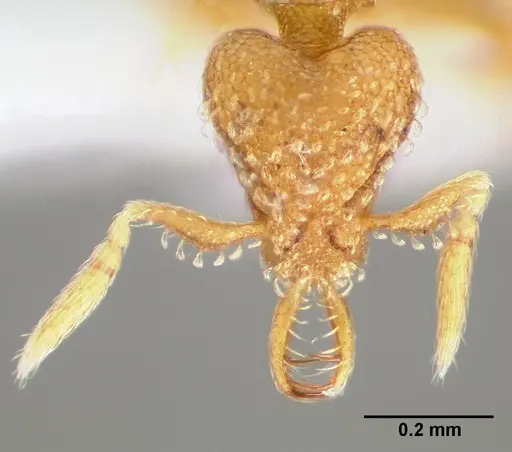
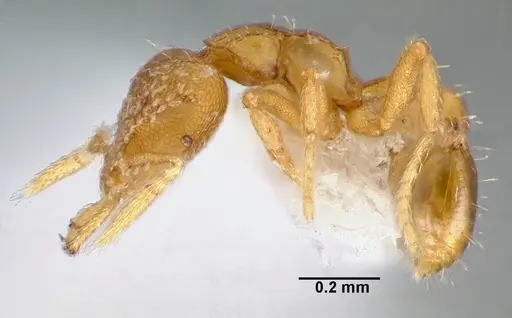
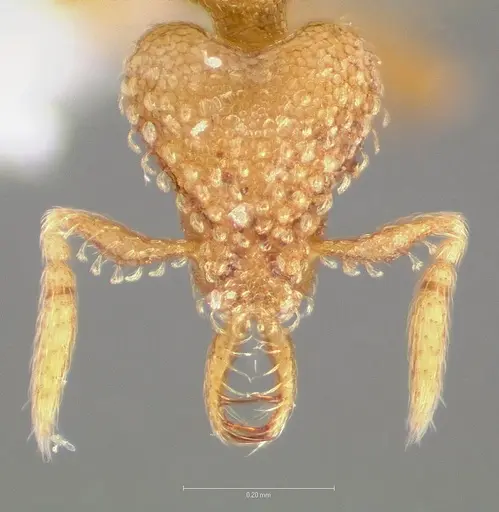
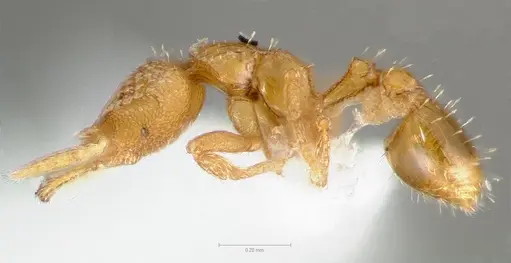
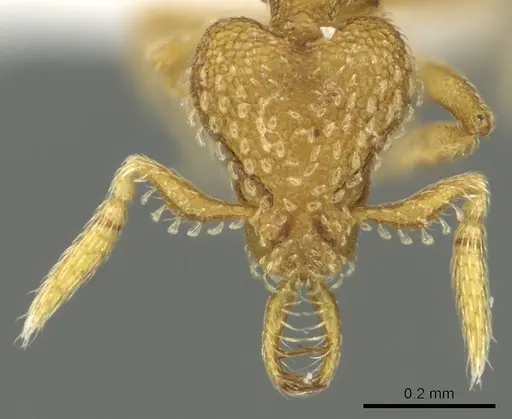
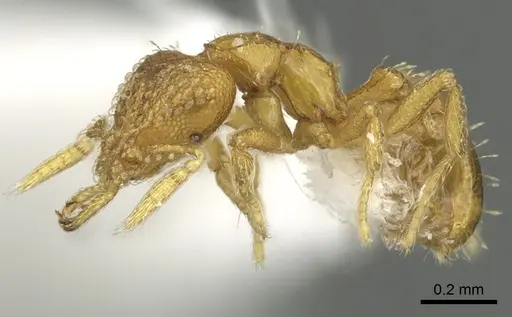
Strumigenys levana is an exceptionally tiny ant species native to Madagascar, measuring just 1.6-1.7mm in total length . Workers are pale yellow to light brown with distinctive 4-segmented antennae, making them easily recognizable within their genus . They belong to the Strumigenys arnoldi group and live in forest floor litter, typically found in humid, shaded environments across Madagascar [1]. These ants are predatory, using their specialized trap-jaw mandibles to capture small prey organisms in the leaf litter environment.
Quick Summary
- Difficulty: Expert
- Origin & Habitat: Madagascar, found in forest floor litter across multiple forest habitats in the Malagasy region . They inhabit leaf mold and rotting wood in humid, well-lit forest understories [1].
- Colony Type: Colony structure is unconfirmed. Based on genus patterns, likely single-queen colonies with small worker populations.
- Size & Growth:
- Queen: Undescribed, estimated 2.5-3mm based on worker size
- Worker: 1.6-1.7mm
- Colony: Likely small, under 100 workers based on typical Strumigenys colony sizes and their tiny size
- Growth: Slow, unknown, but typical for tiny litter-dwelling ants
- Development: Estimated 6-10 weeks at optimal temperature based on related Strumigenys species (Development time is unconfirmed for this specific species. Expect slow growth typical of very small ant species.)
- Antkeeping:
- Temperature: Keep around 22-26°C, they prefer warm, humid forest floor conditions. Avoid temperatures below 20°C.
- Humidity: High humidity is essential, they come from humid forest litter. Keep substrate consistently moist but not waterlogged. Think damp leaf litter environment.
- Diapause: Unknown, Madagascar has mild climate, they may not require true hibernation but may have reduced activity periods.
- Nesting: Very small nest requirements, they naturally nest in leaf litter and rotting wood. A small test tube setup or tiny acrylic nest works well. They need tight chambers scaled to their minute size.
- Behavior: Predatory ants that hunt small invertebrates in the leaf litter. They are not aggressive toward humans and cannot sting effectively. Escape prevention is absolutely critical, their tiny size means they can squeeze through the smallest gaps. They are slow-moving but use trap-jaw mandibles to capture prey.
- Common Issues: escape prevention is critical, they are extremely tiny and can squeeze through standard barrier materials, slow growth and small colony sizes mean colonies are fragile and slow to develop, requires live prey, they are obligate predators and will not accept sugar or dead food easily, high humidity needs make mold a constant risk if ventilation is poor, wild-caught colonies may have parasites that can devastate small populations
Housing and Nest Setup
Strumigenys levana requires careful housing due to their extremely small size. Workers measure only 1.6-1.7mm, making them one of the smallest ant species you can keep . Use a small test tube setup or a tiny acrylic nest with chambers scaled to their size. The nest material should be kept consistently moist, these ants naturally live in damp leaf litter and rotting wood [1]. Escape prevention must be excellent. Standard cotton barriers and standard mesh will not contain them. Use fluon on all edges and fine mesh (at least 0.5mm or smaller) for any ventilation openings. Even tiny gaps around lid edges can allow escapes.
Feeding and Diet
Strumigenys levana is predatory and requires live small prey. In the wild, they hunt micro-organisms in forest leaf litter. In captivity, offer small live prey such as springtails, tiny isopods, or fruit fly larvae. They will not accept sugar water or honey, they are obligate predators. Feed small prey items every few days, removing any uneaten prey to prevent mold. The key to keeping this species alive is a constant supply of small live prey. Do not attempt to keep them on a diet of dead insects or protein paste, they simply will not accept it.
Temperature and Humidity
Keep these ants warm and humid. Aim for temperatures in the 22-26°C range, they come from Madagascar's humid forest environments where temperatures are warm year-round [1]. Humidity is critical: maintain substrate that is damp but not waterlogged. A moisture gradient works well, with one side of the nest kept moister than the other so ants can choose their preferred conditions. Avoid letting the nest dry out completely. Room temperature in most homes (20-24°C) should be acceptable, but monitor colony activity, if workers seem sluggish, slightly increase temperature.
Behavior and Temperament
These ants are completely harmless to humans. They are tiny, non-aggressive, and cannot sting effectively. Their main defense is escaping, they are fast runners for their size and will rapidly disperse if given the chance. They are not colony aggressive and do not have alarm pheromones that cause mass attacks. In the nest, they are relatively calm. However, their tiny size makes them vulnerable, a single fall or escape can mean losing your entire colony. They are slow to establish and slow to grow, so patience is essential. Do not disturb the nest frequently.
Colony Establishment
Establishing a colony of Strumigenys levana requires patience. If you acquire a founding queen, she will likely lay few eggs at a time. The first workers (nanitics) will be tiny and the colony will grow slowly. Expect the first workers to appear 6-10 weeks after eggs are laid, based on related Strumigenys species. Do not overfeed founding colonies, excess prey can mold and kill the queen or brood. Keep the setup dark and undisturbed during the founding stage. Once workers emerge, you can slowly increase feeding. Colonies likely remain small (under 100 workers) even at maturity.
Frequently Asked Questions
How long does it take for Strumigenys levana to produce first workers?
Expect 6-10 weeks from egg to first worker at optimal temperature (22-26°C). This is an estimate based on related Strumigenys species, as specific development data for S. levana is not available.
Can I keep Strumigenys levana in a test tube?
Yes, a small test tube setup works well for this species. Use a test tube with a small water reservoir and keep it humid. However, escape prevention is critical, they are extremely tiny and may need additional barriers beyond just a cotton plug.
What do Strumigenys levana ants eat?
They are obligate predators that require live small prey. Feed them springtails, tiny isopods, or fruit fly larvae. They will not accept sugar water, honey, or dead insects. A constant supply of small live prey is essential for survival.
Are Strumigenys levana good for beginners?
No, this species is not recommended for beginners. They are extremely tiny, require live prey, need high humidity, and are expert escape artists. They also grow very slowly and form small colonies. This is an expert-level species.
How big do Strumigenys levana colonies get?
Colonies likely remain small, probably under 100 workers at maturity. This is typical for tiny litter-dwelling Strumigenys species.
Do Strumigenys levana need hibernation?
Hibernation requirements are unknown. Madagascar has a mild climate, so they likely do not require true hibernation. They may have reduced activity periods during cooler months but should be kept warm year-round.
Why are my Strumigenys levana escaping?
Their tiny size makes escape almost guaranteed without excellent barriers. Apply fluon to all lid edges, use fine mesh for ventilation, and check for any gaps larger than 0.5mm. Even the smallest crack will allow escape.
When should I move Strumigenys levana to a formicarium?
Given their tiny size and humidity needs, keeping them in a test tube or small acrylic nest long-term is often better than moving to a larger formicarium. Only move if the colony is thriving and the test tube is becoming too crowded.
Can I keep multiple queens together?
Combining unrelated queens has not been documented for this species. Based on typical Strumigenys behavior, keeping multiple queens together is not recommended, they are likely single-queen colonies.
What temperature do Strumigenys levana need?
Keep them at 22-26°C. They prefer warm, humid conditions similar to Madagascar's forest floor. Avoid temperatures below 20°C.
Why is my colony dying?
Common causes include: escaped ants, mold from overwatering or poor ventilation, starvation (no live prey), or parasites from wild-caught colonies. Check that prey is being accepted and that humidity levels are appropriate but not causing mold.
References

This caresheet is licensed under CC BY-SA 4.0 .
CASENT0005569
View on AntWeb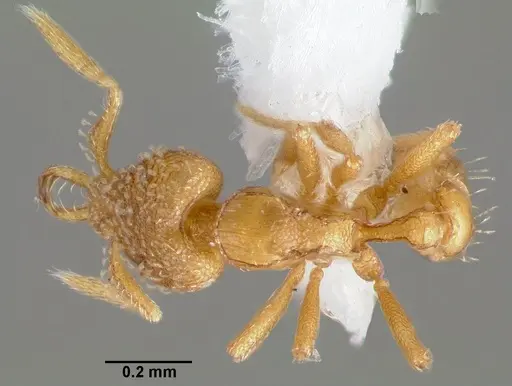
CASENT0005570
View on AntWeb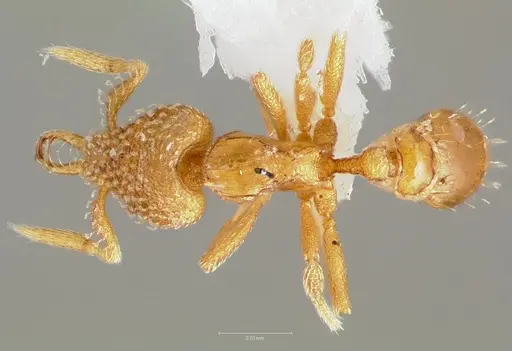
CASENT0005571
View on AntWeb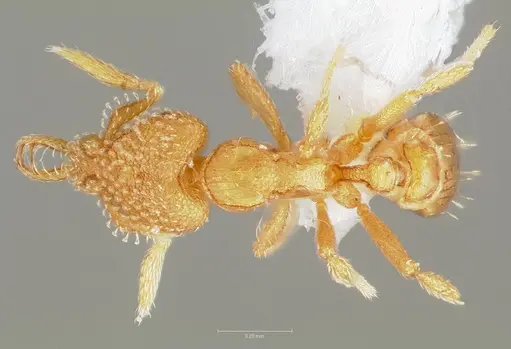
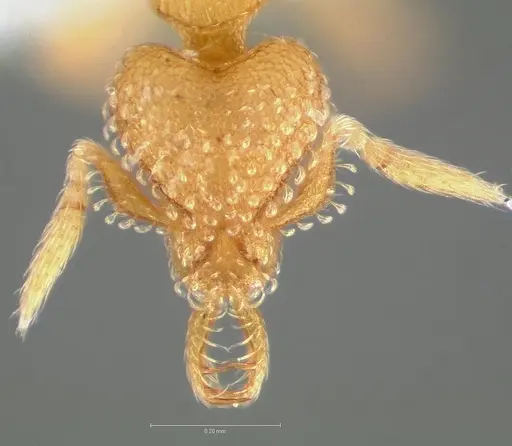
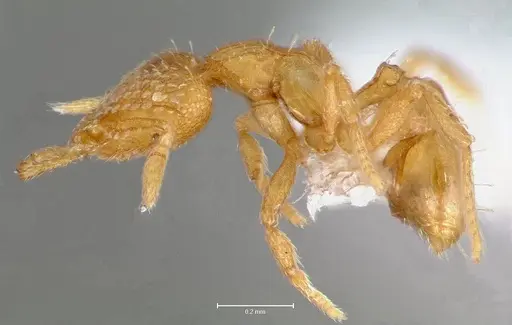
CASENT0005572
View on AntWeb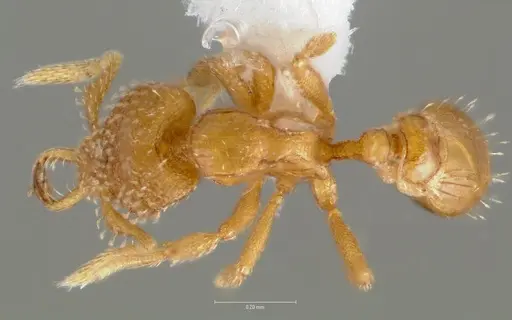
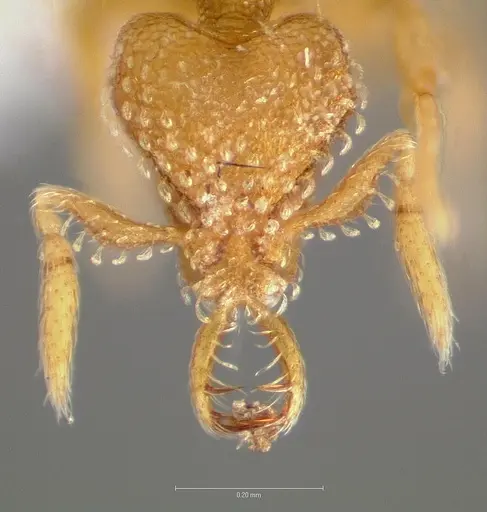
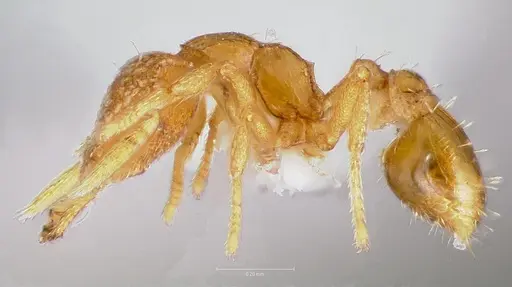
CASENT0900682
View on AntWeb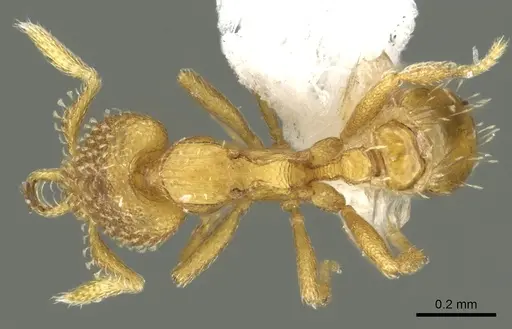
Literature
Loading...Loading products...