

Strumigenys korahyla
- Scientific Name
- Strumigenys korahyla
- Tribe
- Attini
- Subfamily
- Myrmicinae
- Author
- Bolton, 1983
- Distribution
- Found in 2 countries
Strumigenys korahyla Overview
Strumigenys korahyla is an ant species of the genus Strumigenys. It is primarily documented in 2 countries , including Gabon, Equatorial Guinea. Detailed taxonomic data and occurrence records can be further explored via authoritative databases such as AntWeb or the Global Biodiversity Information Facility (GBIF).
Strumigenys korahyla
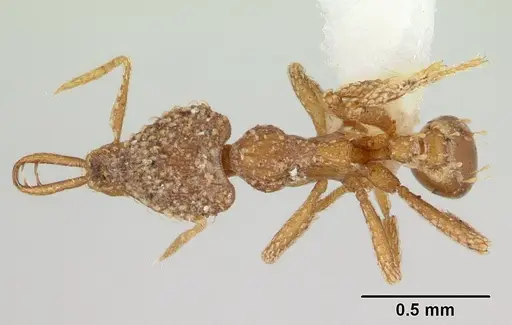
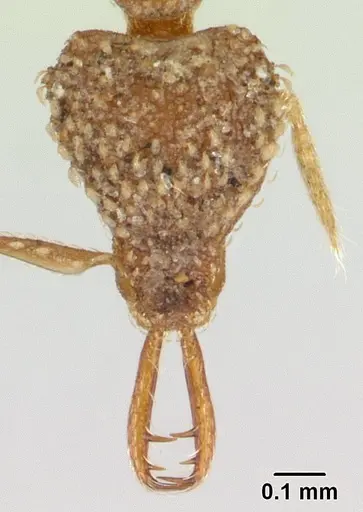
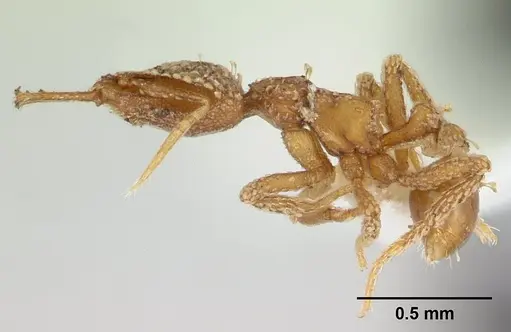
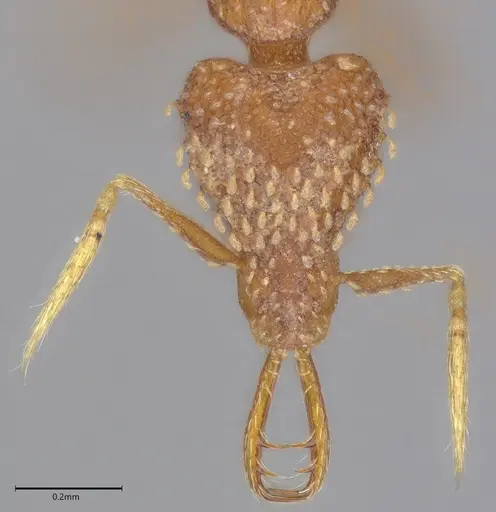
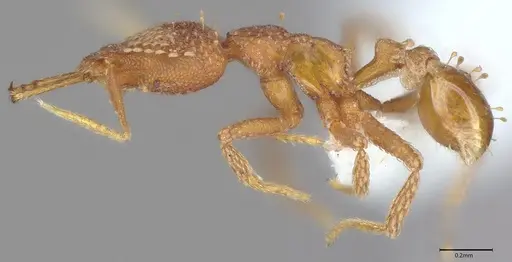
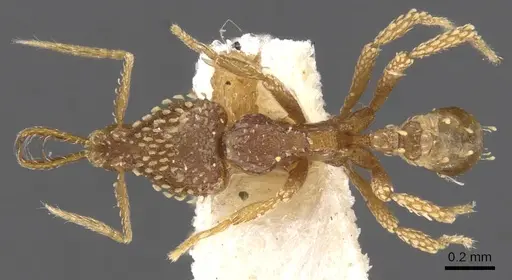
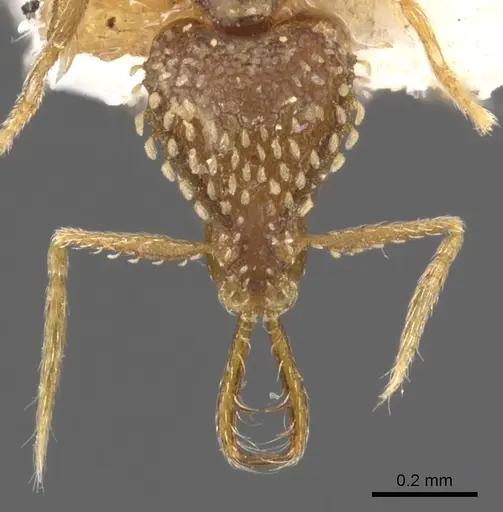
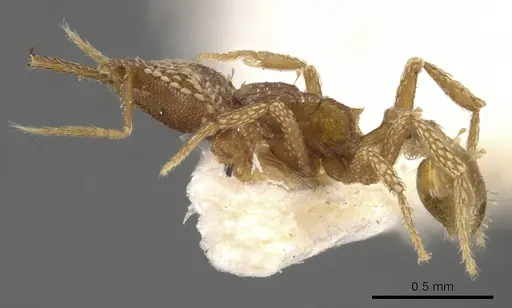
Strumigenys korahyla is a minute predatory ant measuring just 2.2-2.3mm in total length. Workers are brownish yellow with distinctive elongate mandibles and slender antennal scapes. The species belongs to the Strumigenys arnoldi group, specifically the havilandi complex, and is distinguished by its very small eyes (only 4-5 ommatidia), preapical dentition of 2 teeth on each mandible, and scale-like hairs on the head. This species occurs across the Afrotropical region including Cameroon, Gabon, Ghana, Kenya, and Uganda, where it inhabits wet forest environments and is typically found in leaf litter samples [1]. Like other Strumigenys, this species is a specialized predator using its trap-jaw mandibles to capture tiny prey, primarily springtails and other micro-arthropods.
Quick Summary
- Difficulty: Hard
- Origin & Habitat: Wet forests of the Afrotropical region, Cameroon, Gabon, Ghana, Kenya, and Uganda. Found at elevations around 640m in montane wet forest habitats, typically in leaf litter samples [2][1].
- Colony Type: Likely monogyne (single queen) based on typical Strumigenys colony structure. Colony size is unknown but likely small (under 100 workers) given the tiny worker size and typical genus patterns.
- Colony: Monogyne
- Founding: Claustral
- Size & Growth:
- Queen: Undescribed but likely 3-4mm based on worker size and genus patterns
- Worker: 2.2-2.3mm total length
- Colony: Unknown, likely under 100 workers based on typical Strumigenys litter-dwelling species
- Growth: Slow, development is typically extended in Strumigenys due to their specialized predatory lifestyle
- Development: Estimated 8-12 weeks based on related Strumigenys species and their small size (Direct development data unavailable, estimates based on genus-level patterns for tiny Myrmicinae predators)
- Antkeeping:
- Temperature: Keep at 22-26°C, aim for low-to-mid 20s°C. These are wet forest ants that prefer stable, warm conditions without major temperature fluctuations.
- Humidity: High humidity is essential, maintain 70-85% relative humidity. Keep the nest substrate consistently moist but not waterlogged. These litter-dwelling ants need damp conditions similar to their forest floor habitat.
- Diapause: Likely no true diapause, as a tropical wet forest species, they probably remain active year-round with slight seasonal slowdown. More research needed.
- Nesting: Use tight chambers and narrow passages scaled to their tiny size. Y-tong (AAC) nests or small acrylic setups work well. They prefer dark, humid nest conditions. Avoid tall, open spaces.
- Behavior: These are extremely small, cryptic ants that are rarely seen above ground. Workers are slow-moving and spend most of their time hunting in leaf litter. They are not aggressive and will flee rather than fight. Escape prevention is critical due to their minute size, they can squeeze through the tiniest gaps. They possess trap-jaw mandibles but use them primarily for hunting small prey, not defense. Activity level is low, expect slow colony development and infrequent foraging.
- Common Issues: escape prevention is critical, their tiny 2mm size means they can squeeze through standard barrier gaps, slow growth and small colony sizes make them vulnerable to stress and disturbance, high humidity requirements can lead to mold problems if ventilation is poor, specialized diet means they may refuse standard ant foods, live micro-prey is essential, wild-caught colonies may have parasites that are difficult to treat in such small ants
Housing and Nest Setup
Strumigenys korahyla requires a carefully scaled setup due to their minute 2.2mm size. A Y-tong (AAC) nest with narrow chambers works well, or a small acrylic nest with tight-fitting connections. The nest should be kept dark, these cryptic ants prefer dim conditions and will be stressed by bright light. Maintain high humidity by keeping a water reservoir connected to the nest. Use a small outworld container since they rarely venture far from the nest. Escape prevention must be excellent, apply Fluon or use fine mesh barriers, as they can slip through gaps invisible to the naked eye. A naturalistic setup with moist leaf litter in a shallow container can also work, but monitoring and feeding becomes more difficult. [1]
Feeding and Diet
Strumigenys korahyla is a specialized predator that requires live micro-prey. Their primary food source in the wild is springtails and other tiny soil arthropods. In captivity, offer live springtails as a staple, these can be cultured separately and added to the outworld. Other accepted prey may include tiny isopods, booklice, and fruit flies. They will likely refuse dead prey and sugar sources, these ants are obligate predators. Feed small amounts 2-3 times per week, removing uneaten prey after 24 hours. Do not overfeed as decomposing prey creates mold problems. The trap-jaw mandibles are used to seize and hold tiny prey, which is then paralyzed with venom before being consumed. [1]
Temperature and Humidity
Keep these ants at 22-26°C, ideally in the low-to-mid 20s°C range. As wet forest inhabitants from equatorial Africa, they need warm, stable conditions. Avoid temperature fluctuations and keep them away from air conditioning vents or cold windows. Humidity should be high, target 70-85% relative humidity. The nest substrate should remain consistently moist but never waterlogged. A small water tube connected to the nest chamber works well for maintaining humidity. Monitor for condensation, some condensation is normal and desirable, but excessive moisture leads to mold. If mold appears, reduce feeding and improve ventilation slightly. [2]
Behavior and Colony Life
Strumigenys korahyla is an extremely cryptic species. Workers are slow-moving and spend their time hunting through leaf litter and soil. Colonies are small, likely containing fewer than 100 workers even at maturity. The queen is probably claustral, she seals herself in a chamber and raises the first workers alone on stored fat reserves. Workers forage individually rather than in groups, using their trap-jaw mandibles to capture tiny prey. They are not defensive and will retreat from threats rather than engage. The small colony size and slow growth mean these ants are best suited for experienced keepers who can provide the specialized care they require. [1]
Acclimation and Handling
Due to their tiny size and specialized requirements, Strumigenys korahyla is challenging to keep. Wild-caught colonies often struggle to acclimate to captivity because they are adapted to specific microhabitat conditions. If acquiring a colony, ensure it comes with its original leaf litter substrate if possible. Transfer to a prepared nest only after the colony shows signs of settling, look for workers foraging normally and brood being raised. Minimize disturbances during the founding and early growth phases. These ants are not handleable, any transfer should be done by connecting the old container to the new nest and allowing them to move voluntarily. [1]
Frequently Asked Questions
How long does it take for Strumigenys korahyla to raise their first workers?
Based on related Strumigenys species, expect 8-12 weeks from egg to first worker at optimal temperature (24-26°C). Development is typically slow in these tiny predatory ants.
Can I keep Strumigenys korahyla in a test tube setup?
Test tubes can work for founding colonies but are not ideal for long-term housing. Their small size means you can use a small test tube with a tight cotton barrier, but they will need a proper nest with chambers scaled to their 2mm size as the colony grows.
What do Strumigenys korahyla ants eat?
They are specialized predators that require live micro-prey. Feed live springtails as a staple food source. They will likely refuse dead insects, honey, or sugar water. Other tiny prey like fruit flies, tiny isopods, and booklice may also be accepted.
Are Strumigenys korahyla ants good for beginners?
No, this species is not recommended for beginners. Their tiny size, specialized predatory diet, high humidity requirements, and slow growth make them challenging. They are best suited for experienced antkeepers who can provide the specific conditions they need.
How big do Strumigenys korahyla colonies get?
Colony size is unknown but likely remains small, probably under 100 workers at maturity. This is typical for litter-dwelling Strumigenys species.
Do Strumigenys korahyla need hibernation?
Probably not, as a tropical wet forest species from equatorial Africa, they likely remain active year-round with no true diapause period.
Why are my Strumigenys korahyla dying?
Common causes include: escape (check for tiny gaps), improper humidity (too dry causes desiccation, too wet causes mold), wrong food (they need live prey, not dead insects or sugar), and stress from disturbance. These fragile ants are highly sensitive to environmental changes.
When should I move my colony to a formicarium?
Wait until the colony has at least 15-20 workers and is actively foraging. Moving too early stresses the colony. Use a small formicarium with chambers scaled to their tiny size and ensure humidity can be maintained.
Can I keep multiple queens together?
This has not been studied for this specific species. Based on typical Strumigenys behavior, single-queen colonies are most common. Combining unrelated queens is not recommended without evidence they will tolerate each other.
What is the best nest type for Strumigenys korahyla?
A Y-tong (AAC) nest with narrow chambers or a small acrylic nest works well. The key requirements are: tight chambers scaled to their 2mm size, dark interior, high humidity maintenance, and excellent escape prevention.
How often should I feed Strumigenys korahyla?
Feed small amounts of live prey 2-3 times per week. Remove uneaten prey after 24 hours to prevent mold. Monitor consumption, overfeeding is a common mistake that leads to mold problems in small colonies.
References

This caresheet is licensed under CC BY-SA 4.0 .
Literature
Loading...Loading products...