

Strumigenys glycon
- Scientific Name
- Strumigenys glycon
- Tribe
- Attini
- Subfamily
- Myrmicinae
- Author
- Fisher, 2000
- Distribution
- Found in 1 countries
Strumigenys glycon Overview
Strumigenys glycon is an ant species of the genus Strumigenys. It is primarily documented in 1 countries , including Madagascar. Detailed taxonomic data and occurrence records can be further explored via authoritative databases such as AntWeb or the Global Biodiversity Information Facility (GBIF).
Strumigenys glycon
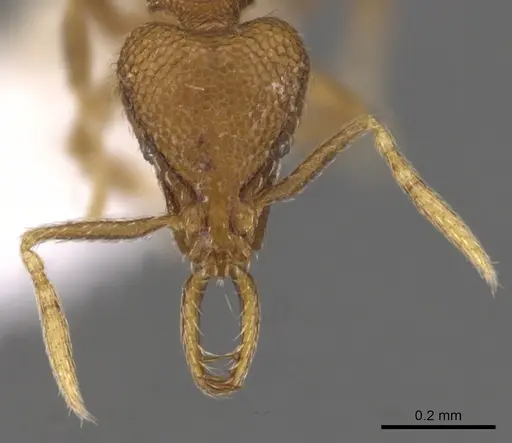
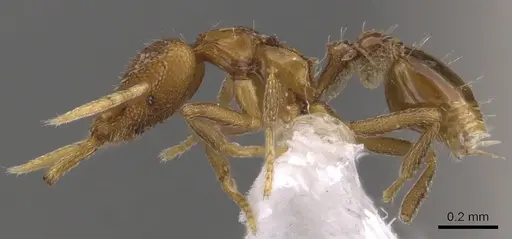
Strumigenys glycon is a minute predatory ant native to Madagascar, measuring just 1.9-2.0mm in total length. Workers are light brown with distinctive spongiform appendages on the petiole and a reticulate-punctate sculpture on the petiole node. This species belongs to the Strumigenys scotti group and is one of the smallest species in the scotti-complex. Found exclusively in Madagascar's rainforest habitats, these ants live in leaf litter and rotting wood, typically at elevations between 825m and 1860m [1]. Strumigenys glycon is a specialized predator that hunts micro-arthropods like springtails using its trap-jaw mandibles.
Quick Summary
- Difficulty: Expert
- Origin & Habitat: Madagascar, rainforest habitats in the Malagasy region, found in leaf litter and rotting wood at elevations from 825m to 1860m [1]
- Colony Type: Likely monogyne (single queen) based on typical Strumigenys colony structure
- Colony: Monogyne
- Founding: Claustral
- Size & Growth:
- Queen: Undescribed, estimated slightly larger than workers at 2.0-2.5mm
- Worker: 1.9-2.0mm
- Colony: Unknown for this species, typical Strumigenys colonies range from dozens to a few hundred workers
- Growth: Slow, typical for tiny predatory ants
- Development: Estimated 6-10 weeks at optimal temperature based on related species (Development is slow due to small colony size and predatory feeding requirements)
- Antkeeping:
- Temperature: Keep around 20-24°C, they prefer stable, moderate temperatures typical of rainforest floor conditions
- Humidity: High humidity required (70-85%), these are forest floor ants that need consistently moist substrate
- Diapause: Likely a mild diapause during Madagascar's dry season (May-October), reduce feeding and lower temperature slightly to 18-20°C for 2-3 months
- Nesting: Y-tong (AAC) nests or test tube setups with fine mesh barriers, their tiny size requires excellent escape prevention. Provide a moisture chamber connected to the nest.
- Behavior: Strumigenys glycon is a specialized predator that uses its trap-jaw mandibles to capture springtails and other micro-arthropods. They are shy and not aggressive, colonies are small and workers forage individually in leaf litter. Escape prevention is critical due to their minute size, they can squeeze through standard mesh. These ants are not suited for beginners due to their specialized diet and humidity requirements.
- Common Issues: tiny size means escapes are likely without fine mesh barriers, specialized diet makes them difficult to feed, require live springtails or micro-arthropods, high humidity needs can lead to mold problems if ventilation is poor, slow growth tests keeper patience, colonies take months to establish, wild-caught colonies may have parasites that kill them in captivity
Housing and Nest Setup
Strumigenys glycon requires careful housing due to their extremely small size. A test tube setup works well for founding colonies, use a small test tube with a cotton plug separating the water reservoir from the ants. For established colonies, a Y-tong (AAC) nest with narrow chambers scaled to their tiny size provides appropriate housing. The critical requirement is escape prevention, these ants can squeeze through standard mesh barriers. Use fine mesh (at least 0.5mm) or apply Fluon to all edges. Connect a moisture chamber to the nest to maintain high humidity. A small outworld area allows for foraging. Keep lighting minimal as these are dark-foraging ants [2].
Feeding and Diet
Strumigenys glycon is a specialized predator that requires live micro-arthropods. Their primary food source in the wild is springtails (Collembola), which they hunt using their trap-jaw mandibles. In captivity, offer live springtails as a primary food source, these can be cultured separately or purchased. Other acceptable prey includes tiny isopods, booklice, and other micro-arthropods that fit their minute size. Sugar sources are generally not accepted by Strumigenys species, they are obligate predators. Feed every 2-3 days with prey items, removing uneaten prey after 24 hours. Do not overfeed as dead prey can cause mold issues in the humid environment they require.
Temperature and Humidity
Maintain temperatures between 20-24°C with minimal fluctuations. These are rainforest floor ants from Madagascar that prefer stable, moderate conditions. A heating cable on one side of the nest can create a gentle gradient, but avoid hot spots. Humidity is critical, maintain 70-85% relative humidity. The substrate should feel consistently moist but not waterlogged. Use a moisture chamber connected to the nest to provide a humidity gradient. Avoid both stagnant air (causes mold) and excessive airflow (causes drying). A small ventilation hole covered with fine mesh helps maintain air quality without drying the nest.
Seasonal Care and Diapause
In their native Madagascar habitat, Strumigenys glycon experiences a dry season from May to October. During this period, reduce feeding frequency and lower temperatures slightly to 18-20°C for 2-3 months. This mimics natural conditions and helps maintain colony health. Do not feed heavily during diapause, reduce to once weekly. Monitor the colony closely, some colonies may not enter full diapause but will show reduced activity. Resume normal feeding and temperatures when you see increased activity in spring. Avoid sudden temperature changes at any time of year.
Colony Establishment
Establishing Strumigenys glycon colonies requires patience. Queens are likely claustral (they seal themselves in and raise first workers alone from stored fat reserves), but this is inferred from typical Strumigenys behavior rather than directly documented for this species. Founding colonies may take 6-10 weeks to produce first workers (nanitics), which will be smaller than normal workers. Growth is slow, expect several months before the colony reaches 10-20 workers. Do not disturb the queen during founding. Avoid checking too frequently as this can stress the colony. Once workers emerge, introduce small live prey items.
Frequently Asked Questions
How long does it take for Strumigenys glycon to produce first workers?
Expect 6-10 weeks from egg to first worker at optimal temperature (20-24°C). This is based on typical Strumigenys development patterns since specific data for S. glycon is not available. First workers (nanitics) will be smaller than mature workers.
What do Strumigenys glycon ants eat?
They are specialized predators that require live micro-arthropods. Feed live springtails as a primary food source, these are their natural prey. Other acceptable foods include tiny isopods, booklice, and other micro-arthropods. They do not accept sugar sources.
Can I keep Strumigenys glycon in a test tube?
Yes, test tubes work well for founding colonies. Use a small test tube with adequate water reservoir and cotton separation. However, you must use excellent escape prevention, their tiny size allows them to squeeze through standard barriers. Apply Fluon to all edges and use fine mesh for any ventilation.
Do Strumigenys glycon ants need hibernation?
They likely need a mild diapause during the dry season (May-October). Reduce feeding to once weekly and lower temperatures to 18-20°C for 2-3 months. This mimics their natural seasonal cycle in Madagascar.
How big do Strumigenys glycon colonies get?
Colony size is not documented for this specific species, but typical Strumigenys colonies range from dozens to a few hundred workers. Expect slow growth over many months to reach maximum size.
Are Strumigenys glycon ants good for beginners?
No, this is an expert-level species due to their specialized predatory diet, high humidity requirements, and tiny size that makes escape prevention challenging. They are not recommended for beginners.
What temperature do Strumigenys glycon ants need?
Keep them at 20-24°C with stable temperatures. Avoid fluctuations and hot spots. A gentle gradient created by a heating cable on one side of the nest works well.
Why are my Strumigenys glycon dying?
Common causes include: escape (they are tiny and squeeze through gaps), insufficient humidity (they need 70-85%), wrong food (they need live springtails, not dead insects or sugar), mold from overfeeding or poor ventilation, and stress from too-frequent disturbance. Check each of these factors.
When should I move Strumigenys glycon to a formicarium?
Wait until the colony has at least 20-30 workers and the test tube is becoming cramped. A Y-tong (AAC) nest with narrow chambers works well for these tiny ants. Ensure the new setup maintains the high humidity they require.
References

This caresheet is licensed under CC BY-SA 4.0 .
CASENT0005542
View on AntWeb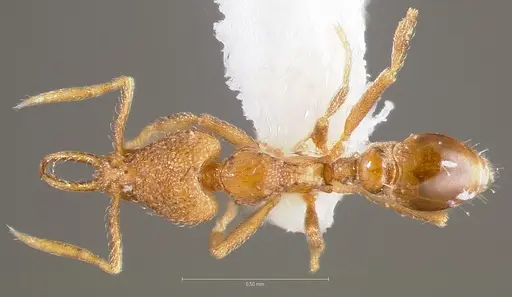
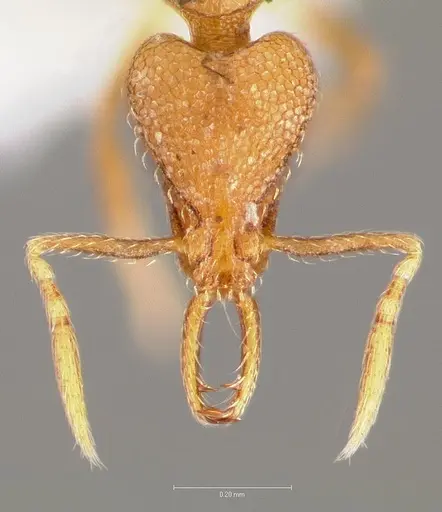
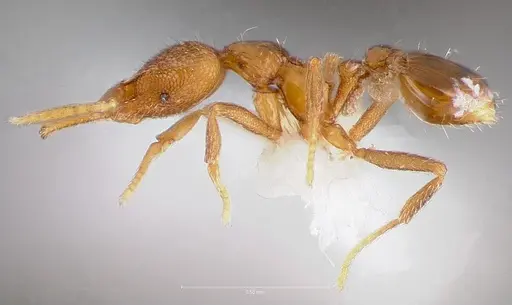
CASENT0005543
View on AntWeb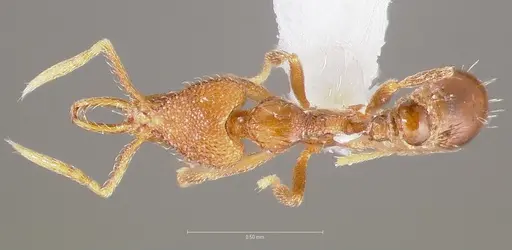
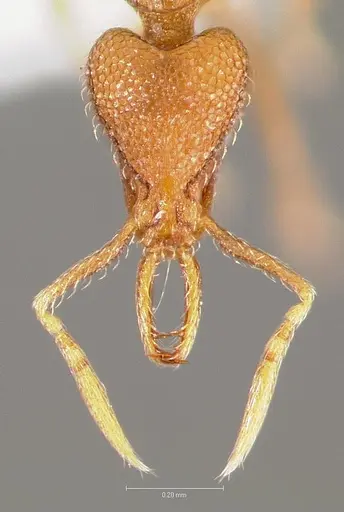
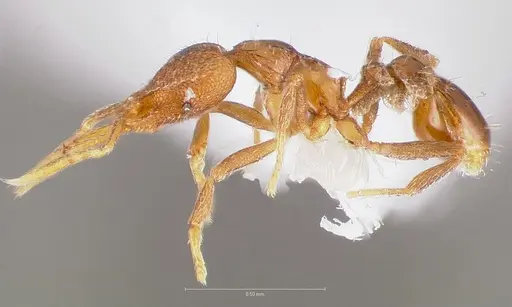
CASENT0005544
View on AntWeb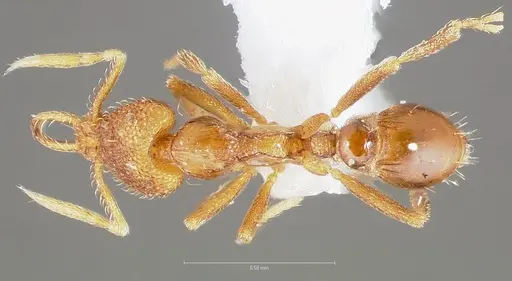
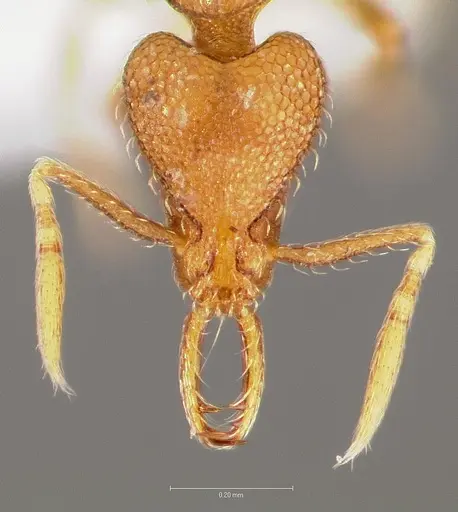
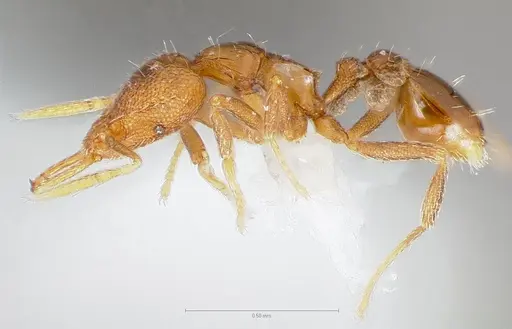
CASENT0005548
View on AntWeb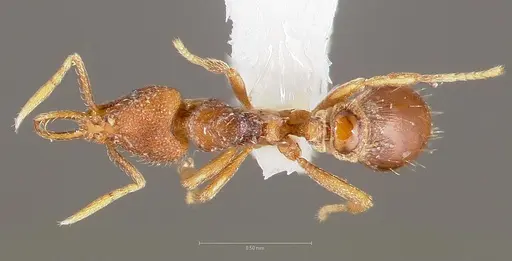
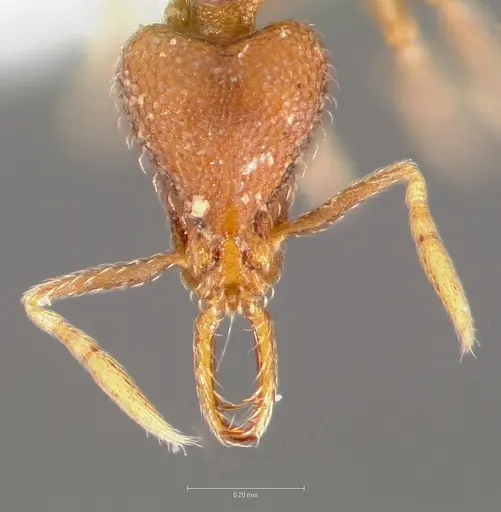
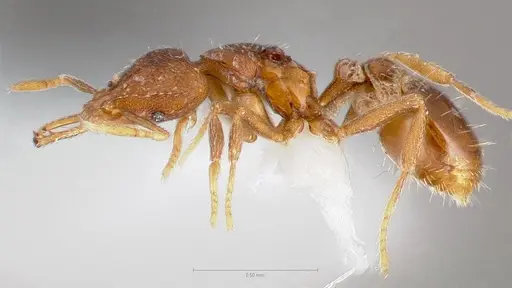
CASENT0900723
View on AntWeb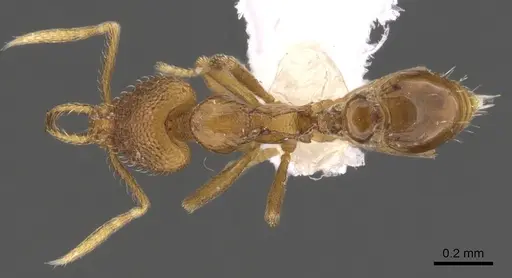
Literature
Loading...Loading products...