

Strumigenys fronto
- Scientific Name
- Strumigenys fronto
- Tribe
- Attini
- Subfamily
- Myrmicinae
- Author
- Fisher, 2000
- Distribution
- Found in 1 countries
Strumigenys fronto Overview
Strumigenys fronto is an ant species of the genus Strumigenys. It is primarily documented in 1 countries , including Madagascar. Detailed taxonomic data and occurrence records can be further explored via authoritative databases such as AntWeb or the Global Biodiversity Information Facility (GBIF).
Strumigenys fronto
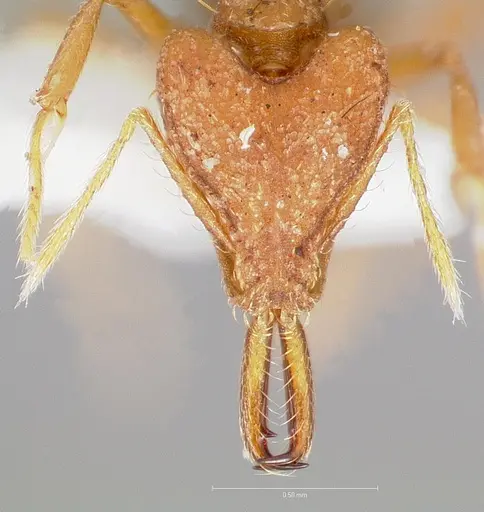
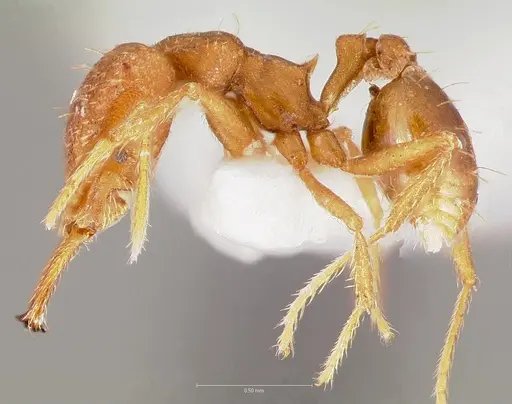
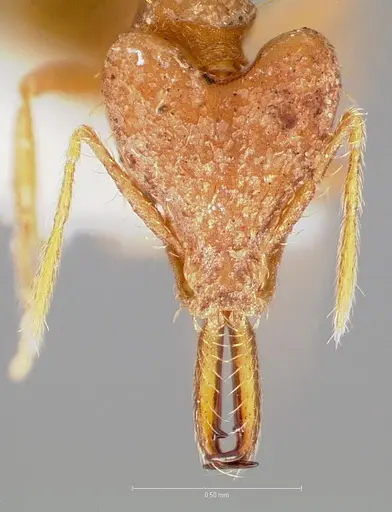
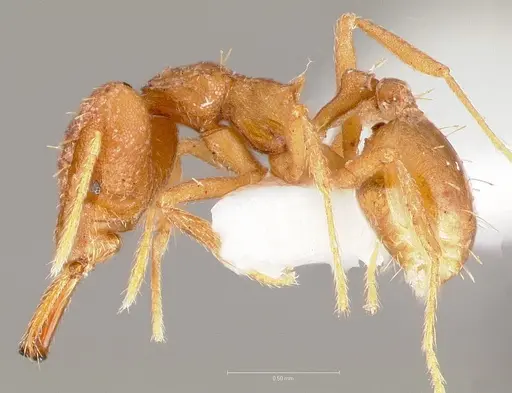
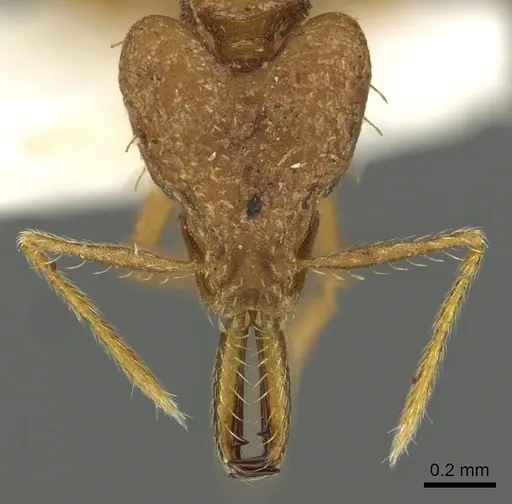
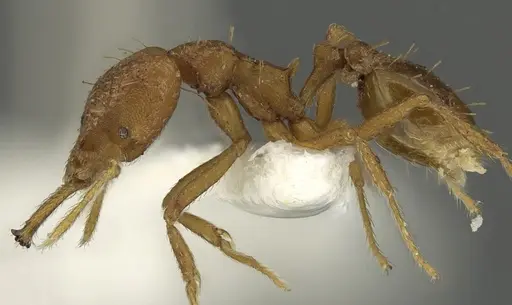
Strumigenys fronto is a tiny predatory ant species native to Madagascar, measuring just 3.3-3.7mm in total length. Workers have a distinctive appearance with brown coloration, long stiff hairs on the pronotal humerus, and uniquely only one preapical tooth on each mandible, a key identification feature within the carisa-complex of the Strumigenys arnoldi group. This species belongs to the tribe Attini (fungus-growing ants), though Strumigenys are specialized predators rather than fungus cultivators.
These ants inhabit dry forest environments in Madagascar, where they live in leaf litter and soil [1]. Like other Strumigenys species, they possess trap-jaw mandibles adapted for hunting small prey, primarily springtails and other micro-arthropods. Their small size and specialized predatory lifestyle make them fascinating but challenging to keep.
Quick Summary
- Difficulty: Hard
- Origin & Habitat: Madagascar, dry forest habitats in the Malagasy region. Found in forest litter and soil nests in dry deciduous forest areas [1].
- Colony Type: Likely single-queen colonies (monogyne) based on typical Strumigenys colony structure, though specific data for this species is limited.
- Colony: Monogyne
- Founding: Claustral
- Size & Growth:
- Queen: Undescribed, estimated 4-5mm based on worker size
- Worker: 3.3-3.7mm total length
- Colony: Likely small, under 500 workers based on typical Strumigenys colony sizes
- Growth: Slow
- Development: Estimated 8-12 weeks at optimal temperature based on related Strumigenys species (Development time is inferred from genus-level data as species-specific studies are unavailable)
- Antkeeping:
- Temperature: Keep at 24-28°C, being from tropical Madagascar, they need warm conditions
- Humidity: Moderate humidity around 60-75%. Keep substrate consistently moist but not waterlogged, mimicking damp forest floor conditions
- Diapause: No, being from tropical Madagascar, they do not require hibernation
- Nesting: Fine-textured substrate or test tube setups with access to hunting areas. They nest in leaf litter and soil in the wild, so a naturalistic setup with moist substrate works well
- Behavior: These ants are specialized predators with trap-jaw mandibles designed for catching small prey. They are not aggressive toward humans and cannot sting. Their tiny size means excellent escape prevention is essential, they can squeeze through remarkably small gaps. They are slow-moving but capable of rapid mandible strikes when hunting springtails. Workers forage individually through substrate.
- Common Issues: escape prevention is critical due to their tiny 3-3.5mm size, use fine mesh and tight-fitting lids, specialized diet requirements, they need live springtails or other micro-prey, which can be difficult to source consistently, slow colony growth means keepers may lose patience or overfeed attempting to speed development, small colony sizes mean populations remain fragile and vulnerable to stress, humidity balance is tricky, too dry causes desiccation, too wet promotes mold that can kill colonies
Housing and Nest Setup
Strumigenys fronto requires careful housing due to their tiny size. Test tubes work well for founding colonies, use a small water reservoir and cotton plug, ensuring no gaps larger than 1mm. For established colonies, a naturalistic setup with a shallow container filled with moistened fine substrate (like a mix of soil and peat) mimics their natural leaf-litter environment. The hunting area should be scaled to their size, shallow containers with small prey items are ideal. Cover all openings with fine mesh (at least 0.5mm or finer) as they can escape through remarkably small gaps. A small outworld for feeding connects to the nest area via a short tubing. [1]
Feeding and Diet
These ants are specialized predators that require live small prey. Their primary food source should be springtails (Collembola), this is their natural prey in the wild and what they are anatomically adapted to hunt with their trap-jaw mandibles. Other acceptable prey includes tiny isopods, booklice (psocids), and other micro-arthropods that are small enough for them to tackle. Offer prey items regularly, every 2-3 days for established colonies. Sugar sources are generally not accepted by Strumigenys as they are obligate predators. Do not attempt to feed them larger insects or standard ant foods, they cannot handle prey much larger than themselves. Some keepers report success with fruit flies as occasional prey.
Temperature and Humidity
Being from tropical Madagascar, Strumigenys fronto needs warm conditions. Maintain temperatures between 24-28°C (75-82°F). A small heating mat on one side of the setup can help achieve this, but always provide a temperature gradient so ants can self-regulate. Humidity should be moderate at 60-75%, use a moisture gradient in the substrate so some areas are damp while others are slightly drier. Mist occasionally but avoid standing water. The key is consistency, these ants do not tolerate rapid environmental changes well. Room temperature in heated homes often works if kept in the warm range.
Colony Founding
Queen founding behavior has not been directly documented for this species, but based on typical Strumigenys patterns, the queen likely seals herself in a small chamber (claustral founding). She will remain inside, living on stored fat reserves, until her first workers (nanitics) emerge. The founding chamber should be kept dark and undisturbed. After nanitics emerge, the colony will gradually expand as the queen continues laying eggs. Founding colonies are particularly vulnerable, avoid checking too frequently as vibrations and light can cause stress. Expect the first workers to appear several months after the queen is captured.
Behavior and Temperament
Strumigenys fronto workers are slow-moving foragers that hunt individually through substrate rather than forming large foraging trails. Their trap-jaw mandibles are their primary defense and hunting tool, they can snap shut rapidly when threatened or when capturing prey. These ants are completely harmless to humans, they cannot sting and their bite is negligible due to their tiny size. They are not aggressive and will flee from disturbance rather than attack. The main behavioral concern for keepers is their escape ability despite small size, they are surprisingly adept at finding and squeezing through tiny gaps. Colonies remain small even when established, typically with fewer than a few hundred workers.
Frequently Asked Questions
How long does it take for Strumigenys fronto to produce first workers?
Based on typical Strumigenys development, expect 8-12 weeks from egg to worker at optimal temperature (24-28°C). This is a slow process, founding colonies require patience as the queen raises her first brood alone without foraging.
What do Strumigenys fronto ants eat?
They are specialized predators that need live springtails or other tiny micro-arthropods. They will not accept sugar water, honey, or standard ant feeds. Their trap-jaw mandibles are designed for catching small prey, offer springtails, fruit flies, tiny isopods, or booklice regularly.
Can I keep Strumigenys fronto in a test tube?
Yes, test tubes work well for founding colonies. Use a small water reservoir with cotton plug, keep it moist but not flooded, and cover any openings with fine mesh. They can stay in test tubes until the colony reaches 20-30 workers, then consider a naturalistic setup with substrate.
Are Strumigenys fronto good for beginners?
No, this species is considered difficult to keep. Their specialized diet (live springtails), tiny size requiring excellent escape prevention, and specific temperature/humidity needs make them unsuitable for beginners. They are best suited for experienced antkeepers familiar with predatory micro-ant species.
How big do Strumigenys fronto colonies get?
Colony size remains small, likely under 500 workers even at maturity. This is typical for Strumigenys species, which maintain relatively modest colony sizes compared to many Myrmicinae. Expect slow growth over many months to reach maximum size.
Do Strumigenys fronto need hibernation?
No, being from tropical Madagascar, they do not require hibernation or winter cooling. Keep them at warm temperatures (24-28°C) year-round. They are active throughout the year in their native habitat.
Why are my Strumigenys fronto dying?
Common causes include: lack of live prey (they starve without springtails), too dry conditions (desiccation), excessive disturbance during founding, mold from over-wetting, or escapes due to inadequate barriers. Check that you are providing appropriate live prey and maintaining proper humidity levels.
When should I move my colony to a formicarium?
Move to a naturalistic setup with substrate once the colony reaches 20-30 workers. A shallow container with moist fine substrate (soil/peat mix) works well. They do better in naturalistic setups than in pure acrylic nests due to their hunting behavior.
Can I keep multiple Strumigenys fronto queens together?
Not recommended, combining unrelated queens has not been documented for this species and would likely result in aggression. Keep only one queen per colony. Multiple-queen colonies (polygyne) have not been observed in this species.
References

This caresheet is licensed under CC BY-SA 4.0 .
CASENT0005538
View on AntWeb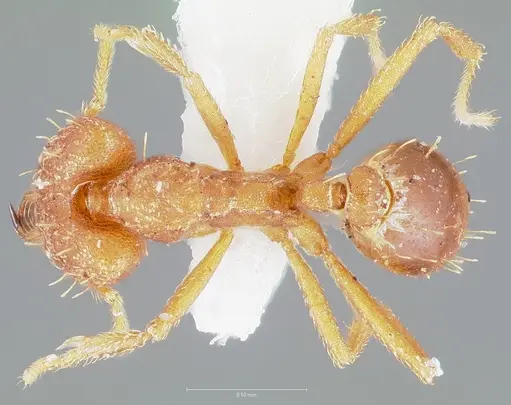
CASENT0005539
View on AntWeb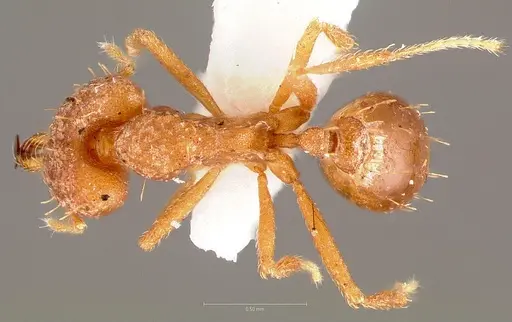
CASENT0005540
View on AntWeb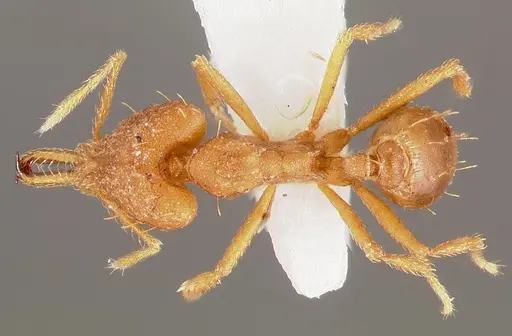
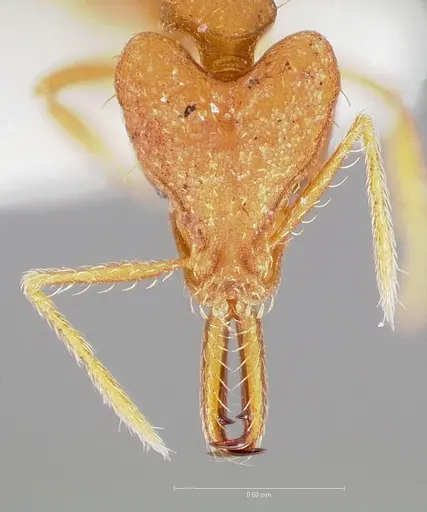
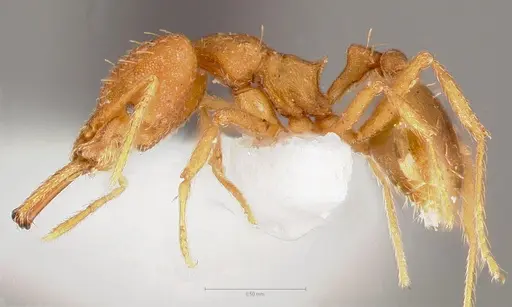
CASENT0005541
View on AntWeb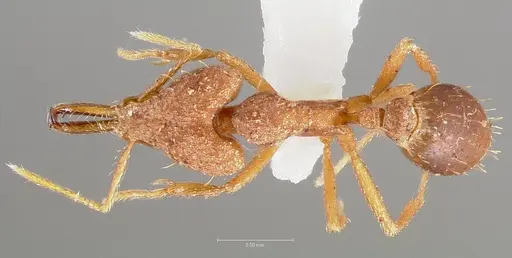
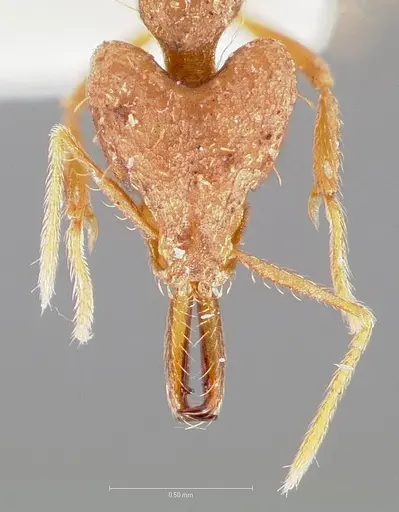
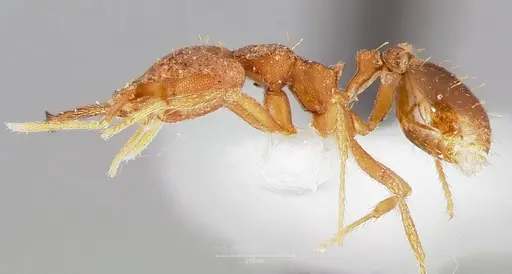
CASENT0900704
View on AntWeb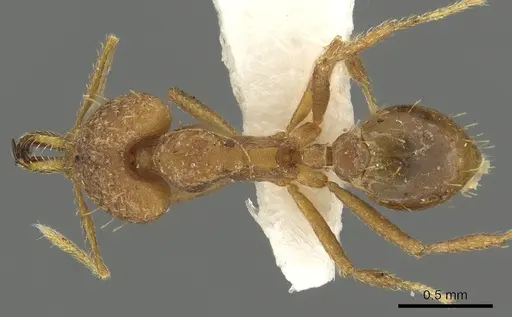
Literature
Loading...Loading products...