

Strumigenys feae
- Scientific Name
- Strumigenys feae
- Tribe
- Attini
- Subfamily
- Myrmicinae
- Author
- Emery, 1895
- Distribution
- Found in 6 countries
Strumigenys feae Overview
Strumigenys feae is an ant species of the genus Strumigenys. It is primarily documented in 6 countries , including China, Hong Kong, Cambodia. Detailed taxonomic data and occurrence records can be further explored via authoritative databases such as AntWeb or the Global Biodiversity Information Facility (GBIF).
Strumigenys feae
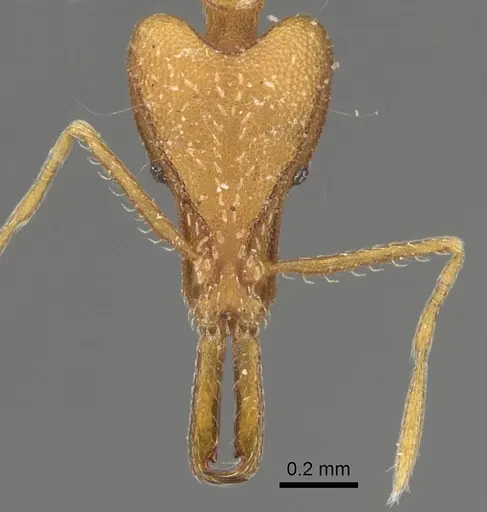
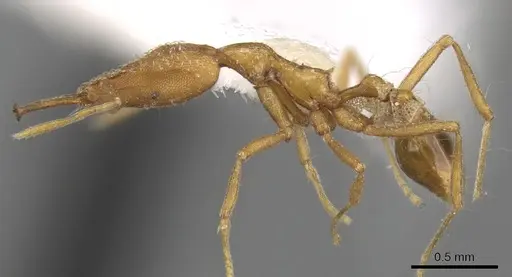
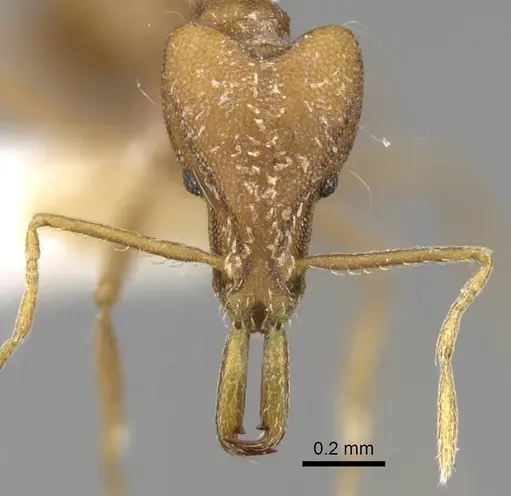
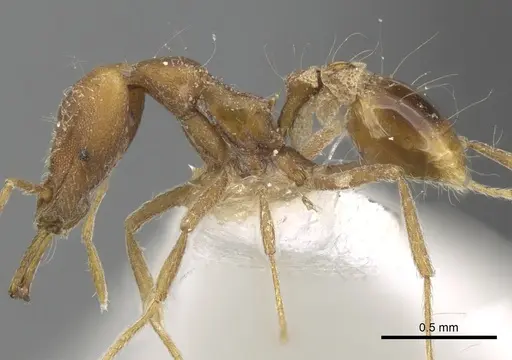
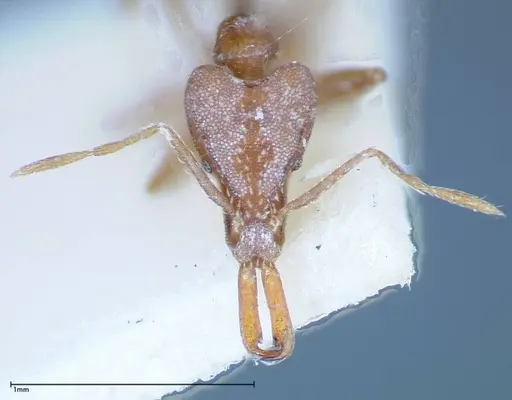
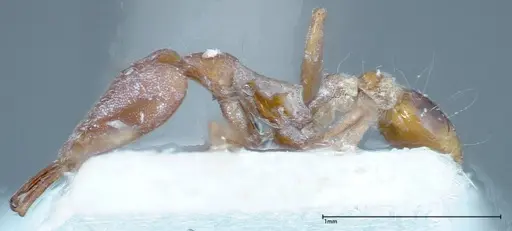
Strumigenys feae is a tiny predatory ant belonging to the Myrmicinae subfamily, specifically the tribe Attini. Workers measure just 2.6-3.5mm in total length, making them one of the smaller ant species you can keep [1]. They belong to the Strumigenys mayri group and are characterized by their distinctive sickle-like mandibles with a very small preapical tooth that is often reduced to almost a denticle [1]. The species was originally described from Myanmar in 1895,with what was once considered a separate species (Strumigenys feae from Taiwan) now recognized as the same species after research showed the morphological differences represent natural variation within a continuum [1].
These ants are specialized predators that hunt springtails and other tiny soil arthropods. They inhabit forests across Southeast Asia, from Taiwan and southern China through Myanmar, Thailand, Vietnam, and Cambodia, typically found at elevations between 140-525 meters [1]. In Hong Kong, they've been collected in tree plantations of Lophostemon confertus and secondary forests at elevations ranging from 138-457m [2]. They are considered relatively rare in the region, in Macao, only a single worker was collected in 2019 despite intensive sampling [3]. This species also serves as a host for the social parasite Strumigenys mutica [4].
Quick Summary
- Difficulty: Hard
- Origin & Habitat: Native to Southeast Asia including Taiwan, southern China (Guangxi, Hainan, Hong Kong, Macau, Yunnan), Myanmar, Thailand, Vietnam, Cambodia, and Japan (Satsunan Islands). Found in primary forest, secondary forest, mature forest, and rubber plantations at elevations of 140-525m [1][2].
- Colony Type: Colony structure is not well documented in scientific literature. Based on typical Strumigenys patterns, colonies are likely small with a single queen. The closely related S. formosensis was recorded as host for social parasite Strumigenys mutica, indicating colony structure supports parasitic invasion [4].
- Size & Growth:
- Queen: Not directly measured in recent studies, workers are 2.6-3.5mm TL [1]. Based on related species, queens are likely slightly larger than workers.
- Worker: 2.6-3.5mm total length, head width 0.52-0.60mm, mandible length 0.37-0.41mm [1]. Earlier measurements from Hong Kong specimens: TL 3.1-3.3mm [2].
- Colony: Likely small colonies, typical for Strumigenys genus. Based on collection data showing only single workers or small numbers per sample, colonies probably reach only dozens to perhaps low hundreds of workers [3].
- Growth: Unknown, no direct development data available. Based on related Strumigenys species, growth is likely moderate but slow due to specialized predatory lifestyle.
- Development: Unconfirmed, no direct development studies exist for this species. Based on typical Strumigenys patterns and tropical temperature ranges, estimate 6-10 weeks from egg to first worker at optimal temperature. (Development time is unconfirmed. Related Strumigenys species typically take 6-8 weeks at tropical temperatures, but this varies significantly by species.)
- Antkeeping:
- Temperature: Tropical species, aim for 24-28°C. They occur in warm subtropical to tropical forests across their range, so provide stable warmth [1]. Avoid temperatures below 20°C for extended periods.
- Humidity: High humidity required, these are forest floor ants from damp leaf litter environments. Keep substrate consistently moist but not waterlogged. Target 70-85% humidity in the nest area, with damp leaf litter or soil as the primary substrate.
- Diapause: Unconfirmed, being a tropical/subtropical species, they likely do not require true hibernation. However, they may experience reduced activity during cooler winter months in temperate captivity. No specific diapause studies exist for this species.
- Nesting: In nature they nest in leaf litter, under stones, and in rotting wood on the forest floor. In captivity, a naturalistic setup with damp soil/leaf litter mixture works well, or a plaster/acrylic nest with high humidity chambers. They prefer tight, humid spaces scaled to their tiny size.
- Behavior: These are specialized predatory ants with highly modified sickle-like mandibles designed for catching springtails and other tiny arthropods [1]. They are not aggressive toward larger threats and will typically flee rather than engage. Workers are small and slow-moving. Escape prevention is critical due to their tiny size, they can easily slip through standard mesh barriers. They are not stingers (Myrmicinae but Attini tribe members lack functional stingers). Colonies are likely quiet and unobtrusive, spending most of their time hunting in leaf litter layers.
- Common Issues: tiny size makes escape likely without fine mesh barriers, use tight-fitting lids and barriers rated for very small ants, specialized diet means they require live springtails or similar tiny prey, they cannot survive on standard ant foods, slow colony growth can lead to frustration and overfeeding, which causes mold and kills colonies, high humidity requirements can lead to mold problems if ventilation is inadequate, wild-caught colonies may have parasites that can devastate captive colonies, difficulty establishing colonies, being rare in the wild suggests they are sensitive to captive conditions
Housing and Nest Setup
Strumigenys feae requires a setup that recreates their natural leaf litter habitat. A naturalistic terrarium-style setup with a deep layer of damp soil mixed with leaf litter works best, this gives them space to hunt and forage as they would in the wild. The substrate should be kept consistently moist but never waterlogged. You can also use a Y-tong or plaster nest with very small chambers, but these tiny ants may have trouble navigating larger passages. If using an artificial nest, ensure the chambers are appropriately scaled to their 3mm body size. Regardless of setup, provide a constant source of moisture and avoid drying out the environment. A water reservoir or moist cotton in a test tube connected to the nest helps maintain humidity. Because of their tiny size, excellent escape prevention is essential, even standard mesh may be too coarse. Use tight-fitting lids and consider barrier methods like fluon on container edges. [2][3][1]
Feeding and Diet
This is the most challenging aspect of keeping Strumigenys feae. They are specialized predators that primarily hunt springtails (Collembola) and other tiny soil arthropods [1]. Their distinctive sickle-like mandibles are adapted for catching these small, fast-moving prey. In captivity, you must provide a constant supply of live springtails, this is non-negotiable. Springtail cultures are readily available from pet stores or online suppliers. Offer small quantities daily, removing any uneaten prey after 24 hours to prevent mold. Some keepers report success with other tiny live prey like fruit fly larvae, but springtails should form the bulk of their diet. Sugar sources are generally not accepted, these are obligate predators. Do not attempt to feed them standard ant foods like protein jelly or honey water, they will not eat it. The specialized diet and need for live prey makes this species unsuitable for beginners who want easy feeding routines.
Temperature and Humidity
As a tropical to subtropical species from Southeast Asia, Strumigenys feae requires warm, humid conditions. Maintain temperatures between 24-28°C for optimal activity and to support any brood development. They can tolerate brief periods slightly outside this range, but prolonged cold will weaken and potentially kill the colony. A small heating mat on one side of the enclosure can help maintain temperatures, but always provide a temperature gradient so ants can move to their preferred zone. Humidity is critical, aim for 70-85% relative humidity in the nest area. The substrate should feel damp to the touch. Mist the enclosure regularly but allow brief drying periods between mistings to prevent mold. Good ventilation is necessary to prevent stagnant air, but avoid excessive airflow that dries out the environment. These forest floor ants are adapted to stable, humid conditions, so avoid placing their enclosure near air conditioning or heating vents that cause fluctuations. [1][2]
Colony Establishment and Growth
Establishing a colony of Strumigenys feae can be challenging. If starting with a queen (claustral founding is assumed but unconfirmed), provide her with a small, humid chamber filled with damp soil. She should seal herself in and lay eggs without needing to forage. Once the first workers (nanitics) emerge, they will begin hunting for springtails. Growth is typically slow, colonies may take many months to reach even 20-30 workers. Be patient and resist the urge to overfeed, as excess prey decays and causes mold that can kill the colony. Only offer as many springtails as the colony can consume in a day or two. Colony size remains small even at maturity, based on collection data showing only single or few workers per sample, mature colonies likely number only in the dozens to perhaps low hundreds [3]. This is normal for the genus. Do not attempt to combine unrelated queens as this has not been studied and likely results in fighting.
Behavior and Temperament
Strumigenys feae workers are small, relatively slow-moving ants that spend most of their time hunting through leaf litter and substrate. They are not aggressive and will flee from threats rather than engage. Their mandibles are designed for hunting tiny prey, not defending against larger animals. When hunting, they use their sickle-like mandibles to quickly snap shut on springtails and similar small arthropods. Workers may be active during both day and night, though they likely reduce activity during cooler periods. Colonies are quiet and unobtrusive, you may not see dramatic activity levels compared to more common ant species. They do not sting (the Attini tribe lacks functional stingers) and pose no danger to keepers. The main behavioral concern is their tendency to escape due to their tiny size, even small gaps that other ants cannot pass through will allow these ants to escape. [1][4]
Frequently Asked Questions
Can I keep Strumigenys feae in a test tube setup?
A test tube setup can work for founding colonies, but these ants are so small that they may have difficulty navigating standard test tube setups as they grow. A naturalistic setup with damp leaf litter substrate is more appropriate for established colonies. If using test tubes, ensure the cotton is kept moist and the tube is protected from light, but be prepared to move them to a more spacious setup once the colony reaches 10-15 workers.
What do Strumigenys feae ants eat?
They are specialized predators that require live springtails as their primary food source. Their sickle-like mandibles are adapted for catching tiny arthropods like springtails. They will not accept standard ant foods, sugar water, or dead prey. You must maintain a live springtail culture to feed your colony. Some keepers report success offering tiny fruit fly larvae occasionally, but springtails should form the basis of their diet.
How long does it take for Strumigenys feae to produce first workers?
The exact development timeline is unconfirmed for this species. Based on related Strumigenys species and tropical temperatures, estimate 6-10 weeks from egg to first worker at optimal temperature (24-28°C). However, this is an inference rather than documented data. Be prepared for slow growth, these ants are not fast developers, and a newly founded colony may take many months before you see the first workers emerge.
Are Strumigenys feae good for beginners?
No. This species is not recommended for beginners. The primary challenges are their specialized diet requiring live springtails, their need for high humidity, their tiny size making escape likely, and their slow growth rate. They are also considered relatively rare in the antkeeping hobby. Beginners should start with more forgiving species like Lasius, Tetramorium, or Camponotus that accept varied foods and tolerate wider ranges of conditions.
How big do Strumigenys feae colonies get?
Based on collection data showing only single or few workers per sample in the wild, colonies likely remain small, probably in the range of dozens to low hundreds of workers at maturity [3]. This is typical for the Strumigenys genus. Do not expect large, bustling colonies. Their rarity in samples suggests they naturally occur in small, scattered colonies rather than large aggregations.
Do Strumigenys feae need hibernation?
Unconfirmed. As a tropical/subtropical species from Southeast Asia, they likely do not require true hibernation. However, they may experience reduced activity during cooler winter months in captivity. If you keep them at room temperature (around 20°C) during winter, they may become less active naturally. There is no documented need for a cold diapause period like temperate species require.
Why are my Strumigenys feae dying?
Common causes include: 1) Lack of live springtail prey, they will starve without their specialized diet, 2) Low humidity, they require damp conditions and will desiccate in dry environments, 3) Escape, their tiny size means they likely escaped if missing, 4) Mold from overfeeding or poor ventilation, 5) Temperature too low (below 20°C) or fluctuating wildly, 6) Parasites from wild-caught colonies. Review each of these factors and adjust husbandry accordingly.
Can I keep multiple Strumigenys feae queens together?
Not recommended and not documented. Combining unrelated queens has not been studied for this species. Based on typical ant behavior, introducing two unrelated queens to the same enclosure would likely result in fighting. If you obtain multiple founding queens, house them separately until you determine their status. In the wild, colony founding is likely claustral with a single queen establishing the nest alone.
When should I move Strumigenys feae to a formicarium?
Move them when the test tube or founding setup becomes too cramped or the colony shows signs of stress. For Strumigenys, this is typically when the colony reaches 15-20 workers. However, given their preference for naturalistic leaf litter habitats, many keepers keep them permanently in naturalistic setups rather than moving to artificial formicariums. A naturalistic terrarium with damp soil and leaf litter is often the best long-term housing.
References

This caresheet is licensed under CC BY-SA 4.0 .
CASENT0280747
View on AntWeb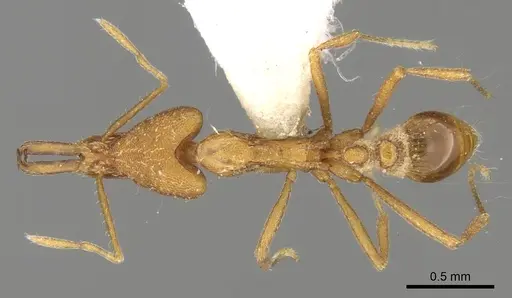
CASENT0280748
View on AntWeb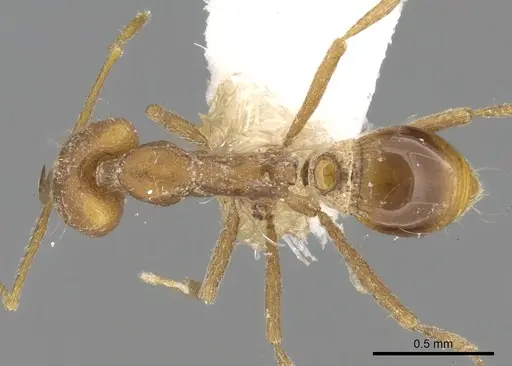
CASENT0904951
View on AntWeb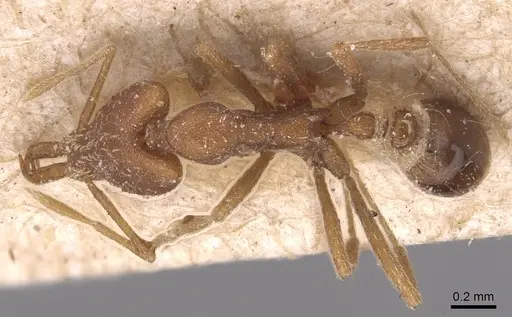
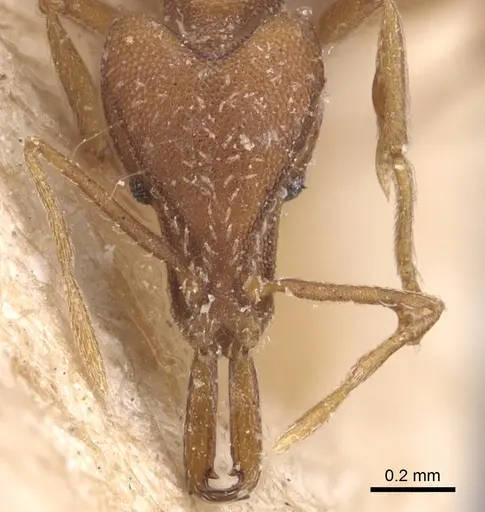
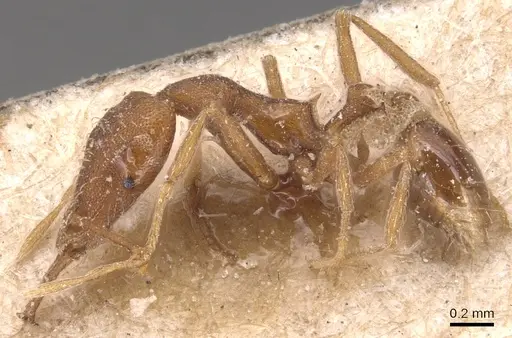
CASENT0909309
View on AntWeb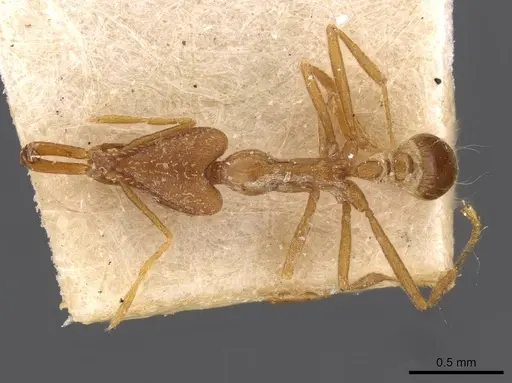
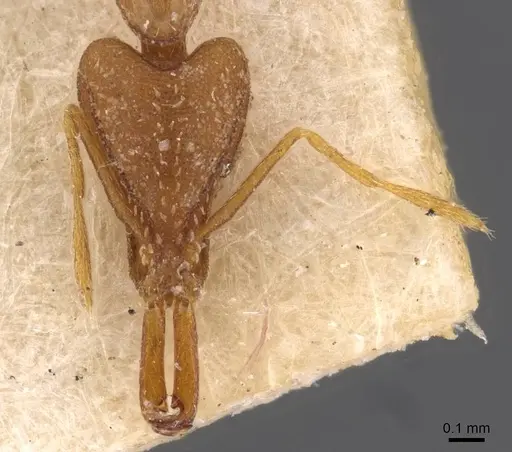
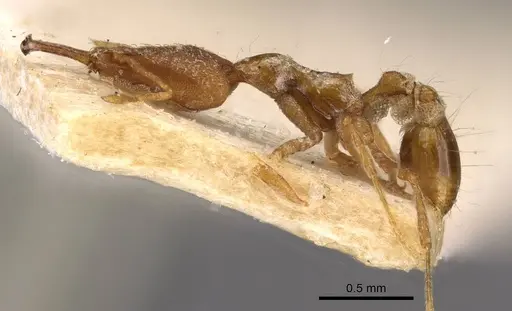
FOCOL0188
View on AntWeb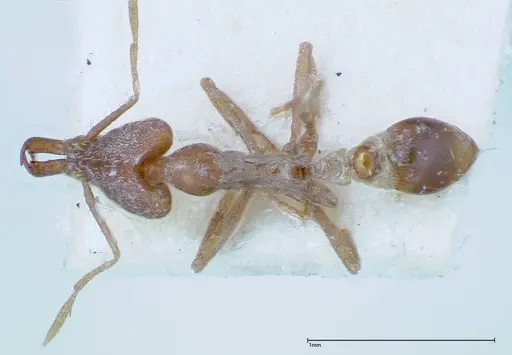
Literature
Loading...Loading products...