

Strumigenys mayri
- Scientific Name
- Strumigenys mayri
- Tribe
- Attini
- Subfamily
- Myrmicinae
- Author
- Emery, 1897
- Distribution
- Found in 3 countries
Strumigenys mayri Overview
Strumigenys mayri is an ant species of the genus Strumigenys. It is primarily documented in 3 countries , including Indonesia, Papua New Guinea, Palau. Detailed taxonomic data and occurrence records can be further explored via authoritative databases such as AntWeb or the Global Biodiversity Information Facility (GBIF).
Strumigenys mayri
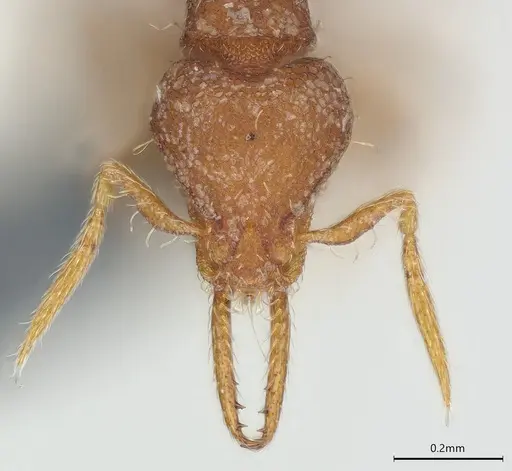
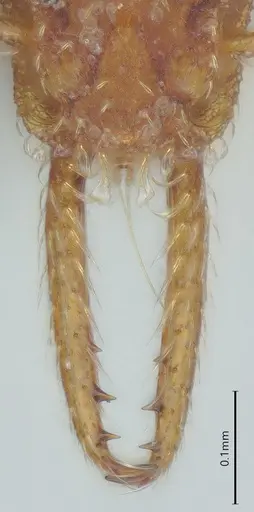
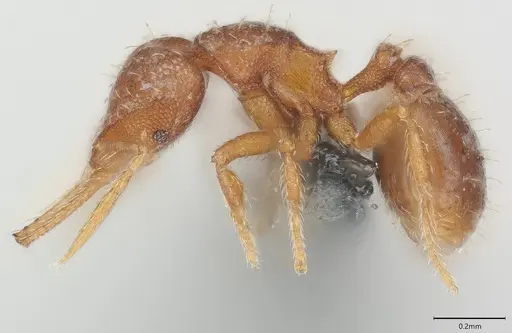
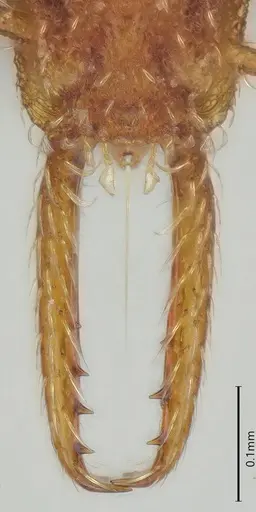
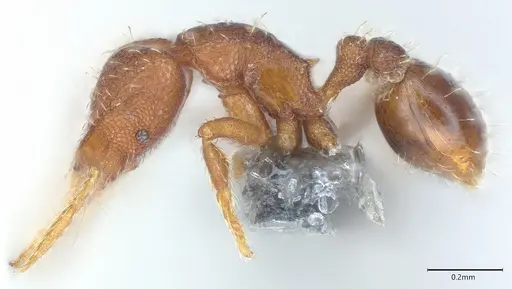
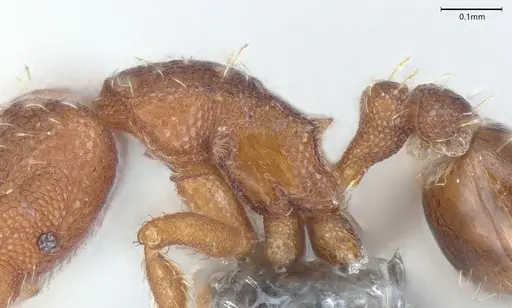
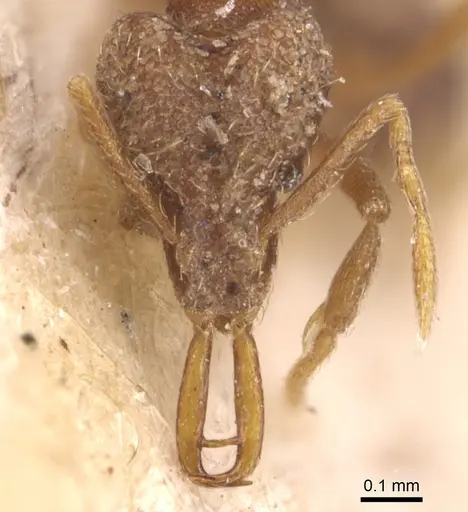
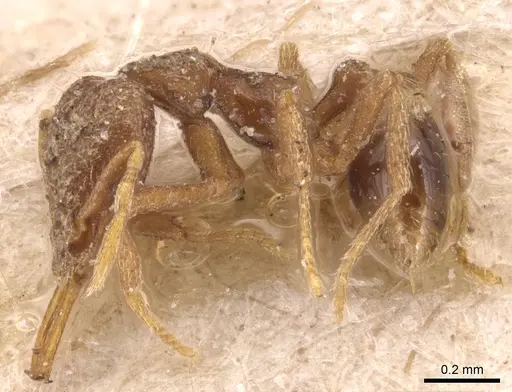
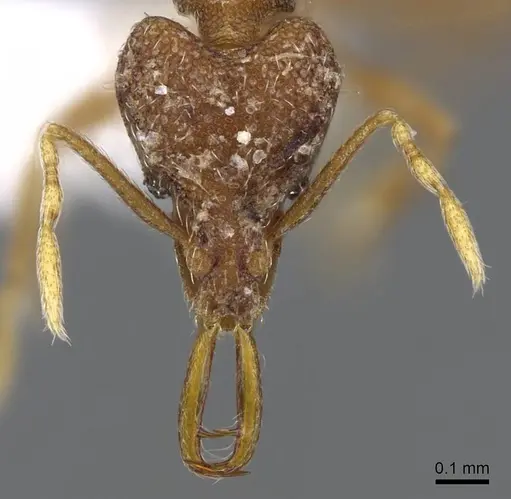
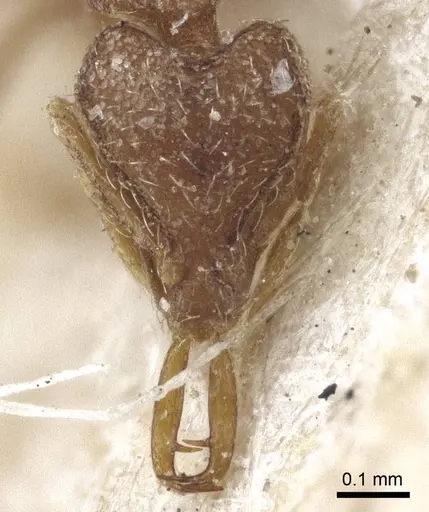
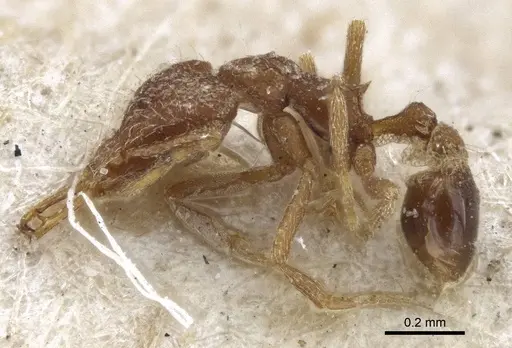
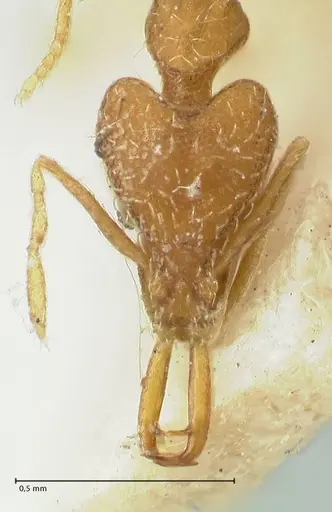
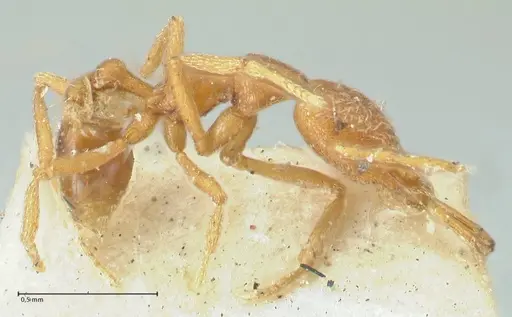
Strumigenys mayri is a tiny predatory ant native to the Australasian region, including New Guinea, northern Australia, and Micronesia. Workers measure just 1.7-2.5mm, making them one of the smaller ant species kept in captivity [1]. They belong to the dacetine ant group, known for their specialized trap-jaw mandibles used to capture small prey. The species shows considerable variation in size and coloration across its range, with highland populations from New Guinea being notably larger and darker than lowland samples [1]. The head and body are typically light to medium ferruginous (reddish-brown), though some highland populations appear concolorous dark reddish-brown. They have distinctive fine erect hairs on the head, mesonotum, and gaster that can vary from blunt-tipped to long and flagelliform depending on the population [1].
Quick Summary
- Difficulty: Medium
- Origin & Habitat: Native to New Guinea, northern Australia (Cape York Peninsula), and Micronesia. In their natural range, they inhabit rain forest leaf litter at low elevations, nest under moss-covered rocks in moist soil at middle altitudes (around 1300m), and are found in forest litter at high elevations (2000m+) [1]. They prefer damp, shaded forest environments and are rarely found in disturbed areas.
- Colony Type: Likely monogyne (single queen colony) based on typical genus patterns. Colony size is small to moderate, likely reaching only a few hundred workers at most.
- Colony: Monogyne
- Founding: Claustral
- Size & Growth:
- Queen: Approximately 2.1-2.5mm based on worker size and typical genus proportions [1]
- Worker: 1.7-2.5mm depending on population, highland samples are largest [1]
- Colony: Likely a few hundred workers at most, based on typical Strumigenys colony sizes [1]
- Growth: Slow, dacetine ants develop slowly compared to many Myrmicinae
- Development: Estimated 8-12 weeks at optimal temperature, based on typical dacetine development patterns (Development is likely slow, these are small ants with specialized feeding requirements)
- Antkeeping:
- Temperature: Keep at 24-26°C. They tolerate a range from 22-28°C but prefer stable warmth. Avoid temperatures below 20°C or above 30°C.
- Humidity: High humidity is essential, aim for 70-85%. These ants come from damp forest floor environments and will desiccate in dry conditions. Keep the nest substrate consistently moist but not waterlogged.
- Diapause: Likely no true diapause, being tropical/subtropical, they probably slow down slightly in cooler months but do not require hibernation. Maintain stable temperatures year-round.
- Nesting: Provide a moist nest environment. Test tubes with water reservoirs work well, or a plaster/acrylic nest kept humid. They prefer tight chambers scaled to their tiny size. Avoid dry, airy setups.
- Behavior: These are gentle, non-aggressive ants that rely on their trap-jaw mandibles to capture tiny prey. They are slow-moving and docile, making them fascinating to observe. Workers forage individually through leaf litter and soil, hunting for small invertebrates. Their tiny size means escape prevention is critical, they can squeeze through remarkably small gaps. They are not defensive and pose no sting risk to keepers.
- Common Issues: tiny size means escapes are likely without fine mesh barriers, desiccation is a major risk, they need high humidity at all times, slow growth can frustrate beginners who overfeed or disturb the colony, they require live tiny prey, sugar sources alone will not sustain them, wild-caught colonies may have parasites that kill them in captivity
Housing and Nest Setup
Strumigenys mayri requires a humid nest setup due to their small size and forest floor origins. Test tubes with water reservoirs work well for founding colonies and small established colonies, the moisture wicks through the cotton and keeps the environment humid. For larger colonies, a plaster nest or acrylic formicarium with a water chamber maintains humidity levels. The chambers should be small and tight-fitting, these tiny ants feel secure in compact spaces. Avoid setups with large open areas that can cause them to disperse or escape. A small outworld for foraging works fine, but keep it simple. Cover any ventilation holes with fine mesh, these ants can squeeze through gaps as small as 0.5mm. Keep the nest area dark or covered, as they prefer dim conditions similar to their leaf litter habitat [1].
Feeding and Diet
As predatory dacetine ants, Strumigenys mayri requires live small prey, they do not accept sugar water or honey like many ant species. Their specialized trap-jaw mandibles are designed to capture tiny invertebrates. Offer small live prey such as springtails, booklice (psocids), tiny fruit fly larvae, and other micro-arthropods. Feed small prey items 2-3 times per week for established colonies, and more frequently for growing colonies with brood. Foundress queens will need occasional small prey items once they have workers to help with hunting. Remove uneaten prey after 24-48 hours to prevent mold. Do not attempt to feed them larger insects or standard ant feeders, their tiny size limits what they can tackle. Some keepers report success with diluted honey or sugar water being occasionally accepted, but live prey should form the core of their diet.
Temperature and Humidity
Maintain temperatures between 24-26°C for optimal colony health and development. They can tolerate a broader range of 22-28°C but avoid temperature fluctuations. Dacetine ants are sensitive to cold and will become sluggish below 22°C. Use a heating cable or mat on one side of the nest if your room temperature is below 24°C, but always provide a temperature gradient so ants can move to cooler areas if needed. Place heating on top of the nest, not underneath, to avoid evaporating moisture too quickly. Humidity is critical, keep the nest at 70-85% relative humidity. The substrate should feel consistently damp but not have standing water. Mist the outworld occasionally but avoid directly misting the nest as this can flood small test tube setups. A water tube in the outworld provides drinking water and helps maintain humidity through evaporation.
Behavior and Observation
Strumigenys mayri is a docile, fascinating species to observe. Workers move slowly and methodically through their environment, using their specialized mandibles to capture prey. They are not aggressive toward keepers and pose no sting risk, their primary defense is fleeing. Colonies are quiet and tend to stay clustered in their nest, with foragers emerging to hunt in the outworld. You may observe them hunting springtails or other tiny prey, the trap-jaw mechanism is quick and impressive to watch. They are not prolific breeders, so colony growth is slow. Males are occasionally produced in established colonies. Their small size and slow movement make them excellent for observation, but their escape abilities should not be underestimated, always use fine mesh barriers.
Colony Founding
Newly mated queens likely establish colonies in small chambers in soil or rotting wood, sealing themselves inside during claustral founding. The queen raises her first nanitic workers entirely on stored fat reserves, then begins hunting to feed subsequent brood. This process takes several months, so patience is essential. Foundress queens are best kept in a simple test tube setup with a small dirt chamber or just the test tube itself. Provide a tiny drop of water but no food until the first workers emerge. Once workers are present (typically 4-8 weeks depending on temperature), you can begin offering tiny live prey. Do not disturb the queen during founding, stress can cause her to abandon or eat her brood. Colony founding is slow, and many beginners lose first-year colonies to overhandling or improper humidity.
Frequently Asked Questions
Can I keep Strumigenys mayri in a test tube?
Yes, test tubes work well for this species, especially for founding colonies and small established colonies. Keep the water reservoir filled and ensure the cotton is snug but allows some moisture through. Cover the opening with fine mesh, these tiny ants can escape through remarkably small gaps.
How long until first workers with Strumigenys mayri?
Expect 6-10 weeks from founding to first workers at optimal temperature (24-26°C). Development is slow compared to many common ant species. The first workers (nanitics) will be smaller than mature workers and may take additional weeks to reach full size.
What do Strumigenys mayri eat?
They require live tiny prey, springtails, booklice, fruit fly larvae, and other micro-arthropods are ideal. They are predators and do not primarily eat sugar sources. Feed small prey 2-3 times per week. Some keepers report occasional acceptance of diluted honey, but do not rely on it.
Are Strumigenys mayri good for beginners?
They are considered intermediate difficulty. While docile and fascinating, their small size, high humidity requirements, and need for live prey make them more challenging than species like Lasius or Camponotus. They require more specialized care and patience.
How big do Strumigenys mayri colonies get?
Colony size remains small, likely a few hundred workers at maximum. They are not prolific breeders like some Myrmicinae. Growth is slow, and colonies may take 1-2 years to reach 50 workers and several more to reach maximum size.
Do Strumigenys mayri need hibernation?
No, they do not require hibernation. Being tropical/subtropical in origin, they prefer stable warm temperatures year-round. You may notice slightly reduced activity in cooler months, but maintain temperatures of 24-26°C for best colony health.
Why are my Strumigenys mayri dying?
The most common causes are desiccation (too dry), escape through small gaps, starvation (not enough live prey), or stress from overhandling. Check that humidity is high, all openings are sealed with fine mesh, and they are receiving appropriate tiny live prey regularly.
When should I move Strumigenys mayri to a formicarium?
You can keep them in test tubes indefinitely for small colonies. Move to a larger setup (plaster nest or acrylic formicarium) only when the colony reaches 50+ workers and the test tube becomes crowded. They prefer tight spaces, so do not upgrade too soon.
Can I keep multiple queens together?
Combining unrelated queens is not recommended and has not been documented for this species. If you obtain a multi-queen colony from the wild, they may coexist peacefully, but single-queen setups are safer and more natural for this species.
References

This caresheet is licensed under CC BY-SA 4.0 .
CASENT0374684
View on AntWeb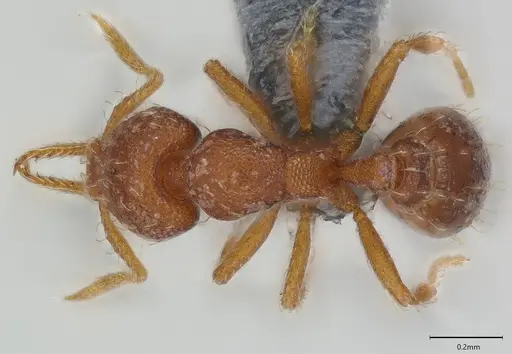
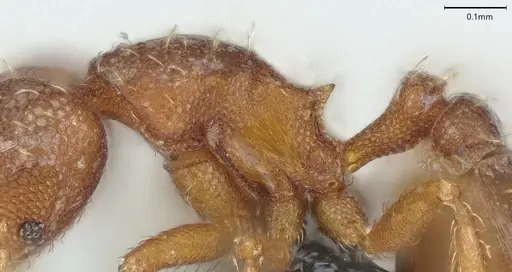
CASENT0374950
View on AntWeb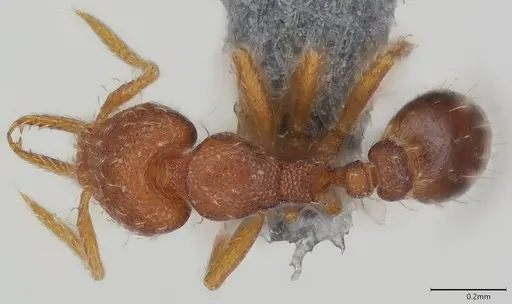
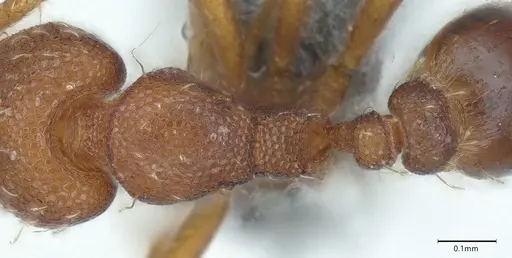
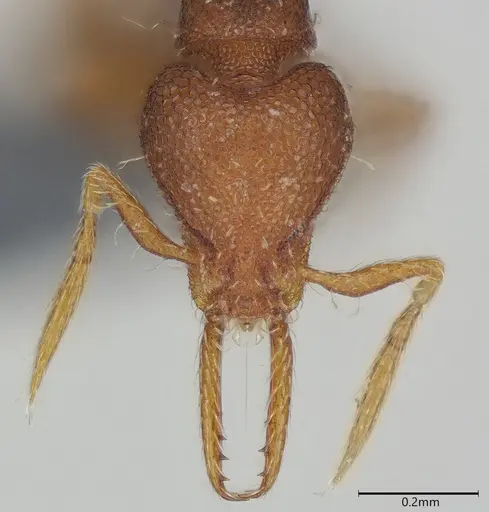
CASENT0904945
View on AntWeb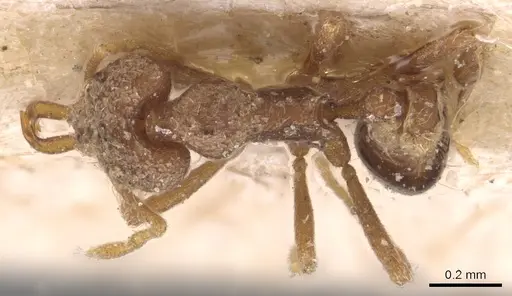
CASENT0914846
View on AntWeb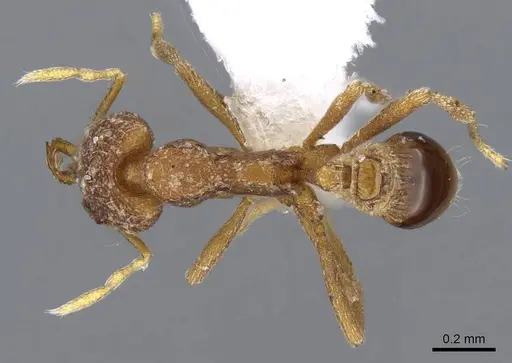
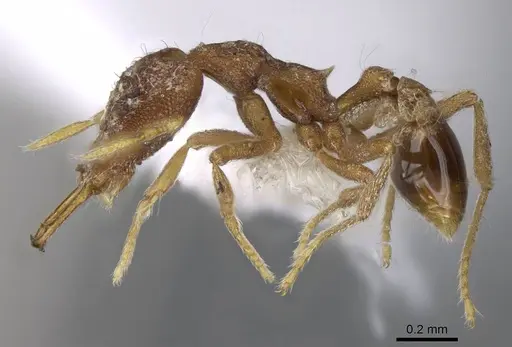
CASENT0916688
View on AntWeb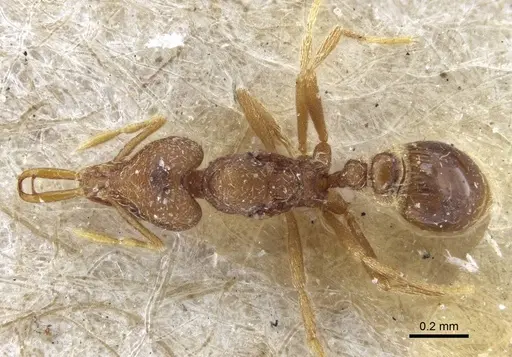
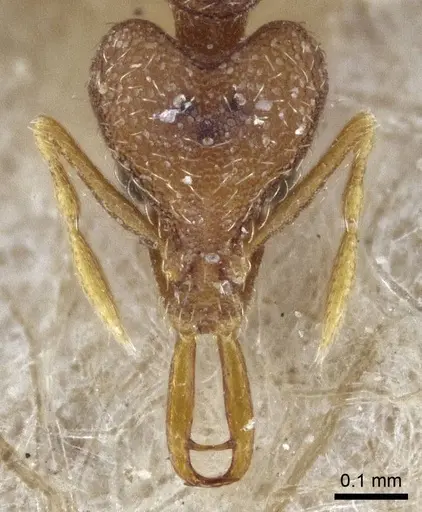
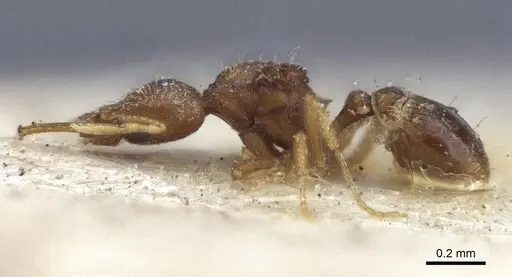
CASENT0916689
View on AntWeb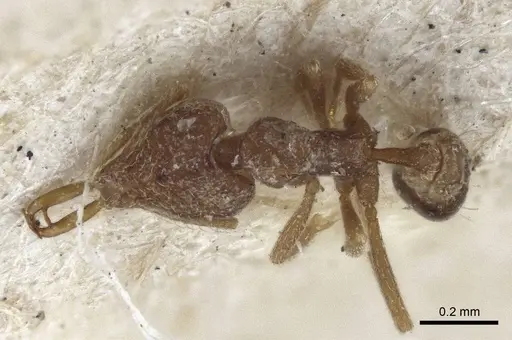
FOCOL2157
View on AntWeb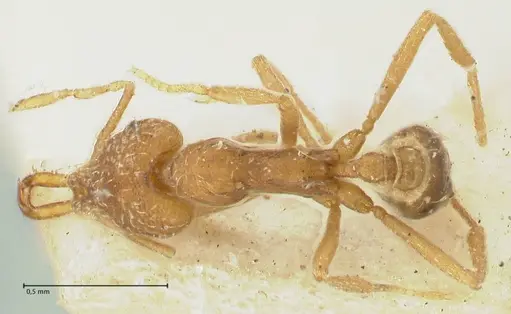
Literature
Loading...Loading products...