

Strumigenys dora
- Scientific Name
- Strumigenys dora
- Tribe
- Attini
- Subfamily
- Myrmicinae
- Author
- Fisher, 2000
- Distribution
- Found in 1 countries
Strumigenys dora Overview
Strumigenys dora is an ant species of the genus Strumigenys. It is primarily documented in 1 countries , including Madagascar. Detailed taxonomic data and occurrence records can be further explored via authoritative databases such as AntWeb or the Global Biodiversity Information Facility (GBIF).
Strumigenys dora
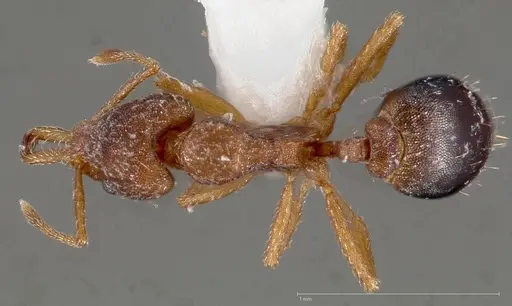
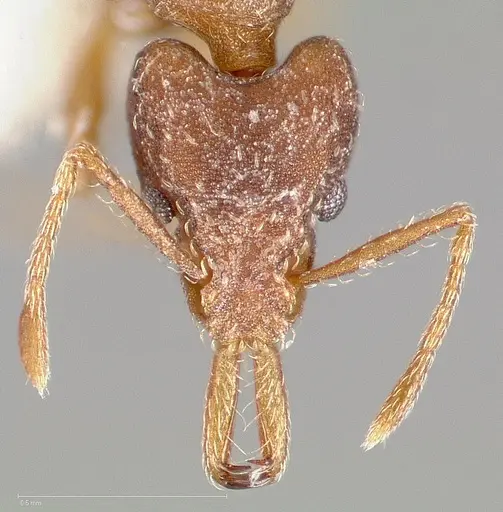
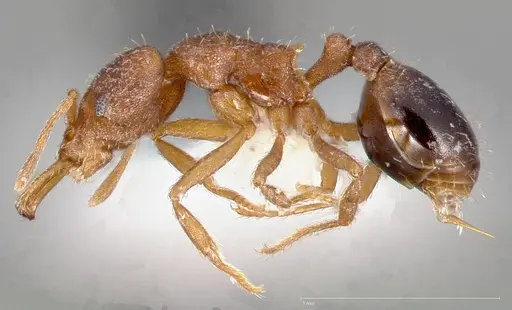
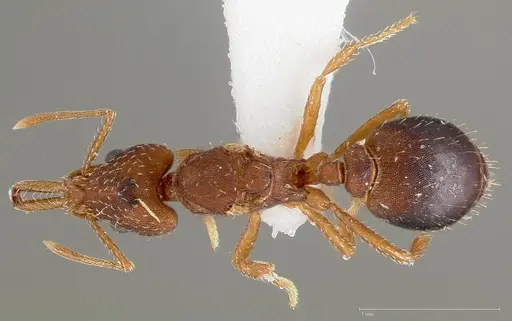
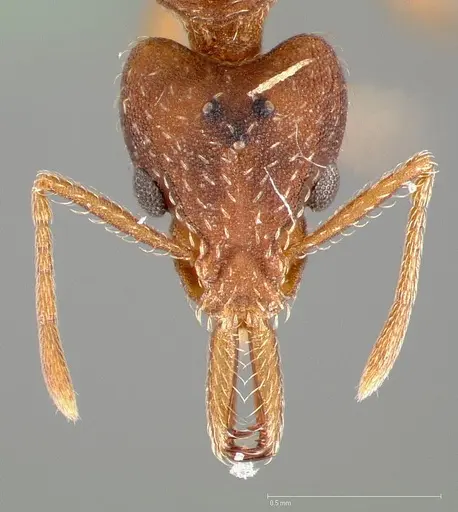
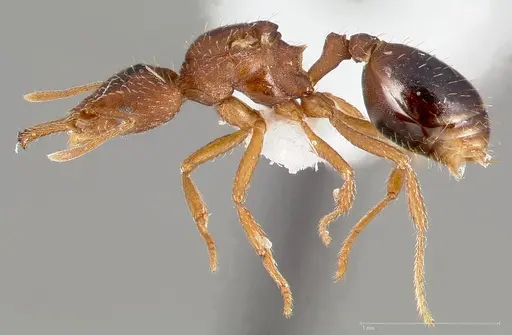
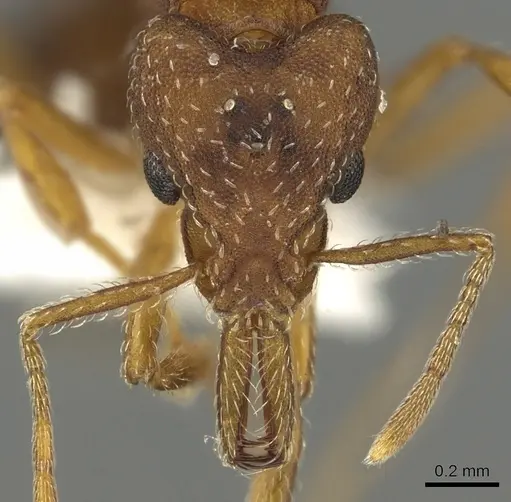
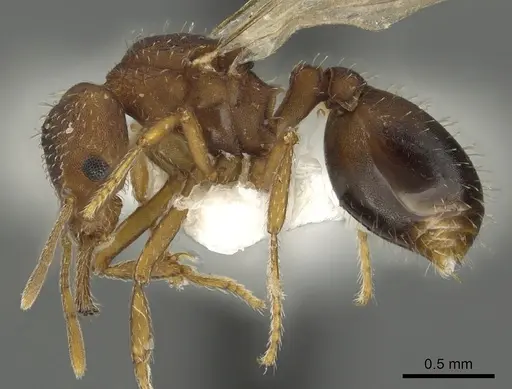
Strumigenys dora is a tiny predatory ant from Madagascar, measuring just 3.2mm in total length [1]. Workers have a distinctive chocolate-brown coloration with specialized trap-jaw mandibles featuring a 2-dentate apical fork. The species belongs to the Strumigenys grandidieri group and can be identified by the dense punctures covering the anterior half of the first gastral tergite and sternite, along with at least three pairs of standing hairs on the petiole dorsum [1]. This ant was described by Fisher in 2000 and is known only from litter samples collected in savanna and tropical dry forest habitats in southern Madagascar [1].
These ants are specialized predators, as is typical of the Strumigenys genus, with their highly specialized mandibles adapted for capturing small prey. The genus is known for their cryptobiotic lifestyle, living deep within leaf litter and soil where they hunt springtails and other tiny arthropods.
Quick Summary
- Difficulty: Medium
- Origin & Habitat: Endemic to southern Madagascar, specifically the Betroka region. Found in savanna and tropical dry forest habitats, living in leaf litter and soil [1]. The few known records come from litter samples at elevations around 825m.
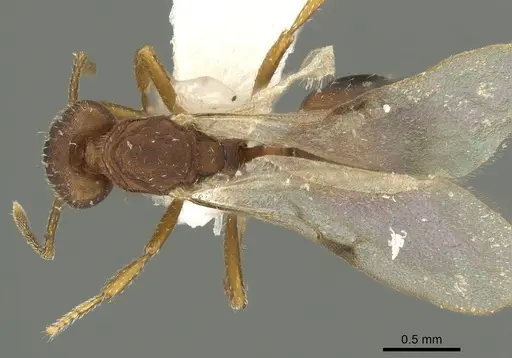
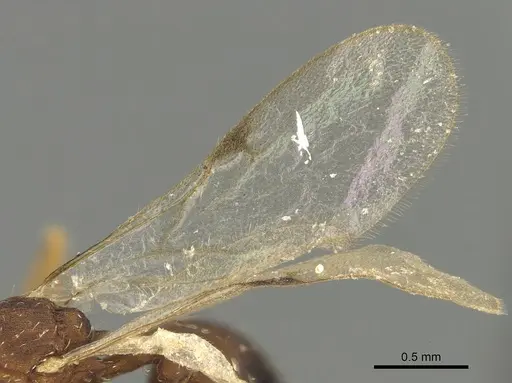
- Colony Type: Colony structure is unconfirmed. Based on the paratype series containing both alate and dealate queens, the species appears to have winged reproductive females. No data on whether colonies are single-queen or multi-queen.
- Size & Growth:
- Queen: Undescribed in detail, paratype queens exist in museum collections [1]. Estimated similar to workers at 3-4mm based on genus patterns.
- Worker: 3.2mm total length, HL 0.73mm, HW 0.57mm [1]
- Colony: Unknown, no colony size data available. Based on related species, likely under 500 workers.
- Growth: Likely slow, Strumigenys species are typically slow-growing due to their specialized predatory diet and small colony sizes.
- Development: Estimated 8-12 weeks based on typical dacetine ant development patterns. (Development time is estimated as no specific data exists for this species. Temperature-dependent as with most ants.)
- Antkeeping:
- Temperature: Keep around 24-28°C, Madagascar is tropical and these ants inhabit warm, dry savanna and forest habitats.
- Humidity: Low to moderate, they inhabit dry savanna and tropical dry forest [1]. Keep substrate moderately dry with some moisture available.
- Diapause: Likely minimal or none, being from tropical Madagascar, they probably do not require true hibernation. May reduce activity during cooler months.
- Nesting: Natural nesting occurs in leaf litter and soil. In captivity, a naturalistic setup with moist but not wet substrate works well. Y-tong or plaster nests with small chambers scaled to their tiny size are suitable.
- Behavior: Strumigenys dora is a specialized predator using its trap-jaw mandibles to capture small prey, primarily springtails and other micro-arthropods. Workers are likely solitary foragers, hunting individually through leaf litter. They are cryptobiotic, spending much of their time hidden in substrate rather than openly foraging. Due to their tiny size, escape prevention is critical, they can squeeze through very small gaps. They are not aggressive toward humans and pose no stinging threat.
- Common Issues: tiny size means escapes are likely without fine mesh barriers, slow growth can frustrate keepers expecting rapid colony development, specialized diet requires live small prey, they may not accept prepared foods, limited availability, this is a rarely collected species with few records, wild-caught colonies may have parasites or stress-related issues from collection
Housing and Nest Setup
Strumigenys dora is a tiny ground-dwelling ant that naturally lives in leaf litter and soil in Madagascar's dry forests. For captivity, a naturalistic setup works best, use a shallow container with a substrate layer of mixed soil and sand that stays moderately moist but never waterlogged. The substrate should allow them to create small chambers and foraging passages. Alternatively, a Y-tong (AAC) nest with very small chambers can work, though these ants prefer to forage in the outworld rather than travel through long tubes. Because of their tiny size, use fine mesh on any ventilation holes and ensure all connections are tight, they can escape through gaps smaller than 1mm. A small outworld with natural decor (leaves, twigs, small stones) gives them hunting opportunities. [1]
Feeding and Diet
Strumigenys ants are specialized predators, and S. dora is no exception. In the wild, they hunt springtails (Collembola) and other tiny soil-dwelling arthropods using their specialized trap-jaw mandibles. In captivity, their primary food should be live springtails, these are ideal prey size and nutritional value. You can also offer other micro-arthropods like booklice (psocids), tiny mites, and fruit fly larvae. They are unlikely to accept sugar water or honey as they are obligate predators. Feed every 2-3 days, offering only what they can consume in a day. Remove any uneaten prey to prevent mold. A well-established culture of springtails is essential before acquiring this species. [1]
Temperature and Care
Being from tropical Madagascar, Strumigenys dora prefers warm conditions. Keep the nest area at 24-28°C (75-82°F). A heating cable on one side of the nest can create a gentle gradient, allowing the ants to choose their preferred temperature. Avoid temperatures below 20°C as this may slow their metabolism and prevent proper brood development. Room temperature in a heated home is often suitable. They inhabit dry savanna and tropical dry forest, so they prefer lower humidity than many ants, aim for 50-70% humidity in the nest area. Ensure good ventilation to prevent mold, which is a bigger threat than drying out. [1]
Behavior and Temperament
These ants are cryptic and spend much of their time hidden in substrate, making them less visually interesting than some species. Workers forage individually, hunting by wandering through leaf litter and soil. Their trap-jaw mandibles are specialized for snapping shut on prey, you may observe this quick snapping behavior when they detect movement. They are not defensive and pose no threat to keepers. The main challenge is their small size: they are expert escape artists, so invest in fine mesh barriers and check all connections regularly. Colonies grow slowly, so patience is essential. Workers live several months, and a mature colony may have dozens to a few hundred workers. [1]
Acquisition and Legal Considerations
Strumigenys dora is endemic to Madagascar and is rarely collected or available in the antkeeping hobby. Most specimens exist in museum collections from a handful of litter samples. If available, they typically come from specialized ant dealers who source from conservation-compliant collections. Never collect or transport this species from the wild, it is protected under Madagascar's export regulations. When purchasing, ensure your dealer has proper permits. As with all exotic ants, never release specimens into non-native environments. In North America or Europe, release would be ecologically irresponsible and likely illegal. [1]
Frequently Asked Questions
How long does it take for Strumigenys dora to produce first workers?
The exact timeline is unknown, but based on typical dacetine ant development, expect 8-12 weeks from egg to first worker at optimal temperature (24-28°C). Strumigenys species are slow growers compared to many common ants, so patience is essential.
Can I keep Strumigenys dora in a test tube setup?
A test tube can work for a founding queen, but these ants prefer a naturalistic setup where they can hunt in the outworld. If using test tubes, ensure the cotton is packed tightly, they are tiny and can push past standard barriers. Move to a formicarium once the colony reaches 10-15 workers.
What do Strumigenys dora eat?
They are specialized predators that need live small prey. Springtails are the ideal food, establish a springtail culture before getting these ants. They may also accept tiny fruit fly larvae, booklice, and other micro-arthropods. They will not accept sugar water or honey.
Are Strumigenys dora ants good for beginners?
No, this is a medium-difficulty species best suited for keepers with some experience. Their specialized diet, tiny size (escape risk), slow growth, and specific temperature/humidity needs make them challenging for beginners. Start with easier species like Lasius or Camponotus first.
How big do Strumigenys dora colonies get?
Colony size is unknown for this specific species, but based on related Strumigenys species, colonies likely reach a few hundred workers at most. They are not large colony formers.
Do Strumigenys dora need hibernation?
Probably not. Being from tropical Madagascar, they likely do not require a true diapause. They may reduce activity during cooler months, but a full hibernation period is not necessary or recommended.
Why are my Strumigenys dora dying?
Common causes include: escape (check all barriers), starvation (ensure live springtails are available), mold from overwatering, temperatures below 20°C, or stress from wild collection. These ants are sensitive and require stable conditions. Also check for parasitic mites that can affect wild-caught colonies.
When should I move Strumigenys dora to a formicarium?
Move them once the colony reaches 10-20 workers and the test tube setup shows signs of mold or drying. A naturalistic setup with a substrate layer works well for this species. They prefer to forage in the outworld rather than through tubes.
Can I keep multiple queens together?
This has not been documented for this species. Based on typical Strumigenys behavior, single-queen colonies are most likely. Combining unrelated queens is not recommended without evidence they will tolerate each other.
References

This caresheet is licensed under CC BY-SA 4.0 .
Literature
Loading...Loading products...