

Strumigenys covina
- Scientific Name
- Strumigenys covina
- Tribe
- Attini
- Subfamily
- Myrmicinae
- Author
- Fisher, 2000
- Distribution
- Found in 1 countries
Strumigenys covina Overview
Strumigenys covina is an ant species of the genus Strumigenys. It is primarily documented in 1 countries , including Madagascar. Detailed taxonomic data and occurrence records can be further explored via authoritative databases such as AntWeb or the Global Biodiversity Information Facility (GBIF).
Strumigenys covina
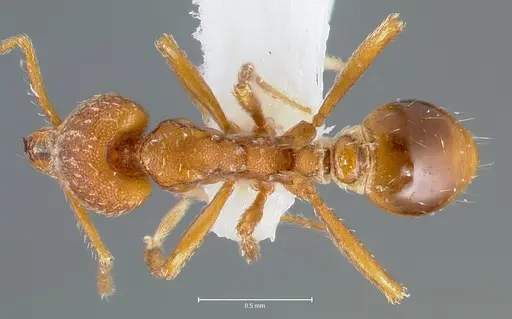
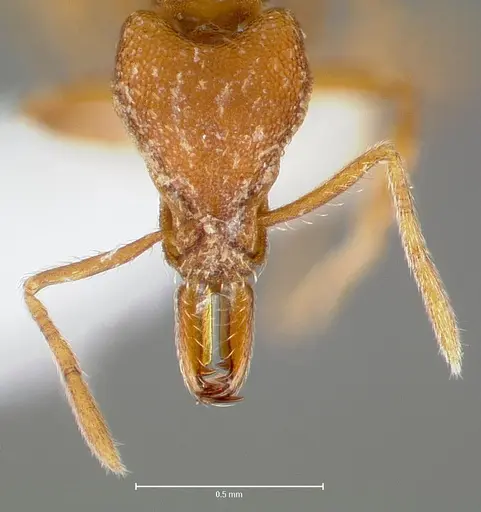
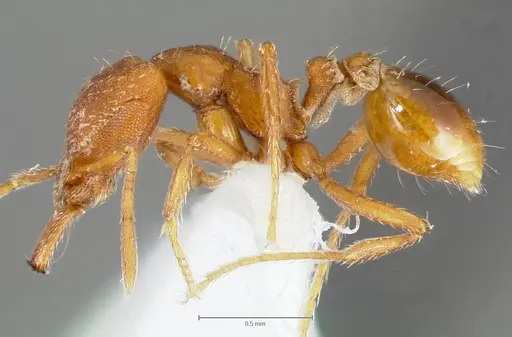
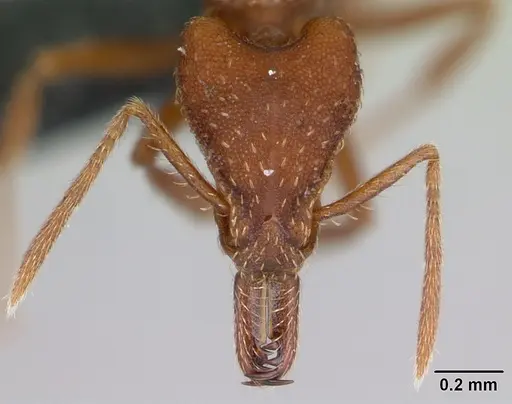
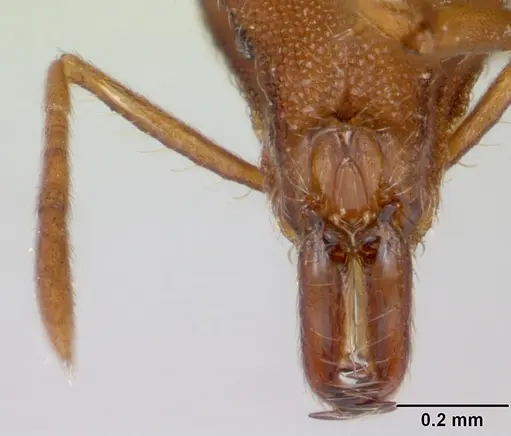
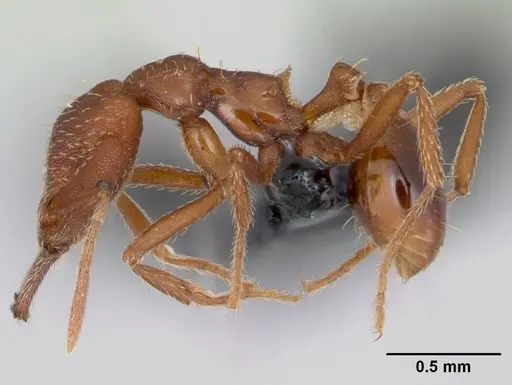
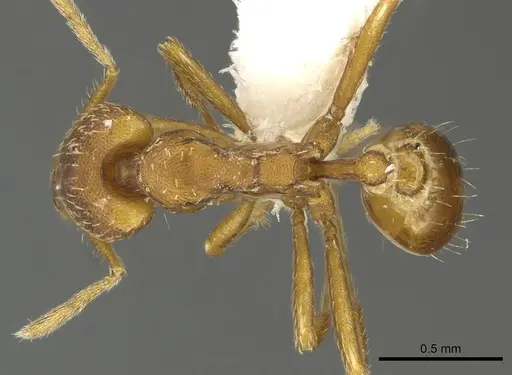
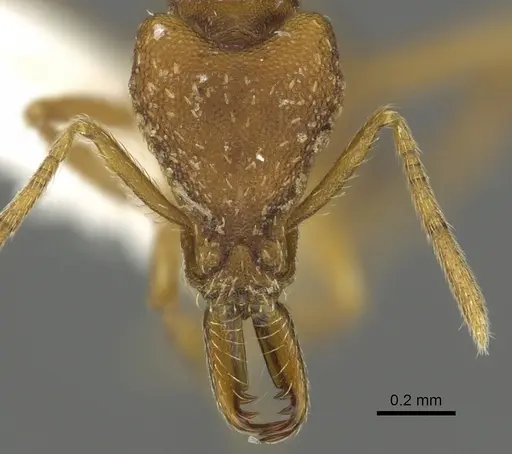
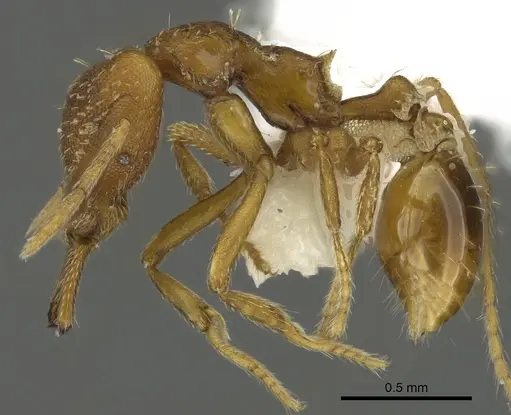
Strumigenys covina is a tiny predatory ant species native to Madagascar, measuring just 3mm in total length [1]. Workers have a dull yellowish-brown coloration and belong to the Strumigenys scotti group, specifically the chroa-complex. You can identify them by the lamellate (thin, plate-like) upper scrobe margin and the slender filiform hairs on their pronotal humerus, petiole, postpetiole, and first gastral segment [1]. These ants inhabit rainforest environments where they live in rotting wood, leaf litter, and decaying stumps [1]. As predators, they specialize in hunting small prey like springtails using their specialized mandibles.
Quick Summary
- Difficulty: Medium
- Origin & Habitat: Madagascar, specifically the Malagasy region. They live in humid rainforest habitats at elevations ranging from 425m to 1240m, found in rotting logs, leaf litter, and decaying stumps [2][1].
- Colony Type: Likely monogyne (single queen colony) based on typical Strumigenys patterns. Colony size is unknown but likely small, related species typically have colonies under 100 workers.
- Size & Growth:
- Queen: Unconfirmed, likely around 4-5mm based on genus patterns
- Worker: 3.0mm total length (HL 0.74,HW 0.53,SL 0.44) [1]
- Colony: Unknown, likely under 100 workers based on related species
- Growth: Slow
- Development: Unknown, estimated 8-12 weeks based on related Strumigenys species at warm temperatures (Development is likely slow, typical of dacetine ants. Temperature-dependent, warmer temperatures accelerate development.)
- Antkeeping:
- Temperature: Keep around 22-26°C. They inhabit humid rainforest environments and prefer stable, warm conditions [2]. A gentle gradient with a heating cable on one side allows workers to regulate their temperature.
- Humidity: High humidity is essential, think damp forest floor. Keep the nest substrate consistently moist but not waterlogged. These ants are terricolous (ground-dwelling) and prefer humid conditions [3]. Provide a water tube for drinking access.
- Diapause: Likely minimal or no true diapause, being a tropical species from Madagascar, they probably do not require hibernation. However, a slight reduction in temperature during winter months may be beneficial.
- Nesting: In captivity, they do well in naturalistic setups with moist substrate or in Y-tong/plaster nests that retain humidity. They naturally nest in rotting wood and leaf litter, so provide a substrate that stays damp.
- Behavior: These ants are peaceful and not aggressive. They are slow-moving predators that hunt small prey, primarily springtails and other micro-arthropods. Workers are tiny (3mm) and have good escape abilities, use fine mesh and excellent escape prevention. They are not territorial and typically flee rather than engage threats. Foraging occurs on vegetation and through the substrate.
- Common Issues: slow growth can frustrate beginners, colonies take a long time to establish, tiny size means escapes are likely without fine mesh barriers, high humidity requirements can lead to mold problems if ventilation is poor, predatory diet means they need live prey, they cannot survive on sugar alone, wild-caught colonies may have parasites that kill them in captivity
Housing and Nest Setup
Strumigenys covina does well in naturalistic setups that mimic their natural habitat of rotting wood and leaf litter. Use a moist substrate mixture that retains humidity, a blend of soil, sand, and decaying organic material works well. Alternatively, a Y-tong (AAC) nest or plaster nest with a water reservoir maintains the humidity levels they need. Because they are tiny, ensure all connections between the outworld and nest are tight-fitting. A small outworld works best since these ants are small and don't travel far from the nest. Add some small decorations like twigs or leaves to give them foraging opportunities [1].
Feeding and Diet
These ants are specialized predators that hunt small live prey. Their primary food should be springtails (collembola), this is their natural prey in the wild and they will readily accept them. Other small live prey like micro-arthropods, tiny beetles, and fruit fly larvae can also be offered. They are not attracted to sugar sources like honey or sugar water, being strict predators, they rely entirely on protein. Feed them small prey items 2-3 times per week, adjusting based on colony size and consumption. Remove any uneaten prey after 24 hours to prevent mold. A constant water source is essential, a small water tube or damp cotton ball works well [1].
Temperature and Humidity
Maintain temperatures between 22-26°C for optimal colony health and development. These rainforest ants prefer stable, warm conditions without major temperature fluctuations. A heating cable on one side of the nest creates a gentle gradient that lets workers choose their preferred temperature. Humidity is critical, keep the nest substrate consistently moist but not waterlogged. The substrate should feel damp to the touch. In naturalistic setups, mist the enclosure regularly and ensure the water tube is always filled. Poor humidity leads to desiccation and colony loss. However, balance humidity with adequate ventilation to prevent mold growth [3][2].
Colony Establishment and Growth
Strumigenys colonies grow slowly, which is typical for dacetine ants. A newly mated queen will seal herself in a small chamber and raise her first workers (nanitics) alone on her stored fat reserves. The first workers are typically smaller than mature workers and may take several months to appear. After the first workers emerge, the colony grows gradually, expect only a few workers per month initially. Patience is essential with this species. Do not disturb the queen during founding, stress can cause her to abandon or eat her brood. Once established, colonies may eventually reach dozens of workers, though exact maximum size is unknown for this species [1].
Behavior and Temperament
These ants are peaceful and not aggressive toward keepers. When threatened, they are more likely to flee than to defend. Workers move slowly and methodically as they search for prey. They do not have a functional stinger, being in the tribe Attini, they rely on their mandibles for defense and prey capture. Their small size (3mm) means they can easily slip through gaps in standard formicarium setups. Always use fine mesh and check for gaps when housing this species. They are primarily ground-dwelling but have been observed foraging on vegetation in the wild [1].
Frequently Asked Questions
How long does it take for Strumigenys covina to raise first workers?
The exact timeline is unknown for this species, but based on related Strumigenys species, expect 8-12 weeks from egg to worker at optimal temperatures (22-26°C). Founding queens may take longer as they are raising their first brood alone. Patience is essential, these ants grow slowly.
What do Strumigenys covina ants eat?
They are strict predators that need live prey. Feed them springtails (collembola) as their primary food, this is their natural prey in the wild. Other small live prey like micro-arthropods, tiny beetles, and fruit fly larvae can also be offered. They do not accept sugar sources and cannot survive on honey or sugar water alone.
Can I keep Strumigenys covina in a test tube?
A test tube setup can work for founding queens, but you will need to transfer them to a more spacious setup once the colony reaches 10-15 workers. Test tubes dry out quickly, so you must monitor humidity closely. A naturalistic setup or Y-tong nest with moist substrate is better for established colonies.
Are Strumigenys covina good for beginners?
They are rated as Medium difficulty. They are not ideal for complete beginners because of their slow growth, specific dietary needs (live prey only), and high humidity requirements. However, they are peaceful and do not require hibernation, which makes them easier in some respects. If you have kept other ant species successfully, they can be a rewarding challenge.
How big do Strumigenys covina colonies get?
The exact maximum colony size is unknown for this species. Based on related Strumigenys species, colonies likely reach dozens to perhaps 100 workers. They are not among the larger ant species, workers are only 3mm total length.
Do Strumigenys covina need hibernation?
Probably not. Being a tropical species from Madagascar, they likely do not require a true diapause period. You may reduce temperatures slightly during winter months, but a full hibernation is not necessary and could be harmful.
Why are my Strumigenys covina dying?
Common causes include: low humidity (they need consistently damp conditions), lack of live prey (they cannot survive without hunting), escape (their tiny size lets them slip through gaps), and stress from disturbance during founding. Check that your setup maintains high humidity and provides appropriate live prey.
When should I move Strumigenys covina to a formicarium?
Keep them in a founding setup (test tube or small container) until the colony has at least 10-15 workers. Moving them too early stresses the colony. When you do transfer, use a naturalistic setup or Y-tong nest that maintains high humidity.
Can I keep multiple Strumigenys covina queens together?
This has not been documented for this species. Based on typical Strumigenys behavior, it is likely monogyne (single queen). Combining unrelated queens is not recommended as they may fight. If you acquire a multi-queen colony, keep them together only if they are already established as a group.
References

This caresheet is licensed under CC BY-SA 4.0 .
Literature
Loading...Loading products...