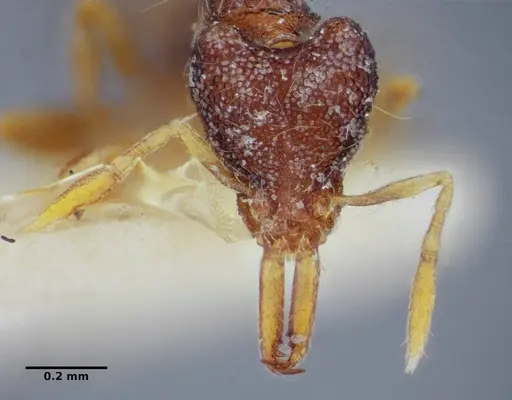
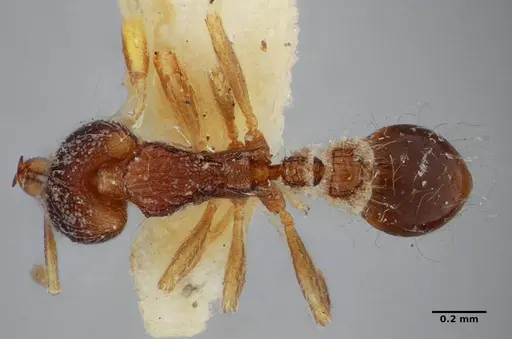
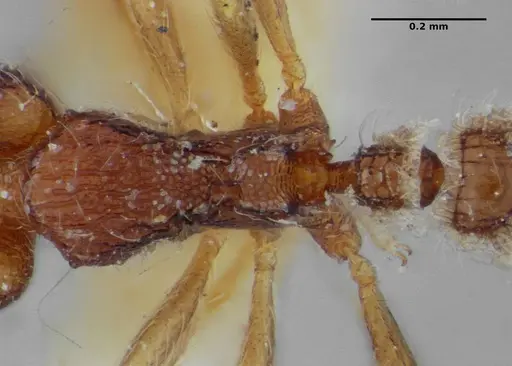
Strumigenys cosmostela - "Trap-jaw Ant"
Strumigenys cosmostela is a fascinating, tiny ant species known for its specialized, lightning-fast trap-jaw mandibles, which they use to ambush prey. These ants are small, typically ranging from 2.2 to 2.5 mm in total length for workers. Their bodies often feature intricate sculpture, varying from reticulate-punctate to rugulose patterns, and are covered with numerous long, flagellate hairs, giving them a somewhat fuzzy appearance. They are part of the larger Strumigenys genus, which is highly diverse and globally distributed, especially in tropical and subtropical regions.
- Difficulty: Medium
- Origin & Habitat: Neotropical Region (Brazil, Colombia, Costa Rica, Ecuador, French Guiana, Guatemala, Honduras, Mexico, Peru, Venezuela) in Lowland wet forests, leaf litter, and soil on the forest floor. They are also found under decaying logs and in moist, shaded areas..
- Colony Type: Monogyne, claustral founding.
- Size & Growth:
- Queen: 2.2-2.5mm
- Worker: 2.2-2.5mm
- Colony: Small (tens to hundreds of workers, typically 15-400). Slow growth.
- Antkeeping:
- Temperature: Maintain a temperature range between 22°C and 26°C. Consistent warmth is important for brood development..
- Humidity: High humidity is crucial, ideally between 60% and 80%. This mimics their natural leaf litter habitat and prevents desiccation..
- Diapause: Not required. Not specified at Not specified.
- Nesting: These ants prefer small, humid setups that replicate their natural subterranean or leaf litter nests. A small formicarium with easy-to-access chambers and a suitable foraging area is recommended. Ytong, acrylic, or naturalistic setups with a good amount of substrate are suitable..
- Behavior: Low (towards handler, food or other ants) aggressiveness.
- Common Issues: Humidity fluctuations, Lack of appropriate live prey (springtails), Colony stalling due to stress or improper conditions, Mold in nest (due to high humidity if not well-ventilated or substrate is not suitable).
Keeping Strumigenys cosmostela presents a unique and rewarding challenge for ant enthusiasts. These cryptic ants thrive in a stable, high-humidity environment, mirroring the moist leaf litter and soil of their tropical origins. Maintaining consistent moisture levels within their formicarium is absolutely essential for their well-being, as fluctuating humidity can quickly lead to stress and colony decline. Consider using a setup with good water retention and regular misting of the outworld to help achieve this vital environmental condition for your colony.
Their dietary needs are quite specific, as Strumigenys cosmostela are specialized predators. Their primary food source in the wild consists of small arthropods, particularly springtails (Collembola). Replicating this diet in captivity is key to their success. Offering a steady supply of live springtails will ensure your colony receives the necessary nutrition. While they may occasionally accept other small, soft-bodied insects, springtails are usually the preferred and most beneficial prey for these fascinating trap-jaw ants.
The 'trap-jaw' mechanism of Strumigenys cosmostela is truly a marvel of the ant world, allowing them to snap their mandibles shut at incredibly high speeds to capture unsuspecting prey. Observing this behavior, though subtle due to their small size, is a highlight of keeping this species. Due to their minute stature and generally secretive nature, it's advisable to use a magnifying glass to fully appreciate their intricate movements and hunting strategies within the formicarium. Patience and careful observation will reveal the hidden world of these tiny hunters.
These ants typically form small colonies, often numbering in the tens to a few hundred workers, which makes them suitable for smaller setups and less overwhelming for antkeepers who prefer more intimate colonies. Their slower growth rate also means they won't quickly outgrow their initial nest, providing ample time to enjoy their development. While they might not be as overtly active as some larger ant species, their unique morphology and predatory behavior offer a different kind of observation experience that many dedicated hobbyists find immensely rewarding.
When setting up a nest for Strumigenys cosmostela, consider using materials that mimic their natural substrate, such as a mix of sand, loam, and leaf litter. Providing sections of decaying wood or small branches in the outworld can also create a more natural and stimulating environment for them to forage. Given their delicate nature, gentle handling and minimal disturbance are recommended to keep stress levels low and encourage the colony to flourish in its new home.
Frequently Asked Questions
What kind of nest is best for Strumigenys cosmostela?
For Strumigenys cosmostela, a small formicarium that maintains high humidity is ideal. Nests made of Ytong, acrylic with a hydration system, or naturalistic setups using soil and leaf litter are excellent choices. Ensure there are small, easily accessible chambers for these tiny ants. Don't forget an outworld with some natural decor like small twigs and a bit of leaf litter to mimic their foraging grounds.
What do Strumigenys cosmostela ants eat?
These ants are specialized predators! Their primary diet should consist of small live arthropods, especially springtails (Collembola). You can also offer other very small, soft-bodied insects, but springtails are definitely their preferred meal and crucial for their health. Regular feeding with these micro-prey items will keep your colony thriving.
How big do Strumigenys cosmostela colonies get?
Strumigenys cosmostela colonies are typically on the smaller side. You can expect them to reach anywhere from a few tens to a few hundred workers, with estimates for the genus ranging from 15 to 400 individuals. This makes them a great choice if you're looking for a less expansive colony to manage.
Are Strumigenys cosmostela difficult to keep?
They are considered a 'Medium' difficulty species for antkeeping. While not exceptionally hard, they do require consistent high humidity and a specific diet of live micro-prey like springtails, which can be challenging for beginners to source and maintain. Providing these specific conditions is key to their success in a captive environment.
Do Strumigenys cosmostela sting?
No, Strumigenys cosmostela are not known to sting. Their primary defense and hunting mechanism relies on their incredible trap-jaw mandibles. While fascinating, they pose no stinging threat to antkeepers.
What is unique about Strumigenys cosmostela?
Their most unique feature is their 'trap-jaw' mandibles! These specialized jaws snap shut with incredible speed, allowing them to ambush and capture their tiny prey, mainly springtails. Observing this predatory behavior is a highlight for many antkeepers. They are also quite small and have a distinctive, often rugulose or punctate body sculpture with long hairs.
Do Strumigenys cosmostela need diapause?
No, Strumigenys cosmostela, originating from tropical lowland wet forests, do not require a diapause period. They are accustomed to stable warm and humid conditions year-round, so maintaining these conditions is important.
What temperature and humidity do Strumigenys cosmostela prefer?
They prefer warm temperatures, ideally between 22°C and 26°C. High humidity is crucial for their survival, with a recommended range of 60% to 80%. These conditions mimic their natural tropical rainforest floor habitat.
Where do Strumigenys cosmostela typically nest in the wild?
In their natural habitat, Strumigenys cosmostela are cryptobiotic, meaning they live in hidden places. You'll typically find their small nests in the leaf litter, within the soil on the forest floor, or sometimes under decaying logs and rocks in moist, shaded environments.
What are common issues when keeping Strumigenys cosmostela?
The most common issues relate to maintaining their specific environmental needs. Humidity fluctuations, especially allowing the nest to dry out, are a major problem. Also, a lack of consistent supply of their preferred live prey, like springtails, can lead to the colony struggling. Mold can also be an issue if humidity is high but ventilation is poor.
Can I keep multiple Strumigenys cosmostela queens together?
Strumigenys cosmostela are considered monogyne, meaning a colony is founded and maintained by a single queen. While some ant species can be polygynous (multiple queens), this is not the typical behavior for S. cosmostela, so it's best to keep a single queen per colony.
How fast do Strumigenys cosmostela colonies grow?
Compared to many other common ant species, Strumigenys cosmostela colonies have a slow growth rate. This is typical for small, specialized predator species. Don't expect rapid population explosions, but rather a steady, gradual increase in worker numbers over time.