

Strumigenys chyzeri
- Scientific Name
- Strumigenys chyzeri
- Tribe
- Attini
- Subfamily
- Myrmicinae
- Author
- Emery, 1897
- Distribution
- Found in 4 countries
Strumigenys chyzeri Overview
Strumigenys chyzeri is an ant species of the genus Strumigenys. It is primarily documented in 4 countries , including Australia, Indonesia, Papua New Guinea. Detailed taxonomic data and occurrence records can be further explored via authoritative databases such as AntWeb or the Global Biodiversity Information Facility (GBIF).
Strumigenys chyzeri
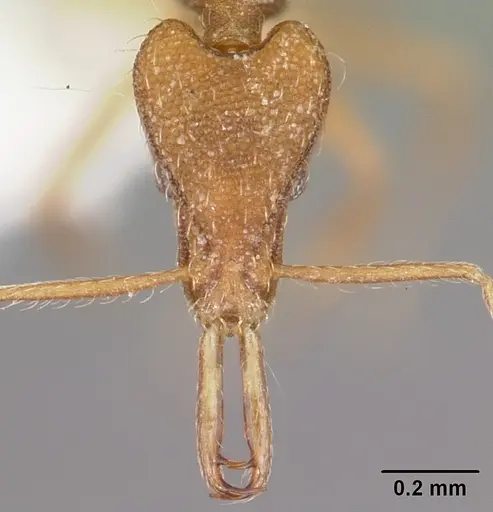
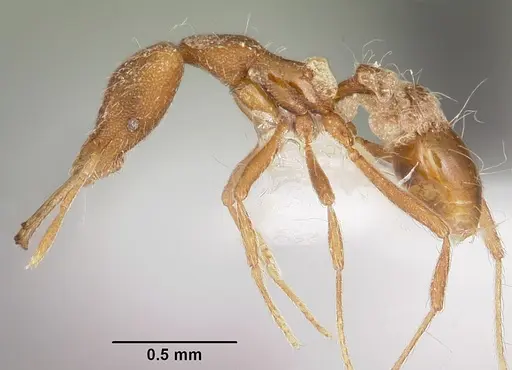
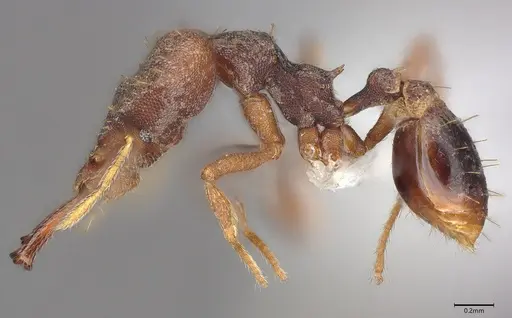
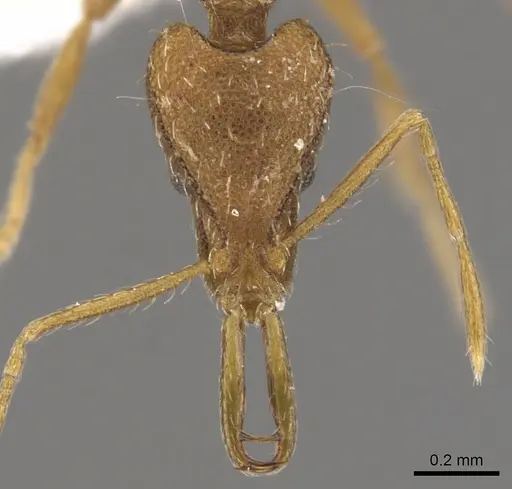
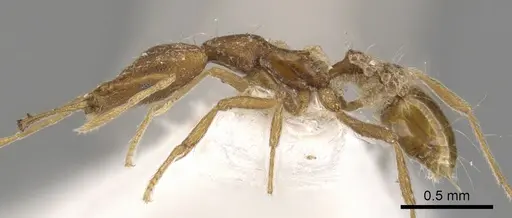
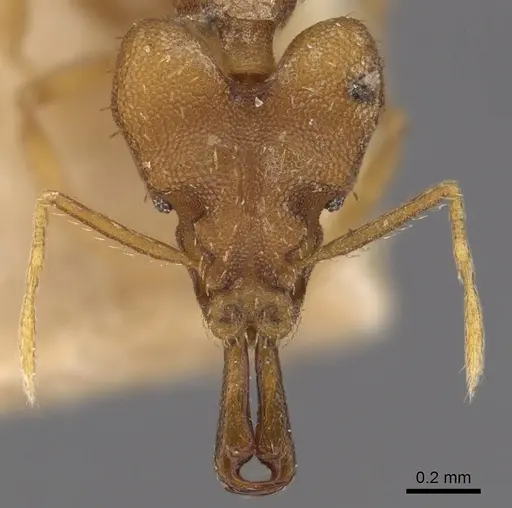
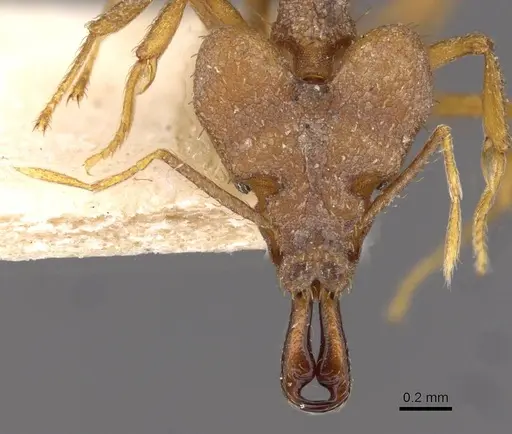
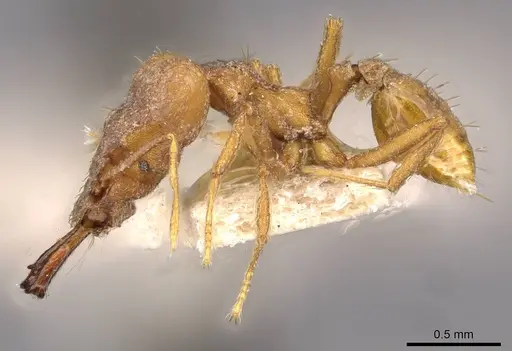
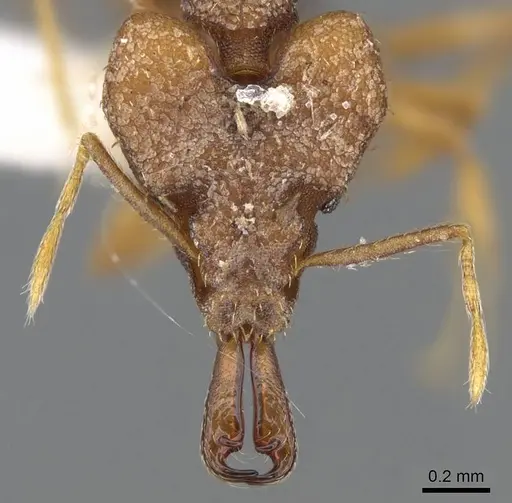
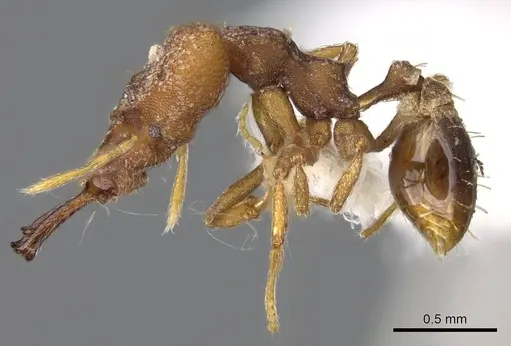
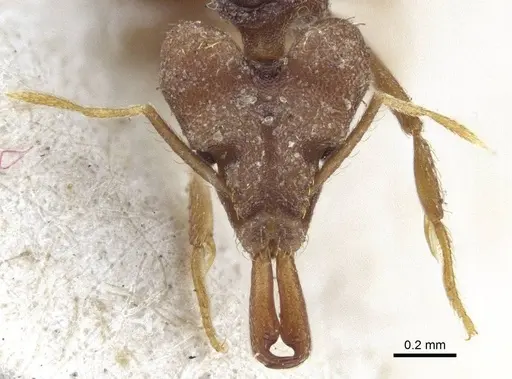
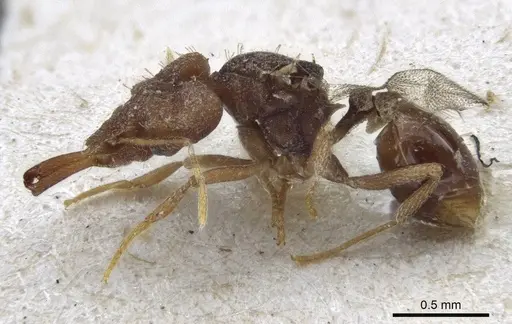
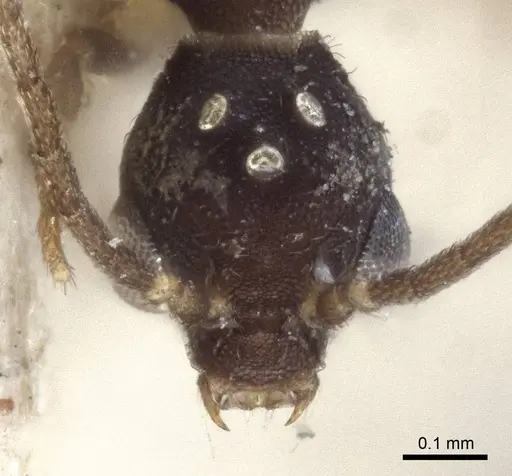
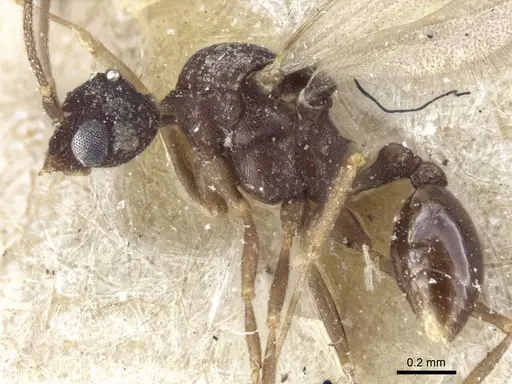
Strumigenys chyzeri is a tiny predatory ant measuring just 2.5-3.2mm in worker length [1]. This species belongs to the Strumigenys loriae group and is found across the Australasian region, including northern Australia, New Guinea, and the Solomon Islands [2]. Workers have a distinctive appearance with unusually shaped mandibles where the preapical tooth arises from the dorsal surface rather than the inner margin, a trait that helps identify this species [1]. The coloration ranges from dull brownish yellow to mid-brown or blackish brown depending on the population [1].
These ants are cryptic leaf-litter dwellers, most commonly collected from rainforest environments where they forage among the forest floor debris [1]. Like other Strumigenys species, they are specialized predators with unusual defensive behaviors, they have been observed using retrosalience (jumping backwards) as a protective mechanism, similar to the trap-jaw ants Anochetus and Odontomachus [3].
Quick Summary
- Difficulty: Hard
- Origin & Habitat: Rainforest litter across northern Australia, New Guinea, and Solomon Islands [2][1]. This species prefers the humid, shaded microhabitats of tropical rainforest floors.
- Colony Type: Colony structure is not well documented. Based on related Strumigenys species, these are likely single-queen colonies but this requires confirmation.
- Size & Growth:
- Queen: Not specifically measured in available literature, estimated slightly larger than workers at 3-3.5mm based on genus patterns
- Worker: 2.5-3.2mm [1]
- Colony: Unknown, likely small colonies typical of litter-dwelling Strumigenys, probably under 100 workers
- Growth: Slow, based on typical Strumigenys development patterns
- Development: Estimated 8-12 weeks at optimal temperature based on related species (Development times are not specifically documented for this species. Expect slower growth than common temperate ants.)
- Antkeeping:
- Temperature: Keep at 24-28°C, these are tropical rainforest ants that need warm, stable conditions. Avoid temperatures below 22°C.
- Humidity: High humidity is essential, maintain 70-85% relative humidity. Keep the nest substrate consistently moist but not waterlogged, mimicking the damp rainforest floor.
- Diapause: No, this is a tropical species that does not require hibernation. Maintain warm conditions year-round.
- Nesting: Naturalistic setup with moist substrate works best. These tiny ants nest in leaf litter and rotting wood fragments in nature. In captivity, a small test tube setup with constant access to moisture or a small naturalistic terrarium with damp substrate works well. Keep nesting area dark and humid.
- Behavior: These are shy, cryptic ants that avoid confrontation. Workers are slow-moving and spend most of their time foraging through substrate debris. They are not aggressive and will flee rather than fight. Their tiny size (under 3.2mm) means escape prevention is critical, they can squeeze through remarkably small gaps. The genus is known for specialized predatory behavior using their unusual mandibles to capture small prey. The retrosalience defense (jumping backwards) has been documented in this species [3].
- Common Issues: tiny size makes escape likely without fine mesh barriers, high humidity requirements can lead to mold if ventilation is poor, slow growth tests patience, colonies develop slowly, specialized diet means they may refuse standard ant foods, wild-caught colonies may be stressed from collection and transport
Housing and Setup
Because of their tiny size, Strumigenys chyzeri requires careful housing. A small test tube setup works well for founding colonies, use a test tube with a water reservoir at the end, sealed with cotton, providing constant humidity. The tube should be kept in a dark location as these ants prefer dark, humid spaces. For established colonies, a small naturalistic setup with damp substrate (a mix of soil and leaf litter) allows them to forage naturally. Whatever setup you choose, ensure excellent escape prevention, these ants are so small they can escape through gaps you might not even see. Use fluon on test tube rims and ensure any connecting tubes have tight fits. A small outworld for feeding is sufficient, they do not need much space.
Feeding and Diet
Strumigenys chyzeri is a specialized predator. In the wild, these ants hunt small arthropods found in leaf litter, particularly springtails and other micro-arthropods. In captivity, you should offer small live prey items such as springtails, fruit flies, and other tiny insects. They are unlikely to accept sugar water or honey as a food source, unlike many ants, Strumigenys species are not typically interested in carbohydrates. Feed small prey items every few days, removing any uneaten prey after 24 hours. The key is offering prey small enough for these tiny ants to tackle, items should be roughly the same size as or smaller than the ants themselves. Some keepers report success with minute soil mites as prey.
Temperature and Humidity
These are tropical rainforest ants that need warm, humid conditions. Keep the nest area at 24-28°C, this is warmer than most room temperature conditions, so you may need a small heating setup. A heating cable on one side of the nest creates a gentle temperature gradient. Humidity is critical: maintain 70-85% relative humidity around the nest. The substrate should feel consistently damp but never soggy. You can achieve this by keeping the water reservoir in test tube setups filled, or by misting a naturalistic setup regularly. However, balance humidity with adequate ventilation to prevent mold growth. Poor ventilation combined with high humidity quickly leads to mold that can kill colonies.
Behavior and Temperament
Strumigenys chyzeri is a shy, non-aggressive species. Workers are slow-moving and spend their time foraging through substrate rather than patrolling open spaces. When threatened, they may use retrosalience, a defensive behavior where they jump backwards to escape predators [3]. This is similar to the trap-jaw mechanism seen in Anochetus and Odontomachus, though Strumigenys does not have the same spring-loaded jaws. These ants are not suitable for observation in large formicariums, they thrive best in setups that allow them to remain cryptic and hidden. They are not defensive and unlikely to bite. Their tiny size also means they are poor climbers on smooth surfaces, making escape prevention somewhat easier on glass and acrylic.
Colony Development
Colony development in Strumigenys chyzeri appears to be slow, as is typical for the genus. A mature colony likely contains fewer than 100 workers based on similar litter-dwelling Strumigenys species. The queen is not significantly larger than workers (around 3mm), which is typical for this genus. Founding colonies should be given plenty of time to establish, do not disturb the queen during the founding phase. First workers (nanitics) will be smaller than mature workers. Expect the colony to grow slowly over months or even years. Patience is essential with this species. Do not overfeed or try to speed growth artificially, as this can lead to mold problems in the humid setup they require.
Frequently Asked Questions
How long does it take for Strumigenys chyzeri to produce first workers?
The exact timeline is not documented, but based on related Strumigenys species, expect 8-12 weeks from egg to first worker at optimal temperature (around 26°C). Development is slower than common temperate ants, so patience is essential.
Can I keep Strumigenys chyzeri in a test tube?
Yes, a test tube setup works well for this species. Use a small test tube with a water reservoir, keep it humid, and place it in a dark location. Ensure excellent escape prevention, these tiny ants can squeeze through very small gaps.
What do Strumigenys chyzeri ants eat?
They are specialized predators that need live small prey. Offer springtails, fruit flies, and other tiny insects. They are unlikely to accept sugar sources. Prey should be roughly the same size as or smaller than the ants themselves.
Are Strumigenys chyzeri good for beginners?
No, this species is not recommended for beginners. Their high humidity requirements, specialized diet of live prey, slow growth, and tiny size make them challenging. They are better suited for experienced antkeepers who can provide the specific conditions they need.
Do Strumigenys chyzeri need hibernation?
No, they do not hibernate. These are tropical rainforest ants from northern Australia, New Guinea, and the Solomon Islands. They need warm conditions year-round (24-28°C) and would be harmed by cold temperatures.
How big do Strumigenys chyzeri colonies get?
Colony size is not well documented, but based on similar species, colonies likely remain small, probably under 100 workers. This is typical for litter-dwelling Strumigenys species.
Why are my Strumigenys chyzeri dying?
Common causes include: temperature too cold (below 22°C), humidity too low or too high (leading to drying or mold), mold growth from poor ventilation, starvation (not offering enough small live prey), or escape from the setup. Check each of these parameters and adjust accordingly.
Can I keep multiple queens together?
This has not been documented for this species. Based on typical Strumigenys behavior, single-queen colonies are most likely. Combining unrelated queens is not recommended without evidence they can coexist.
When should I move Strumigenys chyzeri to a formicarium?
Only move them when the colony is well-established with at least 20-30 workers and the test tube setup is becoming cramped. However, given their small colony size and cryptic nature, many keepers successfully keep them in test tube setups long-term.
References

This caresheet is licensed under CC BY-SA 4.0 .
CASENT0102659
View on AntWeb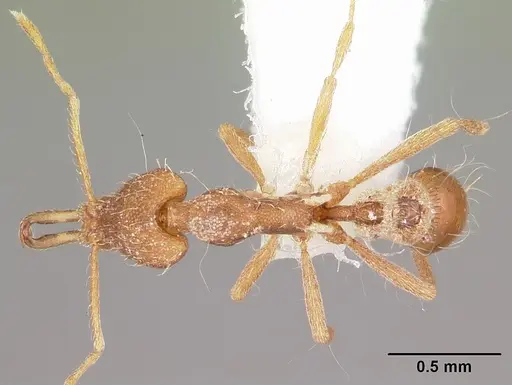
CASENT0106249
View on AntWeb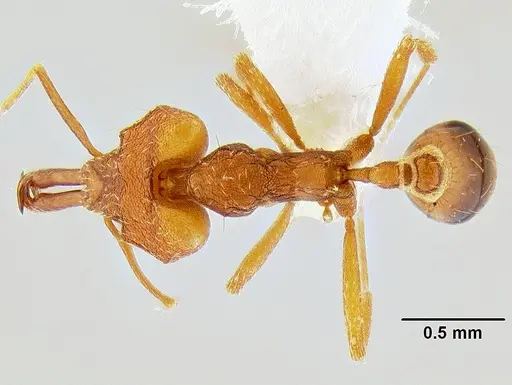
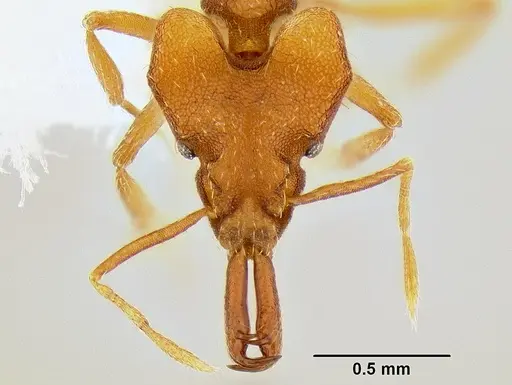
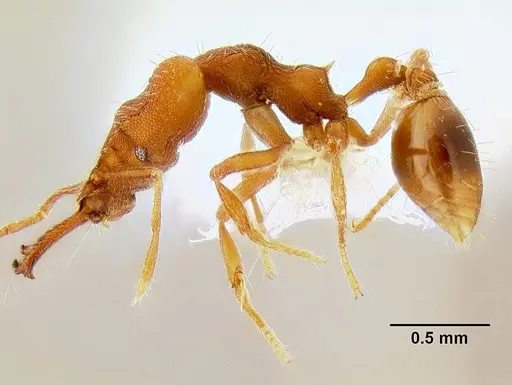
CASENT0199705
View on AntWeb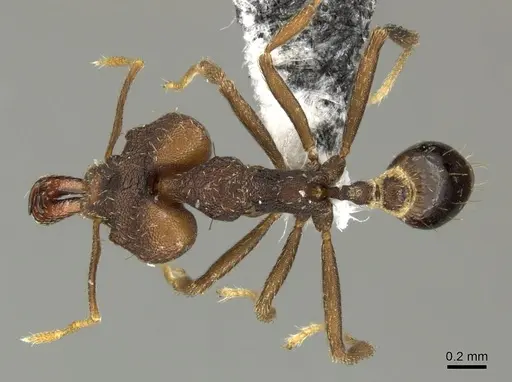
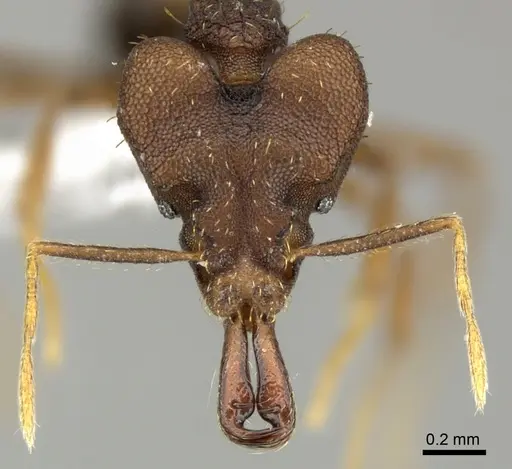
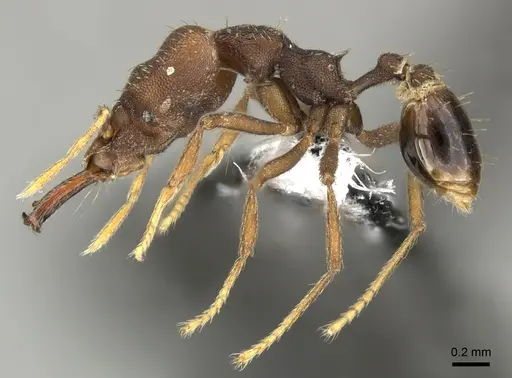
CASENT0217947
View on AntWeb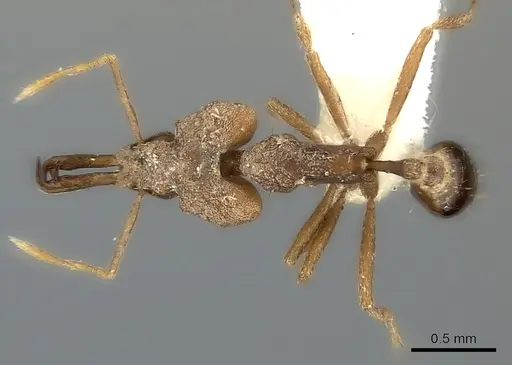
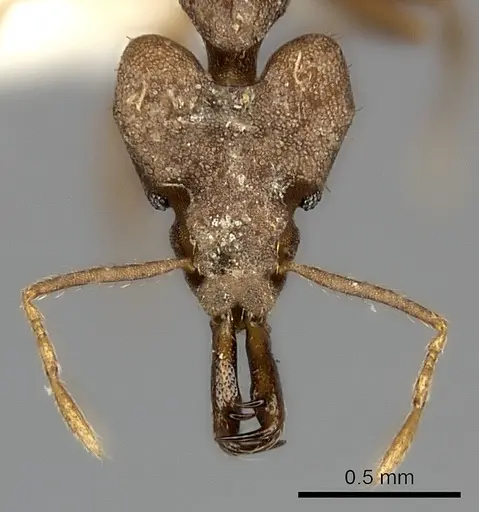
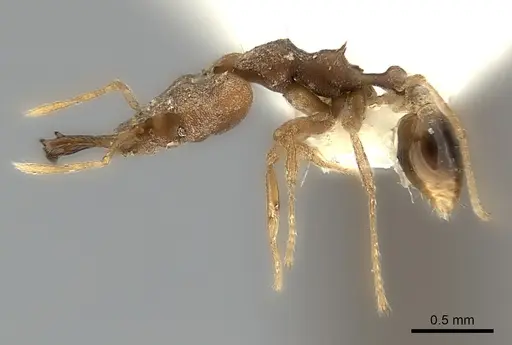
CASENT0435044
View on AntWeb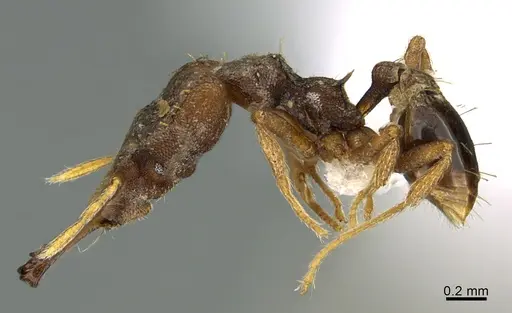
CASENT0435067
View on AntWeb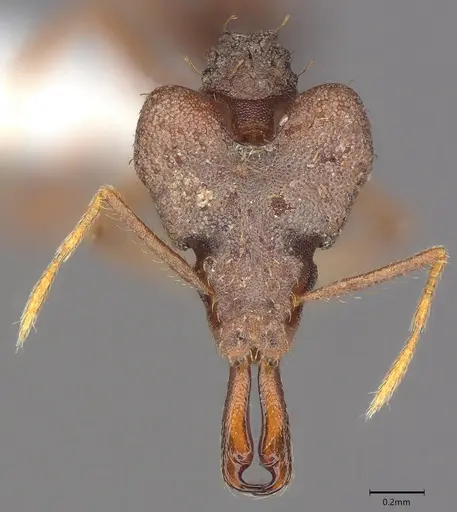
CASENT0900807
View on AntWeb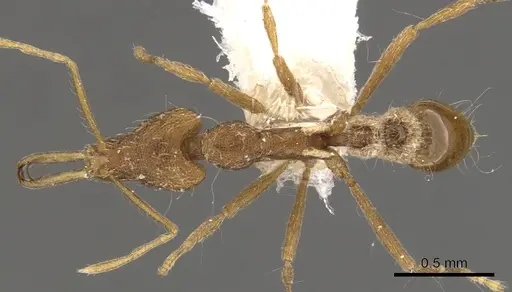
CASENT0900867
View on AntWeb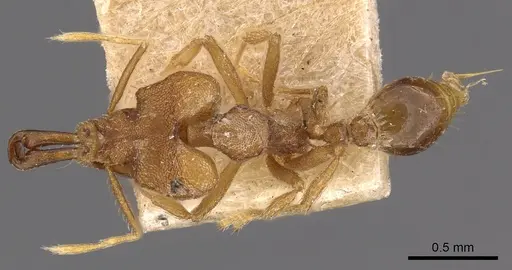
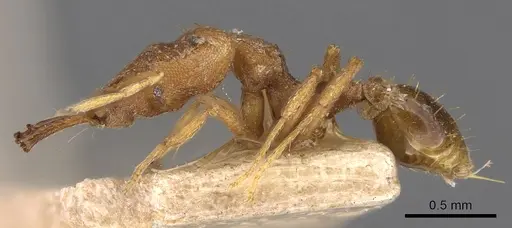
CASENT0904941
View on AntWeb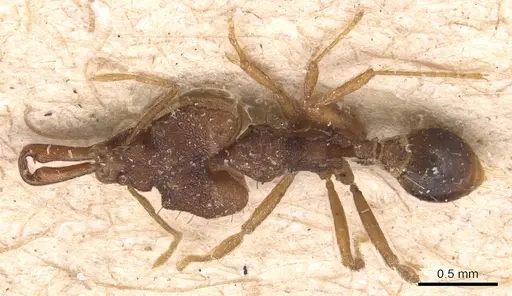
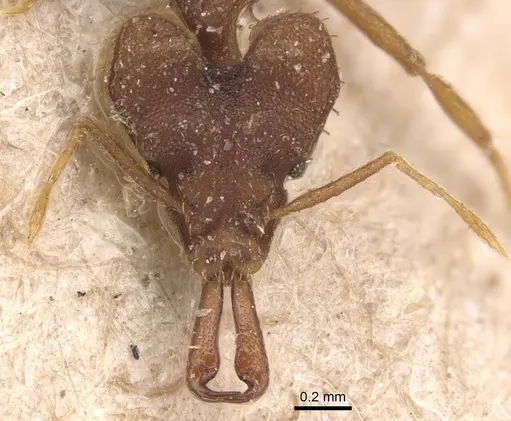
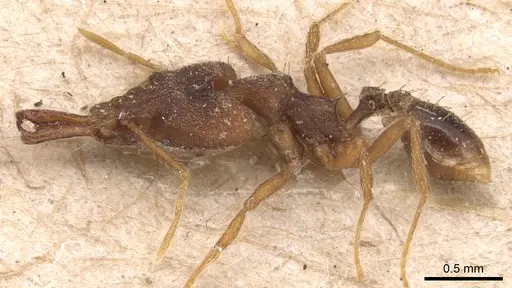
CASENT0909305
View on AntWeb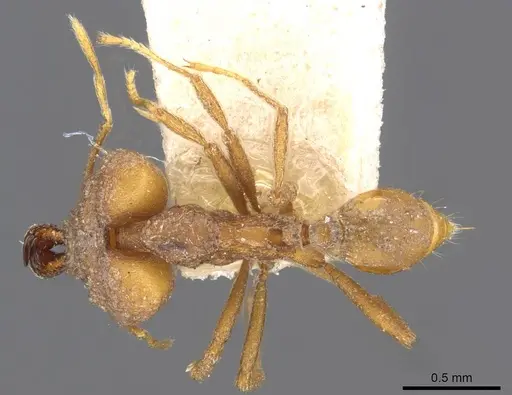
CASENT0914788
View on AntWeb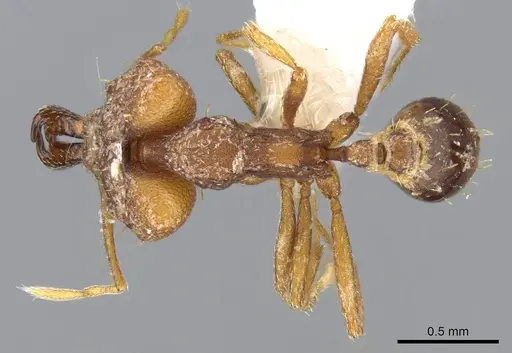
CASENT0916678
View on AntWeb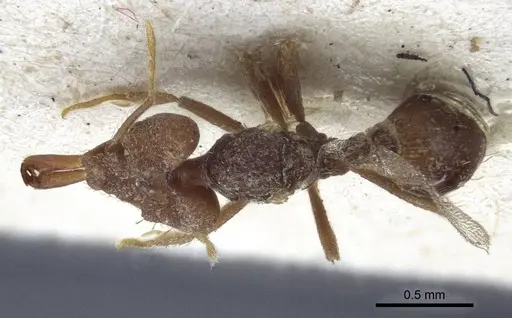
CASENT0916679
View on AntWeb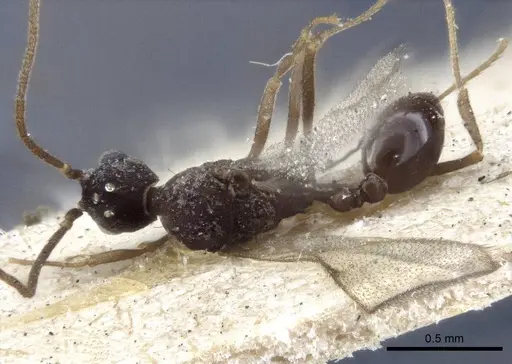
Literature
Loading...Loading products...