

Strumigenys biolleyi
- Scientific Name
- Strumigenys biolleyi
- Tribe
- Attini
- Subfamily
- Myrmicinae
- Author
- Forel, 1908
- Distribution
- Found in 8 countries
Strumigenys biolleyi Overview
Strumigenys biolleyi is an ant species of the genus Strumigenys. It is primarily documented in 8 countries , including Colombia, Costa Rica, Ecuador. Detailed taxonomic data and occurrence records can be further explored via authoritative databases such as AntWeb or the Global Biodiversity Information Facility (GBIF).
Strumigenys biolleyi
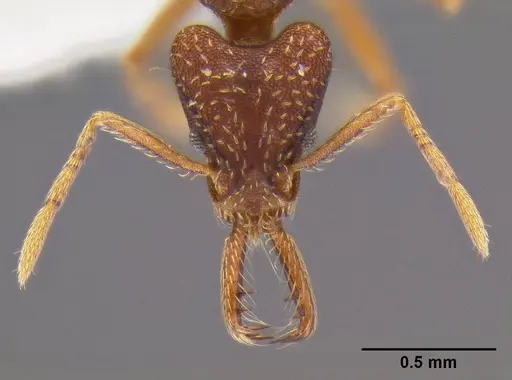
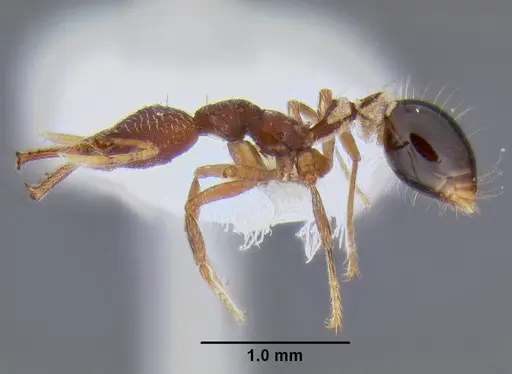
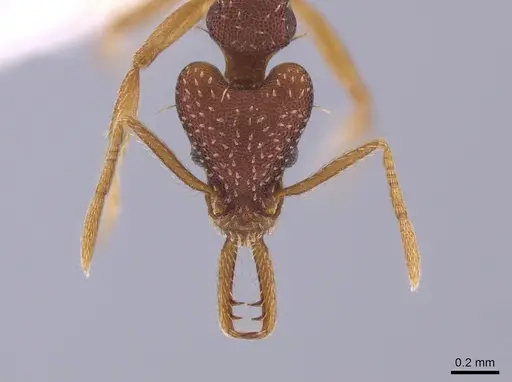
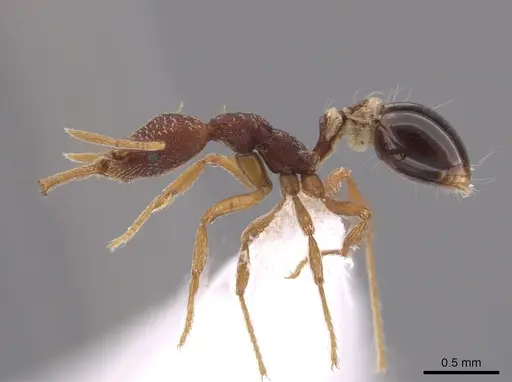
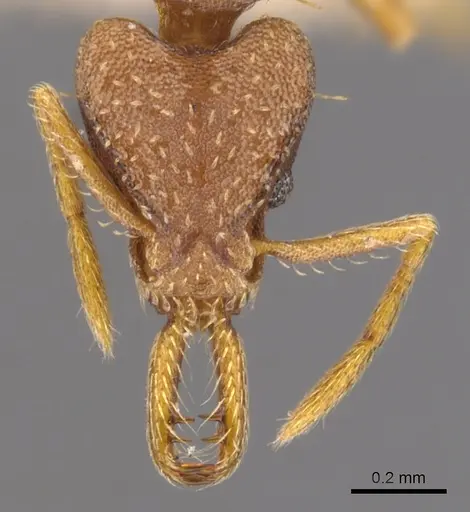
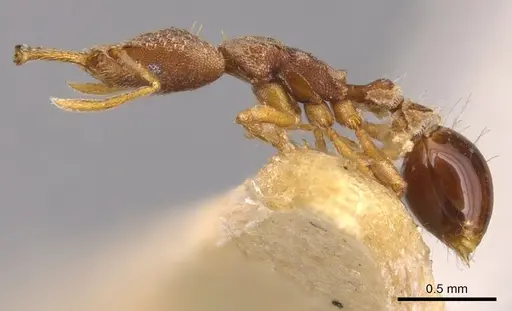
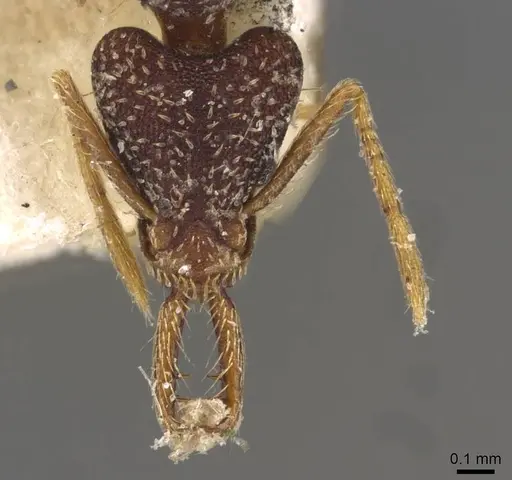
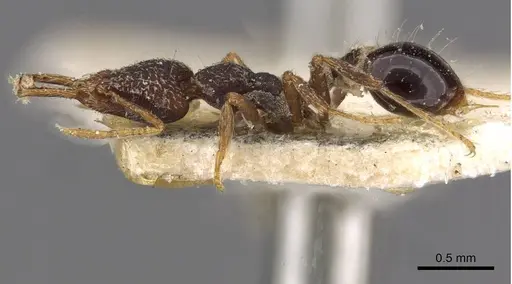
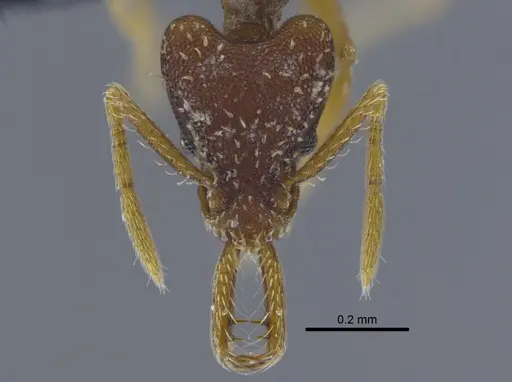
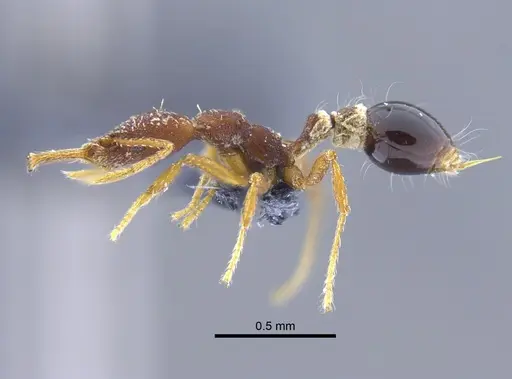
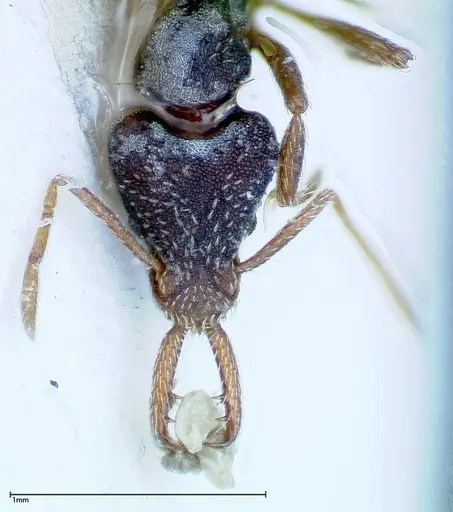
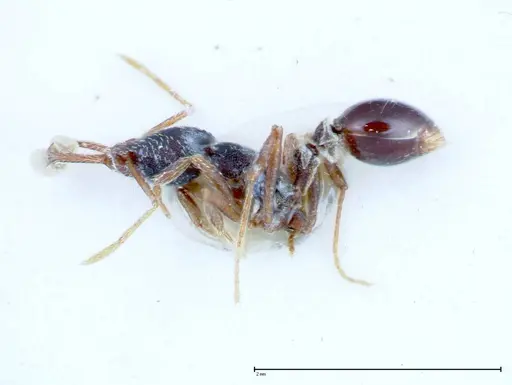
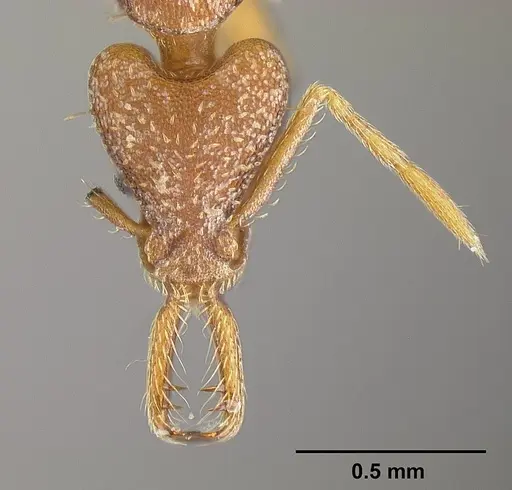
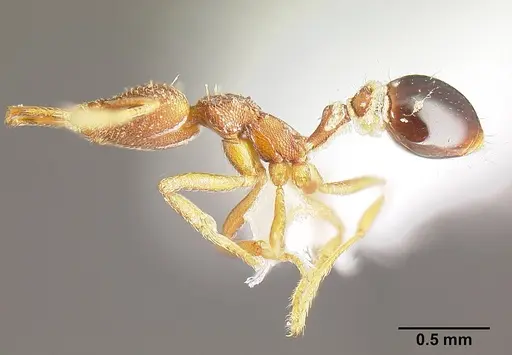
Strumigenys biolleyi is a tiny predatory ant measuring 2.6-3.3mm in length, belonging to the Myrmicinae subfamily and Attini tribe [1]. Workers have a distinctive appearance with closely spaced mandibular insertions and unique propodeal lamellae that form a triangular tooth at the base of the declivity while lacking a dorsal tooth, this combination is diagnostic for the species. The mandibles possess a small but distinct intercalary tooth between the largest teeth of the apical fork, plus two strong spiniform preapical teeth used for their specialized predatory hunting. These ants are found across the Neotropical region from Mexico through Central America to Colombia and Ecuador, typically in wet forest habitats where they nest on the forest floor in dead wood, rotten twigs, and under loose bark [2].
Quick Summary
- Difficulty: Medium
- Origin & Habitat: Neotropical region including Belize, Colombia, Costa Rica, Ecuador, Greater Antilles, Guatemala, Honduras, Jamaica, Mexico, Nicaragua, and Panama. Inhabits wet forest habitats, nesting on the forest floor in dead wood, rotten twigs, and under loose bark [2][3][1].
- Colony Type: Colony structure is unconfirmed, likely monogyne based on typical Strumigenys patterns. A species complex with separate montane and lowland forms documented in Costa Rica [2].
- Size & Growth:
- Queen: Not directly measured, estimated 3-4mm based on worker size range
- Worker: 2.6-3.3mm
- Colony: Unknown, likely under 500 workers based on typical Strumigenys colony sizes
- Growth: Slow, dacetine ants typically develop slowly
- Development: Estimated 8-12 weeks based on related Strumigenys species and tropical temperature conditions (Development time is estimated as no direct measurements available for this species. Dacetine ants generally have slower development than many Myrmicinae due to their specialized predatory lifestyle.)
- Antkeeping:
- Temperature: Keep at 24-28°C, these are tropical forest floor ants requiring warm, stable conditions
- Humidity: High humidity required, think damp forest floor conditions. Keep substrate consistently moist but not waterlogged
- Diapause: No, being a tropical species, they do not require hibernation. Maintain warm conditions year-round
- Nesting: Naturalistic setup with dead wood, rotting twigs, or a plaster/acrylic nest with high humidity works well. They prefer tight chambers and narrow passages scaled to their tiny size. Avoid dry conditions
- Behavior: Workers forage nocturnally on the forest floor, hunting small arthropods using their specialized kinetic mandibles that open fully and close in one rapid strike to paralyze prey [4]. They are predatory specialists feeding on tiny prey like springtails, mites, and other micro-arthropods. Despite their small size, they can deliver a sting though their main defense is their quick strike capability. Escape prevention should be excellent given their tiny 2.6-3.3mm size, they can easily slip through small gaps. Generally non-aggressive toward humans but will defend if threatened.
- Common Issues: tiny size means escapes are likely without fine mesh barriers and tight-fitting lids, slow growth can frustrate keepers expecting rapid colony development, predatory diet requires live small prey, colonies often fail if only dead food is offered, high humidity needs can lead to mold issues if ventilation is poor, wild-caught colonies may have parasites that kill them in captivity
Housing and Nest Setup
Strumigenys biolleyi are tiny ants that need carefully scaled housing. A naturalistic setup mimicking their forest floor habitat works best, use a mix of soil and rotting wood pieces, or a well-humidified plaster/acrylic nest with tight chambers. They prefer narrow passages and tight chambers scaled to their 2.6-3.3mm worker size. The outworld should be simple with minimal vertical space since they forage on the ground. Use fine mesh on any ventilation holes, these tiny ants will escape through standard ant mesh. A water tube or small water reservoir is essential to maintain humidity, but avoid flooding the nest area. [4]
Feeding and Diet
These are specialized predatory ants that hunt using their kinetic mandibles, they open wide and snap shut in one strike to paralyze prey [4]. In captivity, their primary food should be live small prey like springtails, tiny mites, and fruit flies. They accept small insects but prefer live prey that moves. Unlike many ants, they are not particularly interested in sugar sources, their diet is almost entirely protein-based. Feed small prey items 2-3 times per week, adjusting based on colony size. Remove uneaten prey after 24 hours to prevent mold. A constant water source is essential.
Temperature and Humidity
As tropical wet forest ants, Strumigenys biolleyi need warm and humid conditions. Keep temperatures in the 24-28°C range, use a heating mat on one side of the nest if your room temperature is lower, but always provide a temperature gradient so ants can choose their preferred zone. High humidity is critical: maintain 70-85% relative humidity or keep the nest substrate consistently damp like a forest floor. Use a water tube or mist regularly to achieve this, but ensure good ventilation to prevent mold stagnation. Avoid temperatures below 22°C for extended periods.
Behavior and Temperament
Workers forage primarily at night, hunting small arthropods on the forest floor [2]. Their hunting strategy is fascinating to watch, they use their specialized mandibles to capture prey with a rapid strike. Despite their small size, they have spongiform tissue on their waist which helps them cling to surfaces [4]. They are not aggressive toward keepers but will defend the nest if threatened. Their tiny size makes them excellent escape artists, use Fluon on container edges and fine mesh (at least 0.5mm) on any openings. They are considered presumed commensals of fungus-growing ants like Cyphomyrmex cornutus in Costa Rica, though this relationship is not fully parasitic [5].
Colony Development
Colony development in Strumigenys biolleyi is expected to be slow, as is typical for dacetine ants. The first workers (nanitics) will likely be smaller than mature workers and may take 8-12 weeks to emerge from egg at optimal temperature. Colonies likely reach several hundred workers at maximum based on typical Strumigenys colony sizes. The species is documented as a complex with separate montane and lowland forms, suggesting some variation in biology across its range [2]. Be patient with these ants, they grow slower than many common pet ants but can live for several years once established.
Frequently Asked Questions
How long does it take for Strumigenys biolleyi to produce first workers?
Expect 8-12 weeks from egg to first worker at optimal temperature (24-28°C). This is slower than many common ant species, dacetine ants generally have extended development times.
What do Strumigenys biolleyi ants eat?
They are predatory ants that need live small prey. Feed them springtails, tiny mites, fruit flies, and other micro-arthropods. They are not interested in sugar, their diet should be almost entirely protein-based.
Can I keep Strumigenys biolleyi in a test tube?
A test tube can work for founding colonies but these ants need high humidity and a naturalistic setup eventually works better. If using a test tube, ensure it stays humid and consider moving to a more naturalistic setup once the colony reaches 20+ workers.
Are Strumigenys biolleyi good for beginners?
They are rated as medium difficulty. Their slow growth, specific dietary needs (live prey), and high humidity requirements make them challenging for complete beginners, but experienced antkeepers should do well with them.
How big do Strumigenys biolleyi colonies get?
Colony size is estimated at under 500 workers based on typical Strumigenys patterns. They are not among the largest ant species but can live for several years once established.
Do Strumigenys biolleyi need hibernation?
No, being a tropical species from wet forests, they do not require hibernation. Keep them warm year-round at 24-28°C.
Why are my Strumigenys biolleyi dying?
Common causes include: too low humidity (they need damp conditions), wrong food (they need live prey, not dead insects or sugar), temperatures below 22°C, or escapes due to inadequate barriers. Check these parameters first.
When should I move Strumigenys biolleyi to a formicarium?
Move them when the colony reaches around 30-50 workers and the test tube is becoming cramped. A naturalistic setup with soil and rotting wood pieces works best for this species.
Can I keep multiple Strumigenys biolleyi queens together?
Combining unrelated queens is not recommended as it has not been documented for this species. Single-queen colonies are standard for Strumigenys biolleyi.
References

This caresheet is licensed under CC BY-SA 4.0 .
CASENT0106237
View on AntWeb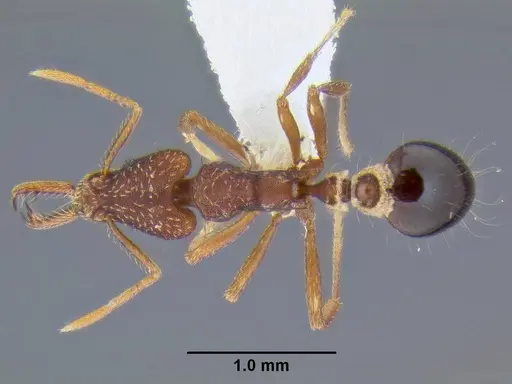
CASENT0653674
View on AntWeb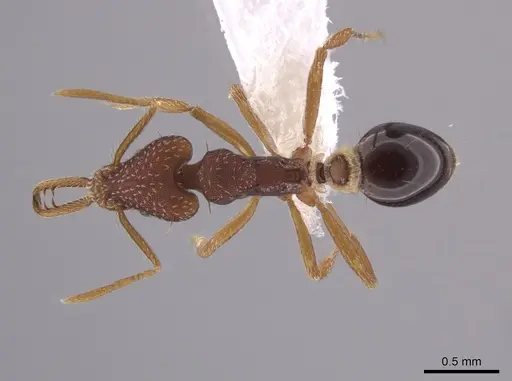
CASENT0900426
View on AntWeb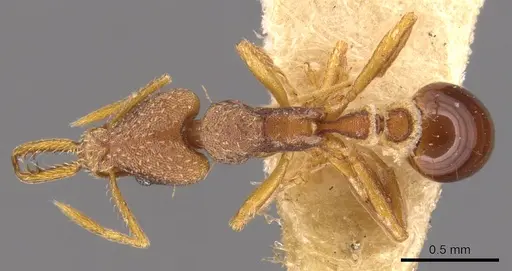
CASENT0909322
View on AntWeb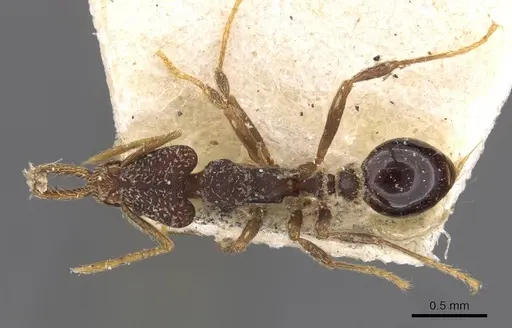
CASENT0914504
View on AntWeb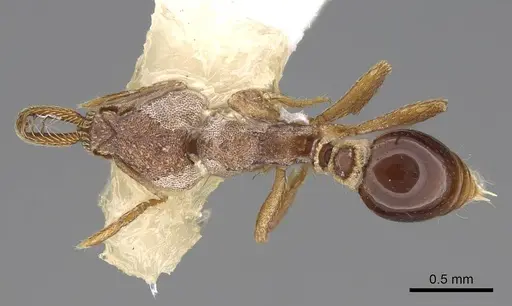
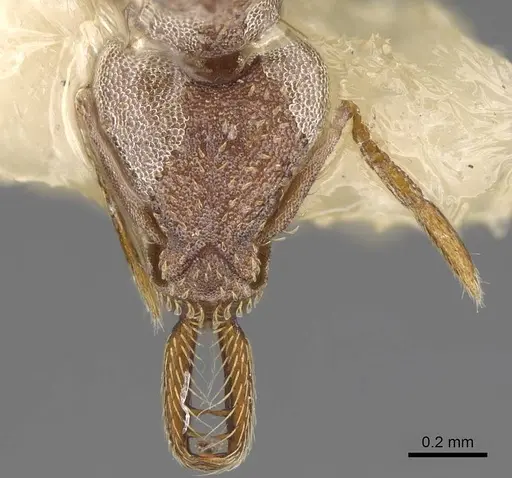
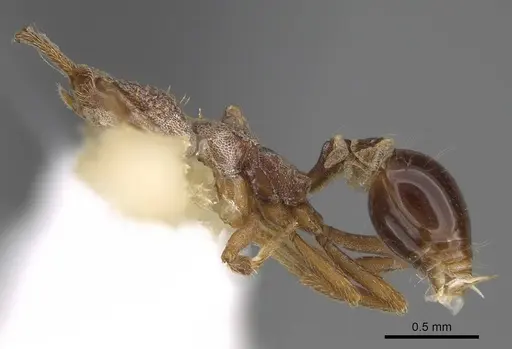
CBUMAGENT41986
View on AntWeb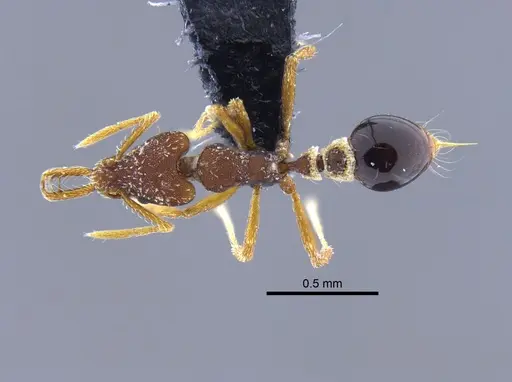
FOCOL0187
View on AntWeb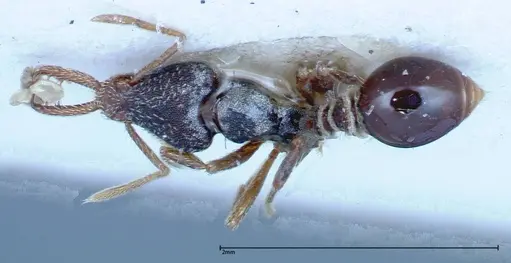
JTLC000003333
View on AntWeb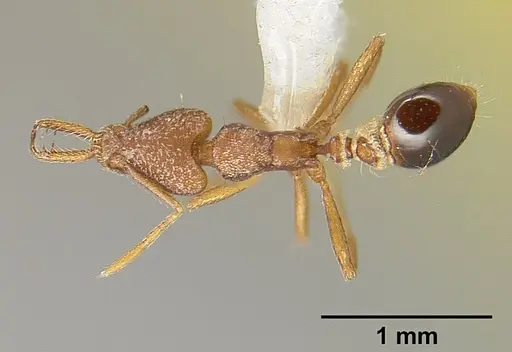
Literature
Loading...Loading products...