

Strumigenys arrogantia
- Scientific Name
- Strumigenys arrogantia
- Tribe
- Attini
- Subfamily
- Myrmicinae
- Author
- Bolton, 2000
- Distribution
- Found in 1 countries
Strumigenys arrogantia Overview
Strumigenys arrogantia is an ant species of the genus Strumigenys. It is primarily documented in 1 countries , including Malaysia. Detailed taxonomic data and occurrence records can be further explored via authoritative databases such as AntWeb or the Global Biodiversity Information Facility (GBIF).
Strumigenys arrogantia
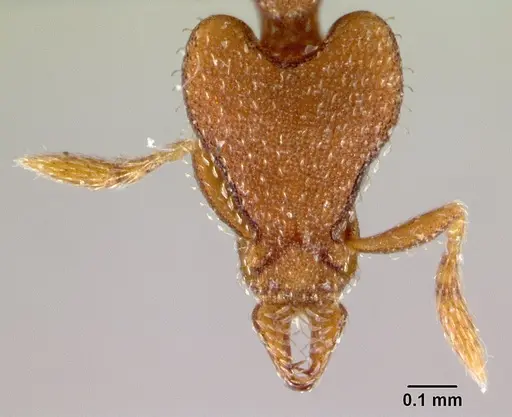
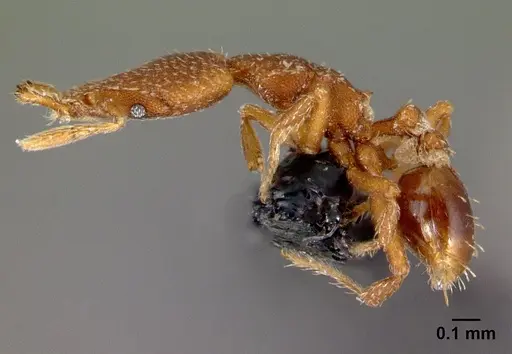
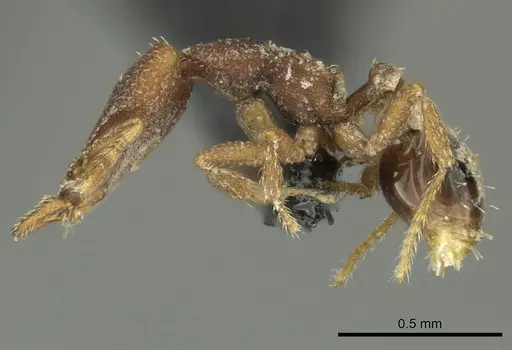
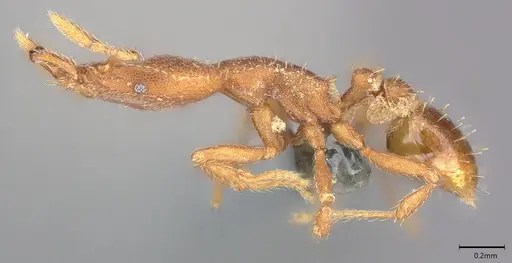
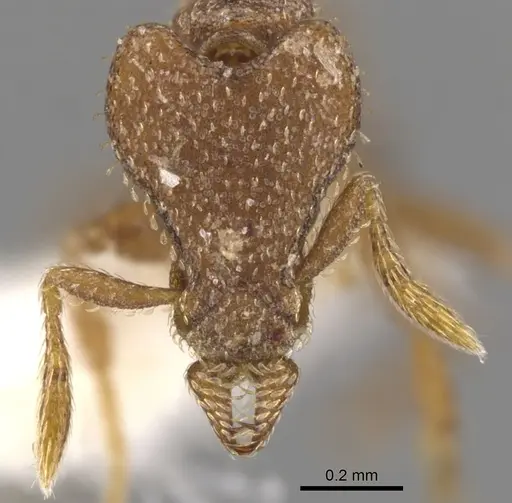
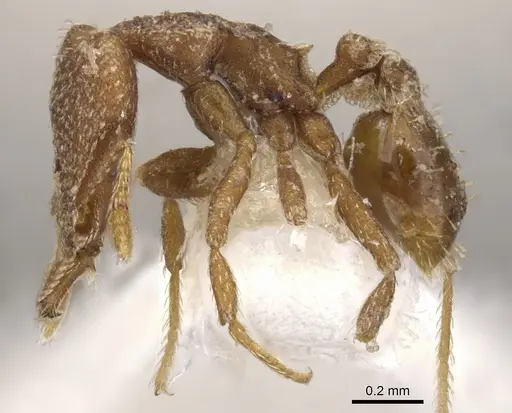
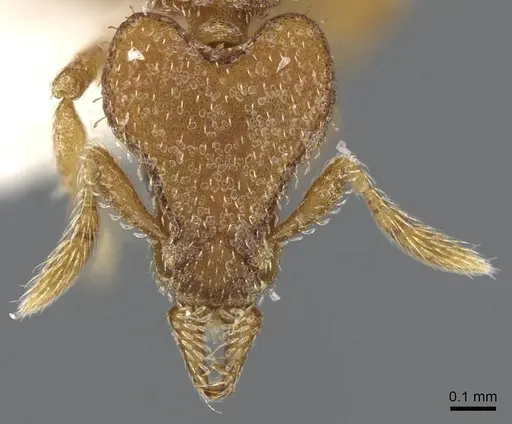
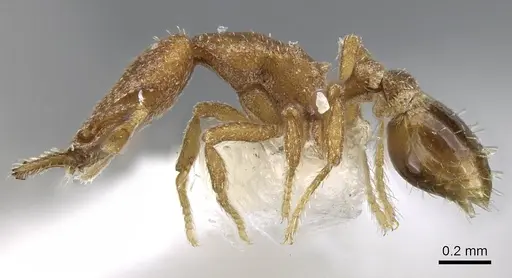
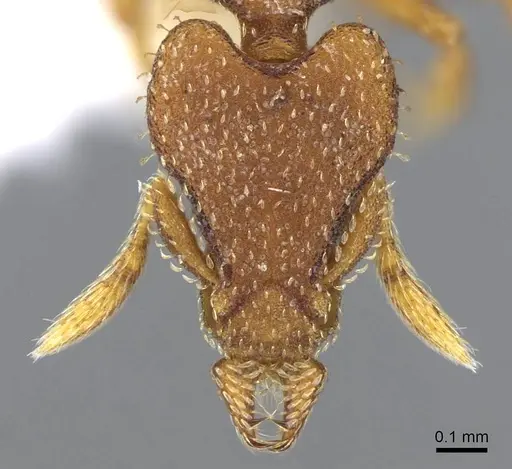
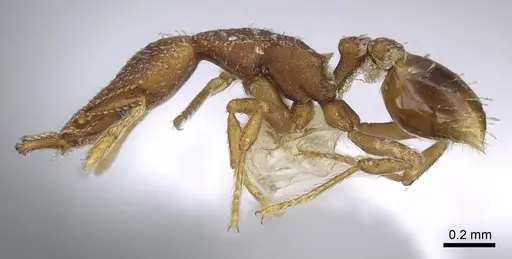
Strumigenys arrogantia is a remarkably tiny ant species, with workers measuring just 2.0-2.2mm in length. These ants belong to the Strumigenys lyroessa group and are found across Southeast Asia, specifically in Borneo, Indonesia, Malaysia, and the Philippines [1]. They inhabit rainforest and wet forest environments, where they live among the leaf litter on the forest floor. The species is characterized by a broad lamella on the propodeal declivity and short, stiff hairs on their body, making them distinctive among their relatives.
These tiny predators are specialized hunters that rely on capturing small arthropods in the leaf litter layer. Their modest collection numbers and preference for pristine rainforest habitats suggest they are sensitive to environmental conditions and may require specific care parameters to thrive in captivity.
Quick Summary
- Difficulty: Hard
- Origin & Habitat: Southeast Asia, Borneo, Indonesia, Malaysia, and Philippines. Found in rainforest and wet forest habitats, specifically in leaf litter samples [1][2].
- Colony Type: Colony structure is unconfirmed. Based on related Strumigenys species, likely single-queen colonies.
- Size & Growth:
- Queen: Undocumented, estimated 2.5-3mm based on worker size and genus patterns
- Worker: 2.0-2.2mm
- Colony: Unknown, likely small colonies of 100-500 workers based on genus patterns for litter-dwelling species
- Growth: Slow, based on typical Strumigenys development patterns
- Development: Estimated 8-12 weeks at optimal temperature based on related species (Direct development data unavailable, estimates based on genus patterns for small Myrmicinae)
- Antkeeping:
- Temperature: Keep at 24-28°C, these are tropical rainforest ants requiring warm, stable conditions
- Humidity: High humidity required, maintain consistently moist substrate. Think damp forest floor, not wet or waterlogged
- Diapause: Unlikely, tropical species does not require true hibernation. May have reduced activity during cooler periods
- Nesting: Naturalistic setup with fine substrate or test tube with moist cotton. They nest in leaf litter in nature, so a thin layer of moist soil/peat with debris works well
- Behavior: Very shy and non-aggressive. These tiny ants are specialized predators that hunt small arthropods in the leaf litter. They have functional stingers but rarely use them due to their small size. Escape prevention is critical, at 2mm, they can squeeze through the tiniest gaps. They are slow-moving and docile, making them fascinating to observe but challenging to keep alive.
- Common Issues: escape prevention is critical, they are tiny and will squeeze through standard mesh, they require live small prey, cannot survive on sugar alone like many ants, high humidity is essential, drying out kills colonies quickly, slow growth tests patience, beginners may lose colonies before they establish, wild-caught colonies may have parasites that cause colony failure
Housing and Nest Setup
Strumigenys arrogantia requires a setup that mimics their natural leaf litter habitat. A naturalistic terrarium-style setup works best, use a thin layer (1-2cm) of moist, fine substrate such as peat moss or coco fiber mixed with small pieces of leaf litter and debris. This gives them hunting ground and hiding spots. Alternatively, a test tube setup can work if kept consistently moist, but add some debris for enrichment. Because they are so tiny, escape prevention must be excellent, use fine mesh (0.5mm or smaller) on any ventilation. A small outworld area for feeding completes the setup. Keep the entire setup humid but not waterlogged, condensation should form on the walls but standing water should be avoided [1].
Feeding and Diet
These ants are specialized predators that require live small prey. In nature, they hunt tiny arthropods in the leaf litter layer. In captivity, their primary food should be live springtails, these are the perfect size and nutritional value. Other acceptable prey includes small fruit flies, newly hatched pinhead crickets, and tiny isopods. They will not accept dead prey readily, so live food is essential. Sugar sources are generally not accepted, these are obligate predators, not sugar-seekers. Feed small prey items every 2-3 days, adjusting based on colony size and consumption rate. A well-fed colony will have workers actively hunting and carrying prey back to the nest. [1]
Temperature and Humidity
As tropical rainforest ants, Strumigenys arrogantia needs warm and humid conditions. Maintain temperatures between 24-28°C, avoid temperatures below 22°C as this can slow activity and potentially harm the colony. A heating cable on one side of the setup can create a gentle gradient if your room temperature is below this range. Humidity is critical, keep the substrate consistently moist but not waterlogged. The substrate should feel damp to the touch, with visible condensation on container walls. Mist occasionally if humidity drops, but avoid creating wet spots. Both drying out and excessive wetness will kill these sensitive ants. [1]
Behavior and Observation
Strumigenys arrogantia is a docile, slow-moving species that is fascinating to observe. Workers hunt by slowly patrolling the leaf litter, using their mandibles to capture small prey. They are not aggressive and will flee rather than fight when threatened. Their tiny size makes them easy to overlook, but watching them hunt springtails is a rewarding experience. Colonies are relatively quiet and do not produce much activity, this is normal behavior. They do not have major escape tendencies once established, but their small size means they can slip through gaps that larger ants cannot. Excellent barrier maintenance is essential even for established colonies. [1]
Colony Establishment
Establishing a colony of Strumigenys arrogantia can be challenging. Wild-caught colonies may struggle with captivity due to stress, parasites, and dietary changes. If acquiring a queen, she should be allowed to found in a small, humid setup with minimal disturbance. Founding colonies may take several months to produce their first workers. Patience is key, do not disturb the nest frequently or try to force feeding. Once established, colonies grow slowly but steadily if provided with proper care. Expect 6-12 months to reach 20-30 workers from a successful founding. [1]
Frequently Asked Questions
How long does it take for Strumigenys arrogantia to produce first workers?
Development time is estimated at 8-12 weeks from egg to worker at optimal temperature (24-28°C). This is based on genus patterns since species-specific data is unavailable. Founding colonies require patience, expect several months before the first workers emerge.
Can I keep Strumigenys arrogantia in a test tube?
Yes, a test tube setup can work, but you must keep it consistently moist and add small debris/leaf litter for enrichment. The key challenge is maintaining high humidity without flooding. A naturalistic setup with a thin substrate layer is often more successful for this species.
What do Strumigenys arrogantia ants eat?
They are obligate predators that require live small prey. Their primary food should be live springtails. Other acceptable prey includes small fruit flies, tiny isopods, and newly hatched insects. They do not accept sugar sources and will not eat dead prey.
Are Strumigenys arrogantia good for beginners?
No, this species is not recommended for beginners. They require high humidity, live prey feeding, and escape prevention. Their small size and specific care requirements make them challenging. They are better suited for experienced antkeepers who can provide consistent conditions.
How big do Strumigenys arrogantia colonies get?
Colony size is estimated at 100-500 workers based on genus patterns for litter-dwelling Strumigenys. They are not large colony formers. Growth is slow, and colonies remain relatively modest in size even when established.
Do Strumigenys arrogantia need hibernation?
No, they do not require hibernation. As tropical rainforest ants from Southeast Asia, they need year-round warm temperatures (24-28°C). They may have reduced activity during cooler periods but do not enter true diapause.
Why are my Strumigenys arrogantia dying?
Common causes include: drying out (most common, they need constant humidity), lack of live prey (they will starve without hunting), temperature too cold (below 22°C), or escape through tiny gaps. Check all parameters and ensure fresh live prey is available.
When should I move Strumigenys arrogantia to a formicarium?
This species does well in naturalistic setups rather than traditional formicariums. A simple container with moist substrate and debris works better than commercial formicariums. Only consider moving if the colony is well-established (50+ workers) and the current setup is too small.
Can I keep multiple queens together?
Combining unrelated queens has not been documented for this species. Based on typical Strumigenys behavior, single-queen colonies are most likely. Do not attempt to house multiple queens together unless you have specific documentation for this species.
References

This caresheet is licensed under CC BY-SA 4.0 .
CASENT0102632
View on AntWeb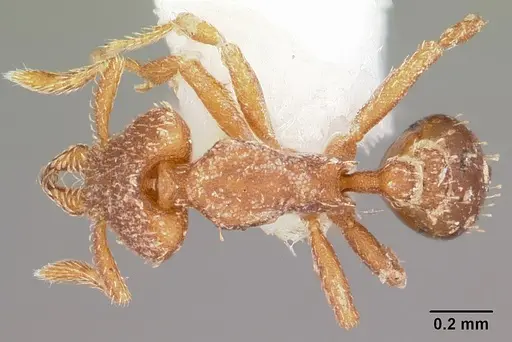
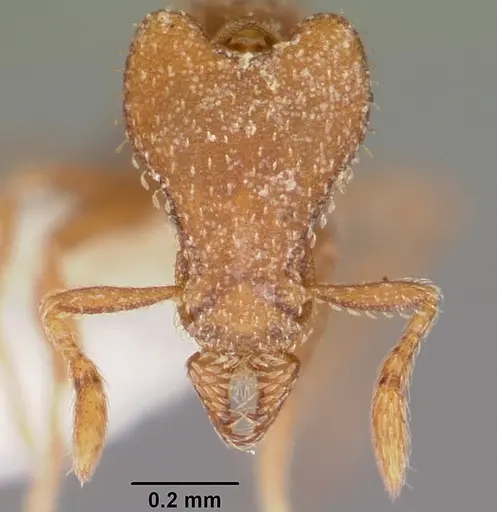
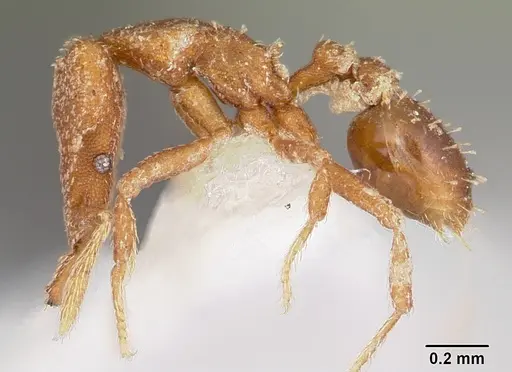
CASENT0179671
View on AntWeb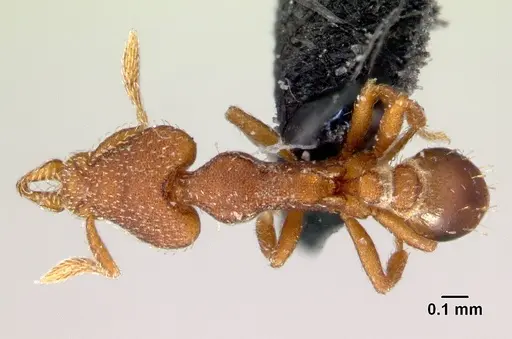
CASENT0270187
View on AntWeb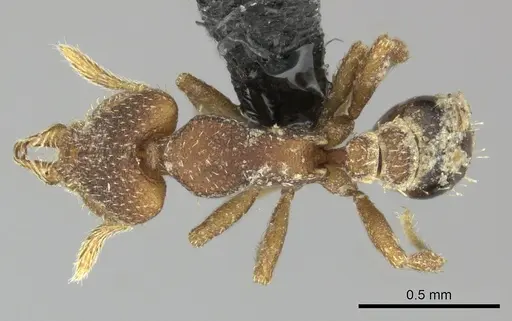
CASENT0728916
View on AntWeb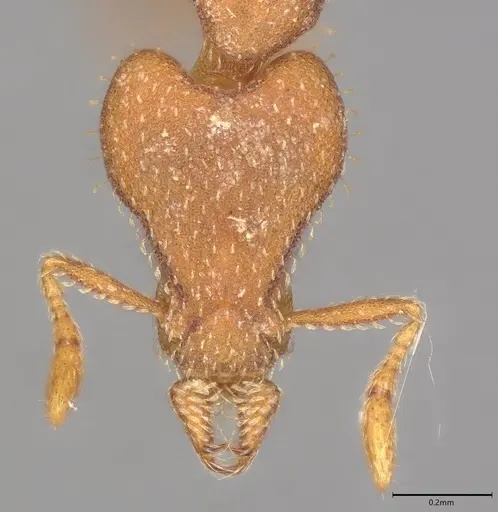
CASENT0900776
View on AntWeb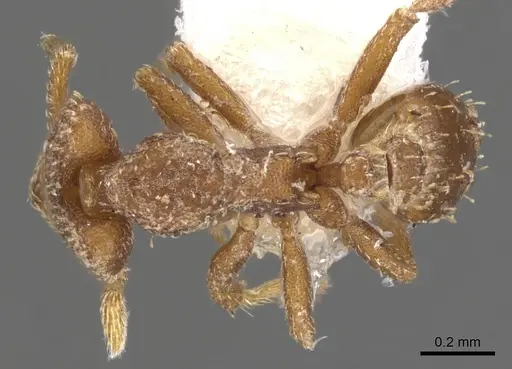
CASENT0914783
View on AntWeb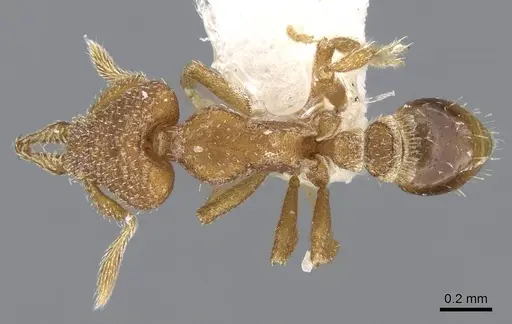
CASENT0914849
View on AntWeb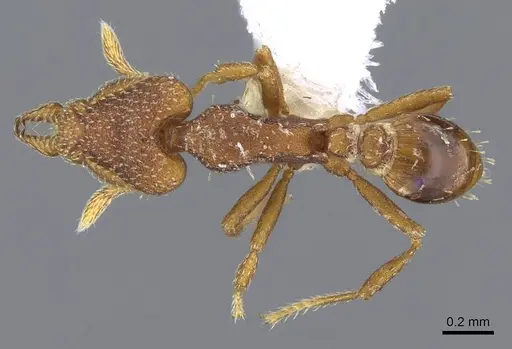
Literature
Loading...Loading products...