

Strumigenys lyroessa
- Scientific Name
- Strumigenys lyroessa
- Tribe
- Attini
- Subfamily
- Myrmicinae
- Author
- Roger, 1862
- Distribution
- Found in 4 countries
Strumigenys lyroessa Overview
Strumigenys lyroessa is an ant species of the genus Strumigenys. It is primarily documented in 4 countries , including Australia, China, India. Detailed taxonomic data and occurrence records can be further explored via authoritative databases such as AntWeb or the Global Biodiversity Information Facility (GBIF).
Strumigenys lyroessa
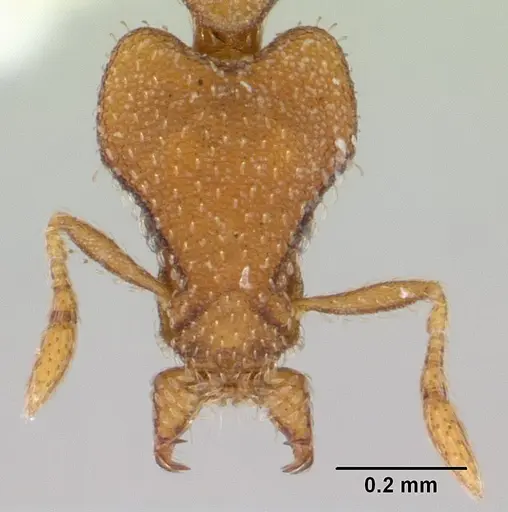
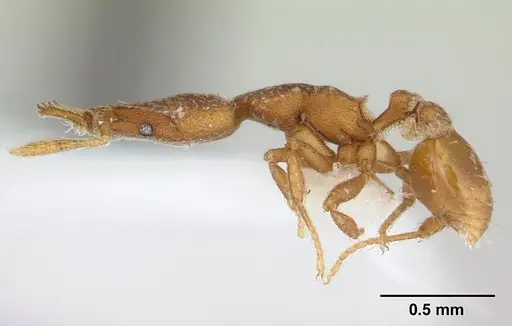
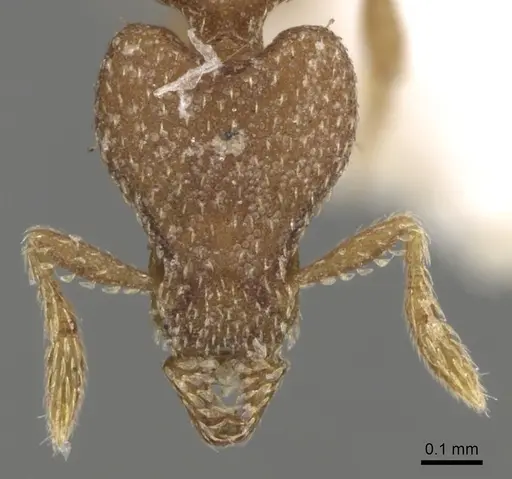
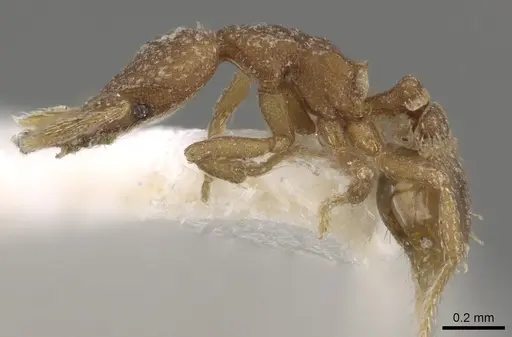
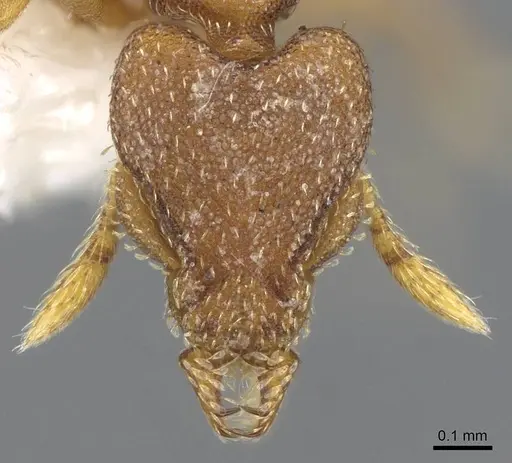
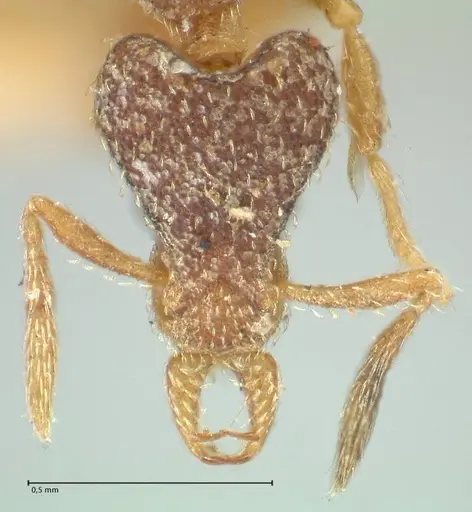
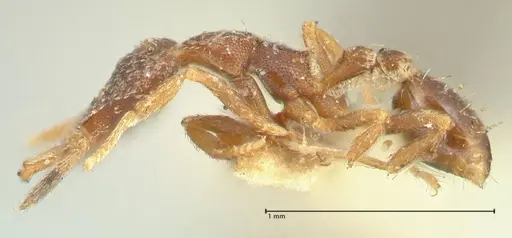
Strumigenys lyroessa is a tiny predatory ant measuring just 2.0-2.1mm in total length, belonging to the subfamily Myrmicinae and tribe Attini. Workers have distinctive spoon-shaped hairs on their scapes and a unique feature: they lack the pronotal humeral hair found in many related species. Their first gastral tergite has stiff, remiform (not spatulate) hairs, which helps distinguish them from similar species like S. tantilla. This species is part of the lyroessa-complex within the Strumigenys genus.
These ants are ground-dwelling litter ants found in wet tropical forests across South and Southeast Asia. They inhabit rainforest floors and have also been recorded in rubber plantations [1]. Their tiny size and cryptic lifestyle make them challenging to study in the wild, and they remain poorly understood in captivity.
Quick Summary
- Difficulty: Expert
- Origin & Habitat: Native to South and Southeast Asia, with confirmed records from Sri Lanka, India (Arunachal Pradesh, Assam, Goa, Gujarat, Karnataka, Kerala, Maharashtra, Nagaland, Sikkim, Tamil Nadu, West Bengal), Bhutan, and southern China (Yunnan) [2][3][4]. They live in rainforest litter and have been found in rubber plantations, with specimens collected through soil and leaf-litter sifting [5].
- Colony Type: Colony structure is unconfirmed. Based on related Strumigenys species, they likely form small colonies with single queens.
- Size & Growth:
- Queen: Undescribed, queen measurements not available in literature
- Worker: 2.0-2.1mm total length, HL 0.47mm, HW 0.80mm
- Colony: Likely small, under 100 workers based on typical Strumigenys colony sizes
- Growth: Slow, Strumigenys species are notoriously slow-growing in captivity
- Development: Estimated 8-12 weeks based on related Dacetini species (Development is slow, expect several months from egg to first worker at optimal temperature)
- Antkeeping:
- Temperature: Keep at 24-28°C, these are tropical rainforest ants that need warmth
- Humidity: High humidity required, aim for 70-85%. Keep the nest substrate consistently moist but not waterlogged, mimicking damp forest floor conditions
- Diapause: No, being tropical, they do not require hibernation. Keep temperatures stable year-round
- Nesting: Provide a naturalistic setup with multiple small chambers or a Y-tong/plaster nest with tight chambers scaled to their tiny size. They prefer dark, humid environments with minimal disturbance
- Behavior: Strumigenys lyroessa is a specialized predator. Like other Dacetini ants, they use their trap-jaw mandibles to capture small prey like springtails, mites, and other micro-arthropods found in leaf litter. They are not aggressive and will flee from threats rather than engage. Their tiny size makes them excellent escape artists, they can slip through the smallest gaps. Workers are slow-moving and spend most of their time foraging in the substrate. They are not suited for beginners due to their specialized dietary needs and slow growth.
- Common Issues: tiny size means escapes are likely without fine mesh barriers and tight-fitting lids, specialized diet makes them difficult to feed, they need live micro-prey like springtails, slow growth tests keeper patience and can lead to overfeeding attempts, humidity control is critical, too dry and colonies desiccate, too wet and mold becomes a problem, wild-caught colonies may carry parasites that can decimate small colonies in captivity
Housing and Nest Setup
Strumigenys lyroessa requires careful housing due to their minute size. A naturalistic setup with a substrate layer of moist soil or plaster works well, the key is maintaining high humidity while preventing mold. Y-tong (AAC) nests with very small chambers are suitable, as are plaster nests designed for tiny species. The nest should be kept dark, as these litter-dwelling ants prefer minimal light exposure. Because of their tiny size, escape prevention is critical: use fine mesh (at least 0.5mm or tighter) on any ventilation holes and ensure all connections are sealed. A small outworld area allows for feeding, but keep it simple to prevent escapes during feeding times. Many keepers success with a test tube setup inserted into a small container with moist substrate, this maintains humidity while allowing observation.
Feeding and Diet
This is the most challenging aspect of keeping Strumigenys lyroessa. As predatory Dacetini ants, they require live small prey, they are not scavengers and rarely accept dead food. Their primary diet should be live springtails (Collembola), which can be cultured separately and added to the colony. They may also accept tiny isopods, booklice (Psocoptera), and other micro-arthropods. Some colonies have been observed accepting small fruit flies. Sugar sources are typically ignored, these are strict predators. Feed small amounts of prey every 2-3 days, removing any uneaten prey after 24 hours to prevent mold. Never attempt to feed them larger prey items, their tiny mandibles are specialized for capturing only the smallest invertebrates. The key to success is establishing a thriving springtail culture before acquiring the ants.
Temperature and Humidity
Strumigenys lyroessa needs warm, humid conditions to thrive. Maintain temperatures between 24-28°C (75-82°F), avoid temperatures below 22°C as this can slow activity and potentially harm the colony. A gentle heat gradient allows the ants to self-regulate. Humidity should be kept high at 70-85%, the substrate should feel consistently damp but never waterlogged. Use a water reservoir connected to the nest to maintain moisture over time. Avoid placing the colony near air conditioning or heating vents that create dry airflow. Monitor for condensation buildup, which indicates humidity is too high, and increase ventilation if needed. The combination of heat and humidity makes them prone to mold issues, so balance is essential.
Growth and Development
Strumigenys species are notoriously slow-growing compared to many common ant species. Expect development from egg to first worker to take 8-12 weeks at optimal temperature (around 26°C), though this is an estimate based on related species. The first workers (nanitics) will be very small and may have difficulty molting, ensure humidity is high enough to prevent desiccation during ecdysis. Colony growth is gradual: even healthy colonies may take 6-12 months to reach 20-30 workers. Do not attempt to accelerate growth by increasing temperatures beyond the optimal range, this can be fatal. Patience is essential with this species. Once established, colonies can live for several years, but initial founding and early growth phases are delicate.
Frequently Asked Questions
How long does it take for Strumigenys lyroessa to produce first workers?
Expect 8-12 weeks from egg to first worker at optimal temperature (around 26°C). This is slower than many common ant species, so patience is essential. The first workers (nanitics) will be very small and may take time to develop.
What do Strumigenys lyroessa ants eat?
They are strict predators that require live small prey. Their primary food should be live springtails (Collembola), which you can culture separately. They may also accept tiny isopods, booklice, and fruit flies. They do not accept sugar or dead food, if they cannot catch it, they will not eat it.
Can I keep Strumigenys lyroessa in a test tube?
Yes, test tubes can work for founding colonies, but you must maintain high humidity and provide access to live prey. A small container with moist substrate and a test tube water reservoir is a simple setup that works well. Ensure the cotton plug is secure but allows some humidity exchange. Due to their tiny size, check for escapes regularly.
Are Strumigenys lyroessa good for beginners?
No, this species is rated Expert difficulty. Their specialized diet (live micro-prey), slow growth, tiny size (escape risk), and high humidity requirements make them unsuitable for beginners. They are best kept by experienced antkeepers who can provide the specific conditions they need.
Do Strumigenys lyroessa need hibernation?
No, being a tropical species from rainforest habitats, they do not require hibernation. Keep temperatures stable year-round in the 24-28°C range. Temperature drops below 22°C can slow or stop activity and may harm the colony.
How big do Strumigenys lyroessa colonies get?
Based on typical Strumigenys species, colonies likely reach under 100 workers at maturity. They are not large colony formers, expect modest colony sizes even in established nests. Growth is slow, with colonies taking many months to reach even 20-30 workers.
Why are my Strumigenys lyroessa dying?
Common causes include: too low humidity (desiccation), wrong food (offering dead prey or sugar), temperatures too cold or too hot, escapes through tiny gaps, and stress from excessive disturbance. Review each parameter and make adjustments gradually. Wild-caught colonies may also carry parasites that can cause colony collapse.
When should I move Strumigenys lyroessa to a formicarium?
Wait until the colony has at least 15-20 workers before moving. Moving too early can stress the colony during the delicate founding phase. A small Y-tong or plaster nest with tiny chambers works well once they outgrow a test tube setup. Ensure the new setup maintains the same high humidity conditions.
Can I keep multiple queens together?
Combining unrelated queens of this species has not been documented. Based on typical Strumigenys behavior, it is not recommended, queens are likely territorial during founding. Start with a single queen colony for best success.
References

This caresheet is licensed under CC BY-SA 4.0 .
CASENT0001748
View on AntWeb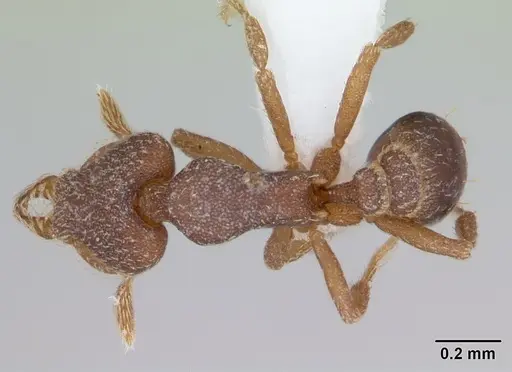
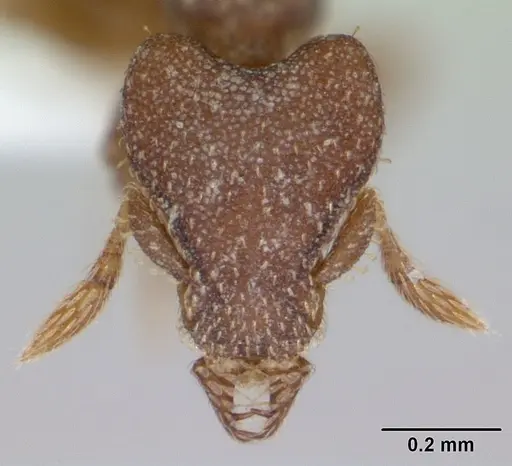
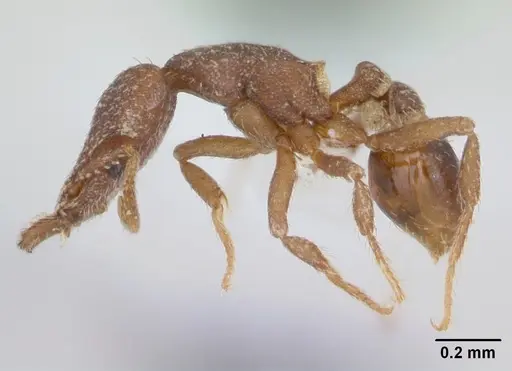
CASENT0178472
View on AntWeb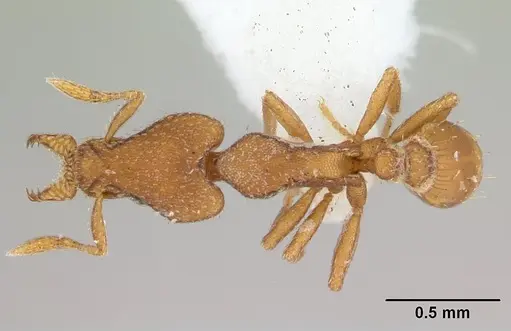
CASENT0280737
View on AntWeb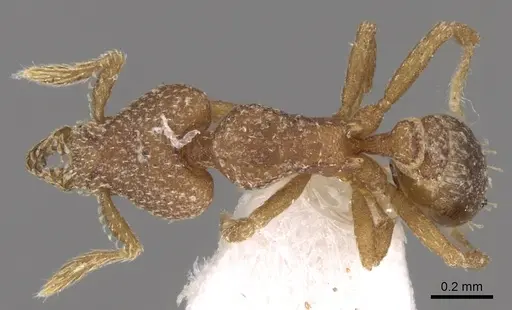
CASENT0914845
View on AntWeb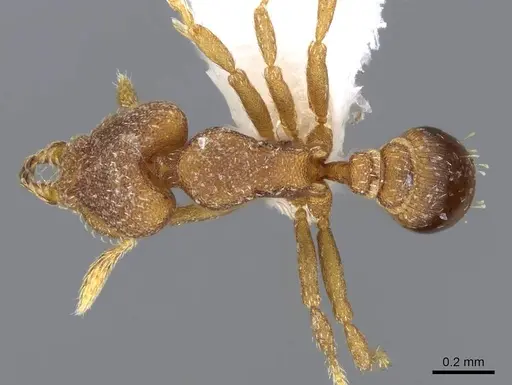
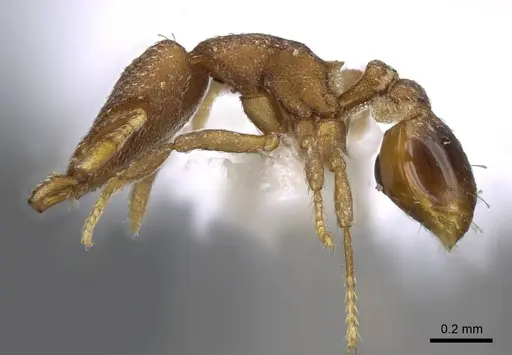
FOCOL2155
View on AntWeb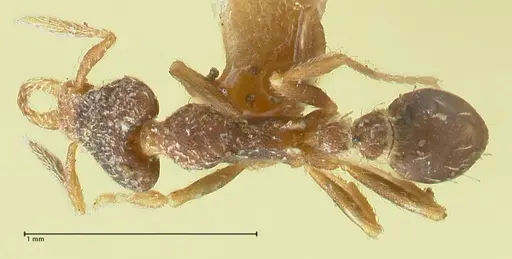
Literature
Loading...Loading products...