

Strumigenys actis
- Scientific Name
- Strumigenys actis
- Tribe
- Attini
- Subfamily
- Myrmicinae
- Author
- Fisher, 2000
- Distribution
- Found in 1 countries
Strumigenys actis Overview
Strumigenys actis is an ant species of the genus Strumigenys. It is primarily documented in 1 countries , including Madagascar. Detailed taxonomic data and occurrence records can be further explored via authoritative databases such as AntWeb or the Global Biodiversity Information Facility (GBIF).
Strumigenys actis
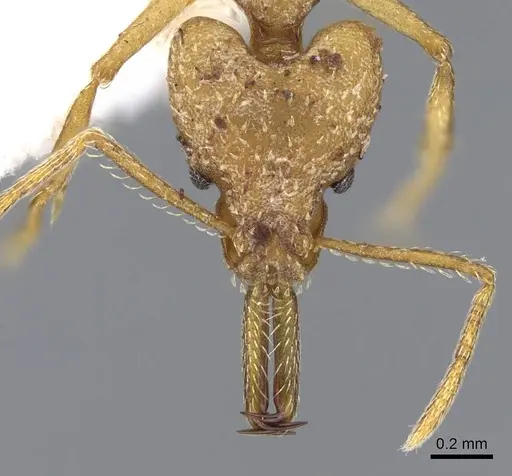
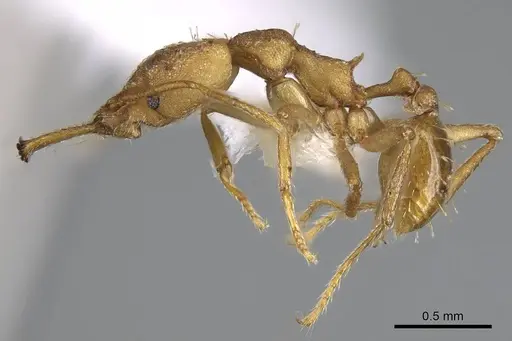
Strumigenys actis is a small predatory ant native to Madagascar, measuring 3.3-3.9mm in total length [1]. Workers are dull yellow to light medium brown in color, with distinctive spoon-shaped hairs covering their head and body. This species belongs to the Strumigenys grandidieri group, specifically the chilo complex, and features specialized trap-jaw mandibles used for hunting tiny prey [1].
These ants are specialized predators that primarily hunt springtails and other micro-arthropods. They inhabit forest litter, rotten wood, and moss-covered areas in Madagascar's humid forest environments [1]. Their hunting strategy involves using their rapid trap-jaw mandibles to capture prey much smaller than themselves.
Quick Summary
- Difficulty: Medium
- Origin & Habitat: Madagascar, found in rainforest and forest habitats including litter, rotten wood, under moss and rocks, and occasionally on vegetation [1][2]
- Colony Type: Likely monogyne (single queen) based on typical Strumigenys colony structure
- Colony: Monogyne
- Founding: Claustral
- Size & Growth:
- Queen: Undescribed, estimated 4-5mm based on worker size
- Worker: 3.3-3.9mm total length [1]
- Colony: Unknown for this specific species, related Strumigenys species typically reach 100-500 workers
- Growth: Slow, Strumigenys are slow-growing ants
- Development: Estimated 8-12 weeks at optimal temperature based on genus patterns (Development is slow, colonies remain small even when established)
- Antkeeping:
- Temperature: Keep at 22-26°C, they prefer warm, humid forest conditions [2]
- Humidity: High humidity required (70-85%), these forest floor ants need consistently moist substrate
- Diapause: Unknown for this species, likely no true diapause given Madagascar's climate, but may reduce activity in cooler months
- Nesting: Prefer humid nests with fine substrate, test tubes with cotton and naturalistic setups with moist soil work well. They nest in rotten wood and forest litter in the wild [1]
- Behavior: Shy and non-aggressive, these tiny ants are specialized predators that avoid confrontation. Workers forage individually for springtails and other micro-prey. Escape prevention is critical due to their very small size, they can squeeze through standard barrier gaps. They are not defensive and rarely sting.
- Common Issues: slow colony growth can frustrate beginners, don't overfeed or disturb the colony, escape prevention is essential due to tiny 3mm size, use fine mesh barriers, specialized diet means they may refuse standard ant foods, live springtails are essential, high humidity requirements can lead to mold if ventilation is poor, wild-caught colonies may have parasites that cause colony collapse
Housing and Nest Setup
Strumigenys actis requires high humidity and should be housed in setups that retain moisture well. Test tubes with a water reservoir work well for founding colonies, while naturalistic setups with moist soil or plaster nests suit established colonies. The nest should be kept humid but not waterlogged, aim for consistent moisture without standing water. Because they are tiny (around 3mm), excellent escape prevention is critical. Use fine mesh on any openings and apply barrier gel or fluon to prevent escapes. Avoid tall formicarium chambers as these small ants prefer low, confined spaces similar to their natural forest floor habitat [1].
Feeding and Diet
This species is a specialized predator that requires live springtails as their primary food source. Strumigenys have trap-jaw mandibles adapted for catching tiny, fast-moving prey. Do not rely on sugar water or honey, these ants are carnivorous and will not survive on carbohydrate sources alone. Offer small live prey such as springtails, tiny isopods, or fruit flies. Feed small amounts 2-3 times per week, removing uneaten prey after 24 hours. The colony will cluster around prey items as they dismember and consume them. A well-fed colony will have workers with distended abdomens. Never feed them prey that is too large, springtails and other micro-arthropods should be no larger than the ants themselves [1].
Temperature and Humidity
Keep Strumigenys actis at 22-26°C with humidity around 75-85%. These forest-dwelling ants from Madagascar require warm, humid conditions to thrive. A heating cable on one side of the nest can create a temperature gradient, allowing the ants to choose their preferred zone. Monitor humidity using a hygrometer placed near the nest. Mist the outworld occasionally but avoid direct spraying on the nest. The key is consistency, sudden changes in temperature or humidity can stress the colony. If the substrate dries out, slowly rehydrate by adding water to the reservoir rather than flooding the nest [2].
Behavior and Colony Dynamics
Strumigenys actis workers are shy foragers that hunt individually rather than in groups. They use their specialized trap-jaw mandibles to deliver lightning-fast strikes to springtails and other tiny prey. Colonies remain relatively small, typically under a few hundred workers even when mature. The queen is likely claustral, she seals herself in a chamber and raises the first workers alone without foraging. Workers are non-aggressive and will flee rather than fight when threatened. They communicate through chemical signals and may use tandem-running to recruit nestmates to large prey items. Observe the colony at night as these ants are often more active in darkness [1].
Frequently Asked Questions
What do Strumigenys actis ants eat?
Strumigenys actis are specialized predators that primarily eat live springtails. They will also accept other tiny live prey such as fruit flies, tiny isopods, and micro-arthropods. Do not feed them sugar water or honey, they are carnivorous and require protein-rich live food to survive [1].
How long does it take for Strumigenys actis to raise first workers?
Based on typical Strumigenys development, expect 8-12 weeks from egg to first worker at optimal temperature (24-26°C). Development is slow, and colonies grow gradually. The founding queen seals herself in and raises the first brood alone using stored fat reserves [1].
Can I keep Strumigenys actis in a test tube?
Yes, test tubes work well for founding colonies. Use a test tube with a water reservoir and cotton plug, keeping it horizontal so the ants can choose their humidity zone. Ensure excellent escape prevention, these 3mm ants can squeeze through tiny gaps. Cover any openings with fine mesh [1].
Why is my Strumigenys colony dying?
Common causes include: wrong diet (they need live springtails, not sugar), low humidity (they require 75-85%), temperature extremes, or parasites from wild-caught colonies. Ensure proper humidity, feed exclusively live micro-prey, and avoid disturbing the colony during founding [1].
Are Strumigenys actis good for beginners?
Strumigenys actis is a medium-difficulty species. While not the hardest ant to keep, they require specialized care, specifically live springtails as food and high humidity. Beginners should have experience with humidity-loving species before attempting this ant [1].
How big do Strumigenys actis colonies get?
Based on related species, colonies likely reach 100-500 workers at maturity. They remain relatively small compared to many common ant species. Growth is slow, expect several months to a year to reach 50 workers [1].
Do Strumigenys actis need hibernation?
Hibernation is not required, Madagascar has a tropical climate with minimal temperature variation. However, you may reduce feeding and slightly lower temperatures (to around 20°C) during what would be the winter months in the Northern Hemisphere. Do not cool them dramatically [1].
When should I move Strumigenys actis to a formicarium?
Wait until the colony has 30-50 workers before moving to a larger setup. Strumigenys prefer cramped spaces, so even a small formicarium or naturalistic setup works. Ensure the new setup maintains high humidity and has appropriate prey-sized hunting areas [1].
Can I keep multiple Strumigenys actis queens together?
Strumigenys are typically single-queen species. Combining unrelated queens is not recommended and likely results in fighting. Only one queen per colony should be kept [1].
References

This caresheet is licensed under CC BY-SA 4.0 .
CASENT0005467
View on AntWeb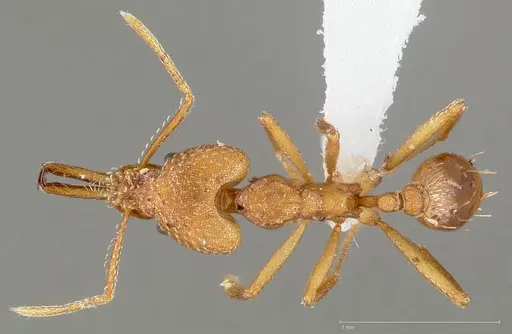
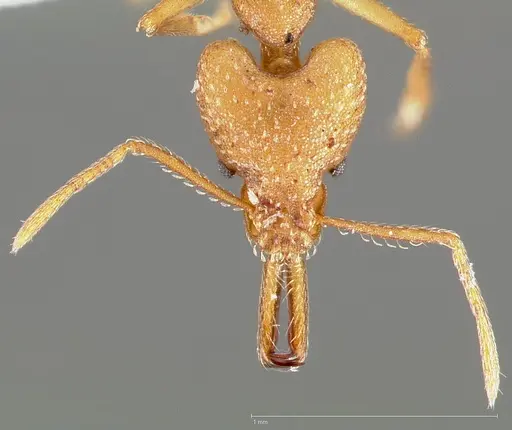
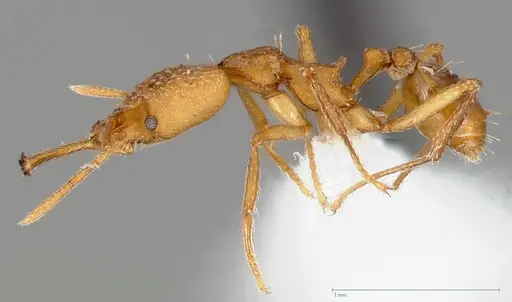
CASENT0914759
View on AntWeb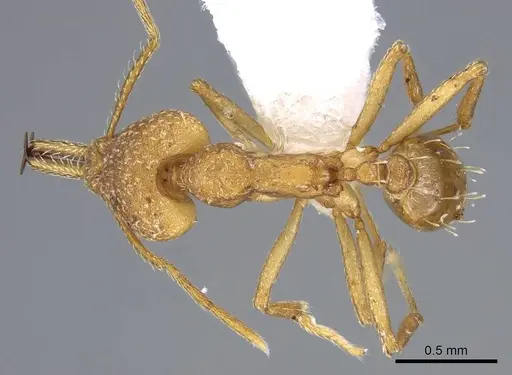
Literature
Loading...Loading products...