

Strongylognathus kervillei
- Scientific Name
- Strongylognathus kervillei
- Tribe
- Crematogastrini
- Subfamily
- Myrmicinae
- Author
- Santschi, 1921
- Distribution
- Found in 1 countries
Strongylognathus kervillei Overview
Strongylognathus kervillei is an ant species of the genus Strongylognathus. It is primarily documented in 1 countries , including Türkiye. Detailed taxonomic data and occurrence records can be further explored via authoritative databases such as AntWeb or the Global Biodiversity Information Facility (GBIF).
Strongylognathus kervillei
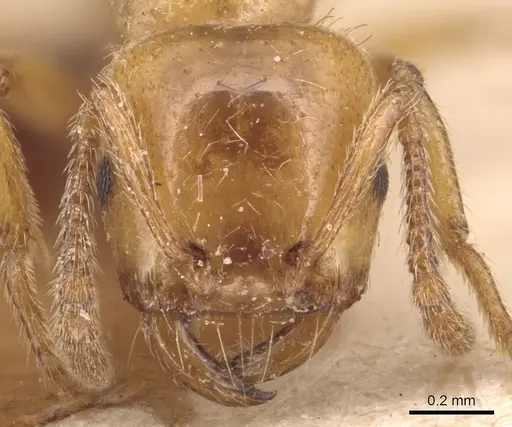
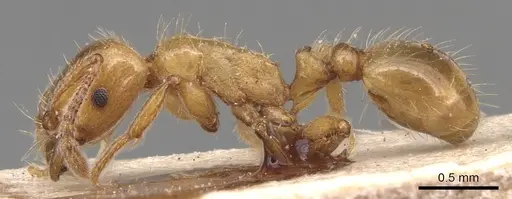
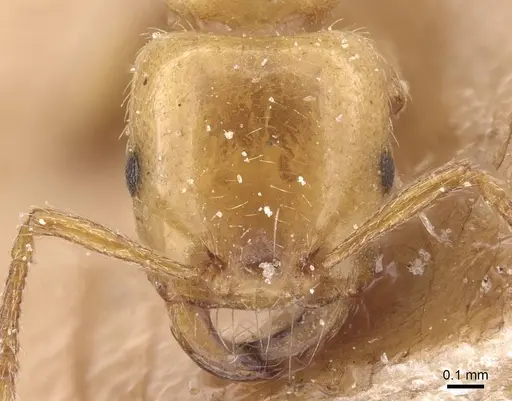
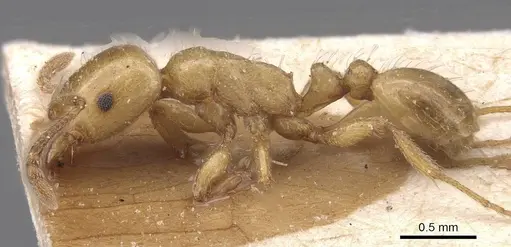
Strongylognathus kervillei is a small to medium-sized ant species belonging to the Myrmicinae subfamily, specifically the Crematogastrini tribe [1]. Workers are characterized by their bulky heads and exceptionally prominent pronotum angles, which make them visually distinctive [1]. This species was first described from Ankara, Turkey in 1921 and was rediscovered in the early 2000s with additional specimens found throughout central Anatolia and into the Levant region [1]. The queen caste was only documented in 2002,as the original description only covered workers [1]. As a member of the huberi group, this species is closely related to S. destefanii and S. silvestrii, though it remains a clearly definable species [1].
This ant is a socially parasitic species, meaning it depends on host ant colonies for its reproduction. Strongylognathus species are known for their dulotic behavior, they raid colonies of related ant species and steal brood to raise as workers in their own nests. This makes them fascinating but challenging to keep, as they require a host colony to survive long-term.
Quick Summary
- Difficulty: Expert
- Origin & Habitat: Native to Turkey, specifically the central Anatolian region around Ankara and extending through the eastern Mediterranean coast [1]. Found at elevations ranging from 500m to 1600m, in various habitats including forested areas and agricultural landscapes [2][1].
- Colony Type: Social parasite, colony structure is dependent on host species. As a dulotic ant, this species raids Tetramorium or similar host colonies to acquire workers [1].
- Colony: Monogyne
- Queen: Socially parasitic, Temporary parasitic
- Special: Slave-making
- Size & Growth:
- Queen: Estimated 5-7mm based on genus patterns [1]
- Worker: Estimated 3-5mm based on genus patterns [1]
- Colony: Unknown, likely small colonies typical of socially parasitic ants
- Growth: Unknown
- Development: Unknown, estimated 6-10 weeks based on related Myrmicinae species (Direct development data unavailable, estimates based on genus-level patterns for Strongylognathus)
- Antkeeping:
- Temperature: Keep at 20-24°C, typical for temperate ant species. A gentle gradient allows thermoregulation.
- Humidity: Moderate humidity around 50-60%. Provide a moist nest chamber but avoid waterlogging.
- Diapause: Likely requires winter diapause (4-6 weeks at 10-15°C) based on temperate distribution in Turkey [1].
- Nesting: Y-tong (AAC) nests or plaster nests work well. Provide connections to a host colony setup if keeping long-term.
- Behavior: This is a specialized social parasite with dulotic behavior. Workers are not typical foragers but conduct raids on host colonies to steal brood. They are not aggressive toward keepers but their specialized lifestyle makes them challenging. Escape risk is moderate, standard formicarium barriers are sufficient. Queens are likely ergatoid (wingless) based on genus patterns.
- Common Issues: requires host colony to function, cannot survive without host workers, difficult to establish, raids often fail and colonies can collapse, rare in the hobby, limited availability and high cost, slow colony growth due to parasitic lifestyle, may be lost during hibernation if not properly prepared
Understanding This Species
Strongylognathus kervillei is a socially parasitic ant, specifically a dulotic species that raids colonies of related ant species to steal brood [1]. This is one of the most challenging types of ants to keep because they cannot establish self-sustaining colonies without a host. In the wild, founding queens likely invade Tetramorium or similar host nests, kill the resident queen, and use the host workers to raise their own brood. Once the first generation of slave workers emerges, the colony becomes functional.
The species was first discovered in 1921 near Ankara and was considered very rare until rediscovered in 2002 in multiple locations across Turkey [1]. Workers are distinctive with their bulky heads and prominently angled pronotum (the section just behind the head) [1]. Queens were only described in 2002,and they share the same distinctive pronotum features [1].
This species represents a well-defined taxon within the huberi group, though its exact relationship with other Middle Eastern Strongylognathus species continues to be studied [1]. The distribution spans from central Anatolia to the Levant, with populations in Syria, Lebanon, and potentially Palestine along the Orontes-Jordan rift valley [1].
Housing Requirements
Housing Strongylognathus kervillei requires a dual-setup: one chamber for the parasite colony and another for the host colony, connected by tubing. The nest itself can be standard, Y-tong (AAC), plaster, or acrylic nests all work well. Keep the nest at room temperature (20-24°C) with moderate humidity around 50-60% [1].
The critical component is the host colony. You will need a healthy colony of Tetramorium species (likely T. caespitum or a related species native to Turkey) to serve as the host. The host colony should be well-established with at least 50-100 workers before introducing the parasites.
Escape prevention is important but not as critical as for tiny ants. Standard barriers work well, though you should monitor for escapes during raid preparations when workers become more active. Provide a water tube and sugar water constant in both the parasite and host enclosures.
Feeding and Nutrition
Feeding socially parasitic ants requires attention to both the parasite colony and the host colony. The host workers need a standard ant diet: protein sources like fruit flies, small crickets, or mealworms, plus sugar sources like honey water or sugar water. The parasite workers themselves will eat what the host workers bring back, so maintaining a well-fed host colony is essential.
Strongylognathus kervillei likely has similar dietary needs to other Myrmicinae, they are omnivorous and will accept both protein and sugar. Feed the host colony every 2-3 days with small prey items, and keep sugar water available at all times. The parasite workers will feed through trophallaxis (mouth-to-mouth food sharing) with the host workers.
Do not overfeed, excess food mold can be deadly to both colonies. Remove uneaten prey after 24 hours. [1]
The Raid and Colony Establishment
The most critical and challenging aspect of keeping dulotic ants is the raid, the process by which parasite workers invade the host colony to steal brood. This is when most colonies fail. The parasite workers will attack the host colony, fighting host workers, and carrying larvae and pupae back to their own nest.
Successful raids require timing and preparation. The parasite colony should have some workers but limited brood. Introduce a connection between the two colonies and allow the parasites to discover the host. Expect some casualties on both sides. After the raid, the stolen brood will emerge as host-species workers that now serve the parasite colony.
Not all raids succeed. If the host colony is too strong or the parasite colony too small, the raid fails. Some keepers recommend cooling both colonies slightly to reduce aggression during introduction. If a raid fails, you may need to obtain more host brood or start with a larger parasite group. [1]
Seasonal Care and Overwintering
Based on the species' distribution in Turkey, Strongylognathus kervillei likely experiences a winter dormancy period. Turkey has cold winters, especially at the higher elevations (up to 1600m) where this species has been found [1]. You should provide a diapause period of 4-6 weeks at 10-15°C during winter months.
Reduce feeding during diapause and keep both colonies slightly cooler. Do not separate the parasite from the host during hibernation, they must remain connected. Monitor for excessive moisture, which can kill colonies during cold periods. Some keepers recommend keeping the setup slightly drier during winter rest.
In summer, maintain normal room temperatures and ensure good ventilation. The species likely has peak activity during the warmer months, which aligns with breeding and raid behavior.
Legal and Ethical Considerations
Strongylognathus kervillei is native to Turkey and should not be released outside its natural range. If you are keeping this species in Turkey, release is generally acceptable but ensure the colony is healthy and the location is within the species' documented range. If keeping outside Turkey, do not release, this is an invasive species risk and may be illegal.
This species is protected in some areas of its range due to its rarity. Always verify that your source is ethical and that the ants were not taken from protected populations. The species is considered rare in the wild, so captive propagation is preferable to wild collection. [1]
Frequently Asked Questions
Can I keep Strongylognathus kervillei without a host colony?
No. Strongylognathus kervillei is a socially parasitic ant that cannot survive without a host colony. As a dulotic species, it raids Tetramorium or similar ant colonies to obtain workers. Without a host, the colony will eventually die out as workers age and no replacements emerge. You must maintain both the parasite colony and a host colony long-term.
What host species do I need for Strongylognathus kervillei?
Strongylognathus kervillei likely uses Tetramorium species as hosts, based on its position in the Crematogastrini tribe and related Strongylognathus species. In Turkey, Tetramorium caespitum or similar species would be appropriate. The host colony should be established with at least 50-100 workers before introduction.
How do I introduce Strongylognathus kervillei to a host colony?
Connect the parasite nest to the host nest via tubing and allow the parasites to discover the host colony. The parasites will conduct a raid, fighting host workers and stealing brood. Expect casualties on both sides. Some keepers cool both colonies slightly to reduce aggression during introduction. A successful raid results in host brood being raised by the parasite colony.
Are Strongylognathus kervillei ants aggressive?
Strongylognathus kervillei workers are specialized for raiding and will fight host colony workers during raids. However, they are not typically aggressive toward keepers and do not sting. Their main aggression is directed at the host species during colony establishment. Standard handling precautions are sufficient.
How long does it take for the first slave workers to emerge?
The timeline is not specifically documented for this species. Based on typical Myrmicinae development, expect 6-10 weeks from stolen egg to emerged worker. The stolen brood will develop into host-species workers that then serve the parasite colony. After this first generation, the colony becomes more self-sustaining.
Do Strongylognathus kervillei need hibernation?
Yes, based on the species' distribution in Turkey, a winter diapause of 4-6 weeks at 10-15°C is recommended. This mimics the natural seasonal cycle in their native habitat and supports colony health. Reduce feeding during this period and keep both parasite and host colonies connected.
Can I keep multiple Strongylognathus kervillei queens together?
This is not recommended. Strongylognathus kervillei is likely monogyne (single queen) based on typical dulotic ant behavior. Multiple unrelated queens would likely fight, and there is no documented evidence that this species can found colonies pleometrotically (multiple queens together). Keep single-queen colonies.
Is Strongylognathus kervillei good for beginners?
No. This species is rated Expert difficulty due to its parasitic lifestyle requiring a host colony, the complexity of raid establishment, and its rarity in the hobby. Beginners should start with simpler species like Lasius, Camponotus, or Tetramorium before attempting socially parasitic ants.
What happens if a raid fails?
If a raid fails, the parasite colony may lose workers without gaining host brood. You can try again with a larger parasite group or more host brood available. If the parasite colony is too small or the host too strong, the raid may not succeed. Some keepers attempt multiple introductions over time.
Where does Strongylognathus kervillei live in the wild?
This species is endemic to Turkey, found primarily in central Anatolia (around Ankara) and extending to the eastern Mediterranean coast and Levant region [1]. It has been recorded at elevations from 500m to 1600m in various habitats including forested areas and agricultural landscapes [1].
References

This caresheet is licensed under CC BY-SA 4.0 .
CASENT0904870
View on AntWeb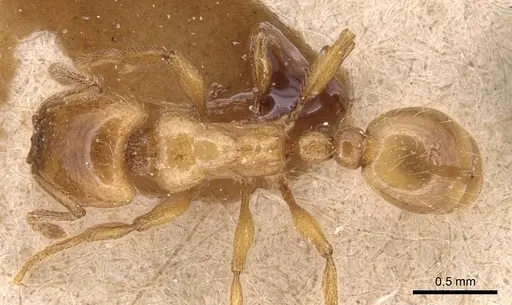
CASENT0913976
View on AntWeb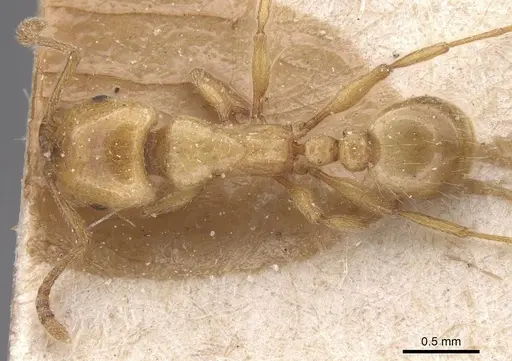
Literature
Loading...Loading products...