

Stigmatomma oregonense
- Scientific Name
- Stigmatomma oregonense
- Tribe
- Amblyoponini
- Subfamily
- Amblyoponinae
- Author
- Wheeler, 1915
- Distribution
- Found in 2 countries
Stigmatomma oregonense Overview
Stigmatomma oregonense is an ant species of the genus Stigmatomma. It is primarily documented in 2 countries , including Canada, United States of America. Detailed taxonomic data and occurrence records can be further explored via authoritative databases such as AntWeb or the Global Biodiversity Information Facility (GBIF).
Stigmatomma oregonense
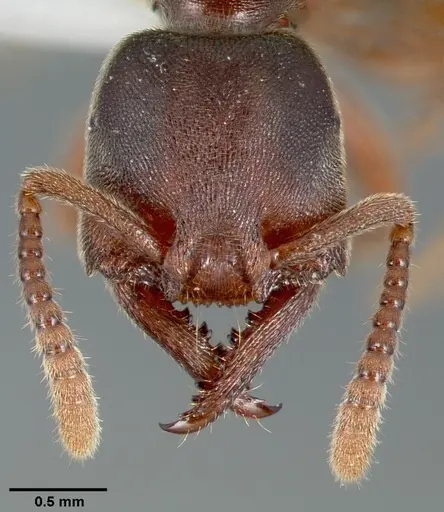
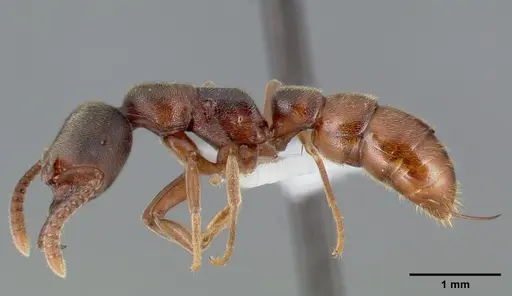
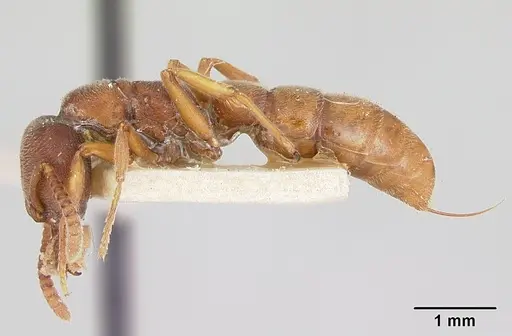
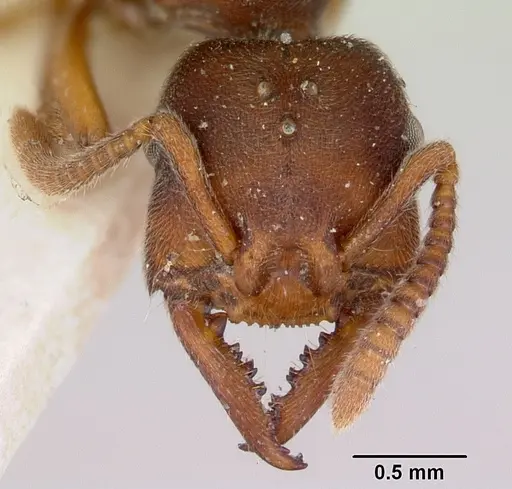
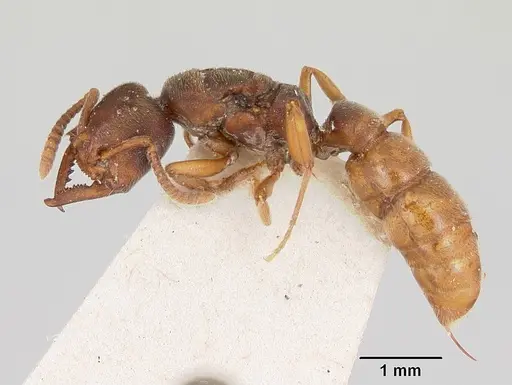
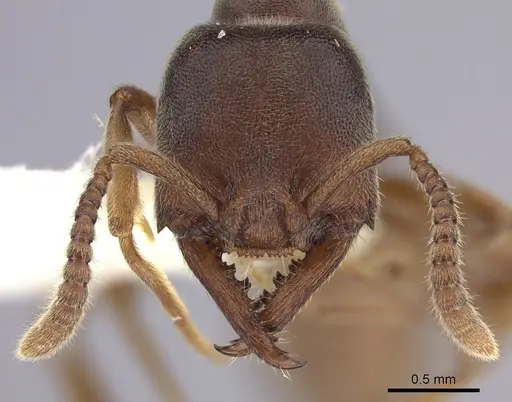
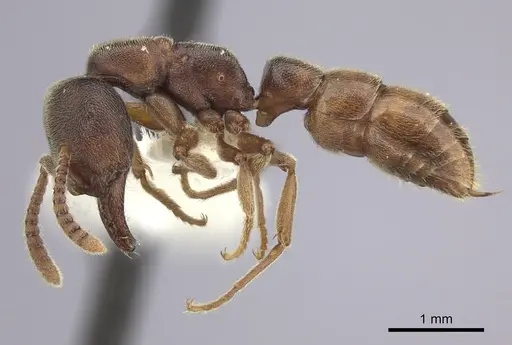
Stigmatomma oregonense is a large, distinctive ant species native to the Pacific Northwest of North America. Workers are robust with broad heads (head width 1.21-1.40mm) and straight mandibles, making them one of the larger Stigmatomma species in the region [1]. The species was originally described as a subspecies of Stigmatomma pallipes but was elevated to full species status in 1960,with morphological differences in clypeus and mandible shape distinguishing it from related species [1]. Queens closely resemble workers but have notably larger eyes.
What makes S. oregonense truly fascinating is its specialized predatory lifestyle. Unlike most ants that will accept various protein sources, these ants are extreme centipede specialists. In the wild, their principal prey is geophilomorph centipedes (the long, flexible kind), and laboratory observations show workers meticulously stinging, dragging, and chewing prey before feeding it to larvae. This specialized diet presents unique challenges for antkeepers, as maintaining a supply of live centipedes is far more difficult than standard feeder insects [1].
Quick Summary
- Difficulty: Expert
- Origin & Habitat: Pacific Northwest of North America, from southern British Columbia through northern California. Found in shaded, mixed coniferous forest dominated by Douglas fir, pine, incense cedar, and fir trees, along with maple and oak. Elevation ranges from 580m to 1740m. Nests under bark of large, moist, rotten coniferous logs in shaded forest areas [1][2].
- Colony Type: Polygynous, colonies contain multiple queens and are often diffusely distributed throughout a log. Multiple-queen colonies with abundant brood have been documented in the field [1].
- Colony: Polygyne
- Size & Growth:
- Queen: Similar to workers but with larger eyes, dealated queens are known [1]
- Worker: Head width 1.21-1.40mm, large for the genus [1]
- Colony: Colonies can be populous with abundant brood [1]
- Growth: Moderate, laboratory colonies showed slow decline with larval mortality [1]
- Development: Unknown, specific development timeline not documented in research. Based on typical Amblyoponinae patterns, expect 8-12 weeks at optimal temperature. (Lab colonies in California produced alates between August 6-14 from a July collection, suggesting several months for sexual brood development [1])
- Antkeeping:
- Temperature: Keep cool to moderate, these ants inhabit shaded forest at higher elevations (580-1740m), so aim for 18-22°C. Avoid warm conditions. Room temperature is likely appropriate for most keepers.
- Humidity: High humidity required, they nest in moist, rotten logs in shaded forest. Keep nest substrate consistently damp but not waterlogged. Provide a moisture gradient so ants can choose their preferred zone.
- Diapause: Likely yes, as a temperate species from higher elevations, they probably require a winter rest period. Alates emerge in August-September, suggesting a seasonal cycle. Provide 3-4 months at 10-15°C during winter.
- Nesting: Natural nesting is under bark of large, moist, rotten coniferous logs. In captivity, a naturalistic setup with rotten wood or cork bark works well. They need tight, dark chambers and will spread brood throughout available space. Y-tong or plaster nests can work if kept adequately moist.
- Behavior: Workers are specialized predators that hunt centipedes. They sting prey repeatedly to subdue it, then drag it back to the nest for prolonged mastication (1-3 hours). During this time workers consume hemolymph from the prey. Larvae are piled onto the centipede to feed. Notably, queens and workers also practice non-lethal cannibalism, puncturing larvae to feed on hemolymph, this behavior increases when centipede prey runs out [1]. Workers are not particularly aggressive toward keepers but have functional stingers (Amblyoponinae). Escape risk is moderate, medium-sized ants that can climb smooth surfaces but are not extreme escape artists.
- Common Issues: Specialized diet makes this species extremely difficult to keep, they refuse most standard feeder insects and require live centipedes, Laboratory colonies consistently declined with high larval mortality, this species may be challenging to maintain long-term in captivity, High humidity requirements can lead to mold problems if ventilation is inadequate, Non-lethal cannibalism behavior means larvae may be damaged if prey runs out, Polygynous structure may complicate colony establishment compared to single-queen species
Housing and Nest Setup
Stigmatomma oregonense requires a naturalistic setup that mimics its natural habitat in rotten logs. The best approach is a terrarium-style setup with several inches of moist substrate (a mix of soil and rotting wood fragments) topped with pieces of cork bark or actual rotten wood logs. Keep the setup consistently moist but not waterlogged, these ants come from damp forest floor environments. A small water reservoir or regular misting helps maintain humidity. Provide darkness for the nest area, these ants prefer dark, enclosed spaces under bark. Because colonies are polygynous and spread throughout available space, give them room to distribute brood across multiple chambers [1].
Feeding and Diet - The Critical Challenge
This is the most challenging aspect of keeping S. oregonense. They are extreme centipede specialists, geophilomorph centipedes are their primary and preferred prey in the wild [1]. Laboratory colonies readily accepted geophilomorph centipedes but showed little interest in lithobiomorph centipedes (the shorter, more common kind). They also accepted small arthropods like Drosophila but could not be sustained long-term on this diet.
In captivity, you will need to provide live geophilomorph centipedes regularly. These can be collected from moist garden soil or purchased from specialized suppliers. When workers capture a centipede, they sting it repeatedly, drag it to a brood chamber, and spend 1-3 hours chewing and liquefying it before larvae can feed. Workers consume hemolymph droplets during this process. The specialized feeding behavior is fascinating to observe but makes this species impractical for most hobbyists [1].
Temperature and Seasonal Care
Keep S. oregonense cool to moderate. Their natural habitat is shaded coniferous forest at elevations of 580-1740m, where temperatures remain relatively cool. Aim for 18-22°C in the nest area. Avoid warm conditions, overheating stress likely contributes to the colony decline observed in laboratory settings.
For seasonal care, provide a winter diapause period. Alates emerge in August-September in the wild, suggesting a seasonal breeding cycle. During winter (roughly November through February), reduce temperature to 10-15°C and reduce feeding. Keep the substrate slightly less moist during hibernation but do not let it dry out completely. Return to normal temperatures gradually in spring. [1]
Colony Structure and Social Behavior
S. oregonense is polygynous, colonies naturally contain multiple queens working together. This differs from many ant species that have single-queen colonies. Multiple-queen colonies with abundant brood have been found under bark of large, moist, rotten logs [1].
A particularly unusual behavior documented in captivity is non-lethal cannibalism. When prey runs out, queens and workers will puncture larvae to feed on their hemolymph. Larvae develop scars at puncture sites but otherwise survive. This behavior increases when the colony lacks other food sources [1]. Workers also assiduously lick the surface and exposed cuts of centipedes, consuming hemolymph directly.
This social structure and feeding behavior means colonies can be more complex to manage than single-queen species, and colony fragments can establish more easily since multiple queens may be present.
Reproduction and Nuptial Flights
Alates (winged reproductive queens and males) emerge in late summer. Laboratory colonies produced alates between August 6-14 from a July collection. Field-collected alates from California and Oregon span August 22 to September 18 [1]. One record from Oregon mentions a swarm at 4pm before rain, suggesting afternoon flights possibly triggered by weather changes.
If you maintain a colony long-term, expect sexual brood to develop in summer, with alates emerging in late August or September. Mated queens would need to found new colonies, though the exact founding behavior (whether claustral or semi-claustral) has not been documented for this species.
Frequently Asked Questions
Can I keep Stigmatomma oregonense in a test tube?
A test tube is not ideal. These ants naturally nest under bark of rotten logs in high-humidity forest environments. A naturalistic setup with moist substrate and pieces of cork bark or rotten wood works best. If you must use a test tube setup, keep it very humid and provide a dark cover, but expect the colony to struggle compared to a naturalistic setup.
What do Stigmatomma oregonense ants eat?
They are extreme centipede specialists, geophilomorph (long, flexible) centipedes are their primary prey. They will accept other small arthropods experimentally, but laboratory colonies could not be sustained on Drosophila or standard feeder insects. If you keep this species, you need a reliable source of live centipedes [1].
How long does it take for Stigmatomma oregonense to develop from egg to worker?
The exact development timeline has not been documented. Based on typical Amblyoponinae patterns, expect approximately 8-12 weeks at optimal temperature (around 20°C). Laboratory colonies in California produced alates from a July collection by August 6-14,suggesting several months for sexual brood development [1].
Do Stigmatomma oregonense ants sting?
Yes. Stigmatomma belongs to the Amblyoponinae subfamily, which has functional stingers. Workers sting centipedes repeatedly to subdue them [1]. While not aggressive toward humans, they can sting if handled roughly. The sting is likely painful but not medically significant for healthy adults.
Can I keep multiple queens together in one colony?
Yes, this is natural for the species. S. oregonense is polygynous, colonies naturally contain multiple queens [1]. Unlike many species where multiple queens leads to fighting, these queens cooperate. If establishing a colony from a wild collection, you can include multiple dealated queens.
How big do Stigmatomma oregonense colonies get?
Colonies can be populous with abundant brood [1]. The exact maximum size is not documented, but they are among the larger Stigmatomma species in the region with head widths of 1.21-1.40mm for workers.
Do Stigmatomma oregonense need hibernation?
Likely yes. As a temperate species from higher elevations (580-1740m) in the Pacific Northwest, they probably require a winter rest period. Alates emerge in August-September, suggesting a seasonal cycle. Provide 3-4 months at 10-15°C during winter, keeping the substrate slightly moist but not wet.
Are Stigmatomma oregonense good for beginners?
No. This is an expert-level species due to its extremely specialized diet (requiring live centipedes), high humidity needs, and the documented difficulty in maintaining laboratory colonies long-term. Most hobbyists should start with easier species like Lasius, Tetramorium, or Camponotus.
Why are my Stigmatomma oregonense larvae dying?
High larval mortality was consistently observed in laboratory colonies, even when fed centipedes [1]. This may indicate the species has specific nutritional requirements not fully understood, or that captive conditions differ from natural log environments. Ensure high humidity, stable cool temperatures (18-22°C), and a constant supply of fresh geophilomorph centipedes. Consider that this species may simply be difficult to maintain long-term in captivity.
What temperature should I keep Stigmatomma oregonense at?
Keep them cool to moderate, around 18-22°C. These ants come from shaded forest at higher elevations where temperatures stay relatively cool. Avoid warm conditions, overheating likely contributes to colony decline. Room temperature is probably appropriate for most keepers. Use a thermometer to monitor actual temperatures in the nest area.
When do Stigmatomma oregonense alates fly?
Late summer. Field-collected alates from California and Oregon span August 22 to September 18. Laboratory colonies produced alates between August 6-14 from a July collection. One record mentions a swarm at 4pm before rain, suggesting afternoon flights possibly triggered by weather changes [1].
Why do workers feed on larval hemolymph?
This is documented non-lethal cannibalism behavior. Queens and workers puncture larvae to feed on their hemolymph. Larvae develop scars at puncture sites but otherwise survive. This behavior increases when the colony runs out of centipede prey [1]. It appears to be a supplemental food source during lean times rather than normal feeding behavior.
References

This caresheet is licensed under CC BY-SA 4.0 .
CASENT0005433
View on AntWeb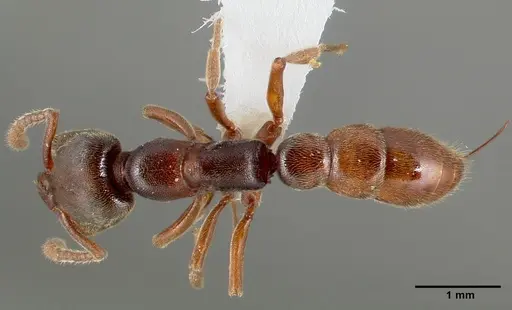
CASENT0103326
View on AntWeb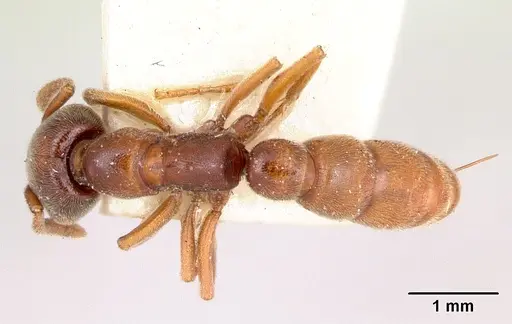
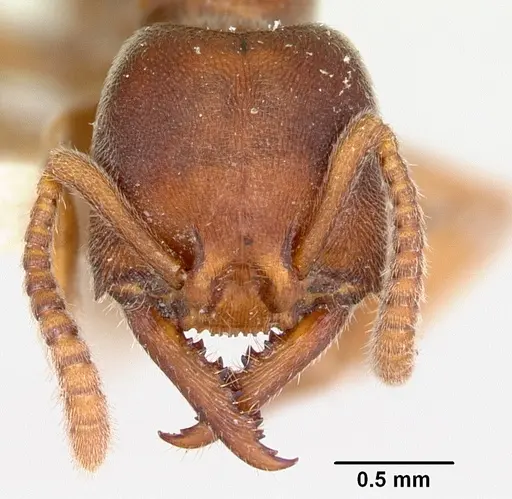
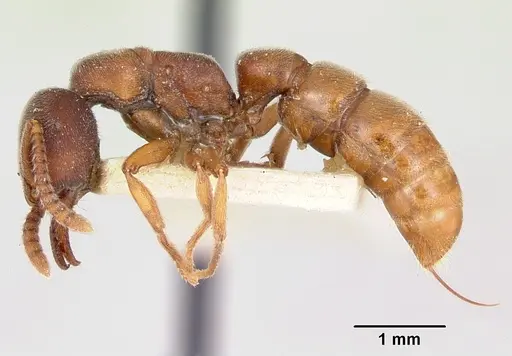
CASENT0172805
View on AntWeb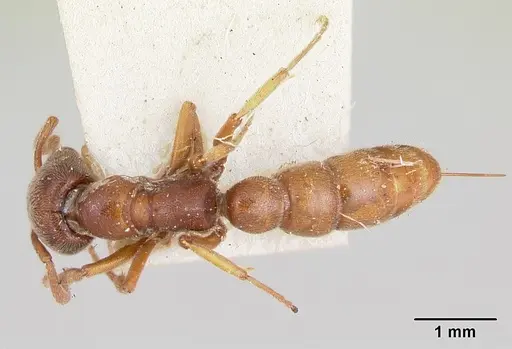
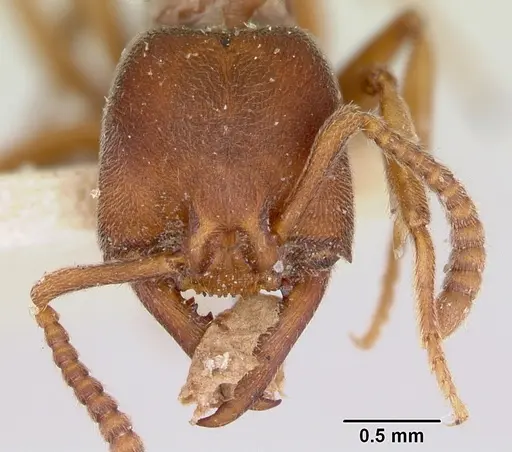
CASENT0172806
View on AntWeb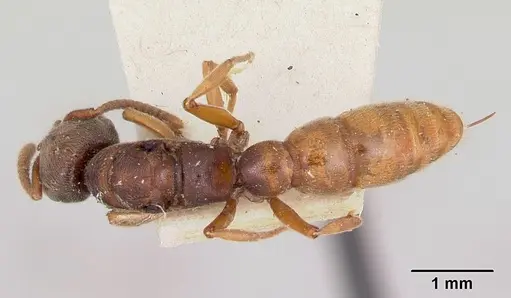
CASENT0260451
View on AntWeb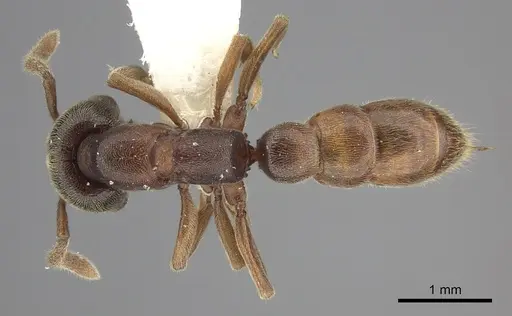
Literature
Loading...Loading products...