
Stigmatomma pallipes shows a June to September flight window. Peak activity occurs in August, with nuptial flights distributed across 3 months.
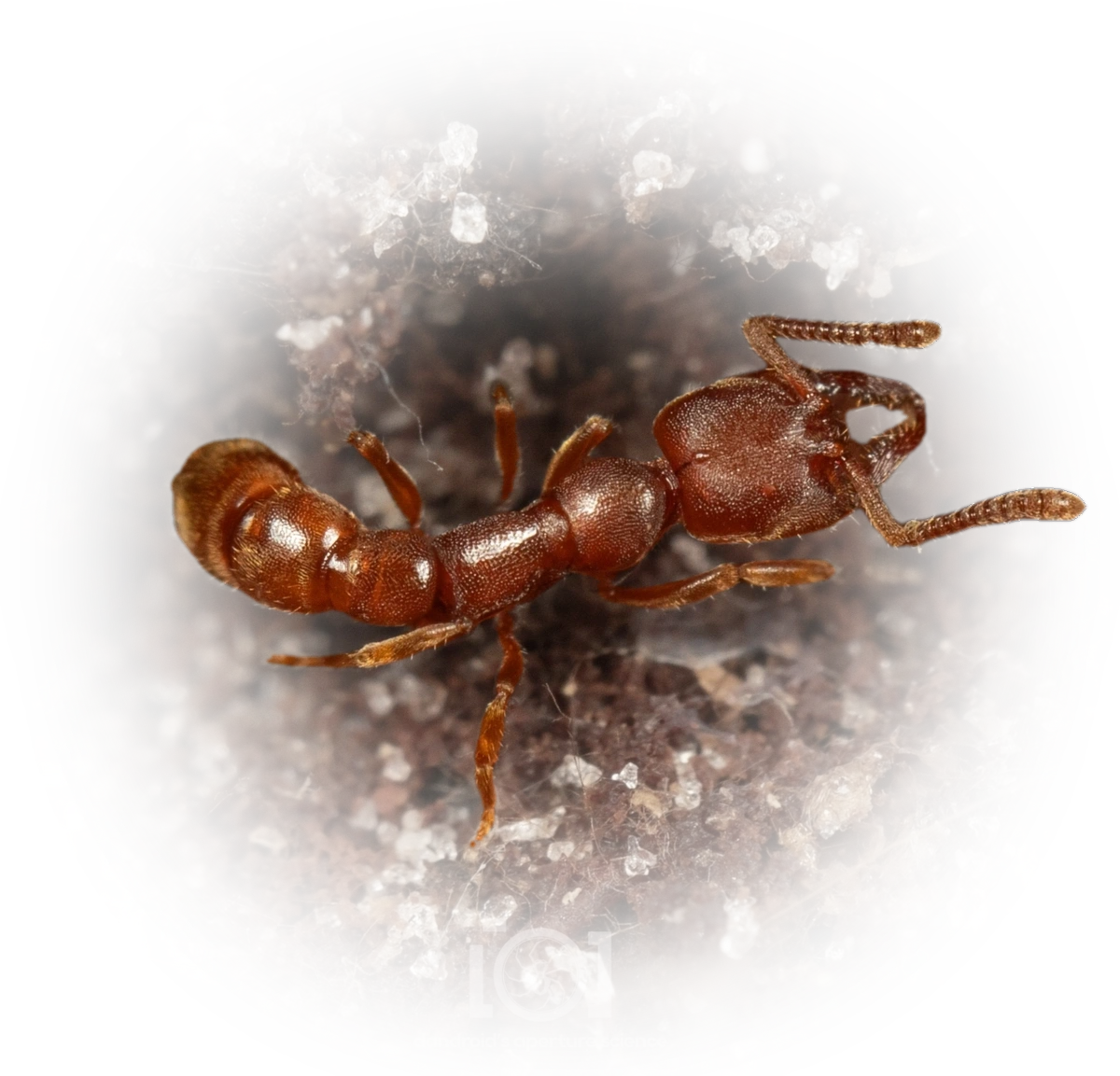
Stigmatomma pallipes
- Scientific Name
- Stigmatomma pallipes
- Tribe
- Amblyoponini
- Subfamily
- Amblyoponinae
- Author
- Haldeman, 1844
- Common Name
- Vampire Ant
- Distribution
- Found in 2 countries
- Nuptial Flight
- from June to September, peaking in August
AI Identifiable
try →
Stigmatomma pallipes Overview
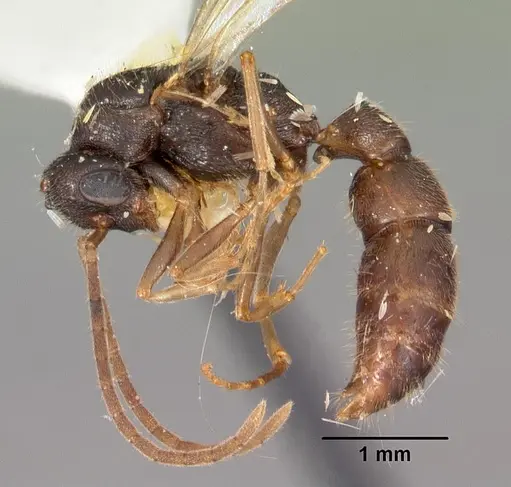
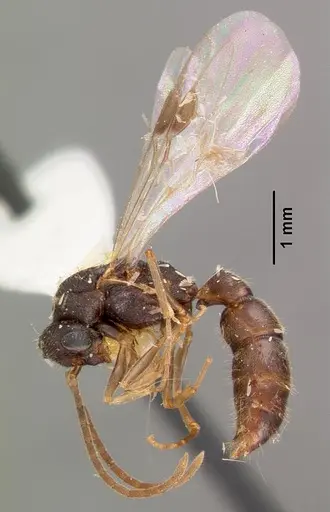
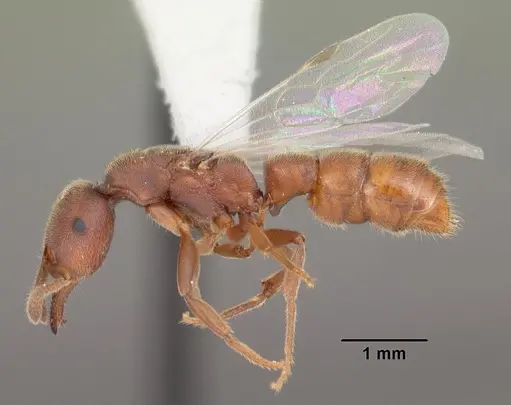
Stigmatomma pallipes (commonly known as the Vampire Ant) is an ant species of the genus Stigmatomma. It is primarily documented in 2 countries , including Canada, United States of America. Detailed taxonomic data and occurrence records can be further explored via authoritative databases such as AntWeb or the Global Biodiversity Information Facility (GBIF).
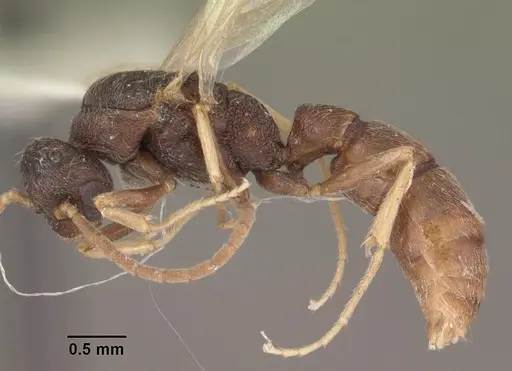
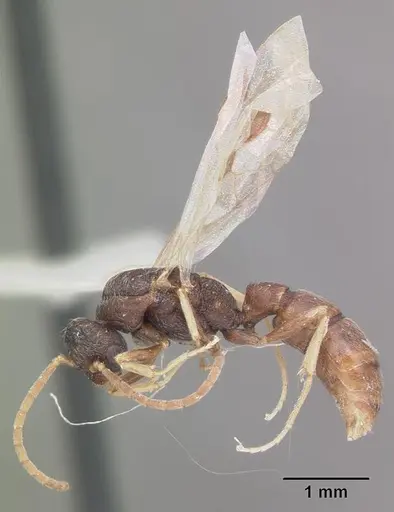
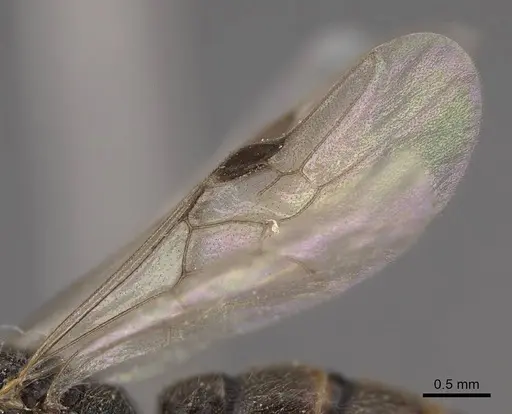
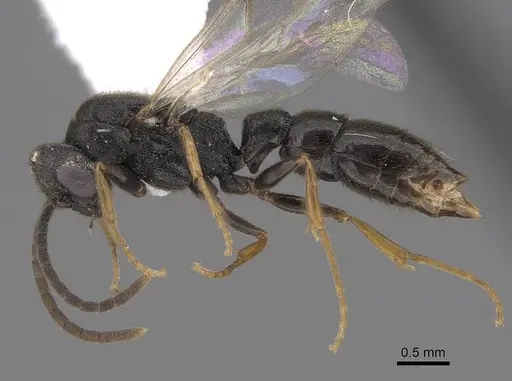
The nuptial flight of Stigmatomma pallipes is a significant biological event, typically occurring from June to September, peaking in August. During this time, winged queens and males leave the nest to mate and establish new colonies.
Stigmatomma pallipes - "Vampire Ant"
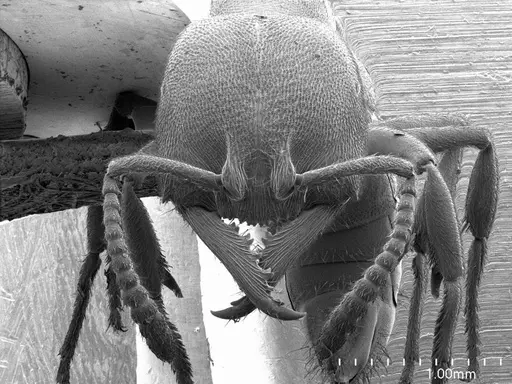
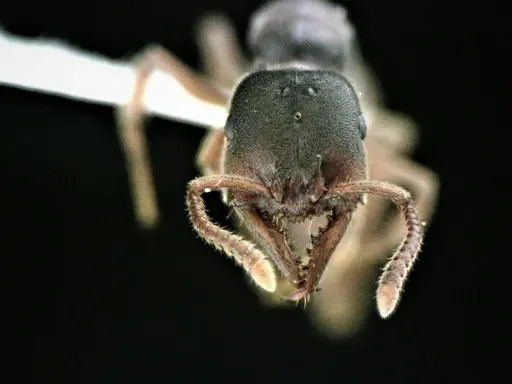
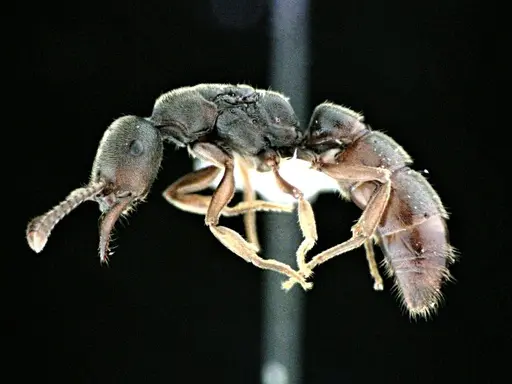
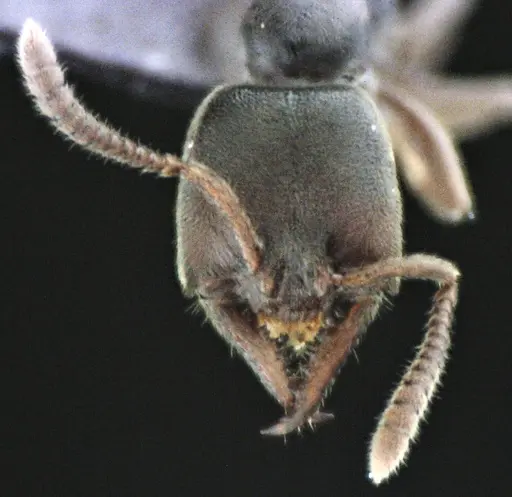
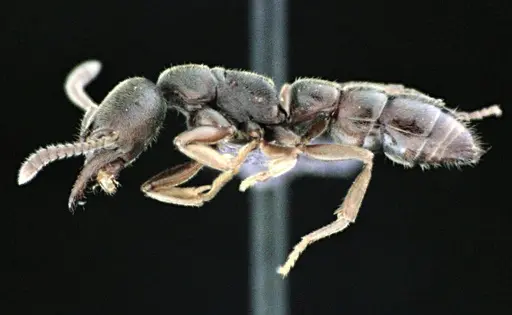
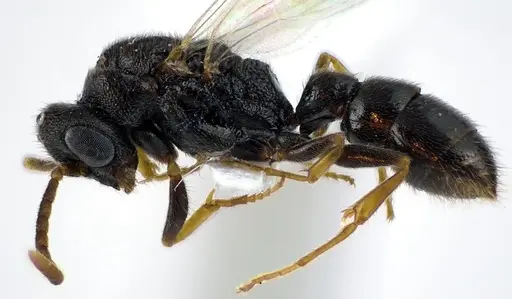
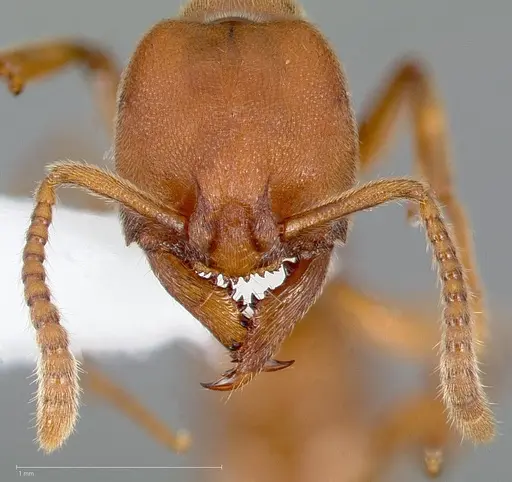
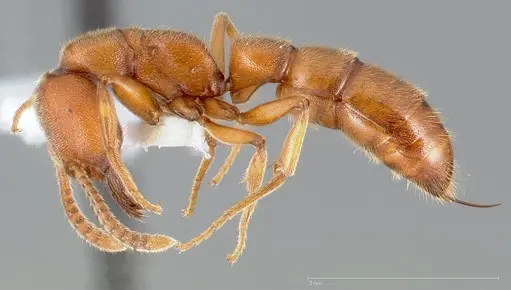
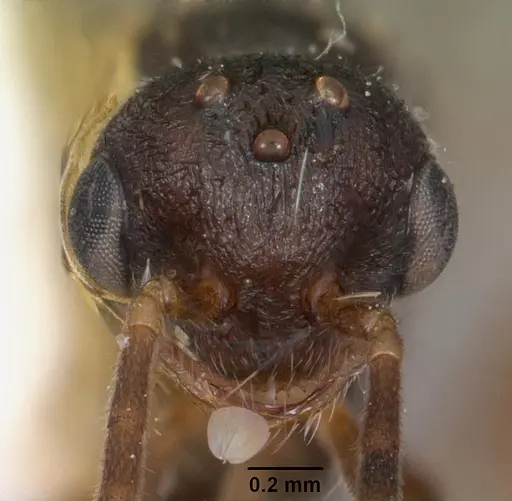
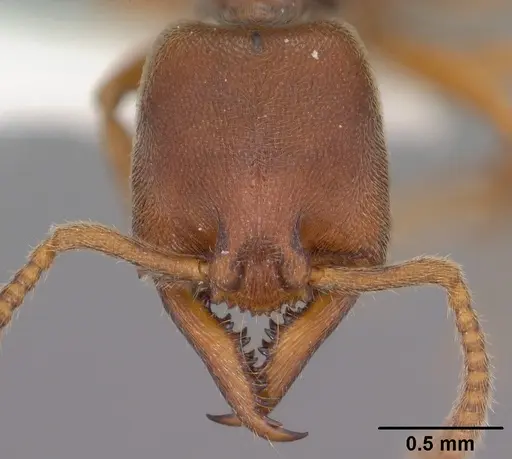
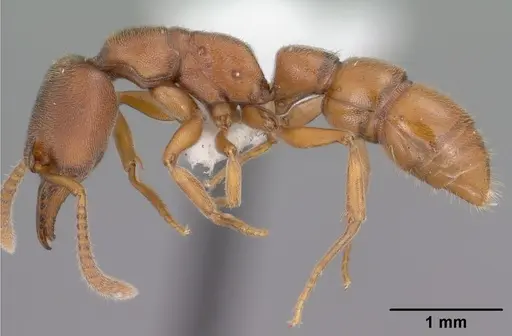
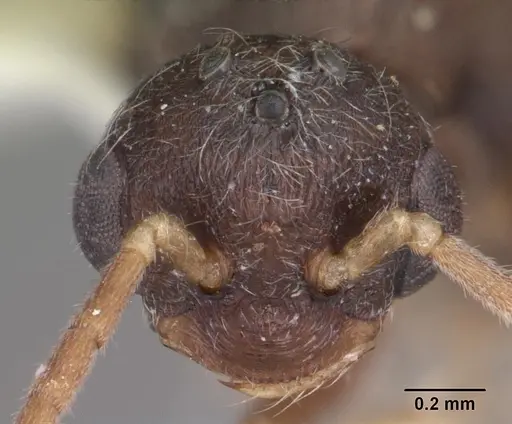
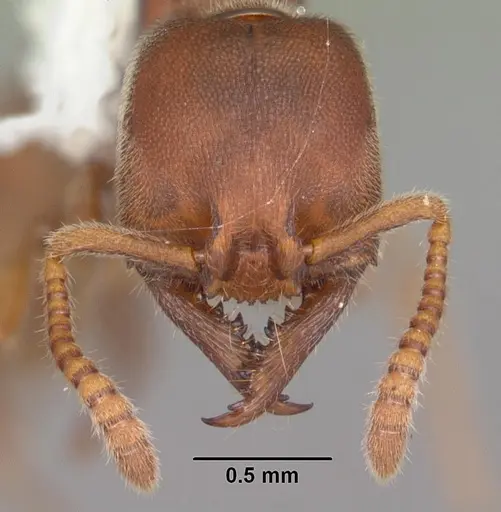
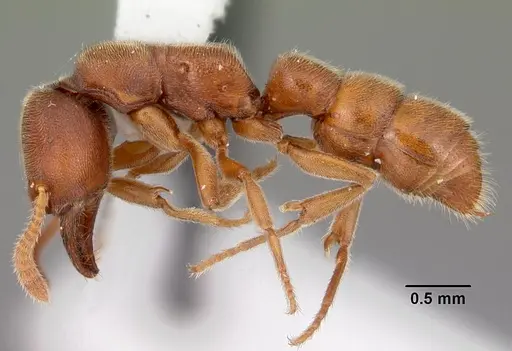
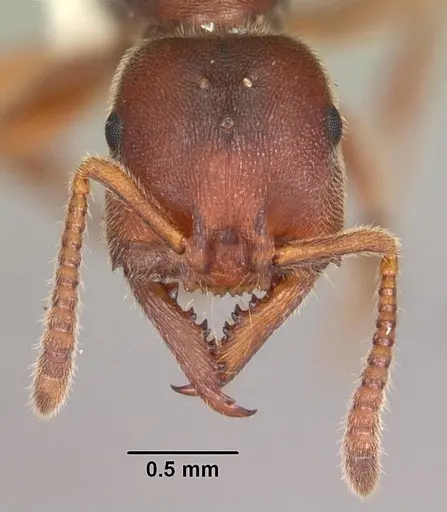
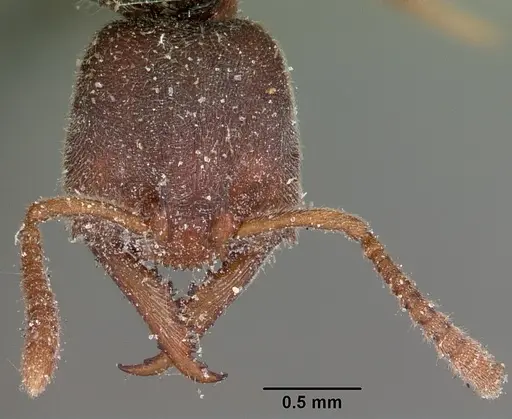
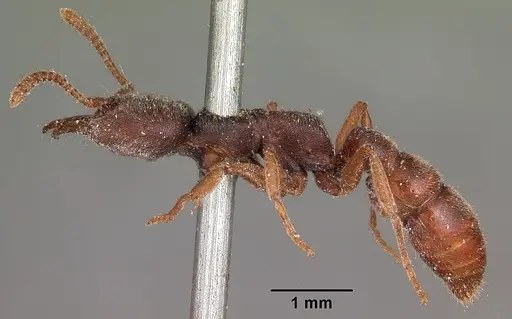
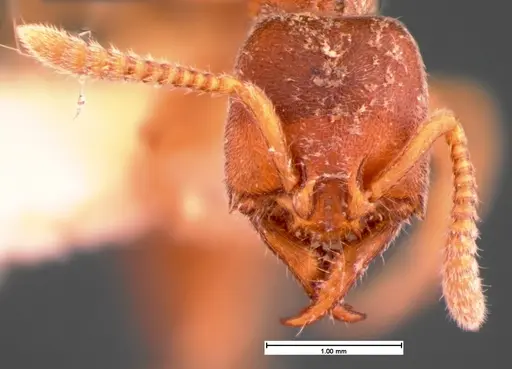
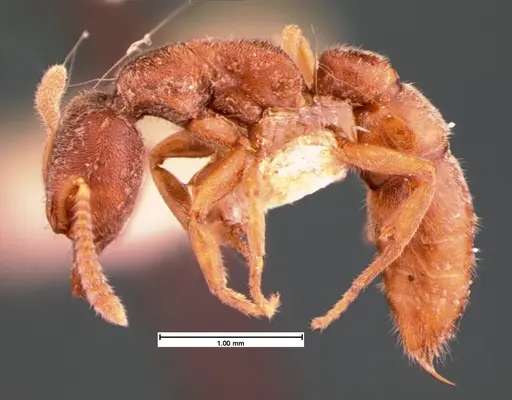
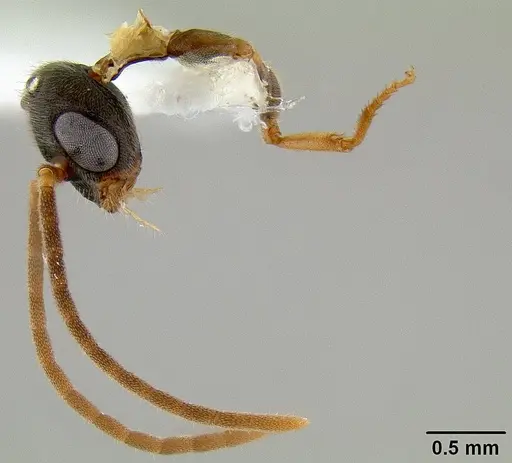
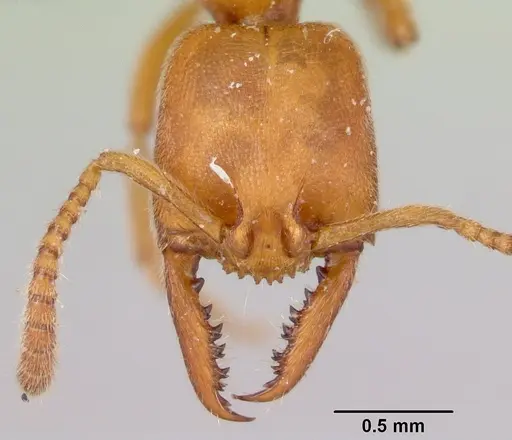
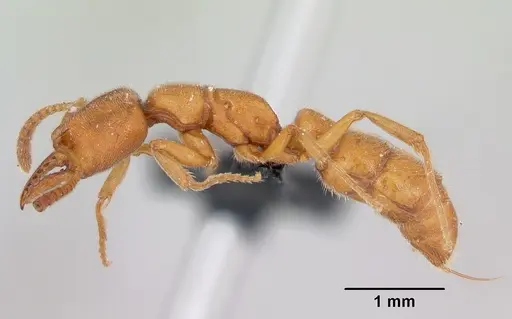
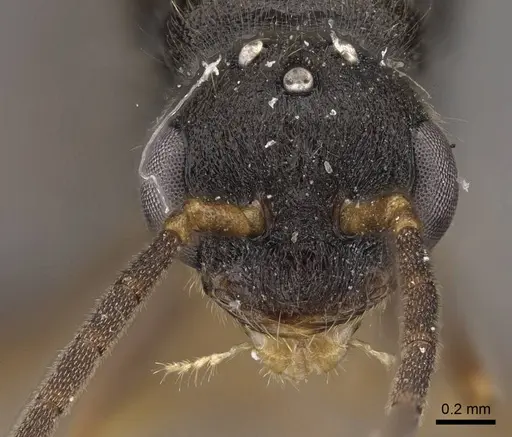
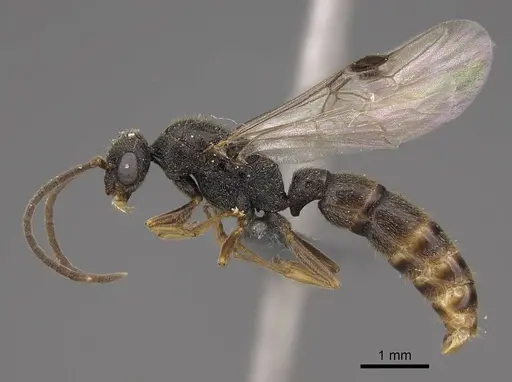
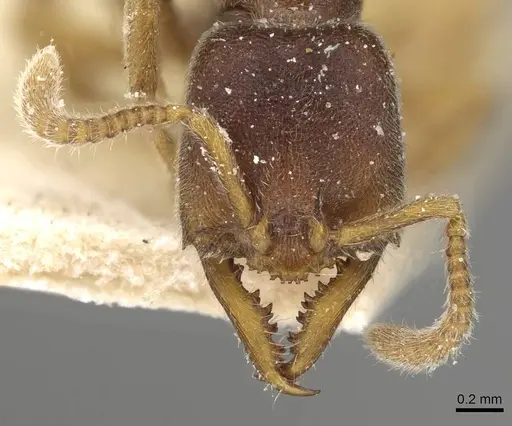
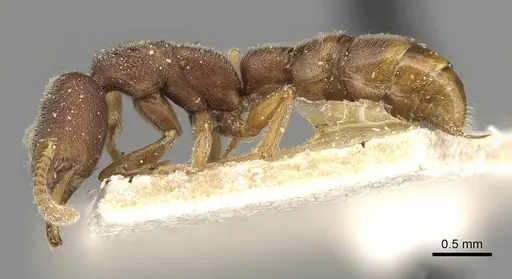
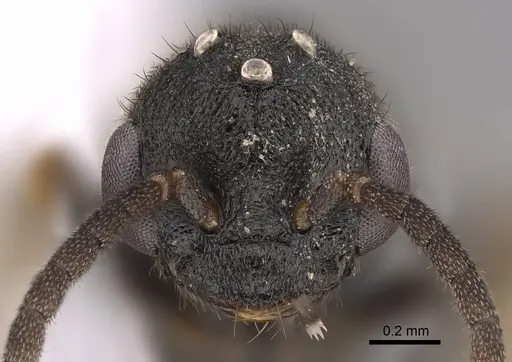
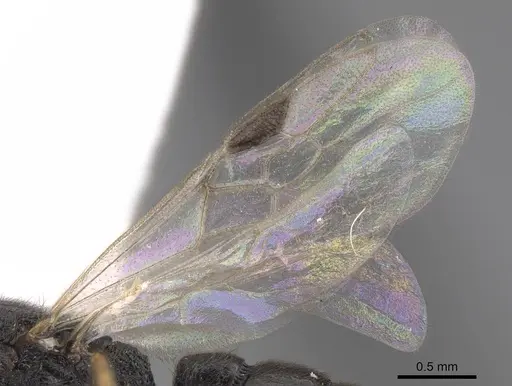
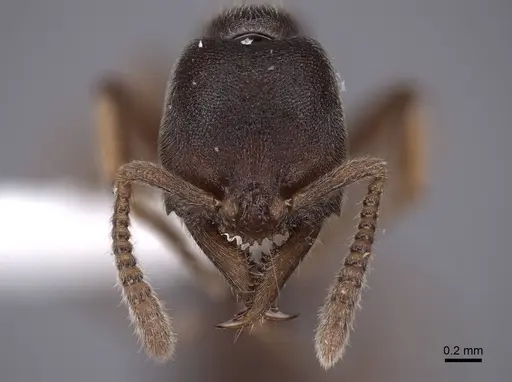
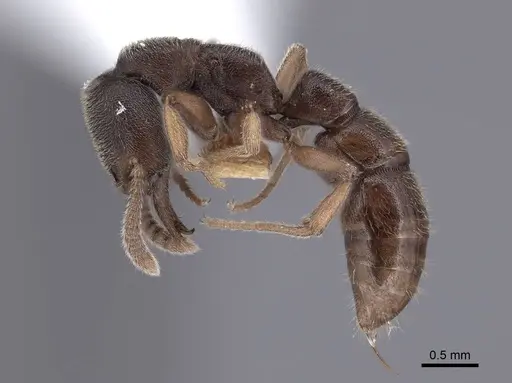
Stigmatomma pallipes is a small reddish-brown ant found across the United States from Quebec to California, living in moist woodlands and forests [1]. Workers measure about 6mm (roughly 1/4 inch) with long, linear mandibles bearing rows of teeth and tiny eyes with only one or two facets [1]. Unlike most ants, their queens are worker-like and similarly sized, lacking the enlarged thorax typical of other ant queens [1].
These ants are specialized predators of centipedes, using their powerful sting to paralyze lithobiomorph and geophilomorph centipedes before carrying them back to the nest [2][3]. In a peculiar behavior characteristic of "dracula ants, " queens supplement their diet by gently squeezing larvae until the larvae regurgitate a clear liquid droplet, which the queen then consumes [1]. Colonies remain small and cryptic, typically containing fewer than 100 workers organized in loose groups under stones or inside rotting wood [1].
Quick Summary
- Difficulty: Expert
- Origin & Habitat: Eastern and western United States, from Quebec to Wisconsin and south to Florida, west to California, found in moist woodlands, oak forests, chaparral, and riparian areas under stones and in rotting wood [1]
- Colony Type: Small colonies with one or more queens (oligogyne), typically organized in groups of 9-16 workers that may split by fission when the colony grows [1]
- Colony: Optionally polygyne, Oligogyne
- Size & Growth:
- Queen: ~6mm (worker-like, not larger than workers) [1]
- Worker: ~6mm (1/4 inch) [1]
- Colony: Fewer than 100 workers [1]
- Growth: Slow
- Development: Unknown, likely 8-12 weeks based on temperate Amblyoponinae patterns (Development timing is unconfirmed for this species. Based on related temperate Amblyoponinae, expect slower development than tropical species.)
- Antkeeping:
- Temperature: Keep at 20-24°C (room temperature to slightly warmed). As a temperate species, they likely benefit from winter cooling at 10-15°C for diapause [1]
- Humidity: High humidity required, keep substrate consistently moist like damp forest floor litter, but not waterlogged [1]
- Diapause: Likely yes, temperate species with late summer mating flights suggest winter rest is needed [1]
- Nesting: Naturalistic setups with rotting wood, flat stones, and deep soil substrate, they prefer tight, damp, subterranean spaces [1]
- Behavior: Slow-moving, cryptic, subterranean foragers that hunt solitarily for centipedes [1][4]. They possess a powerful sting for subduing prey [1]. Workers are rarely seen above ground and do not regurgitate food to each other [1].
- Common Issues: specialized centipede diet is extremely difficult to maintain in captivity, colonies remain small with slow growth rates that test patience, cryptic subterranean habits make observation difficult, substrate drying out is fatal, requires consistently moist rotting wood or soil, tiny size requires excellent escape prevention like Fluon or baby powder barriers
Nuptial Flight Activity Analysis 69 observations
Flight Activity by Hour 69 observations
Stigmatomma pallipes nuptial flight activity peaks around 14:00 during the afternoon. Activity is spread across a 19-hour window (01:00–19:00). A secondary activity peak occurs around 12:00. Times may be influenced by human observation patterns.
Nest Preferences
In nature, Stigmatomma pallipes nests under stones, in rotting logs, and within soil litter in moist woodland areas with heavy canopy cover [1]. They prefer damp, shaded environments and are often found in leaf litter samples or under flat stones [1][5]. In captivity, replicate these conditions with a naturalistic setup containing flat stones, rotting wood pieces, and a deep soil or coco fiber substrate that retains moisture [1]. The nest should offer tight spaces between stones or wood pieces rather than open chambers. Keep the substrate consistently moist but not waterlogged, think damp forest floor, not swamp. Ventilation should be adequate to prevent mold while maintaining high humidity.
Feeding and Diet
These ants are obligate predators of centipedes, specifically hunting lithobiomorph and geophilomorph species [2][3]. Workers use their long, toothed mandibles to grasp centipedes and deliver a paralyzing sting [1][6]. They will also take beetle larvae and other soil arthropods [1]. Unlike most ants, they do not regurgitate food to each other, instead, larvae are carried to prey items or move onto the prey themselves [1]. Queens supplement their diet by extracting liquid from larvae through gentle squeezing, a behavior known as non-destructive cannibalism [1]. In captivity, you must provide small live centipedes or accept that this species is extremely difficult to keep long-term. They do not accept sugar water, honey, or typical ant foods like fruit or seeds.
Temperature and Care
As a temperate species found from Quebec to California, Stigmatomma pallipes tolerates a range of temperatures but prefers moderate conditions around 20-24°C [1]. They are found at various elevations including mountainous regions up to 3000 feet or more [7]. Being a late-summer mating species with flights in September in New England [1], they likely require a winter diapause period. You should cool the colony to 10-15°C for 3-4 months during winter to simulate natural conditions, though specific diapause requirements are unconfirmed. Avoid overheating, these are forest floor dwellers, not sun-loving desert ants.
Behavior and Temperament
Workers are slow-moving and cryptic, spending most of their time underground in soil and litter [1]. They forage solitarily rather than in groups [4], though multiple workers may cooperate to subdue large centipede prey [1]. Only one worker typically transports prey back to the nest [1]. They possess a functional sting used for hunting centipedes [1]. Despite their small size, they are not particularly prone to escaping if housed in a secure naturalistic setup, though standard escape prevention is recommended.
Colony Founding and Reproduction
Founding behavior is not well documented in the scientific literature. Mating occurs in late summer on the ground, and females usually return to their natal nest rather than dispersing widely to found alone [1]. New colonies likely form through fission when groups of 9-16 workers with one or more queens split from the parent colony [1]. This suggests they may rely on worker assistance during colony establishment, but the exact founding mechanism is unconfirmed. If attempting to found a colony, provide the queen with centipede prey and maintain high humidity.
Unique Adaptations
Stigmatomma pallipes exhibits the "dracula ant" behavior where queens feed on hemolymph (clear liquid) regurgitated by larvae after gentle squeezing [1]. This non-destructive cannibalism supplements the queen's diet without killing the larva. Their mandibles are specialized for hunting centipedes, flattened dorsoventrally and equipped with teeth along the inner margin [1][6]. Unlike their relatives Mystrium (snap-jaw ants), their mandibles are not power-amplified but are stiff and strong for gripping struggling centipede prey underground [6].
Frequently Asked Questions
Can I keep Stigmatomma pallipes in a test tube?
Test tubes are not ideal for these subterranean ants. They need a naturalistic setup with soil, rotting wood, and stones to feel secure [1]. A test tube does not provide the damp, dark, soil-like environment they require for long-term health.
What do Stigmatomma pallipes eat?
They are specialized predators of centipedes, specifically lithobiomorph and geophilomorph species [2][3]. They also take beetle larvae and other soil arthropods [1]. They do not accept sugar water or typical ant foods like honey or fruit.
How big do Stigmatomma pallipes colonies get?
Colonies remain small, typically fewer than 100 workers, often organized in groups of 9-16 workers with one or more queens [1].
Do Stigmatomma pallipes sting?
Yes, they possess a powerful sting used to paralyze centipede prey [1]. Handle with care to avoid being stung.
Are Stigmatomma pallipes good for beginners?
No, they are an expert-level species due to their specialized centipede diet, small colony size, cryptic habits, and specific humidity requirements [1].
Do Stigmatomma pallipes need hibernation?
Likely yes. As a temperate species mating in late summer, they probably require a winter diapause at 10-15°C for several months [1].
How long until Stigmatomma pallipes get their first workers?
Development time is unconfirmed. Based on related temperate Amblyoponinae, expect roughly 8-12 weeks at optimal temperatures, but this is speculative.
Why are my Stigmatomma pallipes dying?
Common causes include inability to accept captive food (they need live centipedes), substrate that is too dry, or lack of appropriate hiding places. They are difficult to maintain in captivity due to their specialized diet [1].
Can I keep multiple Stigmatomma pallipes queens together?
In nature, small groups contain one or more queens, suggesting they tolerate multiple queens within the same colony [1]. However, combining unrelated queens from different colonies is untested and not recommended.
What is the best nest type for Stigmatomma pallipes?
Naturalistic setups with damp soil, flat stones, and rotting wood pieces work best [1]. Avoid acrylic nests with open chambers, they prefer tight, dark spaces under objects.
References

This caresheet is licensed under CC BY-SA 4.0 .
ANTWEB1008501
View on AntWeb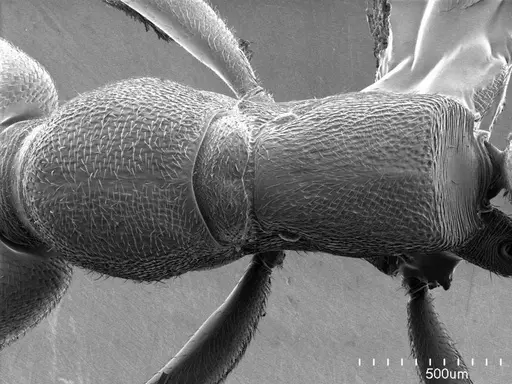
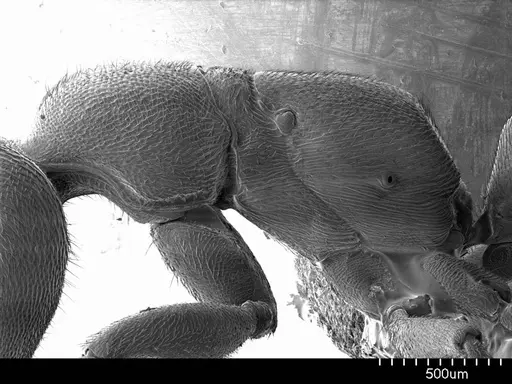
ANTWEB1041508
View on AntWeb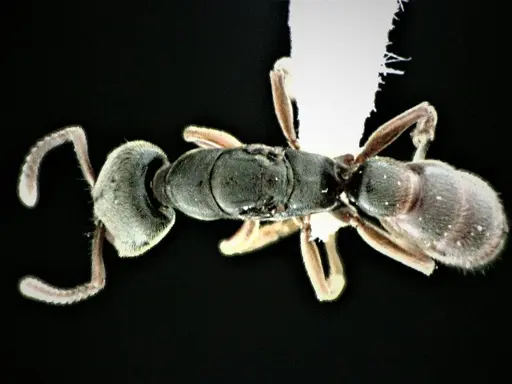
ANTWEB1041509
View on AntWeb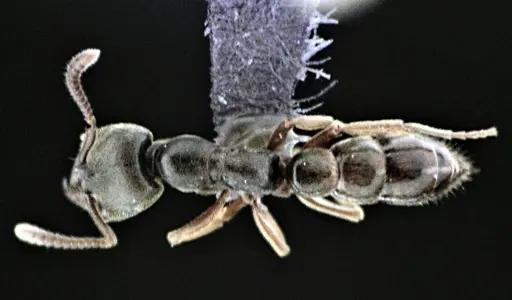
ANTWEB1041586
View on AntWeb
CASENT0005434
View on AntWeb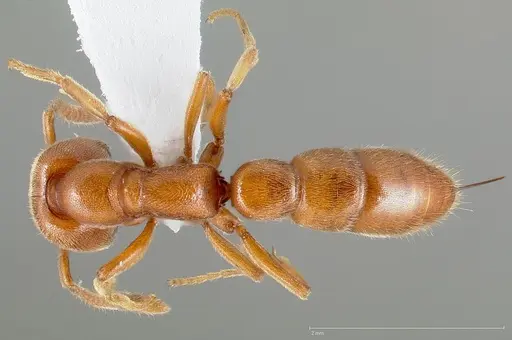
CASENT0102196
View on AntWeb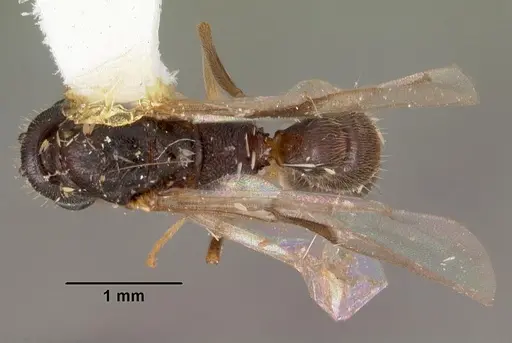
CASENT0102903
View on AntWeb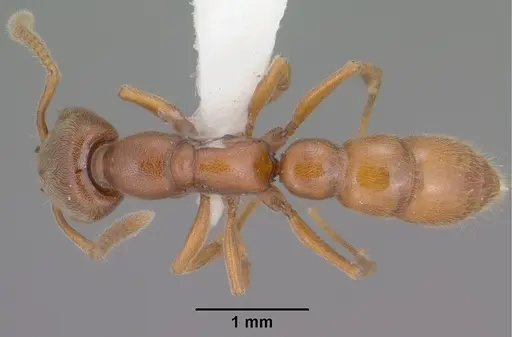
CASENT0102907
View on AntWeb
CASENT0103551
View on AntWeb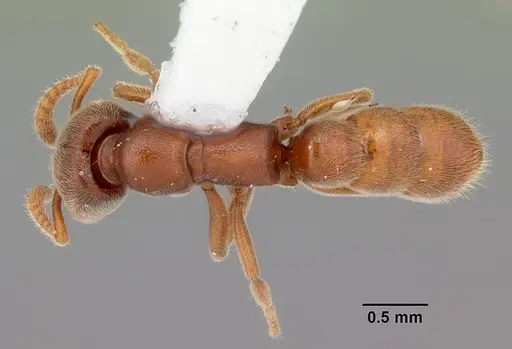
CASENT0103553
View on AntWeb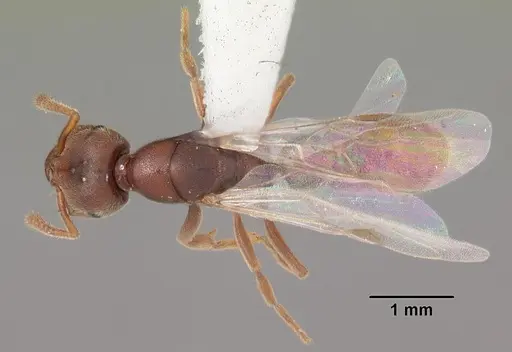
CASENT0104569
View on AntWeb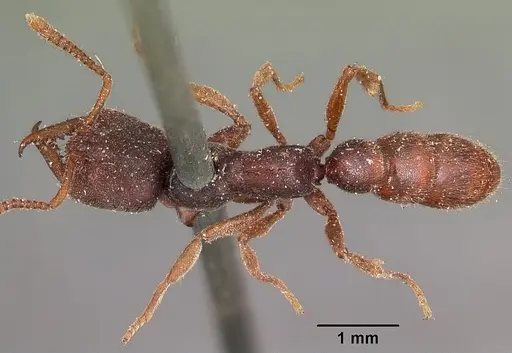
CASENT0105551
View on AntWeb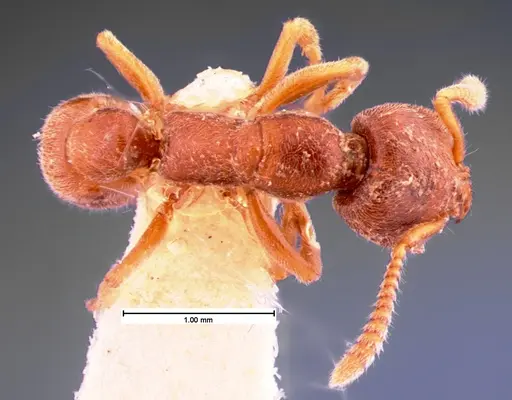
CASENT0106070
View on AntWeb
CASENT0172588
View on AntWeb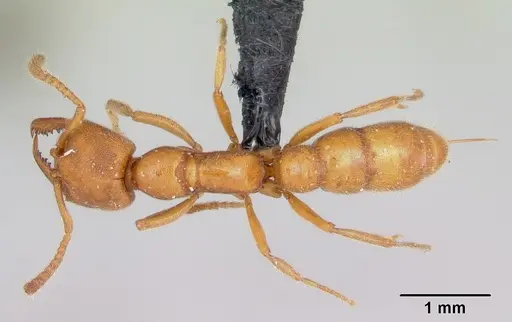
CASENT0247077
View on AntWeb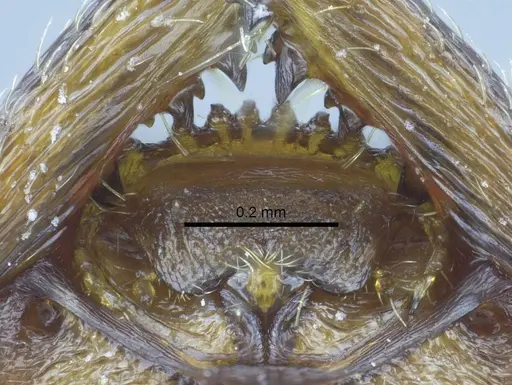
CASENT0724061
View on AntWeb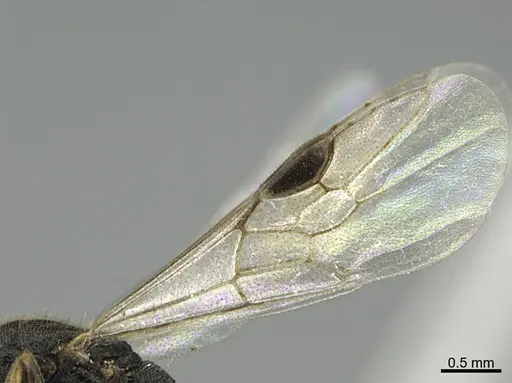
CASENT0770630
View on AntWeb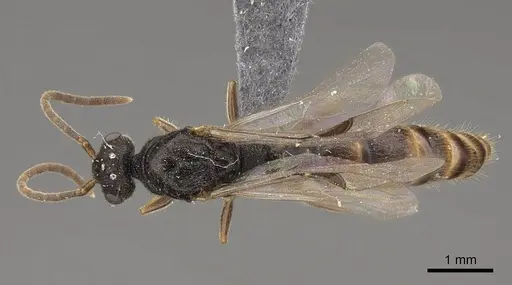
CASENT0915104
View on AntWeb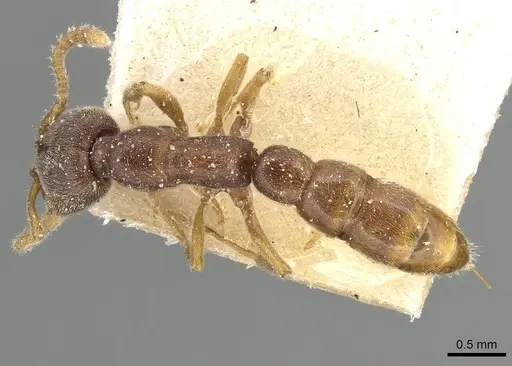
CASENT0923164
View on AntWeb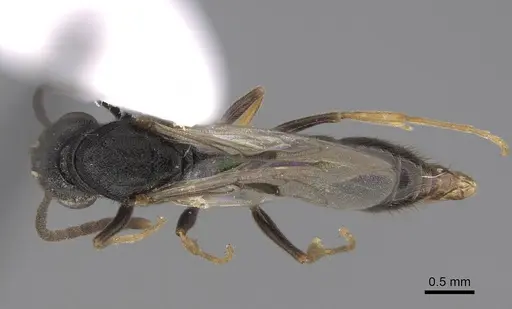
FMNHINS0000045022
View on AntWeb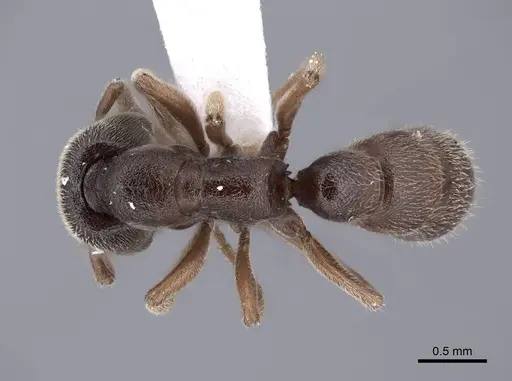
Literature
Loading...Loading products...