

Stigmacros occidentalis
- Scientific Name
- Stigmacros occidentalis
- Tribe
- Melophorini
- Subfamily
- Formicinae
- Author
- Crawley, 1922
- Distribution
- Found in 1 countries
Stigmacros occidentalis Overview
Stigmacros occidentalis is an ant species of the genus Stigmacros. It is primarily documented in 1 countries , including Australia. Detailed taxonomic data and occurrence records can be further explored via authoritative databases such as AntWeb or the Global Biodiversity Information Facility (GBIF).
Stigmacros occidentalis
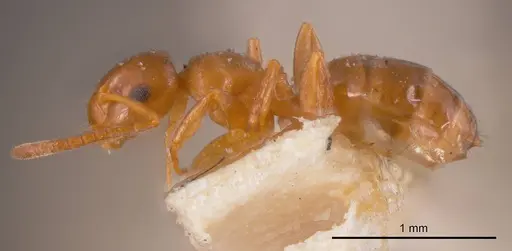
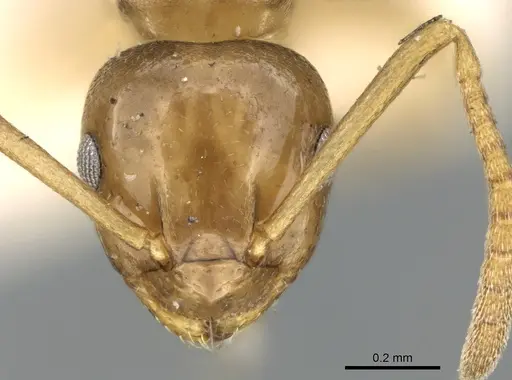
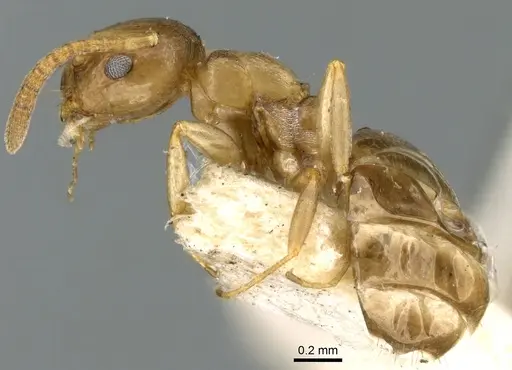
Stigmacros occidentalis is a small ant species native to Western Australia, specifically found in the Perth area and the jarrah forest south of Perth [1]. Workers are tiny ants with distinctive small teeth on the side of the node, a key identification feature that separates them from similar species like Stigmacros clivispina which lacks these teeth [1]. This species was previously known as Stigmacros occidentalis until taxonomic review determined the two were identical, with S. occidentalis being the senior name [2]. As a member of the subfamily Formicinae, these ants lack a functional stinger and instead defend themselves by spraying formic acid.
Quick Summary
- Difficulty: Unknown, likely Easy to Medium based on typical Formicinae hardiness
- Origin & Habitat: Western Australia, found in the Perth region and jarrah forest south of Perth [1]
- Colony Type: Unconfirmed, colony structure has not been documented in scientific literature
- Size & Growth:
- Queen: Estimated 5-8mm based on typical Stigmacros genus size range [2]
- Worker: Estimated 2-4mm based on typical Stigmacros genus size range [2]
- Colony: Unknown, no colony size data available
- Growth: Moderate, estimated based on related Formicinae species [2]
- Development: Estimated 6-10 weeks based on typical Formicinae development at warm temperatures [2] (Development timeline is estimated, specific data for this species is unavailable)
- Antkeeping:
- Temperature: Aim for 22-26°C, warm conditions typical of their Australian habitat [2]
- Humidity: Moderate humidity preferred, keep substrate slightly damp but not waterlogged [2]
- Diapause: Unknown, Western Australian ants may have reduced activity in cooler months but true diapause requirements unstudied
- Nesting: Natural nesting habits unconfirmed, likely nests in soil or under stones based on typical Melophorini behavior [2]
- Behavior: Behavior is unstudied in captivity. As Formicinae, they will spray formic acid when threatened rather than sting. Their small size means escape prevention is important, use fine mesh barriers. Foraging habits are unknown but likely similar to other Melophorini, which often tend aphids for honeydew and collect small insects.
- Common Issues: colony size and growth rate are unknown, making it difficult to predict development timeline, founding behavior unconfirmed, may be claustral like most Formicinae but this is not documented, escape prevention is critical given their small size, diet preferences in captivity are completely unstudied, overwintering requirements unknown, unclear if they need a cool period
Housing and Nest Setup
Since natural nesting habits are unconfirmed for this species, use standard setups that work well for small Formicinae. A test tube setup works well for founding colonies, queens seal themselves in a chamber and raise their first workers alone. Once the colony reaches 10-20 workers, you can consider moving to a small formicarium. Y-tong (AAC) nests or plaster nests work well for small ants. Ensure escape prevention is excellent, these tiny ants can squeeze through surprisingly small gaps. Use fluon on test tube rims and fine mesh on any ventilation openings. [2]
Feeding and Diet
Diet preferences in captivity are completely unstudied for this species. Based on typical Melophorini behavior, they likely accept sugar sources (honey water, sugar water) and protein (small insects like fruit flies, pinhead crickets, mealworms). They may also tend aphids for honeydew if given the opportunity. Start with offering sugar water once a week and small protein prey items 2-3 times per week. Remove uneaten food after 24-48 hours to prevent mold. Monitor carefully for acceptance, if refused, try different protein sources. [2]
Temperature and Heating
Aim for temperatures in the 22-26°C range. This aligns with their warm Australian habitat around Perth. Use a heating cable on one side of the nest to create a gentle temperature gradient if your room temperature is below this range. Place the heating element on top of the nest rather than underneath to avoid drying out the substrate. Monitor colony behavior, if workers cluster near the warm end, increase slightly, if they avoid it, reduce heat. Avoid temperatures above 30°C as this can stress the colony. [2]
Behavior and Defense
As Formicinae ants, S. occidentalis lack a functional stinger. Their primary defense mechanism is spraying formic acid, which they produce from their acidopore. This is generally not dangerous to humans but can be irritating to eyes. They are likely not aggressive toward keepers but will defend the nest if threatened. Their small size makes them quick movers. Escape prevention is critical, these tiny ants can escape through standard test tube cotton if it becomes compacted or through gaps in lid seals. [2]
Colony Development
Specific development data is unavailable for this species. Based on typical Formicinae patterns, expect 6-10 weeks from egg to first worker at optimal temperature (around 24-26°C). The first workers (nanitics) will likely be smaller than mature workers. Growth rate is estimated as moderate. Colonies likely reach several hundred workers at maturity based on related Melophorini species, but exact maximum size is unknown. Be patient with founding colonies, they can take several months to establish. [2]
Frequently Asked Questions
How long does it take for Stigmacros occidentalis to produce first workers?
The exact timeline is unconfirmed, but based on typical Formicinae development, expect 6-10 weeks from egg to first worker at optimal temperature (22-26°C). The first workers will be smaller (nanitics) and the colony will grow gradually after that.
Can I keep Stigmacros occidentalis in a test tube?
Yes, test tubes work well for founding colonies. Queens will seal themselves in a chamber to raise their first brood. Ensure the cotton is packed firmly and apply fluon barrier to prevent escapes, their small size makes escape likely without proper precautions.
What do Stigmacros occidentalis eat?
Diet is unstudied in captivity. Based on related Melophorini, they likely accept sugar water or honey and small protein sources like fruit flies or tiny insects. Start with sugar water and small insects, then adjust based on what they accept.
Are Stigmacros occidentalis good for beginners?
Difficulty level is not well documented, but they are likely suitable for intermediate keepers. Their small size requires good escape prevention, and limited data means you'll be experimenting with care conditions. They are not typically recommended as a first species due to the lack of captive care information.
Do Stigmacros occidentalis need hibernation?
Diapause requirements are unknown. Western Australia has mild winters, so they may not require a true hibernation. If you keep them cool (15-18°C) for a few months in winter, this may simulate their natural seasonal cycle, but this is not confirmed as necessary.
How big do Stigmacros occidentalis colonies get?
Colony size is unconfirmed. Based on related Melophorini species, they likely reach several hundred workers at maturity, but specific maximum size data is not available.
When should I move Stigmacros occidentalis to a formicarium?
Wait until the colony has at least 20-30 workers and the test tube shows signs of space constraints (workers clustering on the cotton, condensation issues). Small formicariums like Y-tong nests work well for small Formicinae.
Can I keep multiple Stigmacros occidentalis queens together?
Colony structure is unconfirmed. Combining unrelated queens is not recommended since this has not been documented as successful for this species. Single-queen colonies are the standard approach until more information becomes available.
Why are my Stigmacros occidentalis dying?
Common issues include: escape (use better barriers), improper humidity (too wet causes drowning, too dry causes desiccation), temperature stress (above 30°C or below 15°C), and poor nutrition. Since specific requirements are unconfirmed, carefully document your conditions and adjust gradually.
References

This caresheet is licensed under CC BY-SA 4.0 .
ANTWEB1008328
View on AntWeb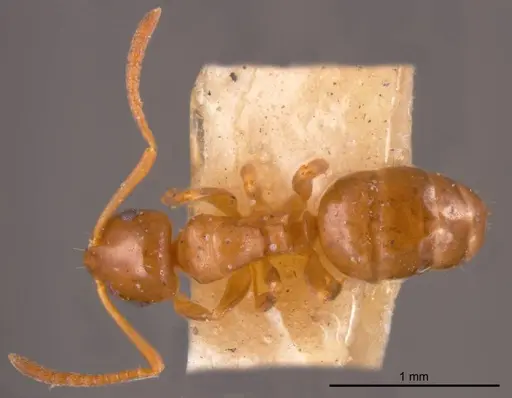
CASENT0906280
View on AntWeb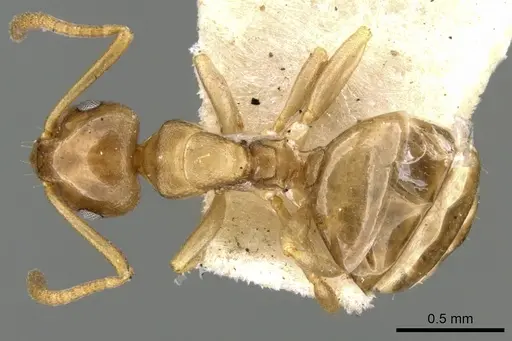
Literature
Loading...Loading products...