

Stigmacros clivispina
- Scientific Name
- Stigmacros clivispina
- Tribe
- Melophorini
- Subfamily
- Formicinae
- Author
- Forel, 1902
- Distribution
- Found in 1 countries
Stigmacros clivispina Overview
Stigmacros clivispina is an ant species of the genus Stigmacros. It is primarily documented in 1 countries , including Australia. Detailed taxonomic data and occurrence records can be further explored via authoritative databases such as AntWeb or the Global Biodiversity Information Facility (GBIF).
Stigmacros clivispina
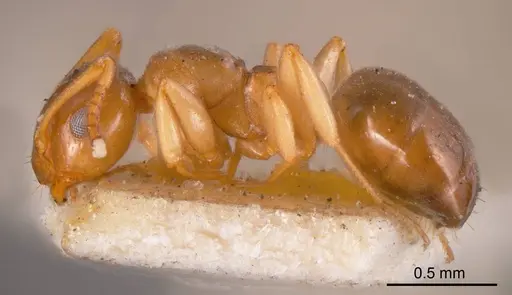
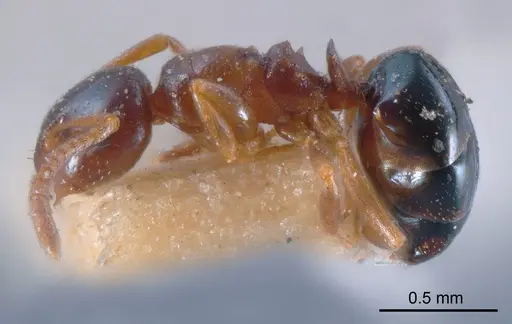
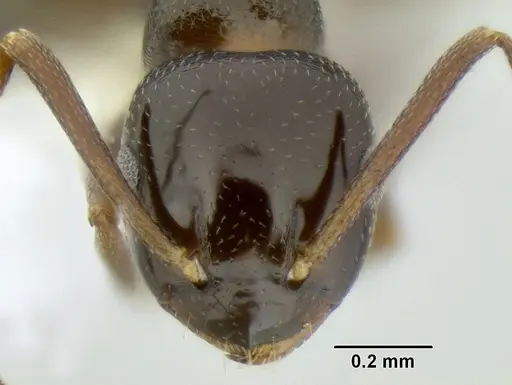
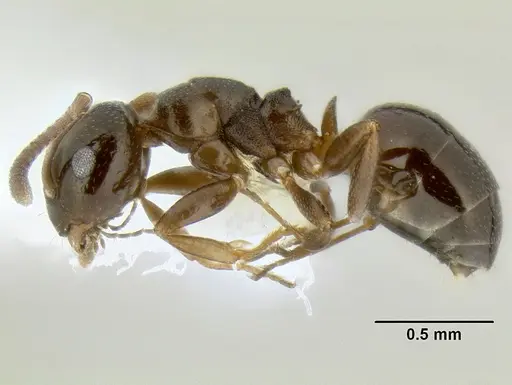
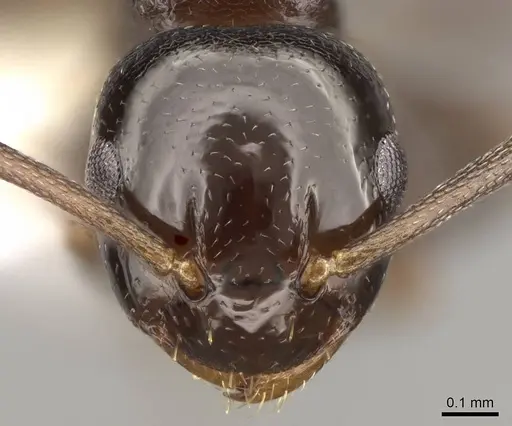
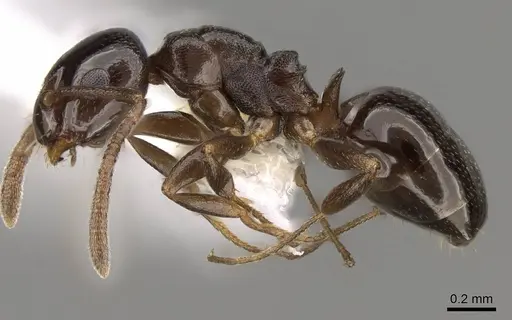
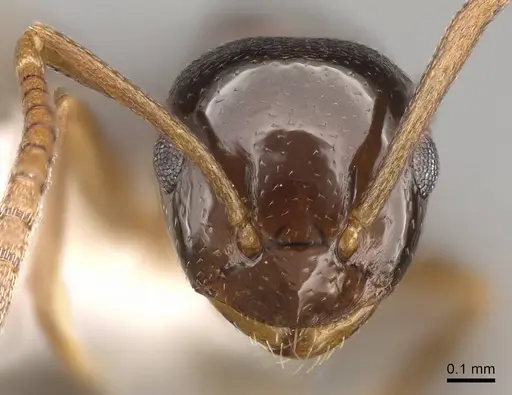
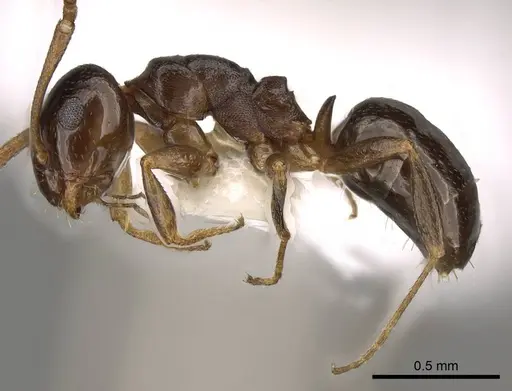
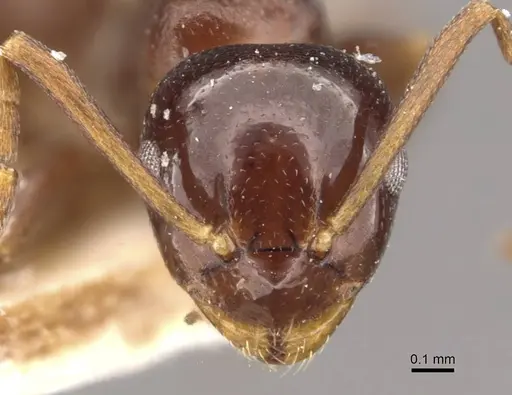
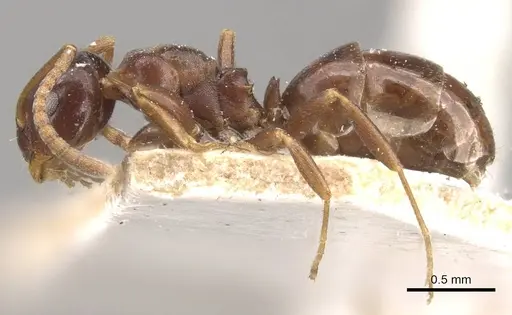
Stigmacros clivispina is a small to medium-sized ant species native to Australia, belonging to the subfamily Formicinae and tribe Melophorini. Workers are characterized by having a narrow petiolar (waist) node, with the head and abdomen (gaster) typically darker than the middle body section (mesosoma). Color varies from light to dark with intermediate forms. This species was previously classified under several different names (Stigmacros clivispina, brooksi, clarki, extreminigra, ferruginea, glauerti, and sordida) until taxonomic revision in 2021 confirmed they all represent S. clivispina [1].
This ant falls into the 'Cold Climate Specialists' functional group, indicating it prefers cooler temperatures typical of southern Australian regions. It shows a Bassian biogeographic pattern, meaning it's found in cooler southern areas of Australia. The species has been documented in restoration studies as a characteristic species of mature rehabilitation areas, suggesting it thrives in established ecosystems with intact ground cover [2].
Quick Summary
- Difficulty: Medium
- Origin & Habitat: Western Australia and northern Australia (Mitchell Falls area). Found in laterite and sandstone habitats. The species prefers cooler climates typical of southern Australia and has been recorded at multiple sites in remote northwestern Australia [3][2].
- Colony Type: Likely single-queen colonies (monogyne) based on typical Formicinae patterns. Colony structure is inferred from genus-level patterns since species-specific data is limited.
- Colony: Monogyne
- Founding: Claustral
- Size & Growth:
- Queen: Estimated 5-7mm based on genus Stigmacros morphology
- Worker: Estimated 3-5mm based on genus Stigmacros morphology
- Colony: Likely small to moderate colonies, under 500 workers based on typical Melophorini patterns
- Growth: Moderate, estimated based on related Formicinae species
- Development: Estimated 6-10 weeks at optimal temperature based on related Formicinae species (Development time is estimated from genus-level data since species-specific development studies are not available)
- Antkeeping:
- Temperature: Keep at 18-24°C. As a Cold Climate Specialist, this species prefers cooler conditions than many tropical ants. Avoid overheating, temperatures above 28°C may be stressful [3].
- Humidity: Moderate to low humidity. Australian species typically tolerate drier conditions. Provide a moisture gradient with a damp section and drier areas for the ants to choose.
- Diapause: Yes, likely required during Australian winter months (June-August). Reduce temperature to 10-15°C for 2-3 months to simulate winter rest.
- Nesting: Natural nesting occurs in soil and under stones. In captivity, a test tube setup works well for founding colonies. For established colonies, a Y-tong or plaster nest with some moisture but not waterlogged conditions is suitable.
- Behavior: Workers are active foragers that search for food individually. As Formicinae ants, they do not have a functional stinger but can spray formic acid as a defense. They are not aggressive toward keepers and handleable for observation. Escape risk is moderate, use standard barriers but fine mesh is not critical for this size class.
- Common Issues: Cold sensitivity, keep away from direct heat sources that could cause overheating, Colony decline during improper hibernation, ensure proper cooling period but avoid freezing, Limited availability, this is not a common species in the antkeeping hobby, Slow colony growth compared to faster-growing genera may frustrate beginners, Wild-caught colonies may carry parasites that affect captive survival
Temperature and Care
Stigmacros clivispina is a cool-adapted species that requires careful temperature management. Keep the nest area between 18-24°C, with room temperature (around 20-22°C) being ideal for most of the year. This species is classified as a Cold Climate Specialist, meaning it naturally inhabits cooler regions of Australia and may struggle in warm conditions [3]. Avoid placing the colony near heating elements that could push temperatures above 28°C. During summer, ensure good ventilation to prevent heat buildup. A gentle thermal gradient within the nest allows workers to choose their preferred temperature zone. Room temperature is often suitable for this species without additional heating [1].
Feeding and Diet
Like most Formicinae ants, S. clivispina is omnivorous and will accept both protein and sugar sources. Feed a mix of sugar water, honey, or diluted nectar regularly, along with protein sources like small insects (fruit flies, small crickets, mealworms). In the wild, they forage for honeydew from aphids and scale insects, plus small arthropods. Offer protein 2-3 times per week and keep sugar water available at all times. Remove uneaten prey after 24-48 hours to prevent mold. Fresh killed insects are preferred over live prey for this relatively calm species. Observe your colony's preferences, some colonies favor protein while others take more sugar. Adjust feeding frequency based on brood production and worker activity levels.
Nesting and Habitat
In nature, Stigmacros clivispina nests in soil and under stones, typical of many Australian Formicinae. The species has been found in laterite and sandstone habitats, indicating it tolerates a range of soil types [3]. For captive colonies, start with a simple test tube setup for founding queens. Once the colony reaches 20-30 workers, you can transition to a small formicarium. A Y-tong (AAC) nest or plaster nest works well, these provide some humidity control while allowing you to observe the colony. Keep the nest slightly moist but not waterlogged. Include a small water reservoir in the outworld. The species does not require high humidity like tropical ants, aim for moderate moisture levels that would match their natural dry-to-moderate habitat.
Seasonal Care and Hibernation
As an Australian species from temperate regions, S. clivispina requires a winter rest period. Reduce temperatures to 10-15°C during the Australian winter months (roughly June to August in the southern hemisphere). This diapause period is important for colony health and may trigger reproductive behavior in the following season. Do not cool below 5°C or allow the colony to freeze. A refrigerator's vegetable drawer often provides suitable temperatures. During hibernation, reduce food offerings significantly, the colony will be less active and require less nutrition. Ensure the nest does not dry out completely during this period. After hibernation, gradually warm the colony back to room temperature over several days. Some keepers in warm climates simulate this cycle by reducing heating rather than actively cooling.
Behavior and Temperament
Workers of S. clivispina are relatively calm and not aggressive. They forage individually rather than in raiding parties, searching for food throughout their territory. As Formicinae ants, they possess the ability to spray formic acid for defense, but this is rarely triggered by keeper handling. The species is not known for escape attempts, standard barrier methods are sufficient. Workers are moderately active and will establish clear foraging patterns once established. The colony will likely show increased activity during warmer months and reduced activity during the winter rest period. This species can be housed in setups that allow regular observation without disturbing the colony.
Frequently Asked Questions
How long does it take for Stigmacros clivispina to produce first workers?
Expect first workers (nanitics) to emerge in 6-10 weeks after the queen lays eggs, assuming temperatures around 20-24°C. This estimate is based on related Formicinae species since specific development data for S. clivispina is not available. The first workers will be smaller than mature workers and the colony should grow gradually after that.
What temperature range is best for Stigmacros clivispina?
Keep them between 18-24°C, with 20-22°C being ideal. This species is a Cold Climate Specialist and prefers cooler conditions than many common ant species. Avoid temperatures above 28°C as this can stress or kill the colony. Room temperature is often perfect for this species.
Do Stigmacros clivispina need hibernation?
Yes, they benefit from a winter rest period. Reduce temperatures to 10-15°C for 2-3 months, typically during winter. This rest period is important for colony health and may trigger reproductive behavior. Do not freeze the colony, temperatures above 5°C are safe.
How big do Stigmacros clivispina colonies get?
Based on related Melophorini species, colonies likely reach moderate sizes of several hundred workers. They are not among the largest ant species. Growth is moderate, expect several months to reach 50 workers and potentially a year or more for larger colonies.
Can I keep multiple Stigmacros clivispina queens together?
This is not recommended. While specific data is limited, Formicinae species typically form single-queen colonies. Combining unrelated queens usually results in fighting. If you have multiple foundress queens, house them separately until one succeeds or the colony is large enough to support adoption.
What do Stigmacros clivispina eat?
They are omnivorous. Offer sugar water, honey, or diluted nectar as a constant energy source. For protein, provide small insects like fruit flies, small crickets, or mealworms 2-3 times per week. They will also collect honeydew if aphids are available. Remove uneaten prey after a day or two.
Is Stigmacros clivispina good for beginners?
This species is rated as Medium difficulty. While not the most challenging species, it requires attention to temperature (prefers cooler conditions) and seasonal care (hibernation). Beginners should ensure they can provide proper temperature control and winter rest before acquiring this species. The calm temperament makes them rewarding to observe once established.
When should I move my colony to a formicarium?
Move from a test tube to a formicarium once the colony reaches 20-30 workers. The test tube setup should be maintained until then, monitoring water levels. A small Y-tong or plaster nest works well for the transition. Ensure the new setup has a moisture gradient so ants can self-regulate their humidity preferences.
Why is my Stigmacros clivispina colony declining?
Common causes include: temperatures too high (above 28°C), improper hibernation (too cold or no rest period), mold from overwatering, or stress from too much disturbance. Check that temperatures are in the 18-24°C range and that the colony had a proper winter rest. Ensure ventilation is adequate. Wild-caught colonies may also carry parasites that can cause decline.
References

This caresheet is licensed under CC BY-SA 4.0 .
ANTWEB1008325
View on AntWeb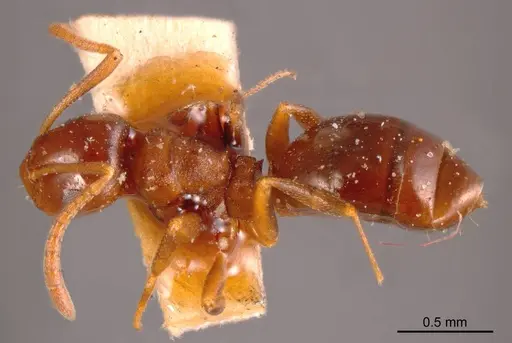
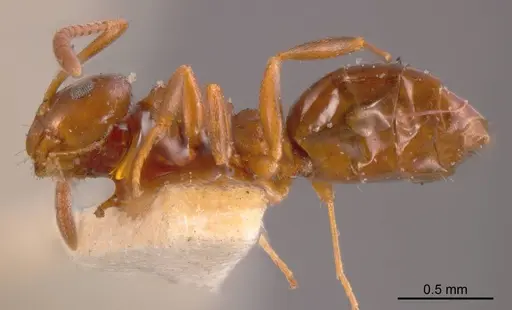
ANTWEB1008331
View on AntWeb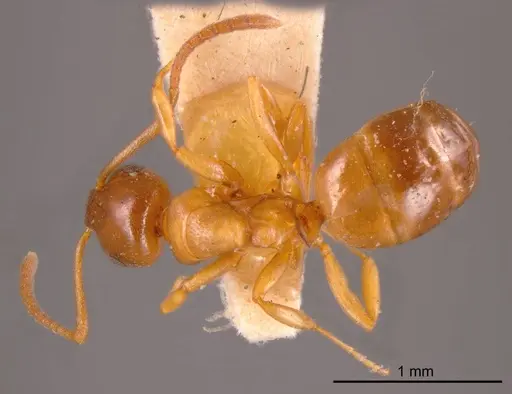
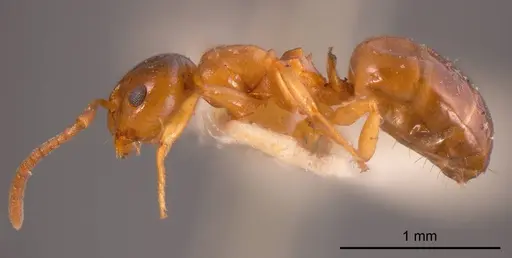
ANTWEB1008333
View on AntWeb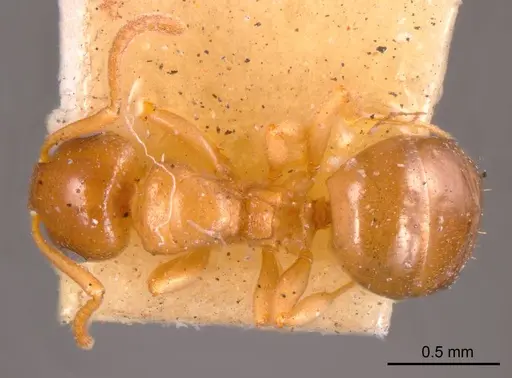
ANTWEB1008335
View on AntWeb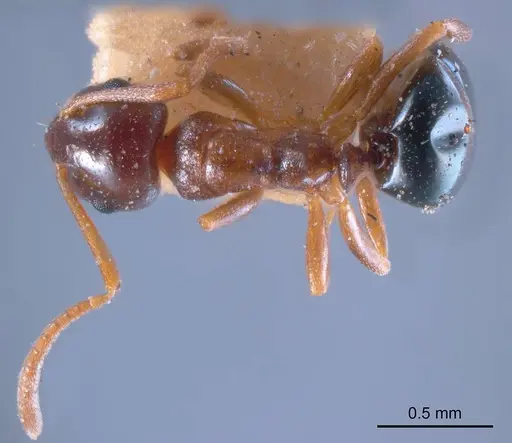
ANTWEB1008336
View on AntWeb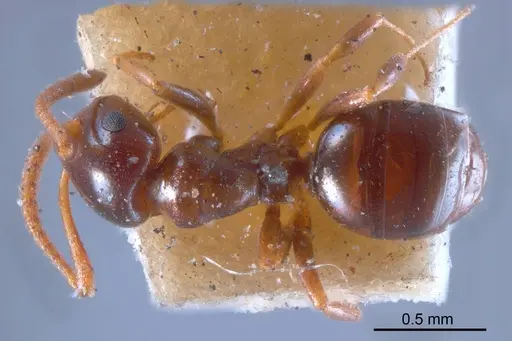
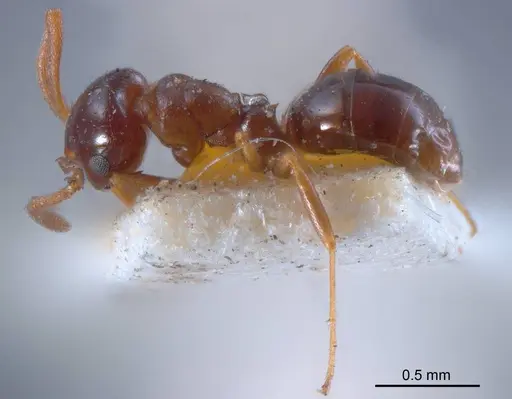
ANTWEB1008339
View on AntWeb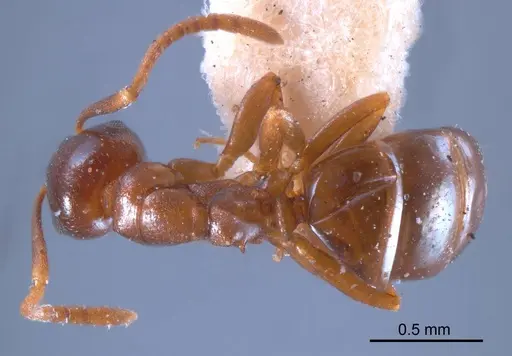
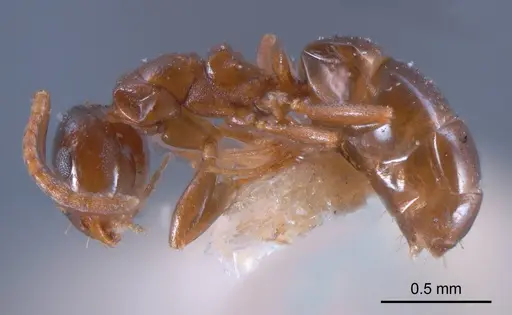
ANTWEB1008353
View on AntWeb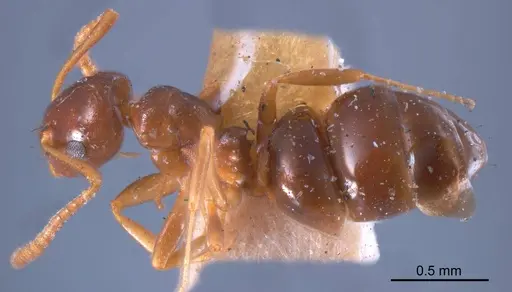
CASENT0106256
View on AntWeb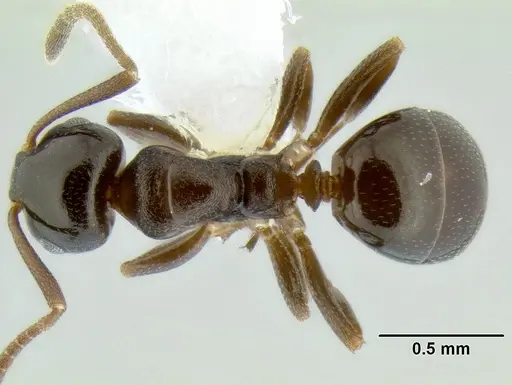
CASENT0281497
View on AntWeb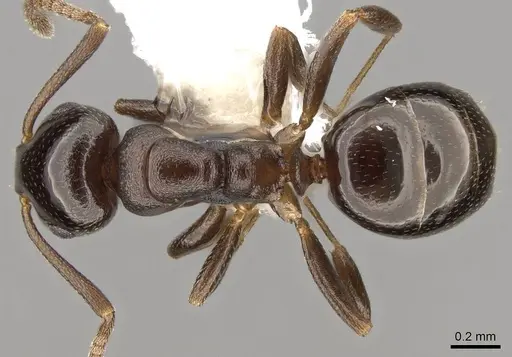
CASENT0281498
View on AntWeb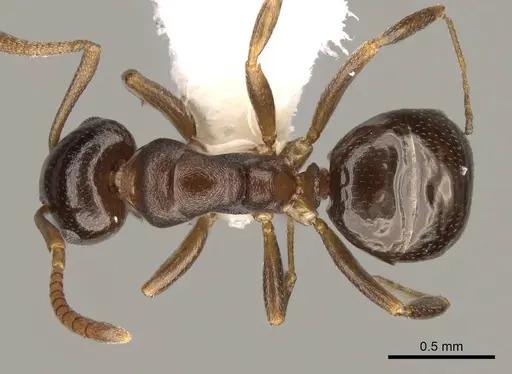
CASENT0909935
View on AntWeb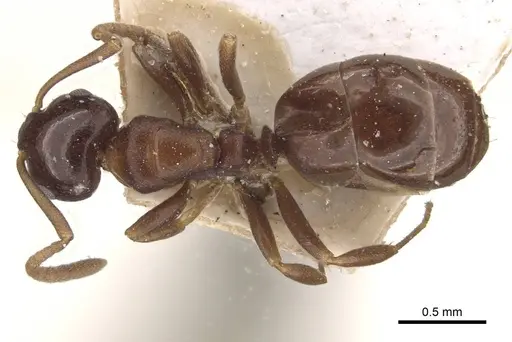
Literature
Loading...Loading products...