

Stigmacros anthracina
- Scientific Name
- Stigmacros anthracina
- Tribe
- Melophorini
- Subfamily
- Formicinae
- Author
- McAreavey, 1957
- Distribution
- Found in 1 countries
Stigmacros anthracina Overview
Stigmacros anthracina is an ant species of the genus Stigmacros. It is primarily documented in 1 countries , including Australia. Detailed taxonomic data and occurrence records can be further explored via authoritative databases such as AntWeb or the Global Biodiversity Information Facility (GBIF).
Stigmacros anthracina
Stigmacros anthracina is a small ant species native to Australia, belonging to the subfamily Formicinae and tribe Melophorini. Workers are typical of the genus, small ants with the characteristic Formicinae body shape and a distinct mesonotum sculpture that helps distinguish them from related species. The species is recognized by its punctate-microreticulate sculpture of the mesonotum, which separates it from close relatives like Stigmacros brachytera and Stigmacros elegans [1]. This ant is rather uncommon in its range, having been collected primarily in the Darling Range south of Perth in Western Australia, though it was originally described from Mt Lofty near Adelaide in South Australia [1]. As a Formicine ant, they possess the ability to spray formic acid as a defense mechanism rather than using a stinger.
Quick Summary
- Difficulty: Unknown, likely Easy to Medium based on genus
- Origin & Habitat: Australia, originally described from Mt Lofty near Adelaide, SA, in southwestern Australia found only in the Darling Range south of Perth [1]. Inhabits the South Western Botanical Province (SWBP) region.
- Colony Type: Unknown, likely single-queen (monogyne) colonies based on typical Melophorini patterns
- Size & Growth:
- Queen: Estimated 5-7mm based on genus Stigmacros typical measurements
- Worker: Estimated 3-4mm based on genus Stigmacros typical measurements
- Colony: Unknown for this species, likely under 500 workers based on typical Stigmacros colony sizes
- Growth: Unknown, likely moderate based on related Melophorini species
- Development: Estimated 6-10 weeks based on typical Formicinae development at warm temperatures (Development time is estimated from related Formicinae species, actual timing for this species is unconfirmed)
- Antkeeping:
- Temperature: Aim for 22-26°C, these are Australian ants that likely prefer warm conditions. A gentle temperature gradient allows workers to choose their preferred zone.
- Humidity: Moderate humidity preferred, Australian Melophorini often inhabit relatively dry to moderately damp soils. Keep substrate lightly moist but allow some drying between waterings.
- Diapause: Likely required, Australian temperate ants typically need a winter rest period. A 2-3 month diapause at 10-15°C is recommended.
- Nesting: Likely nests in soil or under stones in nature. A test tube setup works well for founding colonies, established colonies can be moved to Y-tong or naturalistic setups with soil substrate.
- Behavior: Behavior is unconfirmed for this species, but Stigmacros ants are typically generalist foragers that collect nectar, honeydew, and small insects. As Formicinae, they are not aggressive but will spray formic acid when threatened. They are small ants, so escape prevention using fine mesh is important. Activity levels likely increase with warmth.
- Common Issues: limited distribution in captivity means finding established colonies may be difficult, specific temperature and humidity requirements are unconfirmed, observe colony behavior and adjust, as small ants, escape prevention requires fine mesh barriers, winter diapause is likely required but timing and duration specifics are unknown, this species is uncommon even in its native Australia, wild colonies may be difficult to locate
Housing and Nest Setup
For founding colonies, a standard test tube setup works well. Fill the tube one-third with water, plug with cotton, and place the queen in the dark chamber. The queen will likely seal herself into a chamber (claustral founding) and emerge once her first workers (nanitics) appear. For established colonies with 50+ workers, you can transition to a Y-tong (AAC) nest or a naturalistic setup with soil substrate. Since this is a small species, ensure any formicarium has appropriately sized chambers and passages. Escape prevention is important, use fine mesh on any openings since these ants can squeeze through surprisingly small gaps. [1]
Feeding and Diet
Based on typical Melophorini and Formicinae feeding habits, Stigmacros anthracina likely accepts a varied diet. Offer sugar water or honey water as a constant energy source. For protein, provide small insects like fruit flies, small mealworms, or other appropriately sized prey. In nature, they likely forage for nectar and honeydew from aphids or scale insects, so occasional sweet treats are appreciated. Feed protein sources 2-3 times per week, and keep sugar water available at all times. Remove uneaten prey after 24-48 hours to prevent mold issues.
Temperature and Seasonal Care
As an Australian ant from the temperate regions of Western Australia and South Australia, this species likely experiences seasonal temperature changes in the wild. Aim for a temperature range of 22-26°C during the active season, this supports brood development and worker activity. A heating cable on one side of the nest creates a gradient allowing workers to regulate their temperature. During winter, a diapause period of 2-3 months at 10-15°C is likely required to mimic natural conditions. Reduce feeding during diapause and keep the colony relatively cool but above freezing. [1]
Behavior and Temperament
Stigmacros anthracina is likely a calm, non-aggressive species typical of the Melophorini tribe. As a Formicine ant, they possess a formic acid gland and will spray this defensive chemical when threatened rather than stinging. They are small ants, so they may be overlooked by predators and tend to avoid confrontation. Foraging activity is likely highest during warmer periods. Workers probably forage individually or in small groups, collecting nectar, honeydew, and small insects. Their small size means they are adept at navigating complex terrain but also requires careful attention to escape prevention.
Frequently Asked Questions
How long does it take for Stigmacros anthracina to produce first workers?
The exact timeline is unconfirmed for this species, but based on typical Formicinae development, expect first workers (nanitics) to emerge in 6-10 weeks after the queen lays eggs, assuming temperatures around 24-26°C. The first workers will be smaller than mature workers.
Can I keep multiple Stigmacros anthracina queens together?
This is unconfirmed for this specific species. Combining unrelated foundress queens is generally not recommended in antkeeping as it often leads to fighting. If you have multiple queens, it's safer to house them separately until you determine whether they will tolerate each other.
What do Stigmacros anthracina eat?
Based on typical Melophorini diet, they likely accept sugar sources (honey water, sugar water) and protein (small insects like fruit flies, pinhead crickets, mealworms). Offer protein 2-3 times per week and keep sugar water available at all times.
Do Stigmacros anthracina need hibernation?
Yes, a winter diapause is likely required. As an Australian temperate species, they probably experience cooler winters in their native habitat. Provide a 2-3 month rest period at 10-15°C during winter months.
Are Stigmacros anthracina good for beginners?
Difficulty level is uncertain due to limited data on this species. However, based on typical Stigmacros and Melophorini care requirements, they are likely manageable for beginners once established. The main challenges are finding colonies (they are uncommon in captivity) and providing appropriate winter diapause.
How big do Stigmacros anthracina colonies get?
Colony size is unconfirmed for this specific species. Based on typical Stigmacros colony sizes, they likely reach several hundred workers at maximum. Colony growth is likely moderate rather than rapid.
When should I move Stigmacros anthracina from a test tube to a formicarium?
Move the colony when the test tube becomes crowded or the water reservoir is depleted, typically when you see 30-50+ workers. Make sure the new enclosure has appropriately sized chambers for these small ants and maintain escape prevention measures.
What temperature is best for Stigmacros anthracina?
Aim for 22-26°C during the active season. A temperature gradient allowing workers to choose their preferred zone is ideal. During winter diapause, reduce to 10-15°C.
Why is my Stigmacros anthracina colony declining?
Potential causes include: incorrect temperature (too cold or too hot), improper humidity (too dry or waterlogged), insufficient food, disease/parasites from wild-caught colonies, or stress from excessive disturbance. Review your care conditions and make gradual adjustments. Wild-caught colonies often carry parasites that can cause decline in captivity.
References

This caresheet is licensed under CC BY-SA 4.0 .
ANTWEB1008327
View on AntWeb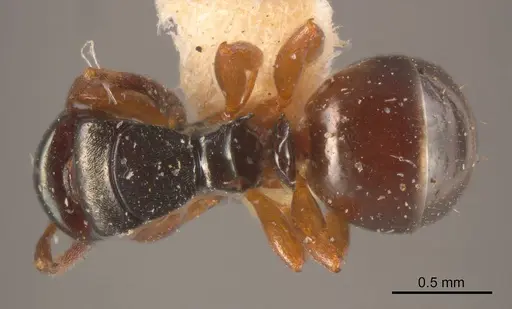
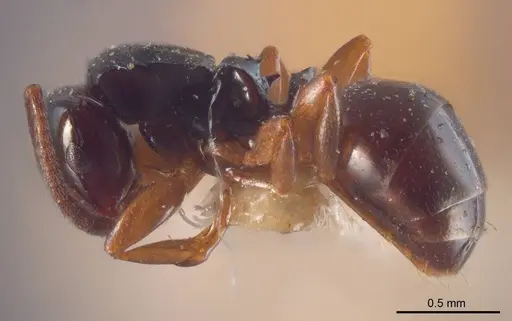
Literature
Loading...Loading products...