

Stigmacros brachytera
- Scientific Name
- Stigmacros brachytera
- Tribe
- Melophorini
- Subfamily
- Formicinae
- Author
- McAreavey, 1957
- Distribution
- Found in 1 countries
Stigmacros brachytera Overview
Stigmacros brachytera is an ant species of the genus Stigmacros. It is primarily documented in 1 countries , including Australia. Detailed taxonomic data and occurrence records can be further explored via authoritative databases such as AntWeb or the Global Biodiversity Information Facility (GBIF).
Stigmacros brachytera
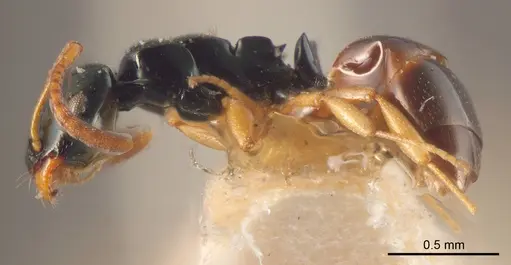
Stigmacros brachytera is a small jet-black ant native to Western Australia. Workers measure around 3-4mm, with queens being slightly larger. This species has a distinctive flattened head and small eyes, which helps distinguish it from its close relative Stigmacros elegans, which has larger eyes and a less flattened head [1]. The species belongs to the subfamily Formicinae, meaning they defend themselves by spraying formic acid rather than stinging.
This ant is found only in the south-west corner of Western Australia, from Perth to the tip of the southwest region, with a single record from Lake Warden near Esperance [1]. Almost no biological or behavioral research exists for this species, making it a true mystery ant for antkeepers. What we know comes from taxonomic descriptions rather than ecological studies.
Quick Summary
- Difficulty: Unknown, likely Medium
- Origin & Habitat: South-west Western Australia, from Perth to the southwest tip, with one record near Esperance. Inhabits the Mediterranean climate zone of Western Australia [1].
- Colony Type: Unknown colony structure, only worker and queen have been described taxonomically, with no ecological studies on colony organization.
- Size & Growth:
- Queen: Larger than workers, exact measurements unconfirmed [2]
- Worker: Approximately 3-4mm based on genus description [2]
- Colony: Unknown, no colony size data available
- Growth: Unknown, no development data exists
- Development: Unconfirmed, no direct studies. Based on related Formicinae in Mediterranean climates, estimate 6-10 weeks at optimal temperature. (This is a rough estimate based on genus-level patterns. No species-specific data exists.)
- Antkeeping:
- Temperature: Aim for 20-26°C, mimicking a Mediterranean climate with mild winters and warm summers. A gentle temperature gradient allows ants to self-regulate.
- Humidity: Moderate humidity around 50-70%. Western Australia's south-west has dry summers but moist winters. Provide a water tube and allow the nest to dry slightly between rehydrations.
- Diapause: Likely required, Western Australia south-west has a cool, wet winter (June-August). Expect reduced activity during this period.
- Nesting: No specific nesting data exists. Based on related Melophorini and regional ant patterns, they likely nest in soil or under stones. A test tube setup works for founding colonies, a Y-tong or plaster nest works for established colonies.
- Behavior: No behavioral studies exist. As Formicinae, they will spray formic acid when threatened. Based on genus placement in Melophorini, they are likely generalist foragers. Escape prevention should be moderate, they are small ants but not among the tiniest.
- Common Issues: no biological data makes care recommendations uncertain, diapause requirements are inferred, not confirmed, growth rate and development timeline are estimates only, colony size maximum is unknown, feeding preferences are unconfirmed
Temperature and Care
Since no specific temperature data exists for Stigmacros brachytera, we must make educated inferences from their geographic origin. The south-west of Western Australia experiences a Mediterranean climate with temperatures ranging from around 10-15°C in winter to 25-35°C in summer. For captive care, aim for a comfortable middle ground of 20-26°C during the active season. A heating cable on one side of the nest can create a gentle gradient, allowing workers to choose their preferred temperature. During winter (roughly June-August in the Southern Hemisphere), expect reduced activity and consider a slight temperature reduction to around 15-18°C to simulate their natural seasonal cycle. This species likely experiences a dormant period corresponding to the cool, wet Western Australian winter. [1]
Feeding and Diet
No dietary studies exist for Stigmacros brachytera. The tribe Melophorini includes many species that feed on honeydew and tend aphids, but also includes generalist foragers. For captive care, offer a varied diet: sugar water or honey water as a constant energy source, and protein in the form of small insects like fruit flies, pinhead crickets, or mealworms. Start with small prey items appropriate to their tiny worker size. Observe whether they readily accept sugar sources, if not, focus on protein feeding. Offer food 2-3 times per week for established colonies, removing uneaten prey after 24 hours to prevent mold.
Nesting Preferences
No published data exists on the natural nesting habits of this species. However, the genus Stigmacros is known from Western Australia, and related Melophorini in this region typically nest in soil or under stones in shaded areas. For captive breeding, start with a simple test tube setup for founding colonies, a test tube with a water reservoir at one end, stopped with cotton, provides the humid, dark environment queens need for claustral founding. Once the colony reaches 20-30 workers, you can transition to a small formicarium like a Y-tong nest or a small plaster nest. Keep the nest substrate lightly moist but not waterlogged.
Behavior and Temperament
No behavioral observations have been published for this species. As a member of the subfamily Formicinae, they possess the ability to spray formic acid as a defense mechanism rather than stinging. This means they can cause skin irritation but are not dangerous to humans. Their small size (around 3-4mm for workers) means escape prevention should be taken seriously, use tight-fitting lids and consider fluon barriers if keeping them in open setups. Based on typical Melophorini behavior, they are likely diurnal foragers active during daylight hours. They probably form small colonies, though exact colony size is unknown.
Seasonal Care and Overwintering
The south-west of Western Australia experiences a distinct winter from June to August, with cool temperatures and increased rainfall. During this period, ants in the wild become less active. For captive care, simulate this by reducing temperatures to around 15-18°C during the winter months, roughly corresponding to June-August in the Southern Hemisphere. You do not need to stop feeding entirely, but reduce the frequency and amount of food offered. The colony will likely show reduced activity levels, with workers clustering together in the nest. This rest period is likely important for the colony's long-term health, though the exact requirements are unconfirmed for this species. [1]
Frequently Asked Questions
How long does it take for Stigmacros brachytera to raise first workers?
This is unconfirmed, no development studies exist for this species. Based on related Formicinae in Mediterranean climates, estimate 6-10 weeks from egg to first worker at optimal temperature (around 22-26°C). The first workers (nanitics) will likely be smaller than mature workers.
What do Stigmacros brachytera ants eat?
No dietary studies exist for this species. Based on related Melophorini, they likely accept sugar sources (honey water, sugar water) and small protein prey (fruit flies, small insects). Offer a varied diet and remove uneaten food promptly.
Can I keep multiple Stigmacros brachytera queens together?
Unknown, no studies exist on their colony structure. The safe approach is to keep only one queen per colony. Combining unrelated queens has not been documented and risks aggression.
Do Stigmacros brachytera need hibernation?
Likely yes, based on their Western Australian origin. The south-west of WA has a cool winter (June-August). Reduce temperatures to around 15-18°C during this period and reduce feeding frequency.
How big do Stigmacros brachytera colonies get?
Unknown, no colony size data exists. Based on related Melophorini, colonies are likely small to moderate, possibly reaching a few hundred workers at most.
Are Stigmacros brachytera good for beginners?
Difficulty is unknown due to lack of biological data. They are small ants from a Mediterranean climate, which suggests moderate care requirements. However, the lack of species-specific information makes them challenging, you will be learning alongside your colony.
What temperature should I keep Stigmacros brachytera at?
Aim for 20-26°C during the active season. A gentle gradient allowing self-regulation is ideal. During winter, reduce to around 15-18°C to simulate their natural seasonal cycle.
When should I move Stigmacros brachytera to a formicarium?
Keep them in a test tube setup until the colony reaches at least 20-30 workers. Signs that they need more space include workers frequently escaping the tube, condensation disappearing too quickly, or the queen moving brood away from the water reservoir.
Where is Stigmacros brachytera native to?
This species is native only to the south-west corner of Western Australia, from Perth to the southwest tip, with one record from Lake Warden near Esperance.
References

This caresheet is licensed under CC BY-SA 4.0 .
ANTWEB1008329
View on AntWeb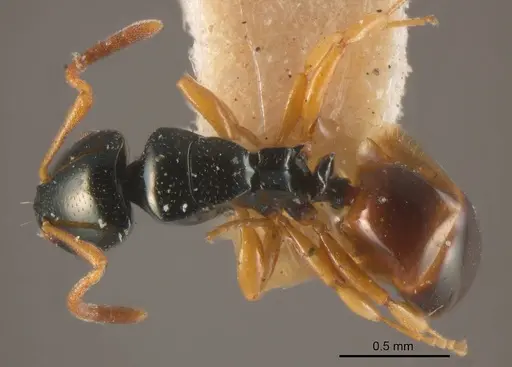
Literature
Loading...Loading products...