

Stenamma saenzae
- Scientific Name
- Stenamma saenzae
- Tribe
- Stenammini
- Subfamily
- Myrmicinae
- Author
- Branstetter, 2013
- Distribution
- Found in 3 countries
Stenamma saenzae Overview
Stenamma saenzae is an ant species of the genus Stenamma. It is primarily documented in 3 countries , including Guatemala, Honduras, Mexico. Detailed taxonomic data and occurrence records can be further explored via authoritative databases such as AntWeb or the Global Biodiversity Information Facility (GBIF).
Stenamma saenzae
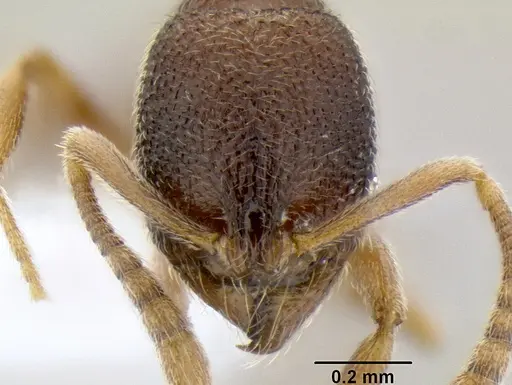
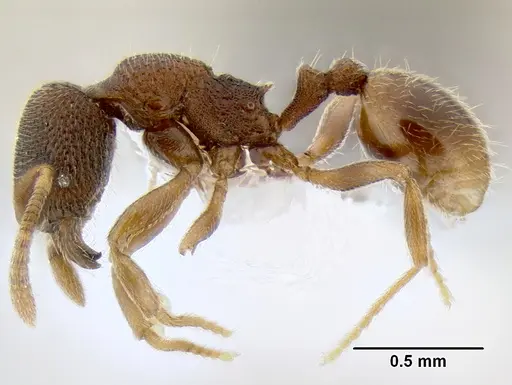
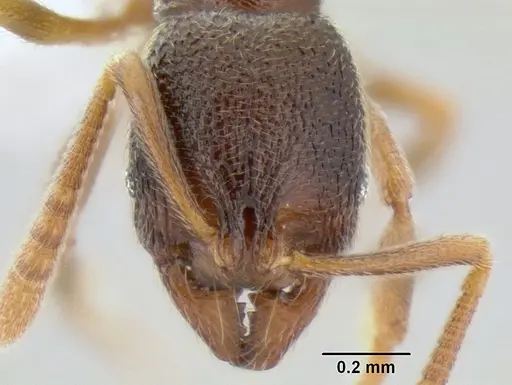
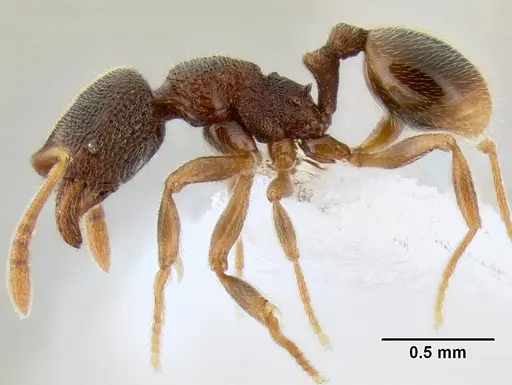
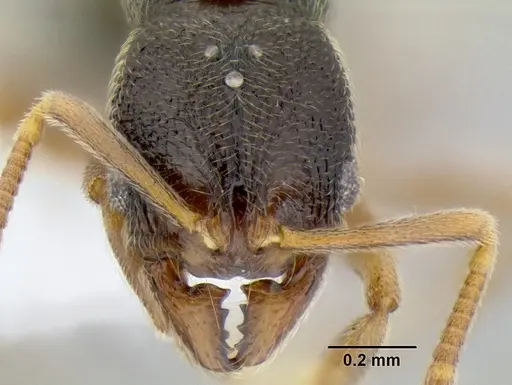
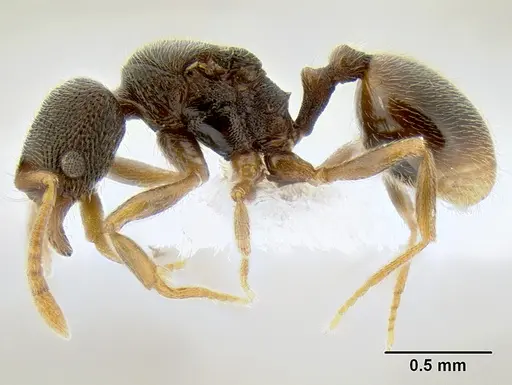
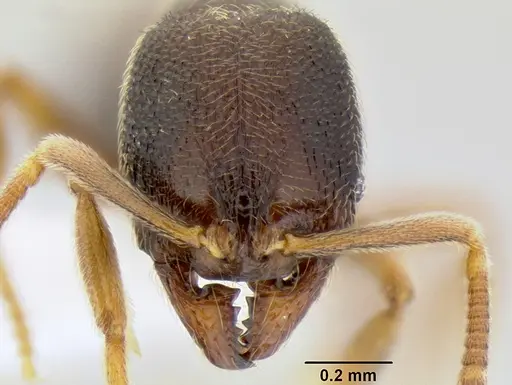
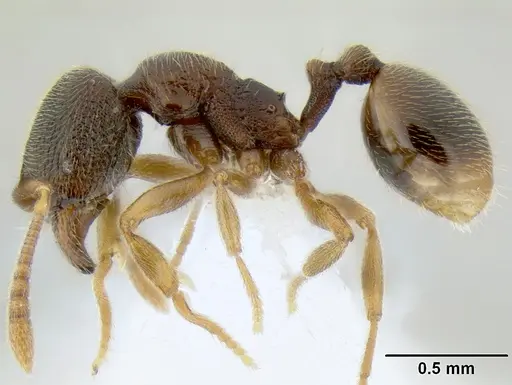
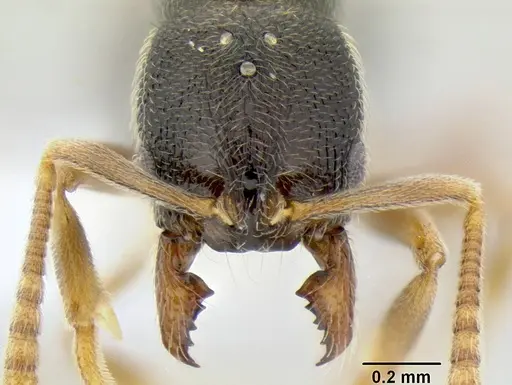
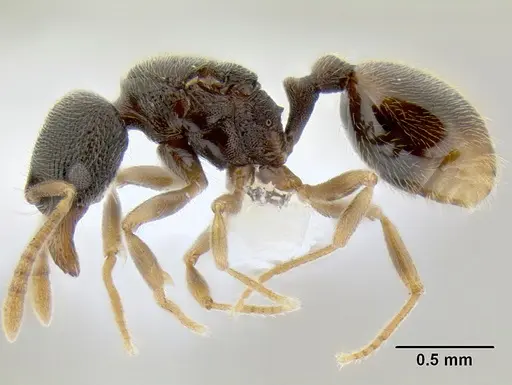
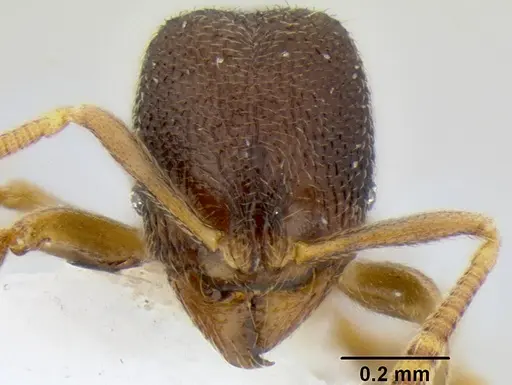
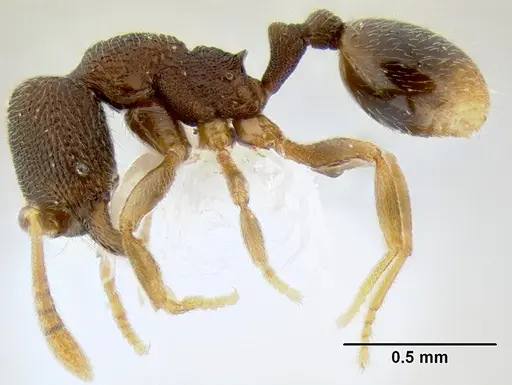
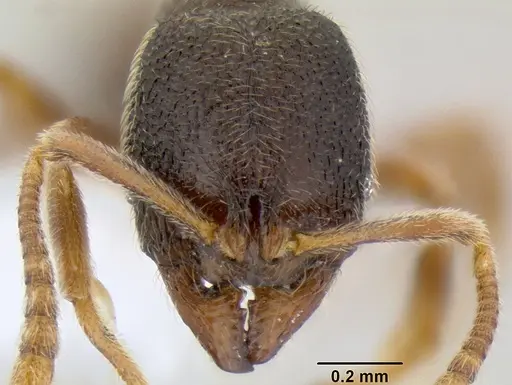
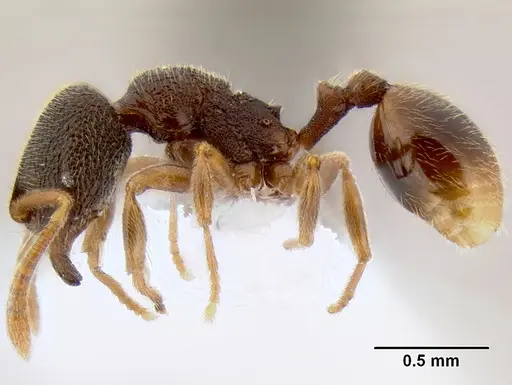
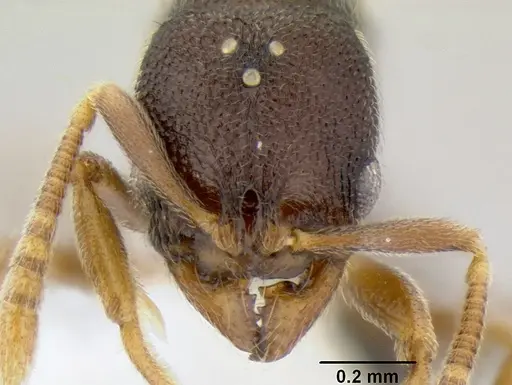
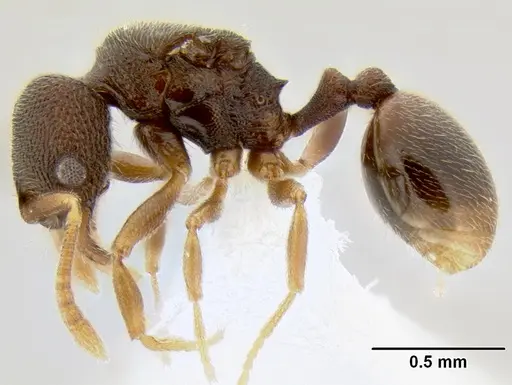
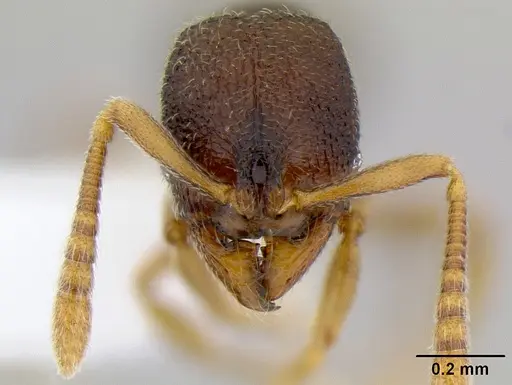
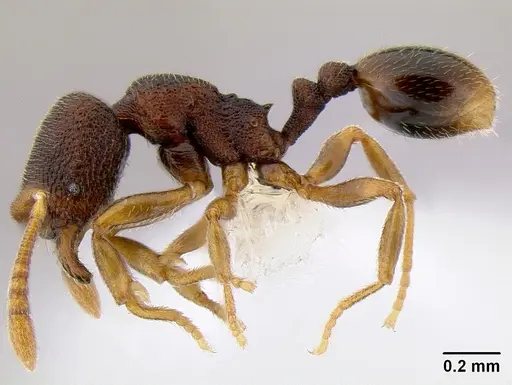
Stenamma saenzae is a tiny, cryptic ant species native to the cloud forests of Southern Mexico through Honduras [1]. Workers measure just 2.5-3mm, with a mottled brown to orange-brown coloration and completely sculptured face that gives them a distinctive textured appearance [2]. These ants live exclusively in montane wet forest environments at elevations between 1000-2100 meters, where they nest within the leaf litter layer rather than in soil or wood [3]. Their small size and cryptic lifestyle make them one of the harder-to-find members of the leaf litter ant community. Unlike many ants, they are rarely observed above ground and are almost exclusively collected by sifting through forest floor debris [3].
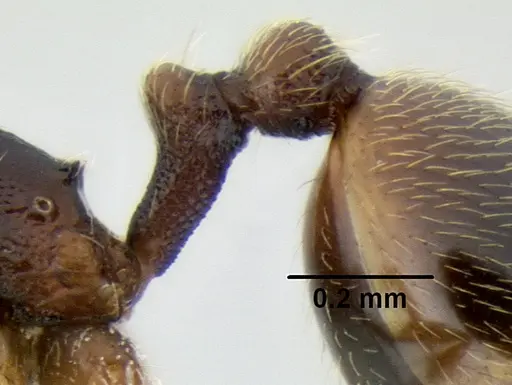
What makes S. saenzae interesting is their extreme specialization to cloud forest conditions. They require the constantly high humidity and stable temperatures found only at these elevations. The gastral pilosity (abdominal hairs) shows a unique dual layer, a dense mat of short flat-lying hairs with sparse longer hairs standing upright [2]. This species remains poorly studied in the wild, and captive colonies are extremely rare in the antkeeping hobby.
Quick Summary
- Difficulty: Expert
- Origin & Habitat: Montane cloud forests in Southern Mexico, Guatemala, Belize, and Honduras at 1000-2100m elevation [3][1]. They inhabit mesophyll forest, pine cloud forest, oak-pine forest, and liquidambar-oak-pine forest environments [3].
- Colony Type: Colony structure is unconfirmed, no published data on queen number or colony organization exists for this species [2]. Workers and dealate queens are commonly found together in leaf litter samples, suggesting established colonies exist in this stratum.
- Size & Growth:
- Queen: Queens measure approximately 2.8-3.3mm (HL 0.56-0.67) [3]
- Worker: Workers are tiny at 2.5-3mm (HL 0.52-0.69,HW 0.43-0.59) [2]
- Colony: Unknown, no colony size data published. Based on related Stenamma species, likely small colonies of perhaps 50-200 workers
- Growth: Unknown, no development data available for this species
- Development: Unconfirmed, no direct measurements exist. Based on typical Myrmicinae patterns and their small size, estimate 6-10 weeks at optimal temperature (Development timeline is unconfirmed due to lack of captive breeding studies)
- Antkeeping:
- Temperature: Keep at 20-24°C. As a tropical montane species, they prefer stable, moderate temperatures rather than heat. Avoid temperatures above 28°C
- Humidity: Very high humidity required, think cloud forest conditions. Keep substrate consistently moist but not waterlogged. A naturalistic setup with leaf litter works well to maintain humidity
- Diapause: Unlikely, as a tropical species from consistent cloud forest environments, they probably do not require a true diapause. May show reduced activity during cooler/wetter seasons
- Nesting: Leaf litter dwellers. They nest within the decomposing leaf litter layer rather than excavating nests. In captivity, a naturalistic setup with multiple inches of moist leaf litter, moss, and small debris works best. Alternatively, a Y-tong or plaster nest with very small chambers and high humidity may work
- Behavior: These ants are extremely cryptic and rarely seen above ground. Workers forage singly through leaf litter, likely hunting micro-arthropods and collecting honeydew. They are not aggressive and will flee rather than fight when disturbed. Their small size means escape prevention is critical, they can slip through standard barrier setups. The stinger is present but tiny and rarely used defensively. Activity level is low, they spend most time within the nest structure in leaf litter
- Common Issues: extreme humidity requirements make them prone to mold in captivity, tiny size means standard escape prevention often fails, use fine mesh barriers, no captive breeding data exists, establishing a colony is extremely difficult, they rarely accept substitute foods and require live micro-prey, cloud forest temperature requirements are difficult to maintain year-round
Natural History and Habitat
Stenamma saenzae is a leaf litter specialist found exclusively in montane wet forest environments across Southern Mexico, Belize, Guatemala, and Honduras [1][3]. Their elevational range spans 1000-2100 meters, with most collections occurring in cloud forest and mesophyll forest habitats [3]. The species was described in 2013 by Michael Branstetter as part of a comprehensive revision of the Middle American Stenamma clade [2].
These ants are almost never observed foraging in the open. Instead, they live entirely within the decomposing leaf litter layer on the forest floor. Workers and dealate queens are routinely collected by sifting leaf litter through Berlese funnels, a standard method for extracting tiny invertebrates from forest floor debris [3]. This suggests their nests are small, cryptic structures hidden within the litter layer, not the more substantial underground nests typical of many ant species.
The complete geographic range runs from Chiapas, Mexico south through Guatemala and Belize to Honduras [1]. The type locality is in Chiapas, Mexico at approximately 1990 meters elevation, in a mesophyll forest environment [3].
Identification and Morphology
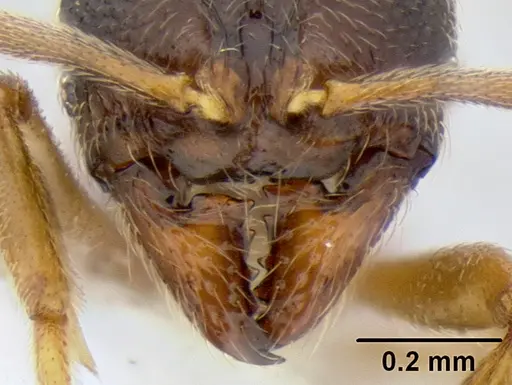
Stenamma saenzae is a small species with workers measuring 2.5-3mm in total length. The head length (HL) ranges from 0.52-0.69mm and head width (HW) from 0.43-0.59mm [2]. The most distinctive morphological features include a completely sculptured face with rugoreticulate (net-like) patterning, and a unique gastral pilosity consisting of both dense decumbent (flat-lying) hairs and sparse suberect (slightly raised) hairs [2].
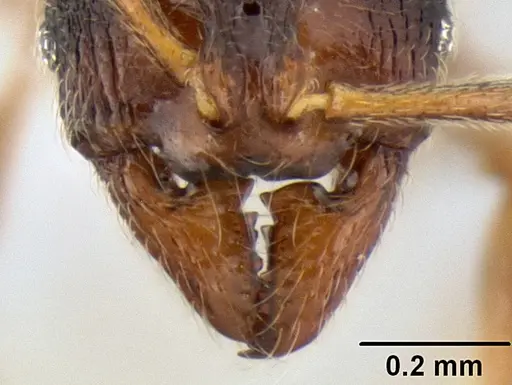
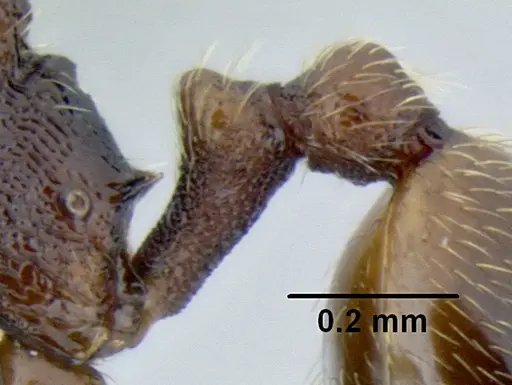
The propodeal spines are tuberculate to short (PSL 0.07-0.14mm), and the eyes are notably small with only 3-5 ommatidia at their greatest diameter [2]. The scape (first antennal segment) is relatively short, not reaching the posterior margin of the head when laid back (SI 81-92) [2]. The basal margin of the mandible has a distinctive small notch containing a tooth, which helps separate this species from similar Stenamma [2].
Queens are slightly larger than workers (HL 0.56-0.67mm) and possess the standard queen modifications including a larger mesosoma and preserved wings (dealate) in collected specimens [3]. Males have never been collected [3].
Housing and Nest Setup
Housing Stenamma saenzae successfully requires recreating their natural leaf litter environment. A naturalistic setup is strongly recommended, use a container filled with 5-8cm of moist substrate (soil or coco fiber) topped with a generous layer of dried oak leaves, moss, and small twigs. This provides the humidity retention and structural complexity they need.
Keep the setup consistently moist but never waterlogged. The leaf litter layer should feel damp but not drip water. A layer of sphagnum moss helps maintain humidity. Use a container with good ventilation to prevent mold while maintaining moisture, small holes screened with fine mesh work well.
Because of their tiny size, escape prevention is critical. Standard test tube setups may work if the entrance is blocked with cotton and the entire setup is enclosed in a fine-mesh enclosure. However, these ants truly thrive in naturalistic terrarium-style setups where the leaf litter layer provides natural humidity gradients.
Feeding and Diet
In the wild, Stenamma species are generalist foragers that hunt small soil arthropods and likely collect honeydew from aphids or scale insects living on plants within the leaf litter layer. Their tiny size means prey must be microscopic, springtails, minute soil mites, and other micro-arthropods.
In captivity, establishing a sustainable food source is challenging. Live springtails should be the primary protein source, as these are naturally present in leaf litter and can be cultured separately. Other small live prey like fruit flies (Drosophila) may be accepted, though the tiny workers may struggle with anything larger than pinhead crickets or mealworms.
Sugar sources are likely accepted, offer a small drop of honey water or sugar water occasionally, but these ants are not heavy sugar feeders. The key to success is establishing a thriving springtail culture within their enclosure so they have constant access to natural prey.
Temperature and Humidity Requirements
As a cloud forest species, Stenamma saenzae requires cool-to-moderate temperatures with high humidity. Aim for 20-24°C, avoid any temperatures above 28°C, which could be lethal. Room temperature within this range is ideal, if your home is cooler, a low-wattage heating cable on one side of the enclosure can provide a gentle gradient.
Humidity is the more critical factor. Cloud forests maintain near-constant high humidity, often above 80%. Keep the substrate consistently moist by misting when the surface begins drying, and ensure the enclosure has good humidity retention. A glass terrarium with a secure lid works well for maintaining humidity levels.
Avoid temperature fluctuations and dry air. These ants are adapted to stable conditions and will likely struggle with the variable humidity typical of indoor environments. Monitoring with a digital hygrometer helps ensure conditions stay within acceptable ranges.
Challenges and Common Problems
Stenamma saenzae is one of the most challenging ant species to keep successfully. The primary difficulty is recreating their specialized cloud forest environment, the combination of high humidity, moderate temperatures, and abundant micro-prey is difficult to maintain consistently.
Mold is a constant threat. The moist conditions they require also favor fungal growth. Regular maintenance, proper ventilation, and removing uneaten food promptly help control mold. If mold becomes excessive, some keepers partially dry the enclosure and clean it before re-establishing moisture.
Escape is almost guaranteed with standard setups. Their tiny size allows them to slip through gaps that would contain larger ants. Use fine mesh (at least 0.5mm) on all ventilation holes, and consider double-barrier systems for critical access points.
Perhaps the biggest challenge is that this species is rarely available in the antkeeping hobby. Wild colonies are extremely difficult to locate (they require leaf litter sifting), and no established captive breeding lines exist. Most attempts to keep this species begin with newly collected queens or colonies from the wild.
Frequently Asked Questions
How long does it take for Stenamma saenzae to develop from egg to worker?
The exact development timeline is unconfirmed, no captive breeding studies exist for this species. Based on typical Myrmicinae development patterns and their small size, estimate approximately 6-10 weeks from egg to first worker at optimal temperature (around 22°C). This is a rough estimate only.
Can I keep Stenamma saenzae in a test tube setup?
A test tube setup is not ideal for this species. They are leaf litter dwellers that need substrate depth and structure to feel secure. A naturalistic terrarium with 5-8cm of moist substrate and a thick leaf litter layer is much more appropriate. If you must use a test tube, use one with a very small water chamber and provide a moist cotton ball, but expect poor results.
Do Stenamma saenzae ants sting?
Yes, they have a stinger as members of the subfamily Myrmicinae. However, due to their tiny size (2.5-3mm), the sting is barely noticeable to humans. They are not aggressive and will flee rather than use their stinger when threatened. The sting is not considered medically significant. [2]
Are Stenamma saenzae good for beginners?
No. This species is rated Expert difficulty due to their extreme humidity requirements, tiny size making escape likely, need for live micro-prey, and the difficulty of obtaining a colony in the first place. They are one of the most challenging ant species to keep successfully. Beginners should start with more hardy species like Lasius niger or Camponotus.
What do Stenamma saenzae eat?
They are generalist foragers that likely hunt micro-arthropods and collect honeydew in the wild. In captivity, live springtails should be the primary food, these can be cultured and added to their enclosure. Small fruit flies and other tiny insects may also be accepted. Occasional honey water or sugar water can be offered, but they are not heavy sugar feeders.
Do Stenamma saenzae need hibernation?
Unlikely. As a tropical montane species from consistent cloud forest environments, they probably do not require a true diapause. They may show reduced activity during cooler or wetter seasons in the wild, but this is not a proper hibernation. Keeping them at stable room temperature year-round (20-24°C) is appropriate.
How big do Stenamma saenzae colonies get?
The maximum colony size is unknown, no published data exists. Based on related Stenamma species and their cryptic leaf-litter lifestyle, colonies are likely small, probably in the range of 50-200 workers. They do not form the large colonies typical of many Myrmicinae ants.
Where can I get Stenamma saenzae?
This species is extremely rare in the antkeeping hobby. They are almost never available from breeders or suppliers. The only way to obtain them would be to collect them yourself from their native range (Southern Mexico to Honduras) using leaf litter sifting methods, which requires permits and specific field techniques. Even then, they are difficult to locate.
Why are my Stenamma saenzae dying?
The most likely causes are: incorrect humidity (too dry or too wet/waterlogged), temperature stress (too hot or cold), lack of appropriate live prey, or escape. These ants have very specific requirements and will decline quickly in suboptimal conditions. Check that humidity is consistently high (80%+), temperature is stable (20-24°C), and that live springtails or other micro-prey are available. Mold from poor ventilation can also kill colonies.
Can I keep multiple Stenamma saenzae queens together?
No data exists on their colony structure or queen behavior. Combining unrelated queens is not recommended since this has not been documented and could result in aggression. In the wild, dealate queens are found alone in leaf litter samples, suggesting single-queen colonies, but this is not confirmed.
References

This caresheet is licensed under CC BY-SA 4.0 .
CASENT0601618
View on AntWeb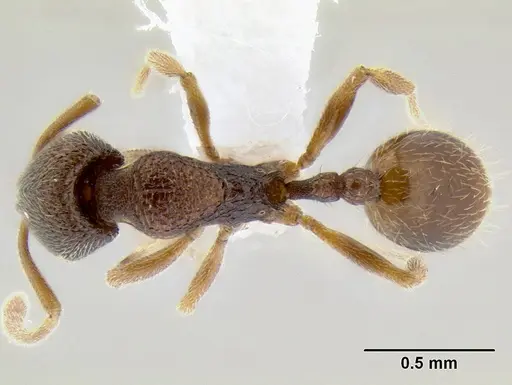
CASENT0603860
View on AntWeb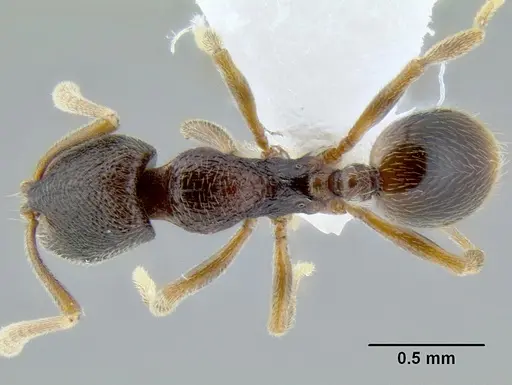
CASENT0603866
View on AntWeb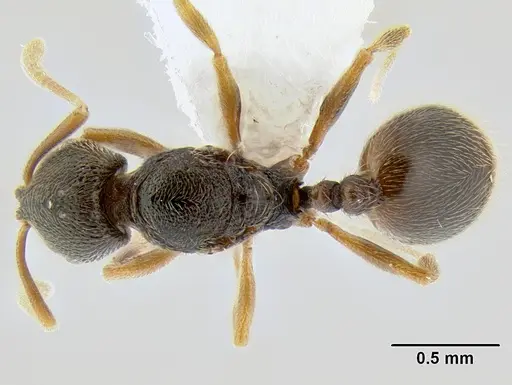
CASENT0604912
View on AntWeb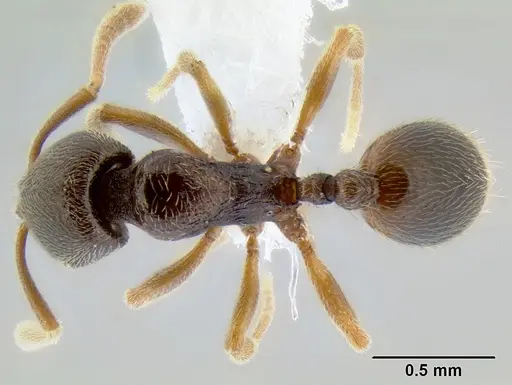
CASENT0604913
View on AntWeb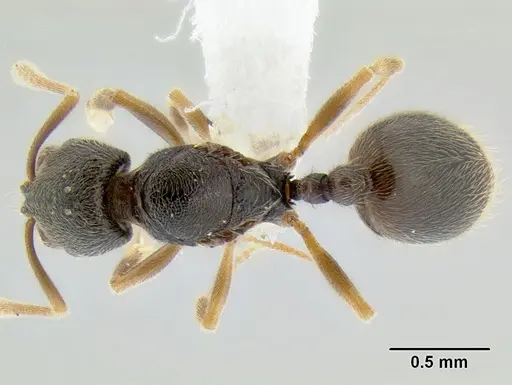
CASENT0604932
View on AntWeb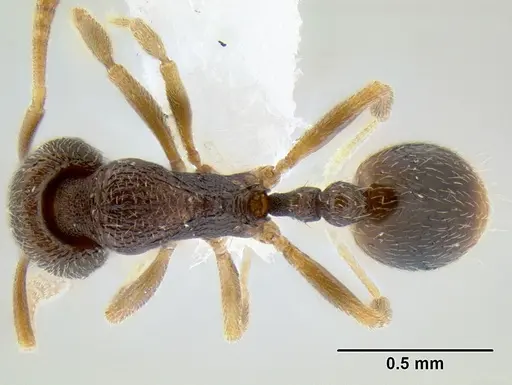
CASENT0620169
View on AntWeb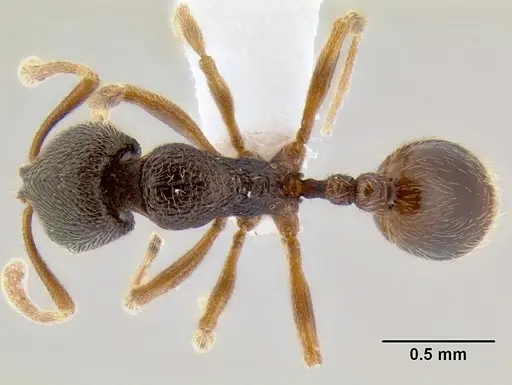
CASENT0621730
View on AntWeb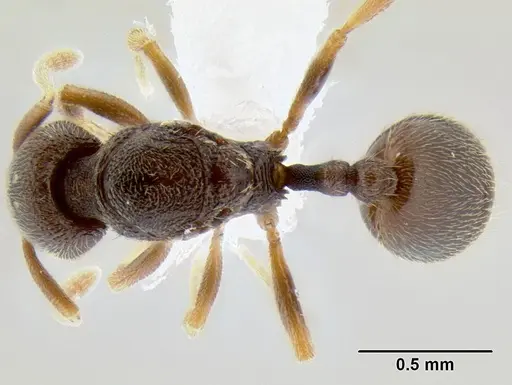
CASENT0621764
View on AntWeb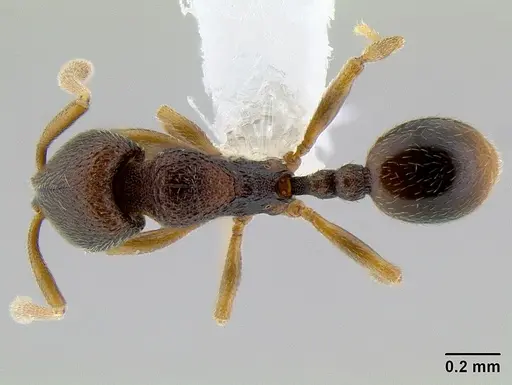
Literature
Loading...Loading products...