

Stenamma californicum
- Scientific Name
- Stenamma californicum
- Tribe
- Stenammini
- Subfamily
- Myrmicinae
- Author
- Snelling, 1973
- Distribution
- Found in 1 countries
Stenamma californicum Overview
Stenamma californicum is an ant species of the genus Stenamma. It is primarily documented in 1 countries , including United States of America. Detailed taxonomic data and occurrence records can be further explored via authoritative databases such as AntWeb or the Global Biodiversity Information Facility (GBIF).
Stenamma californicum
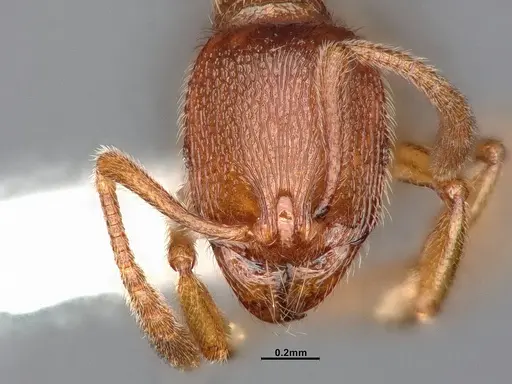
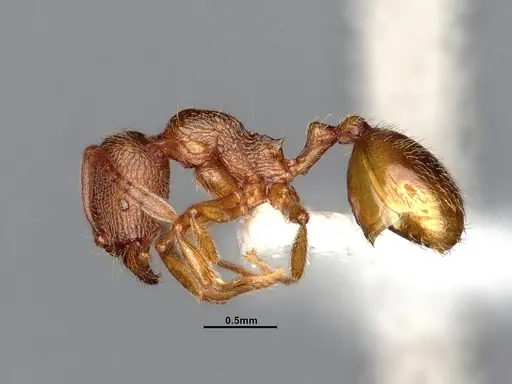
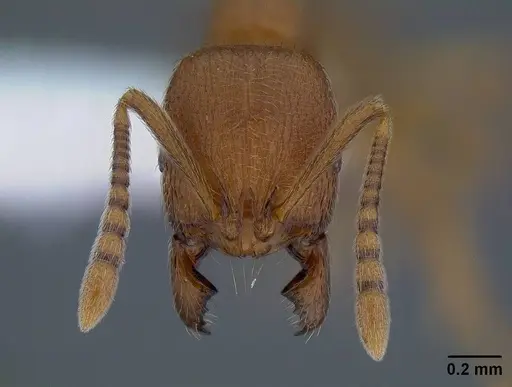
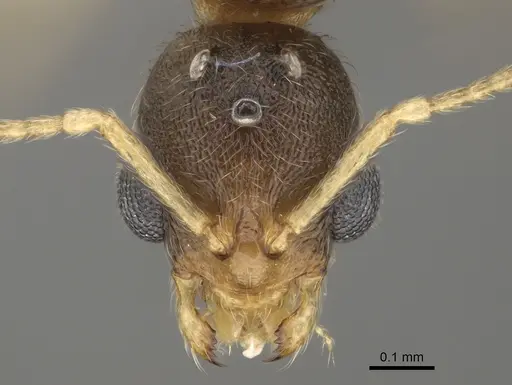
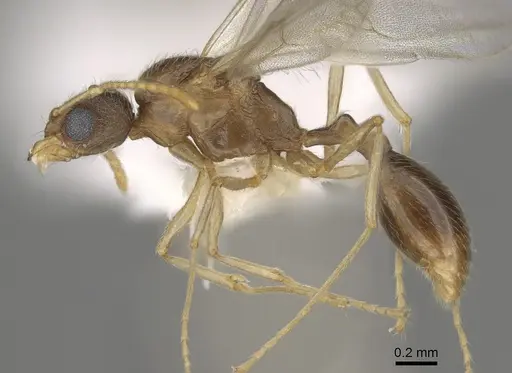
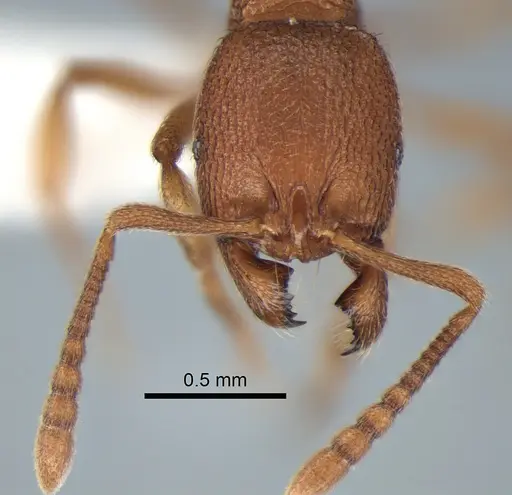
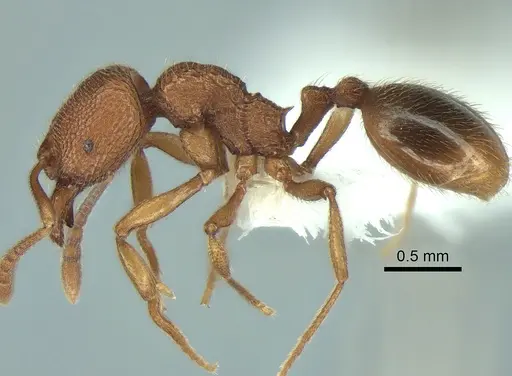
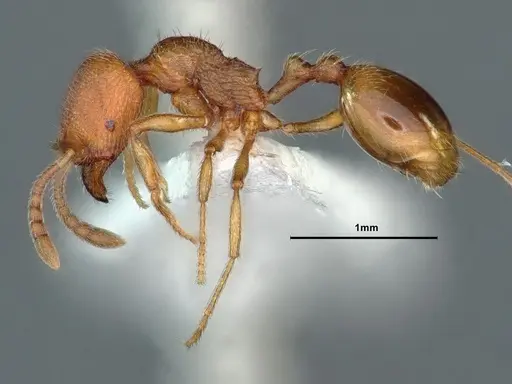
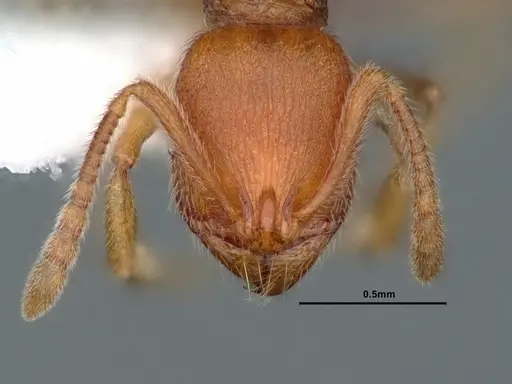
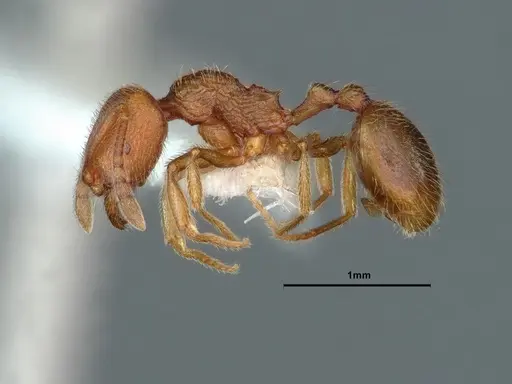
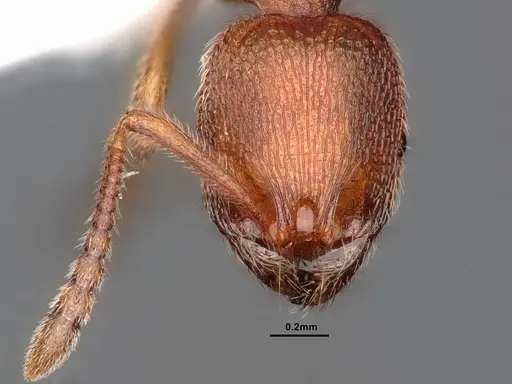
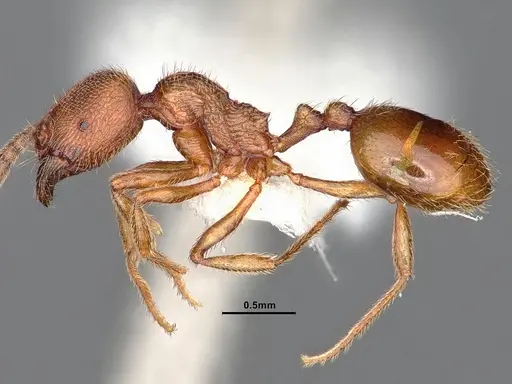
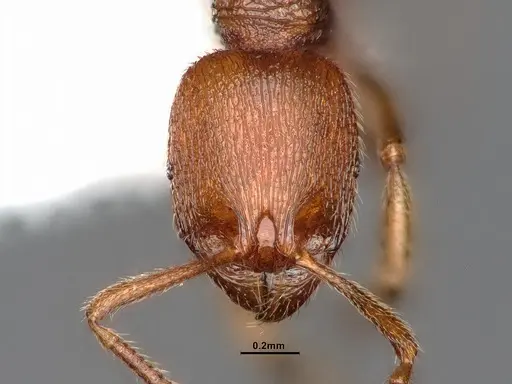
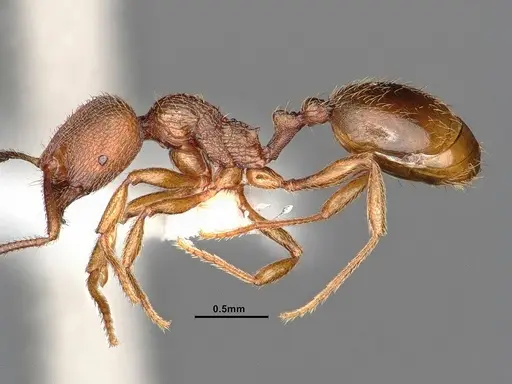
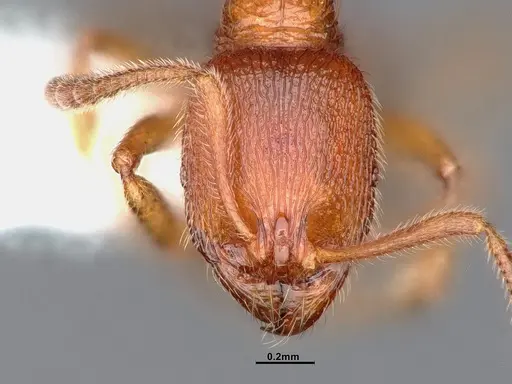
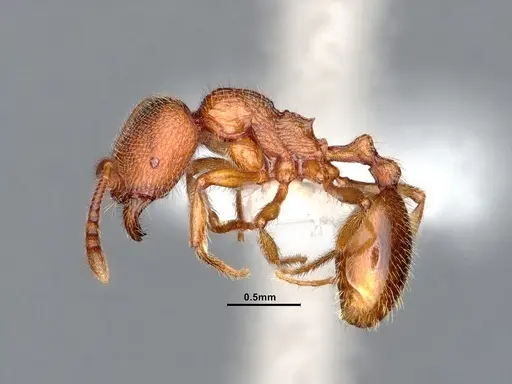
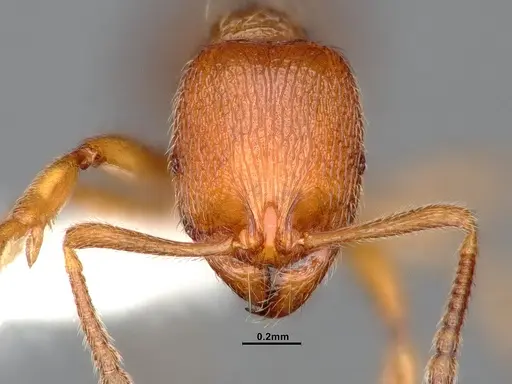
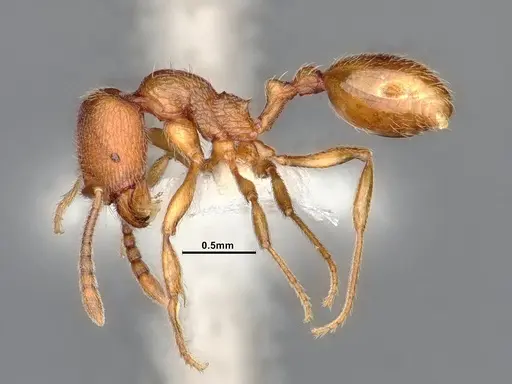
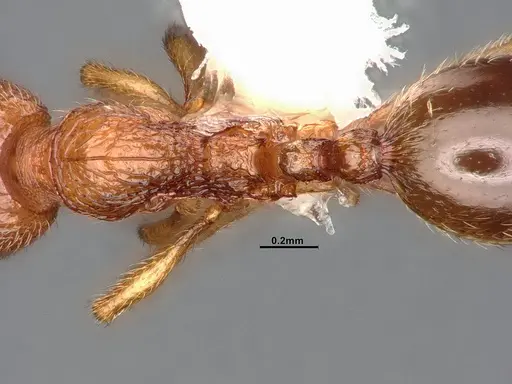
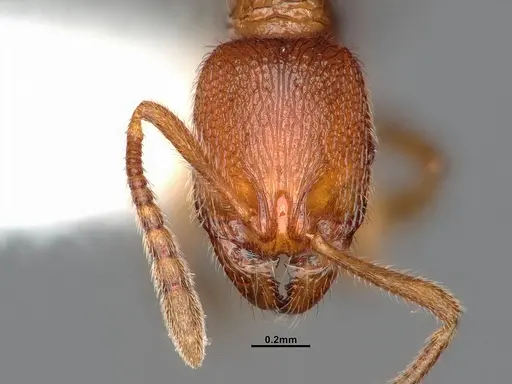
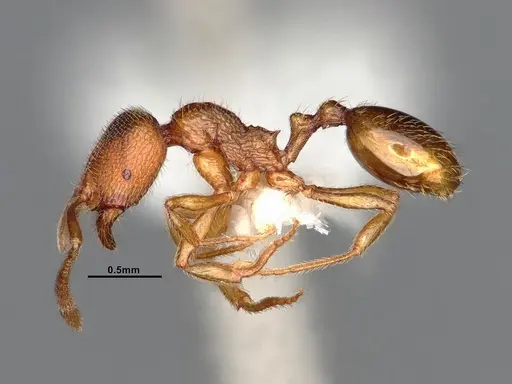
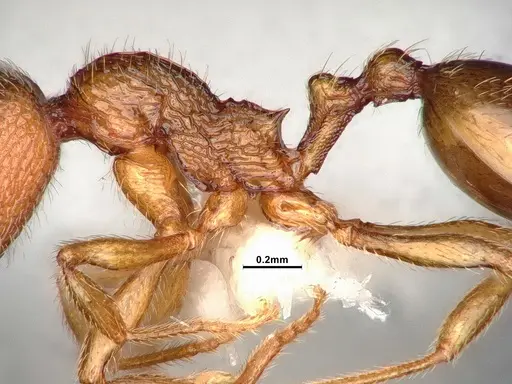
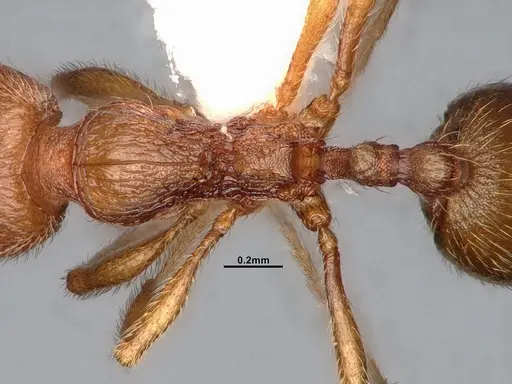
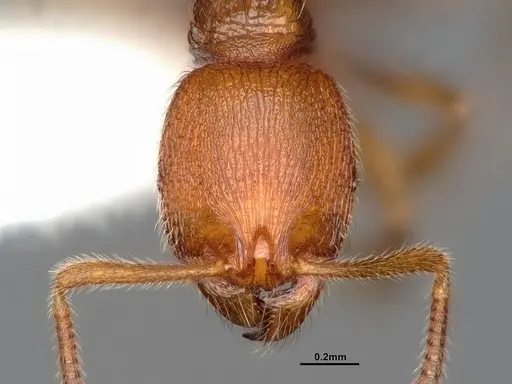
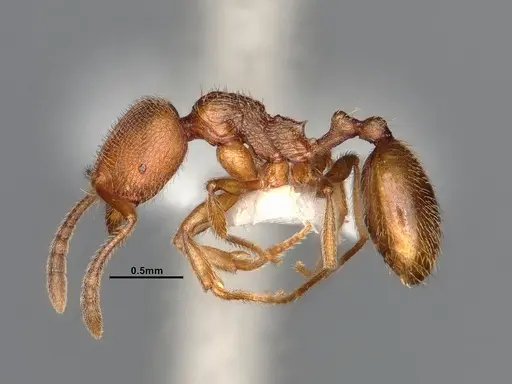
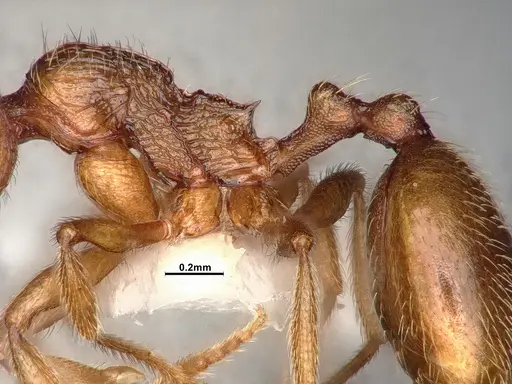
Stenamma californicum is a small, cryptic ant species native to the western United States and Baja California. Workers measure 0.53-0.70mm in head width and are uniformly light ferruginous in color, with slightly darker sutures and margins. This species belongs to the diecki group within the genus Stenamma and is characterized by its small eyes with only 3-5 facets, coarse thoracic rugulae, and a distinctly sculptured first sternite. Queens are slightly larger at 0.75mm head width. In the wild, these ants live in leaf litter and humus, particularly in oak woodlands and chaparral habitats of the California Floristic Province [1].
This species is notable for being a cold climate specialist that persists in habitats where many other ants cannot survive, including serpentine soils and areas with invasive Argentine ant pressure [2][3]. They are predators of litter microarthropods and play an important role in the forest floor ecosystem. However, they are rarely collected and remain one of the more enigmatic North American ants.
Quick Summary
- Difficulty: Medium
- Origin & Habitat: Western North America, specifically California, Arizona, and Baja California. Found in oak woodland and chaparral habitats, typically in leaf litter and fern humus at elevations ranging from near sea level to around 5700 feet in pinyon/oak woodland [2].
- Colony Type: Colony structure is not well documented. Based on genus patterns, likely single-queen (monogyne) colonies. No documented ergatoid replacement reproductives for this species.
- Colony: Monogyne
- Founding: Claustral
- Size & Growth:
- Queen: 0.75mm head width (dealate queen measured)
- Worker: 0.53-0.70mm head width,0.63-0.83mm head length
- Colony: Unknown, likely small to moderate based on typical Stenamma colony sizes
- Growth: Moderate, inferred from related species in the genus
- Development: Estimated 8-12 weeks at optimal temperature based on genus-level data for Stenamma species (Direct development data unavailable for this species, estimates based on typical Myrmicinae development patterns at moderate temperatures)
- Antkeeping:
- Temperature: Keep cool to moderate, around 18-22°C. This is a cold climate specialist, so avoid overheating. Room temperature is often appropriate [2].
- Humidity: High humidity preferred, they naturally live in leaf litter and humus. Keep the nest substrate consistently moist but not waterlogged. Provide a moisture gradient so ants can self-regulate.
- Diapause: Yes, as a cold climate specialist from temperate California, they benefit from a winter rest period. Keep at 10-15°C for 2-3 months during winter.
- Nesting: Prefer naturalistic setups with plenty of leaf litter material. Y-tong (AAC) nests with tight chambers work well, or you can create a naturalistic terrarium with soil and leaf litter. They do well in setups that mimic their natural forest floor habitat.
- Behavior: These are shy, cryptic ants that prefer to stay hidden in leaf litter and soil. Workers are slow-moving and not aggressive. They are predators of microarthropods, hunting springtails and other tiny invertebrates in the substrate. They are not escape artists due to their small size, but standard escape prevention still matters. Colonies are quiet and not particularly active above ground, they spend most of their time in the nest material. They can persist in areas with invasive Argentine ants, suggesting good defensive behaviors at the colony level [4].
- Common Issues: cold stress from overheating, keep them cool, never above 24°C, difficulty establishing colonies, wild-caught colonies may struggle in captivity due to specialized habitat needs, small colony size, colonies remain small and growth is slow, which can be frustrating for impatient keepers, rare in the hobby, this species is not commonly available, making it hard to acquire, sensitive to substrate drying, they need consistently moist leaf litter material to survive
Housing and Nest Setup
Stenamma californicum does best in naturalistic setups that mimic their natural leaf litter habitat. A terrarium-style setup with a layer of soil mixed with leaf litter and small pieces of rotting wood works well. Keep the substrate consistently moist, these ants are sensitive to drying out. Y-tong (AAC) nests can also work if you provide plenty of leaf litter material in the outworld for them to forage through. The key is providing a humid, cool environment with plenty of hiding spaces and substrate to hunt in. Avoid overheating, this species is a cold climate specialist and temperatures above 24°C can be stressful [2].
Feeding and Diet
In the wild, Stenamma californicum preys on litter microarthropods like springtails and tiny soil mites [2]. In captivity, offer small live prey such as springtails, fruit flies, and other micro-arthropods. They are predators and unlikely to accept sugar water or honey as a primary food source. Offer protein prey 2-3 times per week, removing any uneaten prey after 24-48 hours. Some colonies may accept small pieces of mealworms or other soft-bodied insects, but live prey is preferred. Do not overfeed, excess prey can mold and cause health problems in small colonies.
Temperature and Seasonal Care
Keep these ants cool, aim for 18-22°C. They are a cold climate specialist and do not tolerate heat well [2]. Room temperature is often ideal for this species. During winter, provide a diapause period of 2-3 months at 10-15°C to simulate their natural seasonal cycle. This rest period helps maintain colony health and may trigger reproductive behavior in the spring. Avoid temperature spikes and keep them away from direct sunlight or heating elements. A simple approach is to keep them in a cool room or basement during the winter months.
Colony Establishment
This species is rarely collected and difficult to find in the wild [5]. If you acquire a colony, expect slow growth, Stenamma species are not fast growers. Queens found claustrally (sealing themselves in) and raise their first workers (nanitics) alone on stored fat reserves. The founding period may take several months. Be patient and do not disturb the queen during founding. Once the first workers emerge, growth remains gradual. Wild-caught colonies may struggle initially due to the specialized nature of their habitat, they are adapted to specific conditions in oak woodland and chaparral leaf litter.
Behavior and Temperament
Stenamma californicum is a shy, cryptic species that prefers to stay hidden. Workers are slow-moving and not aggressive toward keepers. They are ground-dwelling ants that spend most of their time in the leaf litter layer, hunting microarthropods. One notable trait is their ability to persist in areas invaded by Argentine ants (Linepithema humile), which is unusual for native California ants [4]. This suggests they have some competitive advantages, possibly related to their cold-adapted nature or defensive behaviors. They are not territorial or aggressive toward humans and pose no stinging risk.
Frequently Asked Questions
Is Stenamma californicum a good species for beginners?
No, this is not an ideal beginner species. They are rarely available in the antkeeping hobby, require specific cool and humid conditions, and are slow-growing. Additionally, they need a diet of live microarthropods which is more challenging to provide than standard ant foods. If you're interested in Stenamma, consider more common species first.
What do Stenamma californicum ants eat?
They are predators of litter microarthropods. In captivity, feed them small live prey like springtails, fruit flies, and tiny soil mites. They are unlikely to accept sugar water or honey as primary food sources. Protein prey 2-3 times per week is recommended.
What temperature do they need?
Keep them cool at 18-22°C. This is a cold climate specialist that does not tolerate heat well. Avoid temperatures above 24°C. Room temperature is often ideal, and during winter you can provide a cooler diapause period.
Do they need hibernation or diapause?
Yes, they benefit from a winter rest period. Keep them at 10-15°C for 2-3 months during winter. This simulates their natural seasonal cycle in California's temperate climate and helps maintain colony health.
How long does it take for the first workers to emerge?
Direct data is not available for this species, but based on typical Stenamma development, expect 8-12 weeks from egg to first worker at optimal temperature. The founding queen seals herself in and raises the first brood alone, so be patient during this period.
Can I keep multiple queens together?
This is not recommended. There is no documented evidence that Stenamma californicum can be kept in polygynous (multi-queen) colonies. Based on genus patterns, they are likely single-queen species. Combining unrelated queens has not been studied and could result in aggression.
What size do colonies reach?
Colony size is not well documented for this species. Based on typical Stenamma species, colonies likely remain small to moderate, probably under 500 workers. They are not large colony builders.
Where is Stenamma californicum found in the wild?
They are native to the western United States and Baja California, specifically California, Arizona, and Baja California. Their natural habitat is oak woodland and chaparral, where they live in leaf litter and fern humus. They are rarely collected and considered uncommon.
Do Stenamma californicum ants sting?
No, they do not pose a stinging threat. As Myrmicinae ants, they have a stinger but these are small, cryptic ants that are not aggressive toward humans. They prefer to hide in leaf litter rather than defend themselves.
Why are they so rarely available in the antkeeping hobby?
This species is rarely collected due to their cryptic lifestyle in leaf litter and their limited distribution in the California Floristic Province. They are also cold-adapted and specific in their habitat requirements, making them challenging to maintain. Additionally, they are not commonly encountered even in their natural range.
References

This caresheet is licensed under CC BY-SA 4.0 .
CASENT0005810
View on AntWeb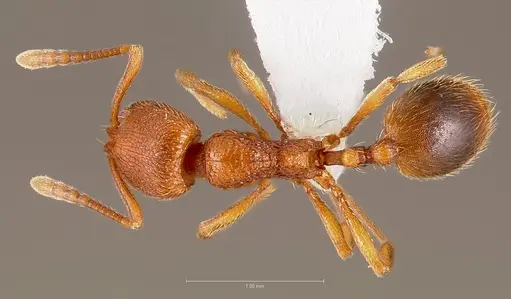
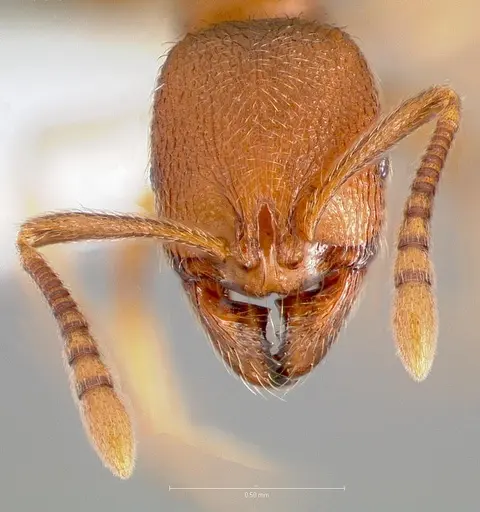
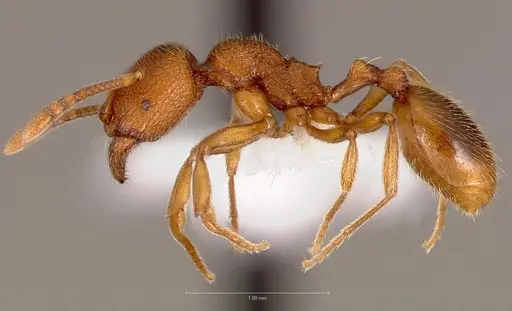
CASENT0005811
View on AntWeb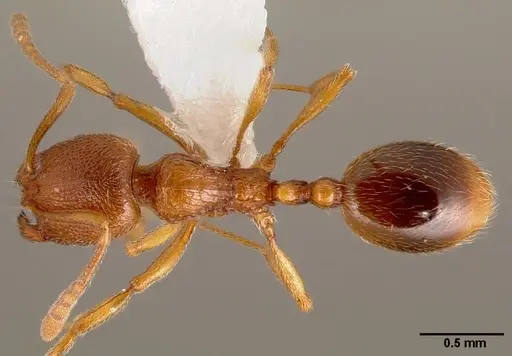
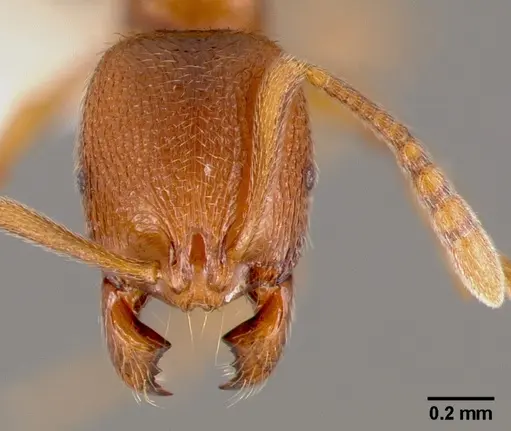
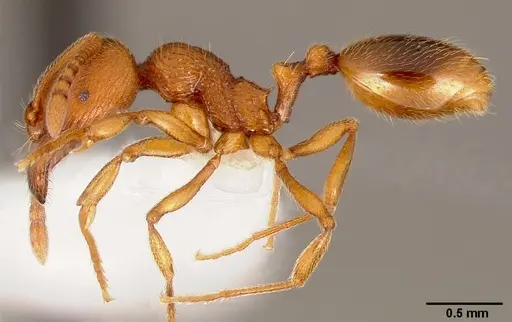
CASENT0100098
View on AntWeb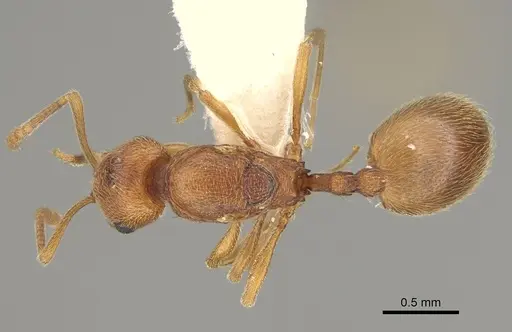
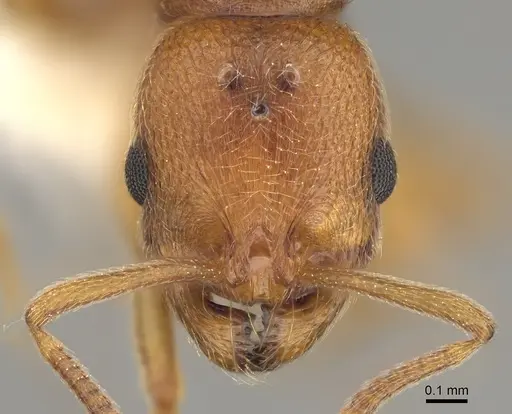
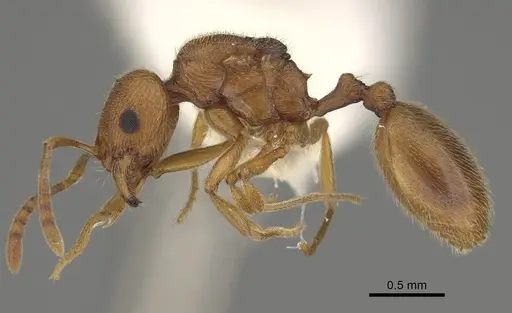
CASENT0106910
View on AntWeb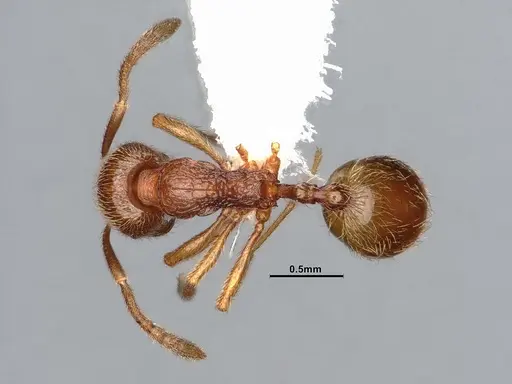
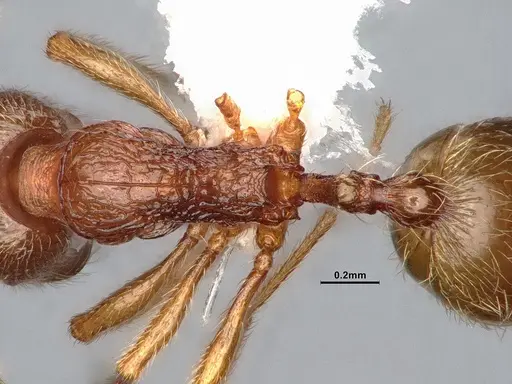
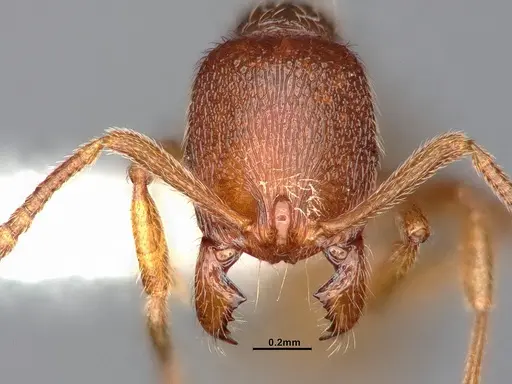
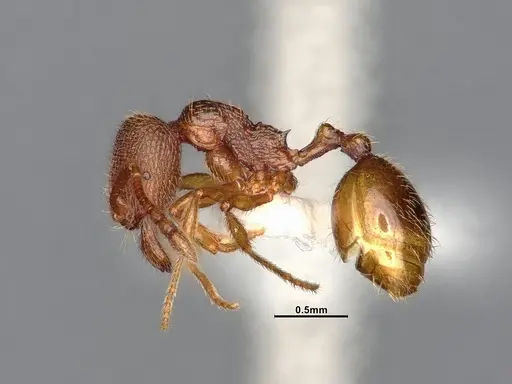
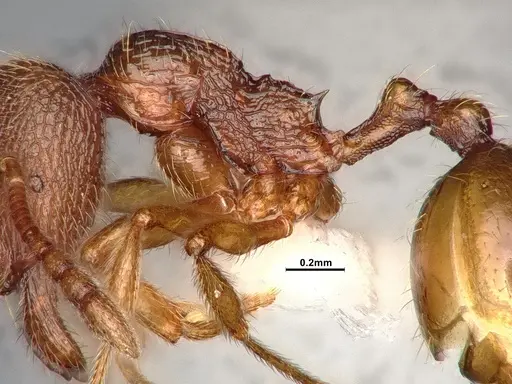
CASENT0106925
View on AntWeb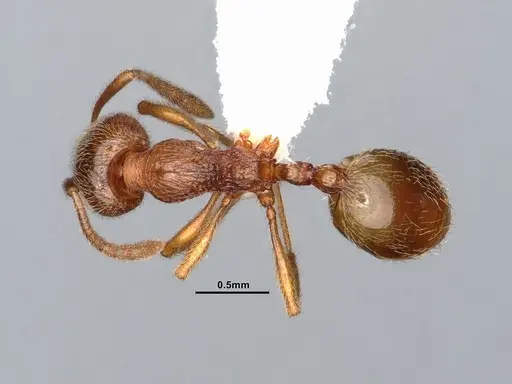
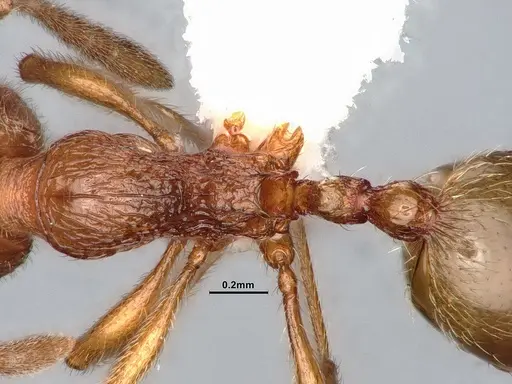
CASENT0221920
View on AntWeb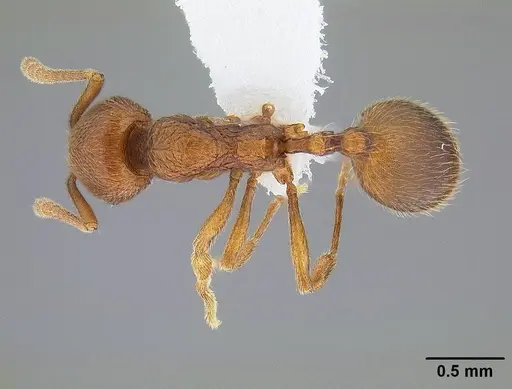
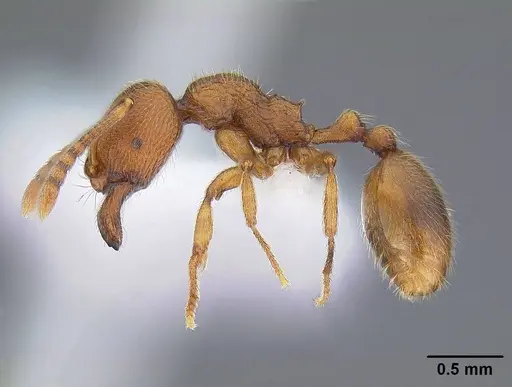
CASENT0844134
View on AntWeb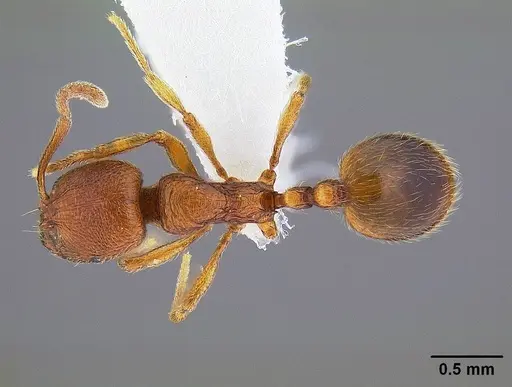
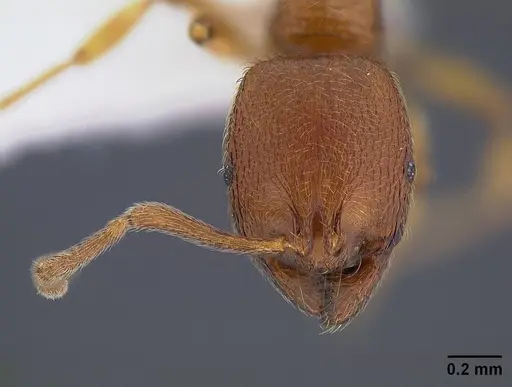
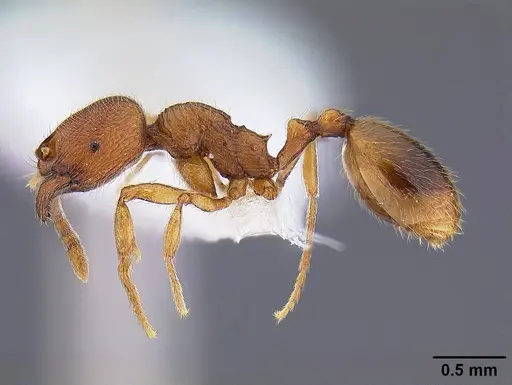
CASENT0863114
View on AntWeb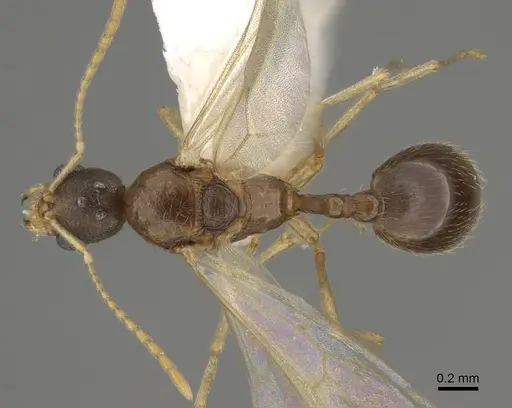
CASENT0882271
View on AntWeb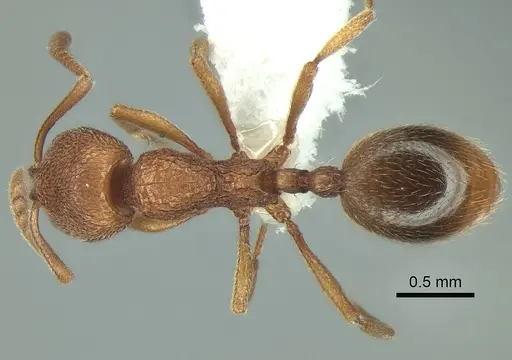
CASENT0883230
View on AntWeb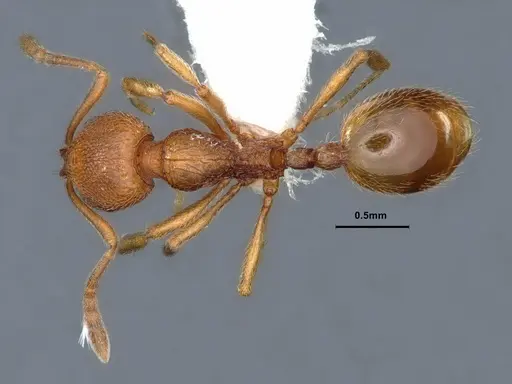
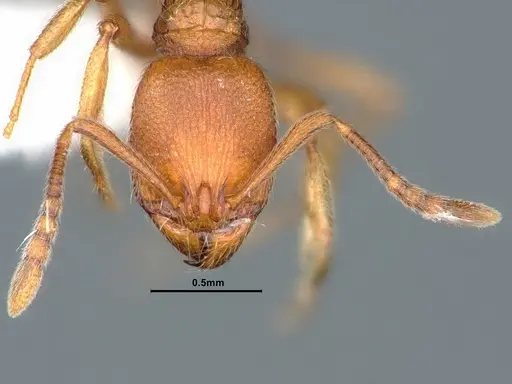
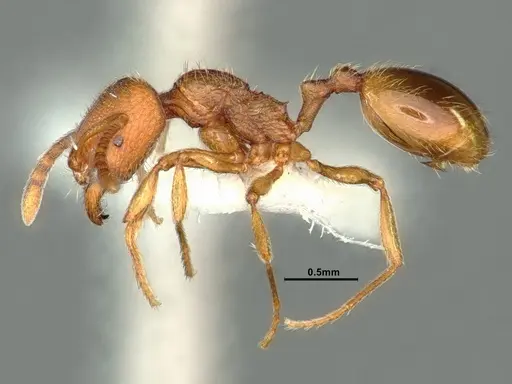
CASENT0883412
View on AntWeb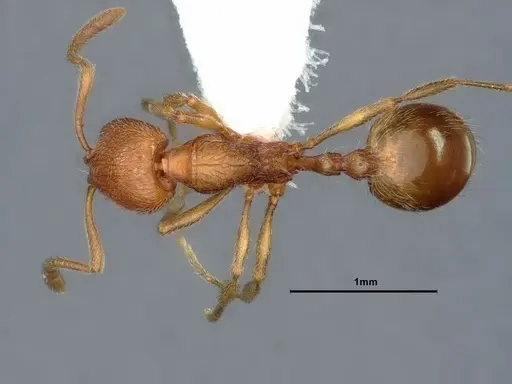
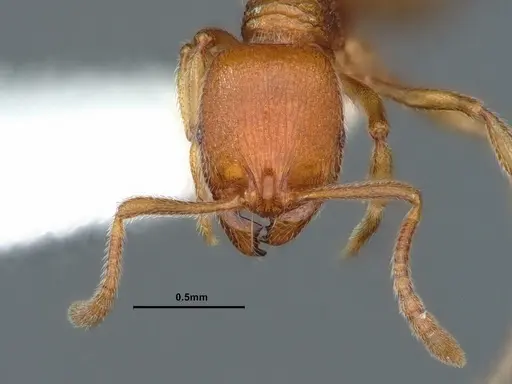
CASENT0883413
View on AntWeb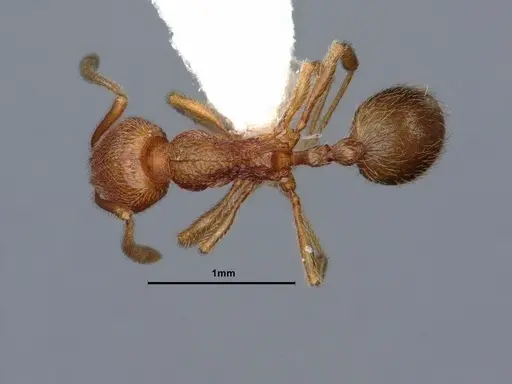
CASENT0884238
View on AntWeb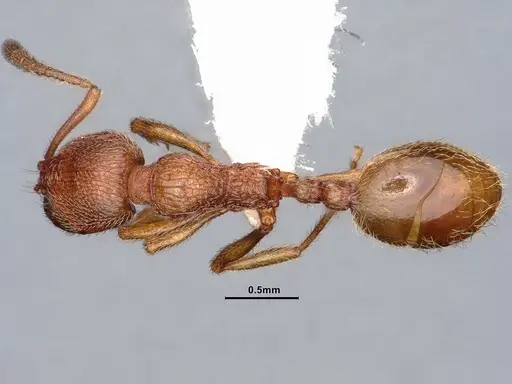
CASENT0884267
View on AntWeb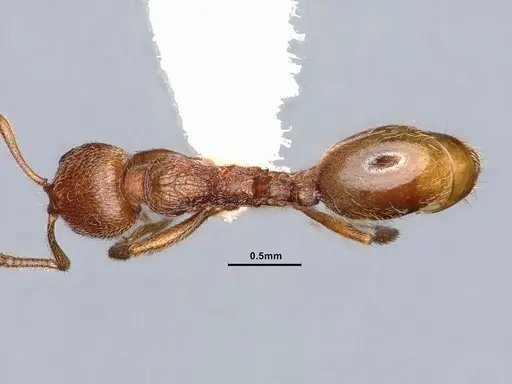
CASENT0884439
View on AntWeb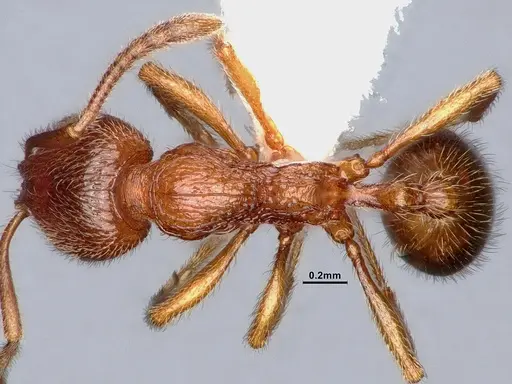
CASENT0885494
View on AntWeb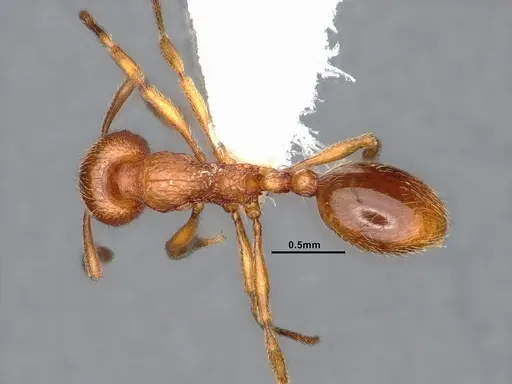
CASENT4031367
View on AntWeb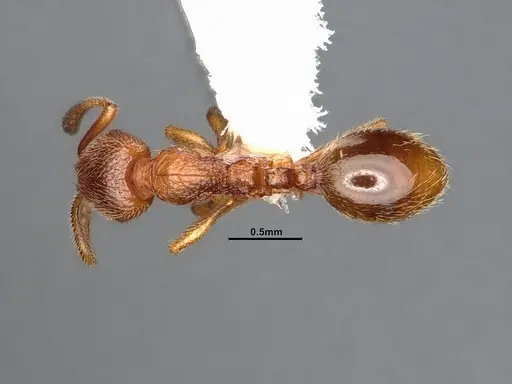
CASENT4031368
View on AntWeb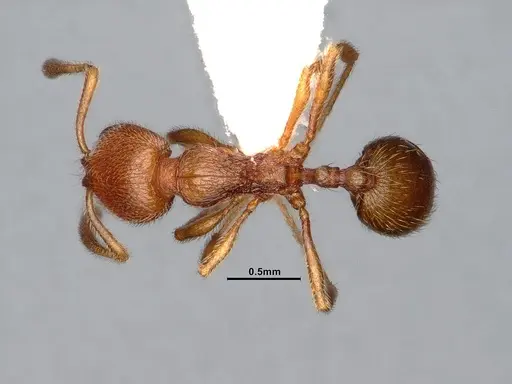
Literature
Loading...Loading products...