

Stenamma andersoni
- Scientific Name
- Stenamma andersoni
- Tribe
- Stenammini
- Subfamily
- Myrmicinae
- Author
- Branstetter, 2013
- Distribution
- Found in 1 countries
Stenamma andersoni Overview
Stenamma andersoni is an ant species of the genus Stenamma. It is primarily documented in 1 countries , including Mexico. Detailed taxonomic data and occurrence records can be further explored via authoritative databases such as AntWeb or the Global Biodiversity Information Facility (GBIF).
Stenamma andersoni
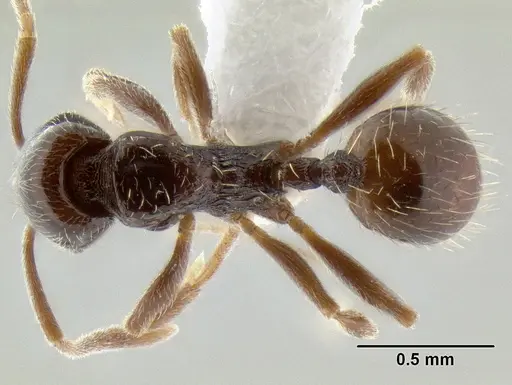
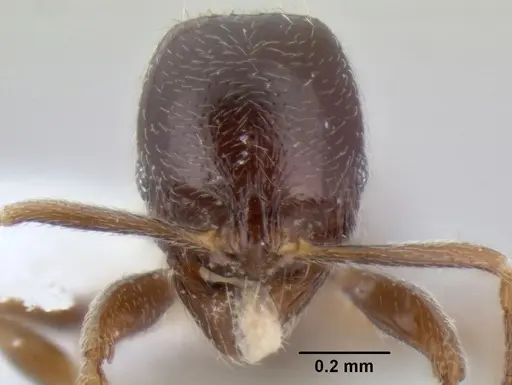
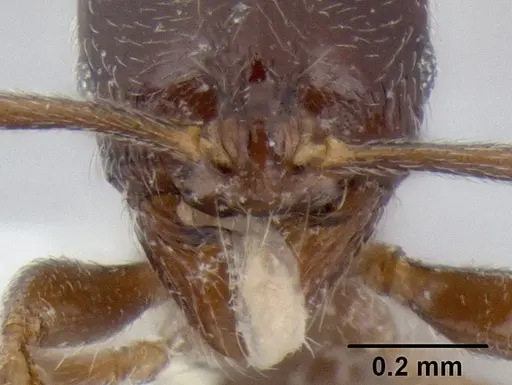
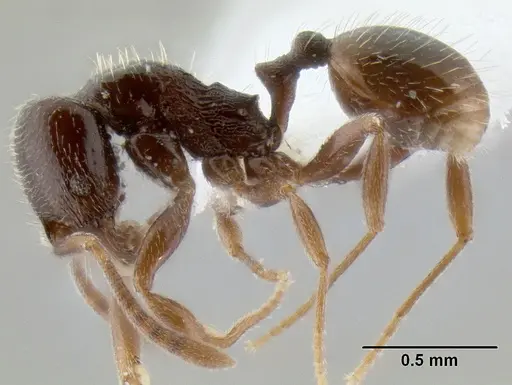
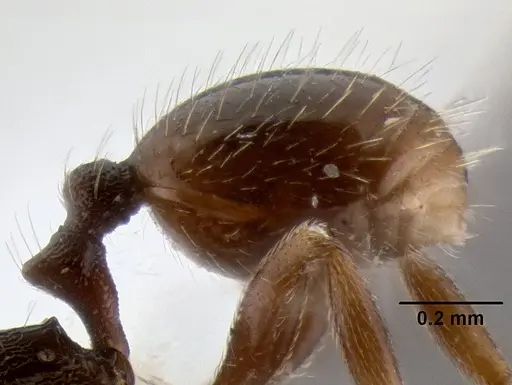
Stenamma andersoni is a tiny, cryptic ant species native to southern Mexico. Workers measure just 0.50-0.55mm in head width and 0.76-0.81mm in mesosoma length, making them among the smaller ants you can keep [1]. Their body is brown to red-brown with a smooth, shiny head and pronotum, and they have distinctive thickened hairs on their abdomen [2]. This species is known only from a single collection in cloud forest at 990m elevation in Oaxaca, Mexico, literally only two workers have ever been found [1]. As a leaf litter ant, they live in the damp, shaded microhabitat of the forest floor where they likely hunt small prey among the decaying vegetation.
Quick Summary
- Difficulty: Expert
- Origin & Habitat: Southern Mexico (Oaxaca) in cloud forest at 990m elevation. Found in sifted leaf litter [1][2].
- Colony Type: Unconfirmed, only known from two workers, no queen or colony structure has ever been documented
- Size & Growth:
- Queen: Unknown, queens have never been collected or described
- Worker: 0.50-0.55mm head width,0.76-0.81mm mesosoma length [1]
- Colony: Unknown, colony size has not been documented
- Growth: Unknown, no development data exists for this species
- Development: Unknown, estimated 6-10 weeks based on typical Stenamma patterns (No direct development data exists. Estimates based on related Stenamma species which typically develop in 6-10 weeks at optimal temperatures.)
- Antkeeping:
- Temperature: Keep around 22-26°C, these are tropical cloud forest ants that prefer warm, stable conditions. A gentle gradient allows them to regulate their temperature.
- Humidity: High humidity is essential, think damp forest floor. Keep the nest substrate consistently moist but not waterlogged, with some drier areas available.
- Diapause: Unknown, being from a tropical cloud forest, they may not require a true diapause but likely benefit from a slight cool period during winter months.
- Nesting: Y-tong (AAC) nests or plaster nests work well for these tiny ants. They prefer tight chambers scaled to their small size. Naturalistic setups with leaf litter and moisture-retentive substrate also work.
- Behavior: These are extremely cryptic, slow-moving ants that spend most of their time hunting in the leaf litter layer. They are not aggressive and rarely venture into the open. Their small size and cryptic nature make them fascinating to observe but challenging to keep, they are easily lost or overlooked. Escape prevention is critical due to their tiny size.
- Common Issues: tiny size makes them extremely prone to escape, use fine mesh barriers and tight-fitting lids, virtually no captive care information exists, you will be pioneering husbandry for this species, they may be extremely sensitive to drying out given their cloud forest origin, slow growth and cryptic behavior may lead keepers to overcheck the colony, wild-caught colonies are essentially impossible since only two workers have ever been collected
Why This Species Is So Challenging
Stenamma andersoni is one of the least-known ant species in the world. Scientists have only ever collected two workers, both from a single leaf litter sample in a Mexican cloud forest [1]. There are no documented queens, no colony observations, no nuptial flight records, and no captive breeding attempts. This means you will essentially be pioneering the husbandry of a species that has never been kept in captivity before. This is not a species for beginners or anyone seeking a well-documented ant, it is for advanced keepers who enjoy the challenge of working with data-poor species and contributing to our understanding of ant biology. The difficulty rating reflects this: you will be making educated guesses about nearly every aspect of their care [2].
Housing and Escape Prevention
Because workers are only 0.50-0.55mm wide, these ants are among the smallest you can keep and have extreme escape risk. Use test tubes with cotton plugs for founding colonies, switching to Y-tong (AAC) nests with very tight chambers once the colony grows. All connections between outworld and nest must have fine mesh barriers, these ants can squeeze through gaps that would hold back larger species. A humidity-rich setup is essential since they come from cloud forest conditions where the air is almost constantly moist [1]. A naturalistic setup with a deep layer of moist leaf litter can also work well, allowing the ants to create their own tunnels like they would in the forest floor.
Temperature and Humidity
As tropical cloud forest ants from 990m elevation in southern Mexico, these ants need warm and humid conditions. Aim for temperatures in the 22-26°C range, stable, not fluctuating dramatically. The key is replicating the damp, shaded understory of a cloud forest where temperatures are mild but humidity is constantly high. Use a water reservoir in your nest setup to maintain humidity, and consider covering portions of the outworld to reduce drying. A heating cable on one side of the nest can create a gentle gradient, but never place heat directly on the nest as it will dry them out. Monitor condensation levels as an indicator of proper humidity. [1][2]
Feeding and Diet
Based on typical Stenamma genus behavior, these ants are likely predatory or omnivorous, hunting small arthropods in the leaf litter layer. Offer small live prey like springtails, fruit flies, and other tiny insects. You may also experiment with protein jelly, small pieces of mealworm, or other protein sources. Sugar sources like honey water may be accepted but are not likely a primary food source. Feed small amounts frequently rather than large prey items that go uneaten. Given their tiny size, prey items should be appropriately scaled, what seems small to you is enormous to these ants. [2]
Understanding the Data Gap
Every piece of care advice in this guide is either inferred from related Stenamma species or estimated based on their known habitat. The original description provides worker measurements and morphology [1], and we know they come from a cloud forest at 990m elevation in Oaxaca [2], but beyond that, almost nothing is documented about their biology. We do not know their queen size, colony structure, development time, nuptial flight timing, or any behavioral details. When keeping this species, you are essentially conducting a captive biology study. Document your observations carefully, they could contribute to scientific understanding of this poorly known group.
Frequently Asked Questions
Is Stenamma andersoni a good species for beginners?
No. This is an expert-level species because virtually nothing is known about its captive care. You will be pioneering husbandry for an ant that has only been collected twice in scientific history. Beginners should start with well-documented species like Lasius niger or Camponotus floridanus.
How big do Stenamma andersoni colonies get?
Unknown. No colony size data exists for this species, only two workers have ever been collected. Based on related Stenamma species, colonies are likely small, possibly under 100 workers, but this is purely an estimate.
Do Stenamma andersoni ants sting?
Given their tiny size and placement in Myrmicinae, any sting would be negligible to humans. These are not defensive ants and would rather flee than attempt to sting.
What do Stenamma andersoni eat?
Likely small arthropods and honeydew, based on typical Stenamma genus behavior. Offer tiny live prey like springtails and fruit flies. Sugar sources may be accepted but are probably not a primary food source.
Can I keep Stenamma andersoni in a test tube?
Yes, test tubes work well for founding colonies. Use a small test tube with a water reservoir and cotton plug. Due to their tiny size, ensure the cotton is packed tightly and consider adding a fine mesh barrier at the tube entrance.
Do Stenamma andersoni need hibernation?
Unknown. Being from a tropical cloud forest in southern Mexico, they may not require a true diapause. However, a slight cool period during winter months (dropping to around 18-20°C) likely mimics their natural seasonal conditions.
How long does it take for Stenamma andersoni to develop from egg to worker?
Unknown, no development data exists for this species. Based on typical Stenamma genus patterns, estimate 6-10 weeks at optimal temperature. Document your observations as this would be valuable scientific data.
Where does Stenamma andersoni live in the wild?
Only known from a single location in Oaxaca, Mexico, 10.9km north of Candelaria at 990m elevation in cloud forest. They were collected from sifted leaf litter [1][2].
Are Stenamma andersoni queens monogyne or polygyne?
Unknown, queens have never been documented for this species. Only two worker specimens exist in scientific collections.
Why is Stenamma andersoni so rarely collected?
They are extremely small (workers are only 0.50-0.55mm wide), live deep in leaf litter, and have a tiny known range in southern Mexico. Additionally, their cryptic behavior and preference for cloud forest microhabitats make them difficult to find even by professional entomologists [1][2].
References

This caresheet is licensed under CC BY-SA 4.0 .
CASENT0604602
View on AntWeb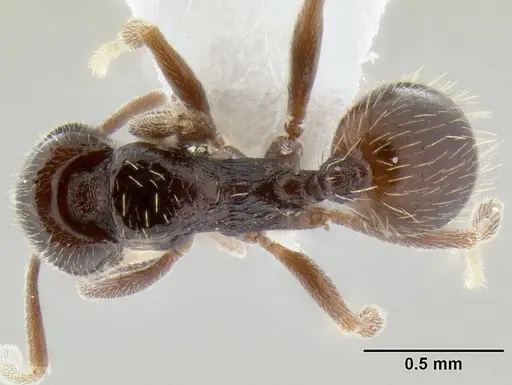
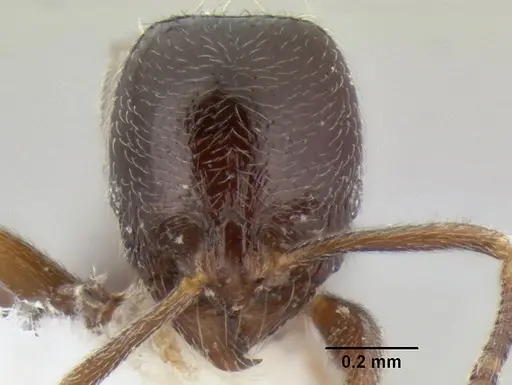
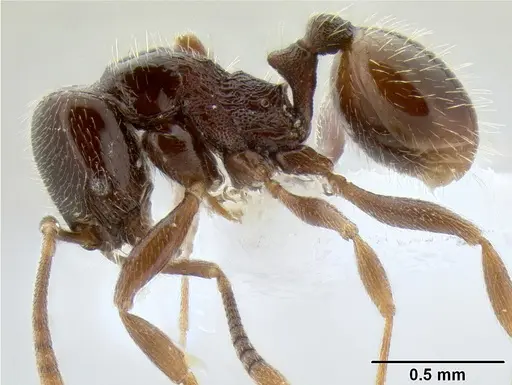
CASENT0604603
View on AntWeb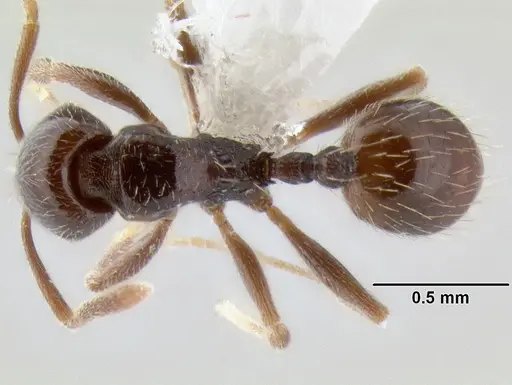
Literature
Loading...Loading products...