

Solenopsis weyrauchi
- Scientific Name
- Solenopsis weyrauchi
- Tribe
- Solenopsidini
- Subfamily
- Myrmicinae
- Author
- Trager, 1991
- Distribution
- Found in 1 countries
Solenopsis weyrauchi Overview
Solenopsis weyrauchi is an ant species of the genus Solenopsis. It is primarily documented in 1 countries , including Argentina. Detailed taxonomic data and occurrence records can be further explored via authoritative databases such as AntWeb or the Global Biodiversity Information Facility (GBIF).
Solenopsis weyrauchi
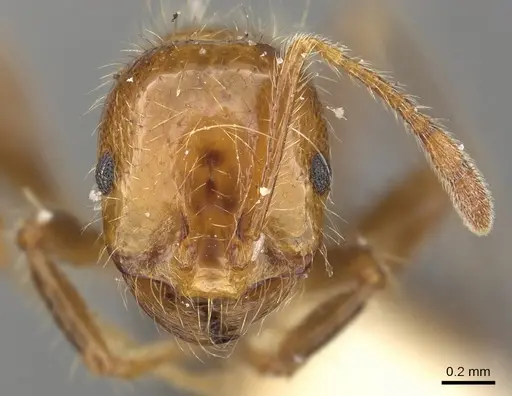
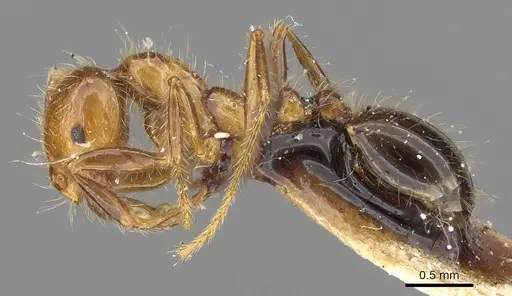
Solenopsis weyrauchi is a fire ant species from the high Andes mountains of Peru and Bolivia. Workers are recognizable by their striking coloration: the head and middle body sections are reddish-yellow, while the abdomen is dark brown to black [1]. This species belongs to the Solenopsis saevissima species group, which includes some of the world's most well-known fire ants [2]. Major workers display distinctive markings including a median frontal streak and two small spots on the first abdominal segment [1]. Only worker castes have been studied, queens and males remain undescribed in scientific literature [2].
Quick Summary
- Difficulty: Medium
- Origin & Habitat: Highlands of Peruvian and Bolivian Andes at 2,000-3,500 m elevation. The type locality is Cajamarca, Peru at approximately 2,500-2,800m [1]. The range likely extends throughout the Andes from Peru to Bolivia, possibly as far north as Colombia and south as Argentina and Chile [1][3].
- Colony Type: Unconfirmed, only workers have been studied, queen caste not yet described. Based on related species in the saevissima group, likely single-queen (monogyne) colonies.
- Size & Growth:
- Queen: Undescribed, no scientific measurements available [2]
- Worker: Major workers have distinctive large heads, exact measurements not specified in available literature [1]
- Colony: Unknown, no colony size data published
- Growth: Unknown
- Development: Unconfirmed, no direct observations. Based on typical Solenopsis patterns, estimate 5-8 weeks at optimal temperature. (Development timeline is unconfirmed as no breeding or founding behavior has been documented for this species.)
- Antkeeping:
- Temperature: Moderate temperatures recommended, this is a high-altitude species from cool Andean highlands. Start around 20-24°C and observe colony activity. Avoid overheating.
- Humidity: Moderate humidity, aim for 50-70% relative humidity. Keep substrate slightly moist but not waterlogged.
- Diapause: Unknown, no published data on overwintering requirements. The high-altitude habitat suggests some cold tolerance, but specific diapause needs are unconfirmed.
- Nesting: Based on typical Solenopsis nesting preferences, they likely prefer soil nests with moderate moisture. A test tube setup or acrylic nest with moist substrate works well. Ensure escape prevention is excellent, fire ants are adept at finding gaps.
- Behavior: As a fire ant species, expect typical Solenopsis behaviors: active foraging, ability to sting, and omnivorous diet. Fire ants are known for their painful stings, use caution when handling. They are likely more active in warmer conditions and may become sluggish in cooler temperatures. Escape prevention is critical due to their small size and persistence.
- Common Issues: very limited scientific data means care recommendations are largely inferred from related species, no published information on founding behavior or colony development timeline, escape prevention is essential, fire ants will exploit any gap, stinger present, handle with care and use protective equipment, high-altitude origin suggests they may not tolerate heat as well as tropical fire ants
Temperature and Care
Solenopsis weyrauchi comes from the cool highlands of the Andes at elevations between 2,000-3,500 meters [1]. This is significantly higher and cooler than the habitats of many other fire ant species. Based on this high-altitude origin, they likely prefer temperatures on the cooler side of what most Solenopsis species tolerate. Start with a range of 20-24°C and monitor colony behavior. If workers become very sluggish, slightly increase temperature, if they avoid the nest area and cluster at the edges away from heat, the temperature may be too warm. Unlike tropical fire ants that thrive in hot conditions, this Andean species may be more comfortable in moderate temperatures. Avoid placing the nest in direct sunlight or near heat sources that could cause overheating.
Housing and Nesting
No specific nesting data exists for this species, but fire ants in general prefer moist soil environments for their colonies. A standard test tube setup works well for founding colonies, the cotton ball at one end holds moisture while the ants can move to the water reservoir as needed. For established colonies, an acrylic nest or Y-tong style formicarium with a soil chamber provides appropriate conditions. Keep the nesting material consistently moist but not waterlogged, fire ants need humidity but standing water leads to mold problems. Because this is a poorly understood species, providing a temperature gradient within the nest allows the ants to choose their preferred conditions. Escape prevention is critical, fire ants are notorious for finding and exploiting even tiny gaps in enclosure setups.
Feeding and Diet
No specific feeding observations have been published for Solenopsis weyrauchi. However, fire ants in the saevissima group are omnivorous, typically consuming seeds, insects, honeydew, and sugary liquids. Offer a varied diet including protein sources like small insects (fruit flies, small crickets, mealworms) and carbohydrate sources like sugar water or honey. In the wild, highland ants likely have access to a variety of arthropod prey and may tend aphids for honeydew. Feed small amounts initially and observe what the colony accepts. Remove uneaten food after 24-48 hours to prevent mold. Fresh water should always be available.
Behavior and Temperament
As a member of the Solenopsis saevissima species group, this ant possesses a functional stinger and will use it when threatened [1]. Fire ant stings are painful and can cause localized swelling, handle this species with appropriate caution. Workers are active foragers and will readily search out food sources. The species is likely diurnal, becoming more active during daylight hours when temperatures are optimal. Major workers have distinctive large heads with specialized mandibles for processing food. Colonies are likely defensive, typical of fire ants. The high-altitude origin may influence behavior, they may be less aggressive or active compared to tropical fire ant species, though this is speculative.
Understanding the Knowledge Gaps
Solenopsis weyrauchi remains one of the least studied fire ant species. Only worker castes have been scientifically described, no queens, males, or colony founding behavior has been documented [2]. The original description was based on 47 worker specimens, and the species was redescribed in 2018 using additional specimens [1]. This means many aspects of captive care must be inferred from related species in the saevissima group. The high-altitude Andean habitat provides some clues about temperature preferences, but direct observations of this species in captivity are essentially nonexistent. Keepers should approach this species as an interesting but poorly documented species, prepared to adjust care based on observed colony behavior rather than published species-specific guidelines.
Legal and Ethical Considerations
This species is native to South America and should not be released in other regions. Fire ants are among the most ecologically damaging invasive species globally, and Solenopsis weyrauchi could potentially become invasive if introduced to new areas. Never release ants into the wild outside their native range. If you can no longer keep your colony, contact local ant enthusiasts or reptile/amphibian keepers who may use fire ants as feeders. Some jurisdictions may require permits for keeping native or exotic ant species, check local regulations before acquiring this or any exotic ant species.
Frequently Asked Questions
How do I keep Solenopsis weyrauchi ants?
Keep them in a test tube setup for founding colonies, transitioning to an acrylic or Y-tong nest once established. Maintain moderate temperatures around 20-24°C, as this is a high-altitude Andean species that prefers cooler conditions than typical fire ants. Keep the nesting substrate slightly moist and provide a varied diet of protein (small insects) and carbohydrates (sugar water, honey). Escape prevention is essential.
What do Solenopsis weyrauchi eat?
While no specific feeding data exists for this species, fire ants are omnivorous. Offer small insects like fruit flies, pinhead crickets, or mealworms as protein sources, along with sugar water or honey for carbohydrates. They likely also accept honeydew if you keep aphids. Remove uneaten food after 24-48 hours to prevent mold.
What temperature do Andean fire ants need?
Based on their high-altitude habitat in the Peruvian and Bolivian Andes (2,000-3,500m elevation), they prefer moderate temperatures around 20-24°C. Avoid overheating, this species likely cannot tolerate the hot conditions that tropical fire ants thrive in.
How long does it take for Solenopsis weyrauchi to develop from egg to worker?
This is unconfirmed, no scientific observations of colony development exist for this species. Based on typical Solenopsis development patterns, estimate 5-8 weeks from egg to first worker at optimal temperature. The timeline may differ due to the high-altitude origin of this species.
Are Solenopsis weyrauchi good for beginners?
This species is not recommended for beginners due to very limited scientific data on its care. Most recommendations must be inferred from related fire ant species. Additionally, fire ants require excellent escape prevention and have painful stings. Consider starting with more documented species like Solenopsis geminata or common Lasius species.
Where is Solenopsis weyrauchi found in the wild?
This species is native to the highlands of Peru and Bolivia in the Andes mountains, at elevations between 2,000-3,500 meters. The type locality is Cajamarca, Peru. The range likely extends throughout the Andes from Peru to Bolivia, possibly as far north as Colombia and south as Argentina and Chile.
How big do Solenopsis weyrauchi colonies get?
Colony size is unknown, no published data exists on maximum colony size for this species. Related fire ant species can form colonies of several thousand workers, but this is speculative for S. weyrauchi.
Can I keep multiple Solenopsis weyrauchi queens together?
Not recommended, colony structure is unconfirmed for this species, and combining unrelated queens has not been documented. Based on typical Solenopsis behavior, single-queen colonies are most common. Do not attempt pleometrosis (multiple queen founding) without species-specific research.
Do Solenopsis weyrauchi need hibernation?
Diapause requirements are unknown. The high-altitude habitat suggests some cold tolerance, but specific overwintering needs have not been documented. If keeping this species, maintain stable moderate temperatures year-round and observe colony behavior for signs of seasonal slowing.
Why is so little known about Solenopsis weyrauchi?
This species is one of the least studied fire ants. Only worker castes have been described in scientific literature, queens and males remain undescribed [2]. The species was redescribed in 2018,but biological observations beyond worker morphology are lacking [1]. The remote high-altitude habitat in the Andes has limited research opportunities.
Is Solenopsis weyrauchi invasive?
This species is not currently considered invasive outside its native range in the South American Andes. However, fire ants as a group are among the world's most damaging invasive species. Never release this or any ant species outside its native range.
References

This caresheet is licensed under CC BY-SA 4.0 .
CASENT0902356
View on AntWeb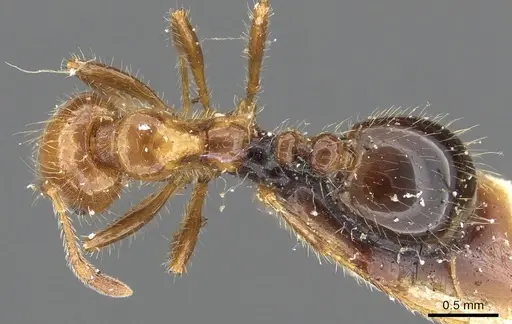
Literature
Loading...Loading products...