Solenopsis saevissima exhibits a clear seasonal flight window. Peak flight activity is concentrated in November, with the overall period spanning June to December.

Solenopsis saevissima
- Scientific Name
- Solenopsis saevissima
- Tribe
- Solenopsidini
- Subfamily
- Myrmicinae
- Author
- Smith, 1855
- Common Name
- Red Ant
- Distribution
- Found in 6 countries
- Nuptial Flight
- from June to December, peaking in November
AI Identifiable
try →
Solenopsis saevissima Overview
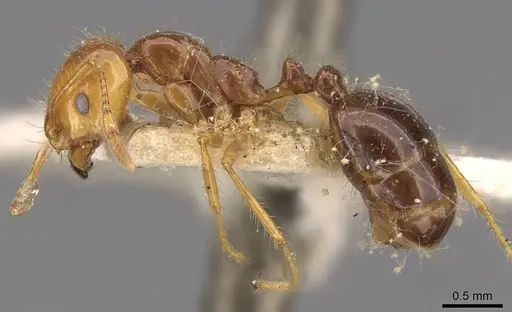
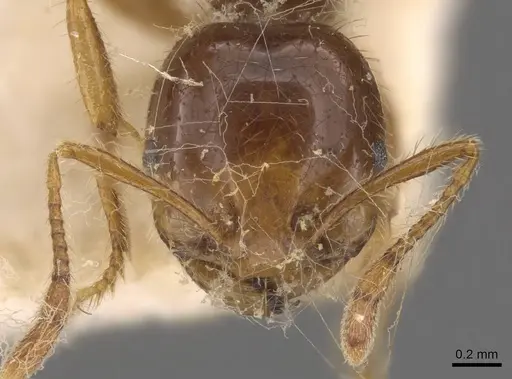
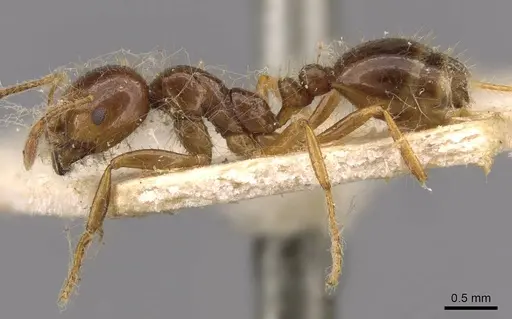
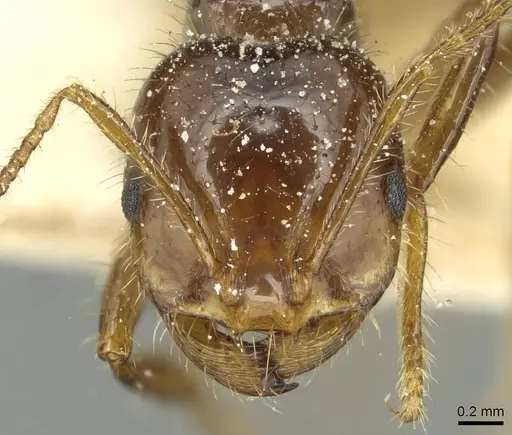
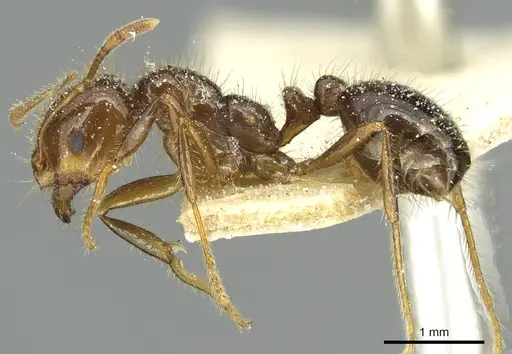
Solenopsis saevissima (commonly known as the Red Ant) is an ant species of the genus Solenopsis. It is primarily documented in 6 countries , including Argentina, Bolivia, Plurinational State of. Detailed taxonomic data and occurrence records can be further explored via authoritative databases such as AntWeb or the Global Biodiversity Information Facility (GBIF).
The nuptial flight of Solenopsis saevissima is a significant biological event, typically occurring from June to December, peaking in November. During this time, winged queens and males leave the nest to mate and establish new colonies.
Solenopsis saevissima - "Red Ant"
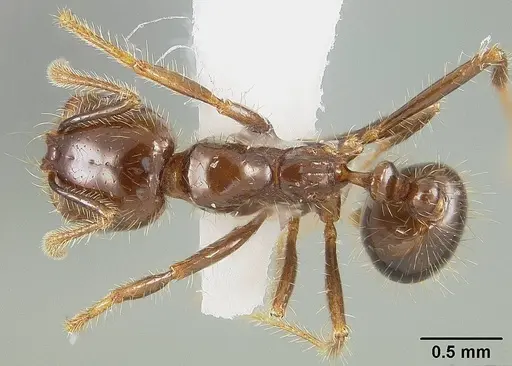
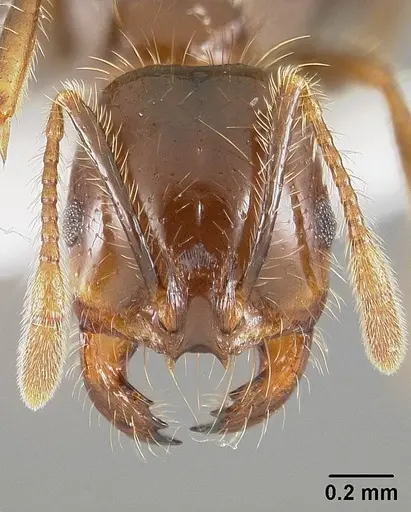
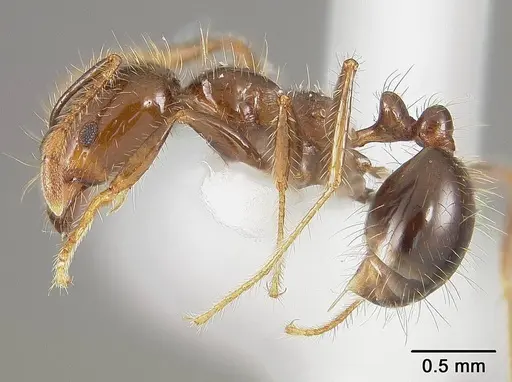
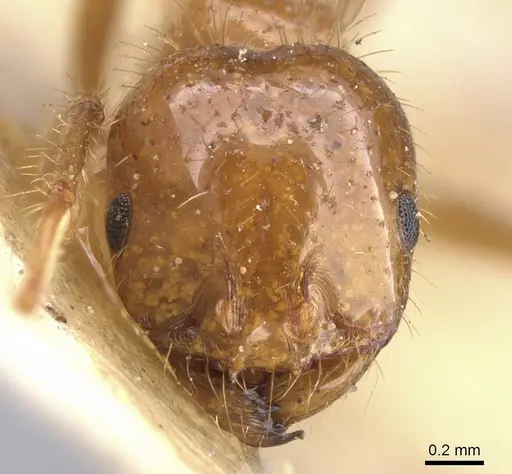
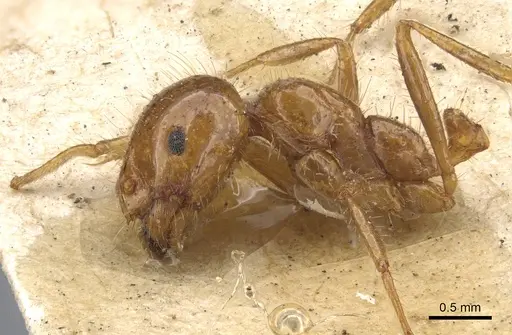
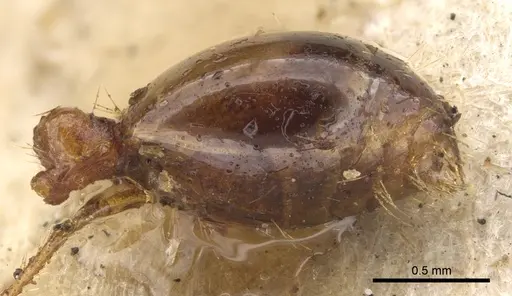
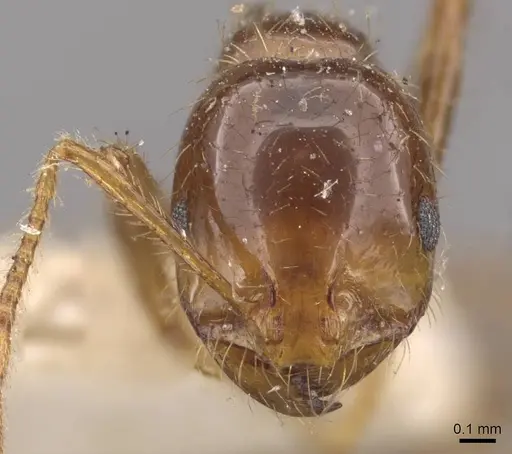
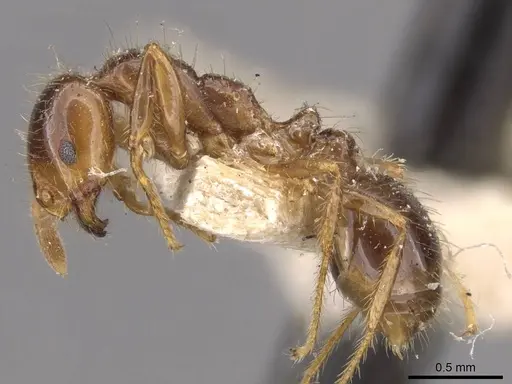
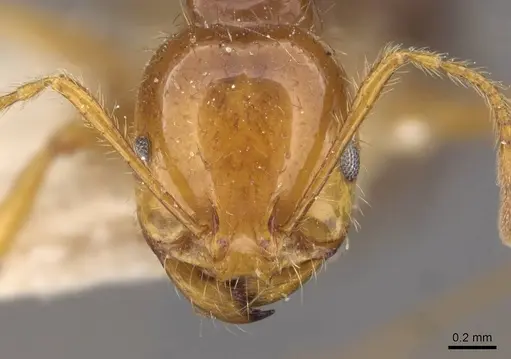
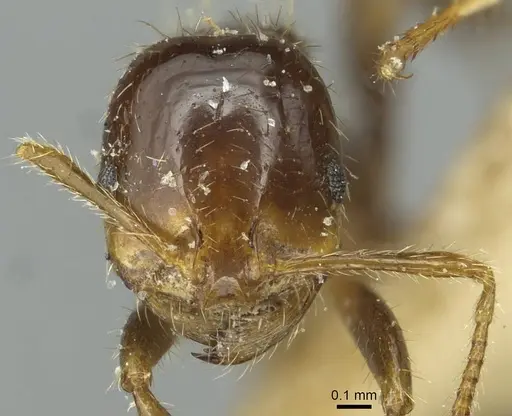
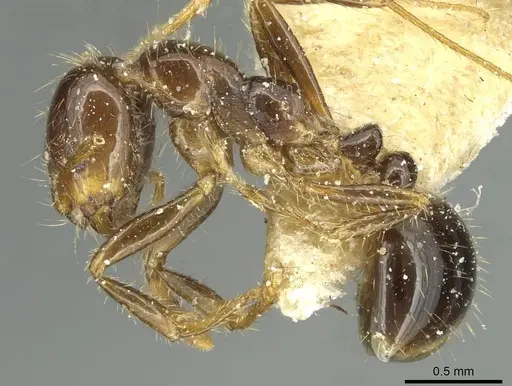
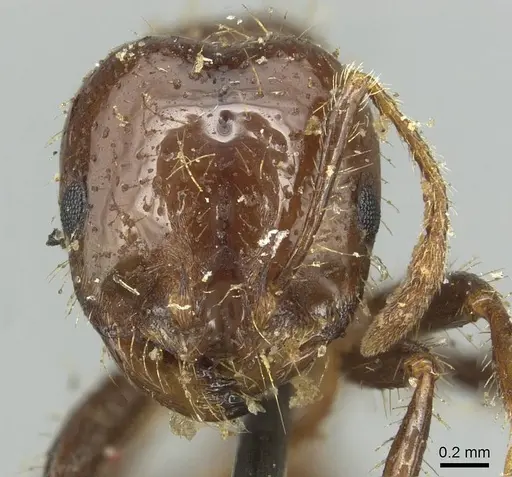
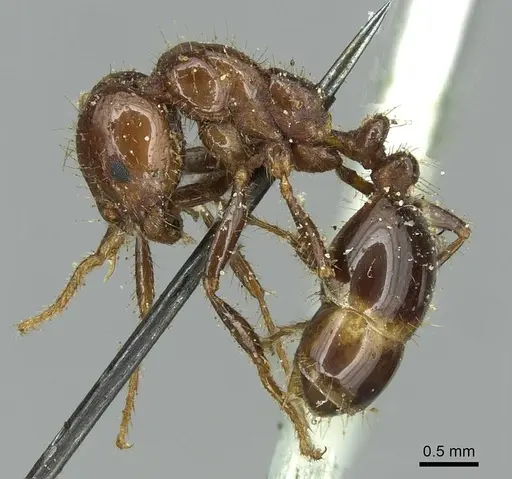
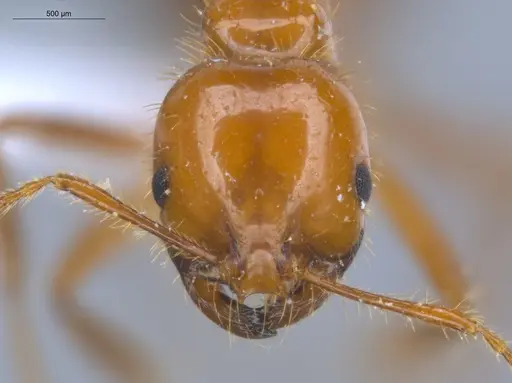
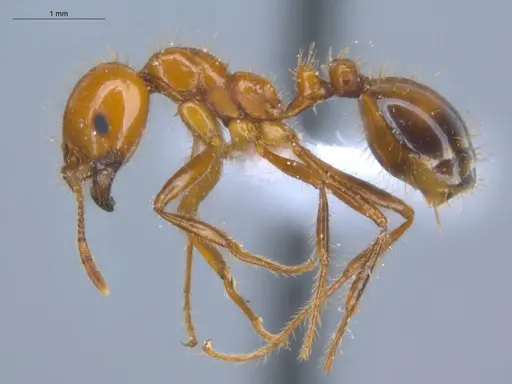
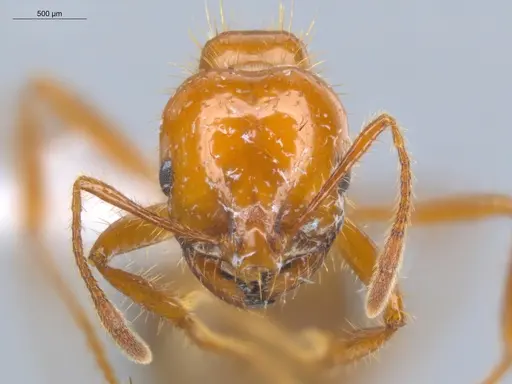
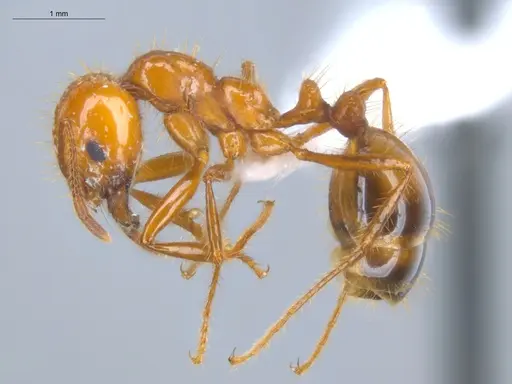
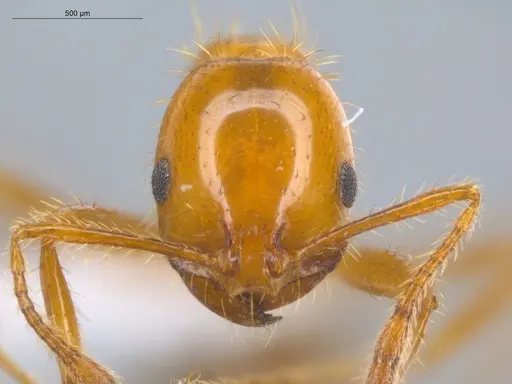
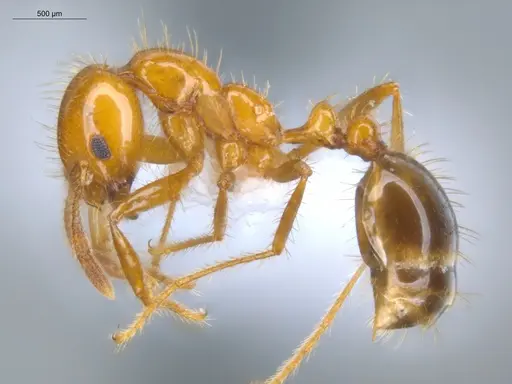
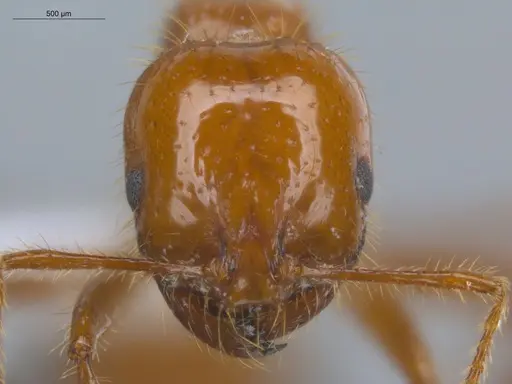
Solenopsis saevissima is an aggressive fire ant native to South America, part of the Solenopsis saevissima species group. Workers are polymorphic, ranging from 2-6 mm in length, with reddish-brown to dark brown coloration. They build large underground nests with elaborate galleries 1-1.5 meters deep, often forming distinctive mounds in open disturbed areas like pastures, roadsides, and lawns [1]. This species is notorious for its painful sting, which delivers piperidine alkaloids that cause intense pain, allergic reactions, and in severe cases anaphylactic shock [2][3]. In its native range it forms supercolonies that dominate large areas, and it has been introduced to the southeastern United States where it is a serious pest [4][5].
Quick Summary
- Difficulty: Expert
- Origin & Habitat: Native to South America, distributed from the Amazon Basin through Brazil, Argentina, Paraguay, Bolivia, and Venezuela. Found throughout the Brazilian coast including the Amazon region, with range extending west to the Andes and south to approximately 42°S in Argentina [6][7]. Prefers open disturbed areas with loose sandy soils in tropical and subtropical climates. Introduced to the United States (Alabama, Florida, Mississippi) where it is considered an invasive pest [4][8].
- Colony Type: Monogyne (single queen). Colonies are confirmed monogynous with one reproductive queen per nest. They do not exhibit polygyny. Colonies can reach large sizes and form supercolonies in disturbed areas [1][9][10].
- Size & Growth:
- Queen: 5-7 mm (estimated based on related fire ant species, as no total length measurements are available in the literature)
- Worker: 2-6 mm, polymorphic (minor workers 2-3 mm, major workers 5-6 mm) [11]
- Colony: Up to tens of thousands of workers in mature colonies, supercolonies can extend for kilometers [12][13]
- Growth: Moderate to fast
- Development: 3-5 weeks (estimated based on related Solenopsis species and larval development data) (Eggs are approximately 0.18 mm × 0.25 mm. First workers (nanitics) emerge in 3-4 weeks under warm conditions (25-30°C). Development is temperature‑dependent, with faster growth at higher temperatures [14].)
- Antkeeping:
- Temperature: 24-30°C. Prefers warm conditions consistent with its tropical/subtropical origin. In southeastern Brazil it occurs at elevations from sea level to 1750 m, showing adaptability within warm climates [15]. Higher temperatures increase foraging activity and metabolic rate [16]. Avoid prolonged exposure below 20°C.
- Humidity: Moderate. Nests in loose, well‑drained sandy soils. Avoid overly wet conditions that can flood underground galleries. Provide a moisture gradient so the ants can choose their preferred zone.
- Diapause: No true diapause needed. As a tropical/subtropical species it remains active year‑round in warm conditions. Activity may decrease in cooler periods but it does not hibernate.
- Nesting: Requires spacious soil‑based nesting. In the wild, nests have galleries 1-1.5 m deep [1]. In captivity, use a deep soil chamber or formicarium with at least 10-15 cm of substrate to accommodate natural burrowing. Y‑tong (AAC) nests work well for smaller colonies, but mature colonies need much larger setups. Connect to an outworld for foraging.
- Behavior: Extremely aggressive and defensive. Workers swarm out to deliver painful stings when the colony is disturbed [2][3]. They use mass recruitment through trail pheromones: when food is found, workers lay chemical trails to recruit nestmates [17][18]. Foraging is primarily nocturnal but they can be active day and night. They are omnivorous, feeding on insects, nectar, honeydew, and carrion [19]. In their native range they form supercolonies that extend for kilometers and displace other ant species [12][13]. This species is considered a pest in urban areas, invading homes and damaging electrical equipment [3].
- Common Issues: invasive species warning, this ant has been introduced to the United States and is a serious pest, never release captive colonies, check local regulations before keeping [4][8]., painful stings, workers aggressively defend the nest and their venom causes intense burning pain, swelling, and can trigger allergic reactions including anaphylaxis [2][3]., escape prevention is critical, workers are small (2-6 mm) and can squeeze through standard barriers, use fluon and fine mesh on all exits., aggressive behavior makes routine maintenance risky, work carefully around nests and consider protective gloves and eye protection., colonies can grow very large quickly, requiring increasingly spacious setups, plan ahead for a mature colony of thousands of workers.
Nuptial Flight Activity Analysis 174 observations
Flight Activity by Hour 174 observations
Solenopsis saevissima nuptial flight activity peaks around 13:00 during the late morning to early afternoon. Activity is spread across a 13-hour window (09:00–21:00). A secondary activity peak occurs around 17:00. Times may be influenced by human observation patterns.
Housing and Nest Setup
Solenopsis saevissima needs spacious housing because of their large colony size and deep nesting behavior. In the wild, they dig galleries 1-1.5 m deep, so provide at least 10-15 cm of substrate in captivity [1]. Y‑tong (AAC) nests work for founding colonies, but mature colonies need much larger soil‑based formicariums. Start with a test tube for the founding queen, then move to a soil setup once the colony reaches a few hundred workers. These ants are excellent escape artists, apply fluon to all edges and use fine mesh (0.5 mm or smaller) on ventilation holes. The outworld must be completely escape‑proof because workers are small and persistent. Provide a constant water source and sugar water, plus protein 2-3 times per week.
Feeding and Diet
These ants are omnivorous generalists. Offer sugar water, honey, or diluted syrup as a constant carbohydrate source. For protein, feed small insects like fruit flies, crickets, mealworms, or other arthropods 2-3 times weekly. In the wild they are effective predators, feeding mainly on insect eggs, larvae, and pupae [19]. They also scavenge dead insects and can accept small pieces of meat or fish. Workers use trail pheromones to recruit nestmates to good food sources [18]. Keep sugar water available at all times.
Temperature and Seasonal Care
Maintain temperatures between 24-30°C for optimal colony health and development. This tropical/subtropical species does not need hibernation or a diapause period. In its native Brazil, it occurs from sea level up to 1750 m, showing adaptability within warm climates [15]. Higher temperatures (within range) increase foraging activity and metabolic rate [16]. Room temperature (22-26°C) is generally suitable. Avoid letting the temperature drop below 20°C for long periods, as that slows development and reduces activity. No winter rest is needed, they stay active year‑round in warm conditions.
Behavior and Temperament
This is one of the most aggressive ant species commonly kept. The colony will defend itself fiercely, with workers swarming out to deliver painful stings. The venom contains piperidine alkaloids that cause an intense burning sensation [2][3]. When working with established colonies, use red light for observation and avoid sudden vibrations or disturbances. They organize mass recruitment through trail pheromones, when a worker finds food, it lays a chemical trail for others to follow [17][18]. They are primarily nocturnal but can forage day and night. In their native range they form supercolonies that extend for kilometers and displace native ant species [12][13]. This aggressive, competitive nature carries over into captivity. Make sure they cannot escape or come into contact with other ant colonies.
Growth and Development
Queens found colonies claustrally, after mating they seal themselves in a chamber and raise the first brood on stored fat reserves. Eggs are about 0.18 mm × 0.25 mm [14]. Larvae go through four instars before pupating. Worker pupae are 2-4 mm long, queen pupae 5.3-5.5 mm [20]. Under warm conditions (25-30°C), first workers (nanitics) typically appear in 3-4 weeks. Colony growth then speeds up as the queen increases egg production. Workers are polymorphic, early workers are smaller (2-3 mm), while later broods include larger majors (up to 6 mm) that serve as soldiers and defenders. A mature colony can contain thousands of workers.
Health and Safety Considerations
The sting of Solenopsis saevissima is medically significant. Venom contains piperidine alkaloids, histamines, and enzymes that cause intense pain, swelling, and can trigger allergic reactions ranging from mild irritation to anaphylactic shock in sensitive people [3][21]. Keepers with venom allergies should avoid this species. When working with established colonies, wear protective gloves and consider eye protection. Never disturb nests without proper preparation. Watch for mold in humid setups, ensure good ventilation, and keep feeding areas clean. In the wild, this species can carry pathogenic bacteria in urban environments, so practice good hygiene and avoid handling ants with bare hands after contact with the colony [22][11].
Frequently Asked Questions
How long does it take for Solenopsis saevissima to go from egg to worker?
Under optimal warm conditions (25-30°C), expect about 3-4 weeks from egg to first worker. The exact timing depends on temperature, warmer speeds development, cooler slows it. First workers (nanitics) are smaller than mature workers. After the first workers emerge, colony growth accelerates as the queen increases egg production [14].
Can I keep multiple Solenopsis saevissima queens together?
No. This species is monogyne, colonies have a single queen. Unlike some related fire ants, it does not form polygyne colonies. Housing multiple queens together will result in fighting and likely death of all but one. Introduce only one queen per colony [1][10].
How big do Solenopsis saevissima colonies get?
Colonies can become very large, potentially reaching tens of thousands of workers. In their native range they form supercolonies that extend for kilometers. In captivity, expect rapid growth after founding, requiring increasingly spacious housing. Plan for a colony that could eventually number in the thousands [12][13].
Do Solenopsis saevissima need hibernation?
No. As a tropical/subtropical species from South America, they do not need hibernation or a diapause period. They remain active year‑round in warm conditions. However, they may show reduced activity at cooler temperatures. Keep them at 24-30°C continuously for best colony development [15].
What do Solenopsis saevissima eat?
They are omnivorous generalists. Provide constant access to sugar water, honey, or diluted syrup for carbohydrates. For protein, feed small insects like fruit flies, crickets, or mealworms 2-3 times weekly. They also scavenge dead insects and can accept small pieces of meat or fish. They are effective predators, primarily hunting insect eggs and larvae [19][11].
Are Solenopsis saevissima good for beginners?
No. This species is not recommended for beginners. They are extremely aggressive with painful stings, can escape easily due to their small size, and require spacious housing for large colonies. The sting risk makes them particularly unsuitable for keepers with venom allergies. Only experienced antkeepers should attempt to keep this species, and only with proper safety precautions [3][2].
When should I move Solenopsis saevissima to a formicarium?
Start with a test tube setup for the founding queen. Once the colony reaches several hundred workers (typically 6-12 months), transition to a larger soil‑based formicarium with at least 10-15 cm depth for tunneling behavior. Make sure the formicarium has escape prevention, apply fluon to edges and use fine mesh. They need space for gallery construction and brood chambers [1][7].
Why are my Solenopsis saevissima dying?
Common causes include: temperature too low (below 20°C slows development), improper humidity (too wet causes mold, too dry stresses the colony), escape or predation, stress from disturbance, or poor nutrition. Also check for bacterial infections, these ants can carry pathogens. Ensure proper setup with adequate space, correct temperature range, and clean feeding practices. Aggressive swarming is normal behavior, not a sign of distress [11][22].
Report an Issue
The current care sheet is based fully on literature. See inconsistencies, or something that's incorrect? Please , it will be resolved after review from an admin. Contributing to the blogs tab also helps providing information, to make us be able to further improve the caresheets. Thank you for your support!
References

This caresheet is licensed under CC BY-SA 4.0 .
CASENT0902353
View on AntWeb
CASENT0908797
View on AntWeb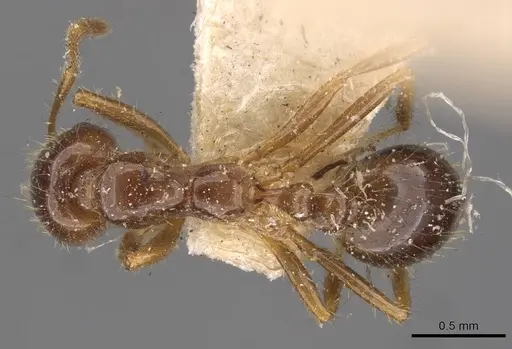
CASENT0908798
View on AntWeb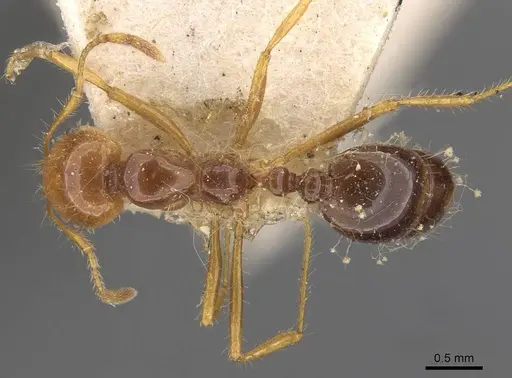
CASENT0908799
View on AntWeb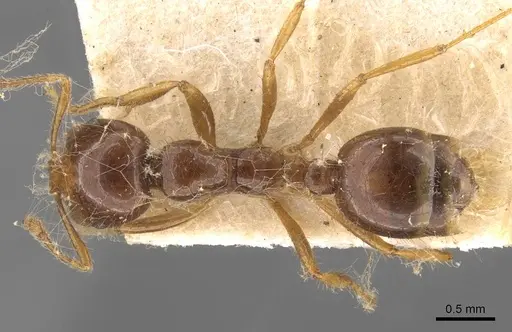
CASENT0913929
View on AntWeb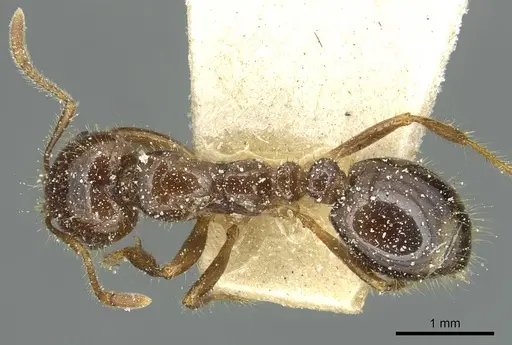
CASENT0913930
View on AntWeb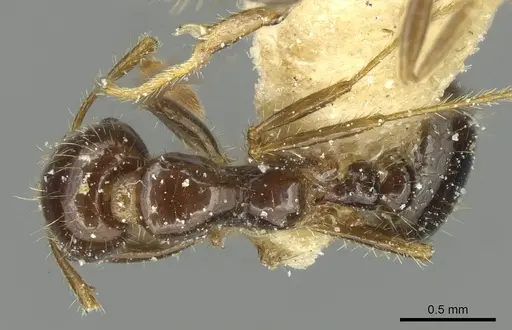
CASENT0913931
View on AntWeb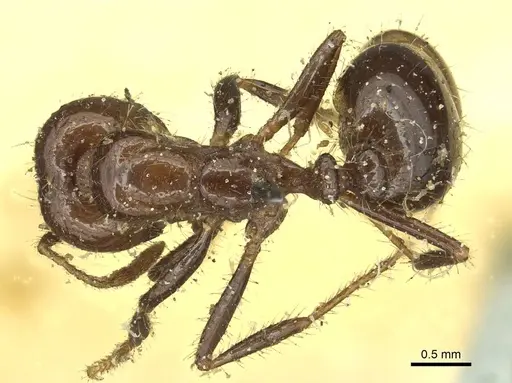
ECOFOG-BOUM-0642-02
View on AntWeb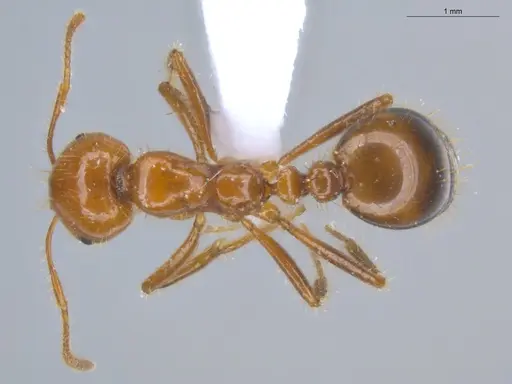
ECOFOG-BOUM-0661-01-S
View on AntWeb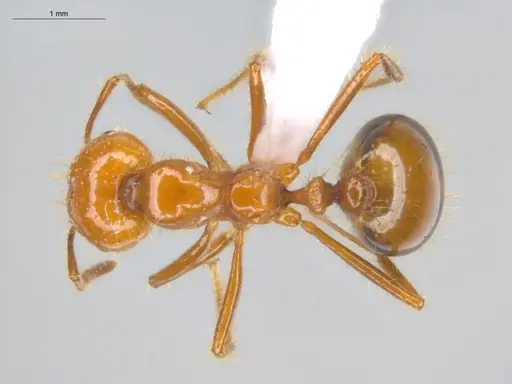
ECOFOG-BOUM-0661-01
View on AntWeb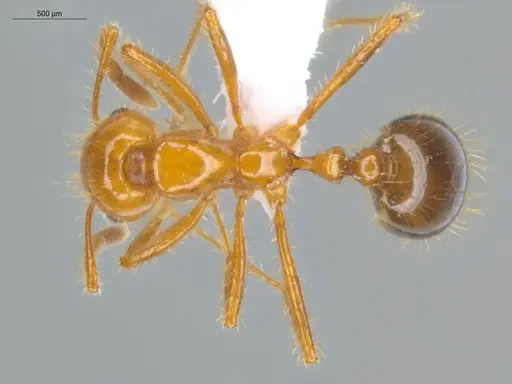
ECOFOG-BUG-0893-01
View on AntWeb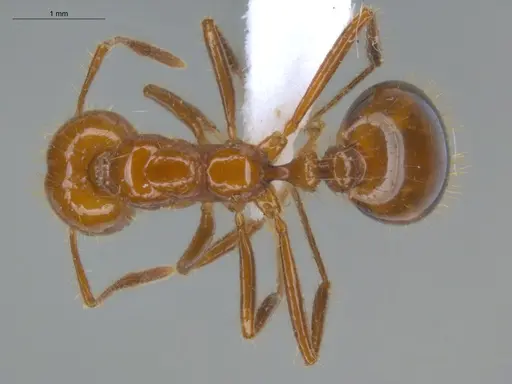
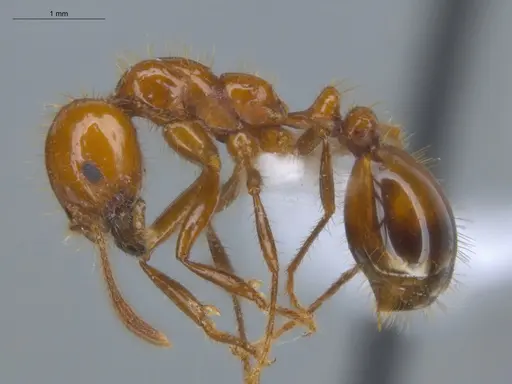
ECOFOG-SAV18-0010-01
View on AntWeb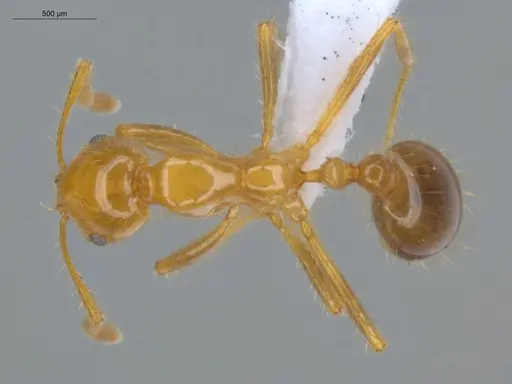
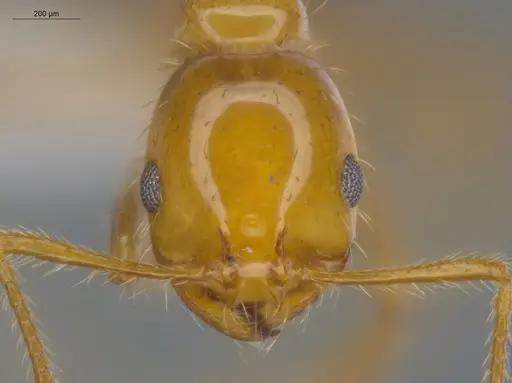
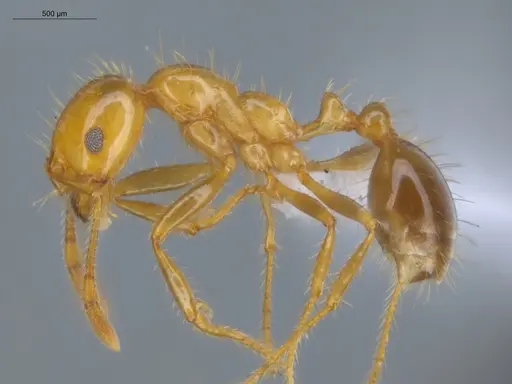
USNMENT01124294
View on AntWeb