

Solenopsis picta
- Scientific Name
- Solenopsis picta
- Tribe
- Solenopsidini
- Subfamily
- Myrmicinae
- Author
- Emery, 1895
- Distribution
- Found in 2 countries
Solenopsis picta Overview
Solenopsis picta is an ant species of the genus Solenopsis. It is primarily documented in 2 countries , including Mexico, United States of America. Detailed taxonomic data and occurrence records can be further explored via authoritative databases such as AntWeb or the Global Biodiversity Information Facility (GBIF).
Solenopsis picta
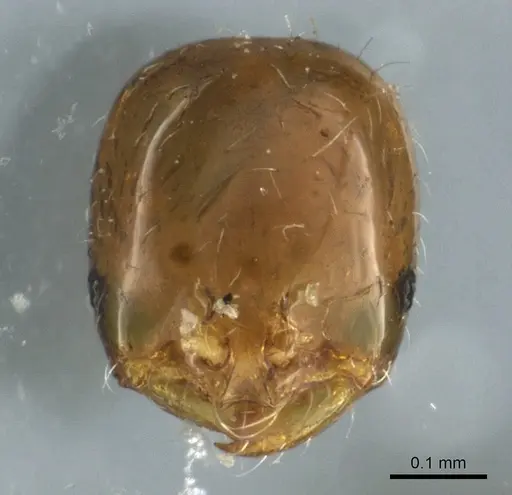
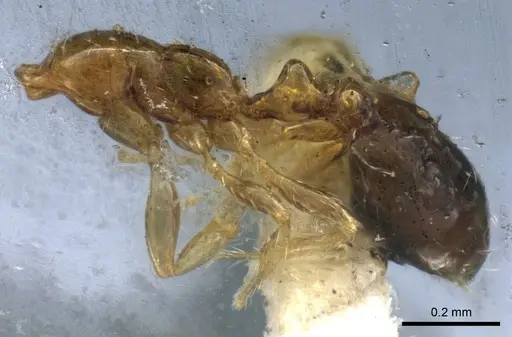
Solenopsis picta is a tiny thief ant measuring just 1.3-1.4mm as workers, making it one of the smaller ant species you'll encounter. Workers are dark brown to black, sometimes showing a bicolored pattern with a reddish-brown head and mesosoma contrasting a dark brown abdomen. Their head is slightly longer than wide, and they have notably small eyes with only 4-5 lenses [1]. These ants belong to the Solenopsis molesta species complex, a group of small ants known for nesting in unusual locations.
What makes S. picta interesting is their arboreal lifestyle, unlike most ground-nesting ants, they live inside hollow twigs and dead branches in oak trees across the southeastern United States. Researchers find them by collecting dead twigs and breaking them open to reveal the colony inside. They are rarely collected using standard ground sampling methods, which makes them a somewhat elusive species to study [2][3].
Quick Summary
- Difficulty: Medium
- Origin & Habitat: Southeastern United States, found in Florida, Texas, South Carolina, Georgia, Louisiana, Alabama, Mississippi, and North Carolina. They live in oak woodlands, nesting exclusively in hollow twigs and dead branches in trees, particularly oak and pecan trees [1][4].
- Colony Type: Single-queen colonies (monogyne). Each nest contains exactly one queen, and colonies are small [1].
- Colony: Monogyne
- Founding: Claustral
- Size & Growth:
- Queen: 3.24mm
- Worker: 1.32-1.44mm
- Colony: Likely under 100 workers based on typical small Solenopsis patterns and limited nesting sites in twigs [2]
- Growth: Moderate, inferred from typical small Myrmicinae development
- Development: Estimated 6-8 weeks at optimal temperature based on genus-level patterns (No specific development data exists for this species. Related small Solenopsis species typically develop from egg to worker in 6-8 weeks under warm conditions.)
- Antkeeping:
- Temperature: Keep at 24-27°C as a starting point. These are warm-climate ants from the southeastern US, so they prefer temperatures in the mid-to-high 70s°F. Adjust based on colony activity, if workers seem sluggish, increase slightly, if they avoid the heated area, reduce temperature.
- Humidity: Moderate humidity around 50-60%. Since they nest in twigs in trees, they are adapted to more variable conditions than ground-nesting ants. Allow the nest to dry out partially between waterings, think of the inside of a tree branch rather than damp soil.
- Diapause: Likely requires a mild winter rest period (4-6 weeks at 10-15°C) given their temperate US distribution, though specific diapause behavior is unconfirmed.
- Nesting: These ants naturally nest in hollow twigs and small dead branches. In captivity, they do well in small test tubes, small acrylic nests, or setups with narrow chambers that mimic twig interiors. Avoid large, open spaces, they feel safest in tight quarters [2][1].
- Behavior: Thief ants are generally shy and non-aggressive. They avoid confrontation with larger ants and prefer to stay hidden inside their nest chambers. Workers are tiny and very quick-moving. They are not known to sting humans, their stingers are minimal compared to their fire ant relatives. Escape prevention is critical because their minute size allows them to slip through standard barrier setups [1].
- Common Issues: escape prevention is critical, their tiny 1.3mm size means they can squeeze through gaps that larger ants cannot, colonies stay small due to limited nesting space in captivity, don't expect massive colonies, test tube setups may be too large for founding colonies, consider using very small containers or narrow tubing, wild-caught colonies may be stressed from twig collection and have hidden parasites, they are rarely successful in standard ant farms due to their arboreal nature and small size
Housing and Nest Setup
Solenopsis picta presents unique housing challenges because they are arboreal twig-nesters. In the wild, they live inside hollow twigs as thin as a pencil, so standard test tubes may feel oversized and insecure to them. Many keepers have success with small test tubes (narrow bore) or very small acrylic nests with tight chambers. You can also offer them small pieces of hollow twigs or bamboo as a more naturalistic option, just make sure you can observe the colony inside [2][1].
Whatever nest you choose, ensure it has excellent escape prevention. These ants are tiny, workers measure just 1.3-1.4mm, and can slip through the tiniest gaps. Use fluon on the rim of test tubes, fine mesh on any openings, and consider barrier tape around the outworld. A small outworld works best since the colony itself will be small. Keep the nest relatively dry, these ants are adapted to the interior of tree branches which can dry out between rains.
Feeding and Diet
Like other thief ants, S. picta likely feeds on small insects, honeydew, and sugary liquids. Their tiny size means they can only tackle prey items much smaller than what you'd feed larger ants. Offer tiny drops of sugar water or honey, and small protein sources like fruit flies, pinhead crickets (pre-killed), or tiny mealworms. Some keepers report success with diluted honey applied directly to the nest walls where tiny ants can access it.
In the wild, researchers have found them in tree baits and they do not remove seeds, suggesting they focus on small arthropod prey and honeydew rather than seeds. Feed small amounts every few days, removing uneaten food promptly to prevent mold. Because the colony stays small, they need only tiny portions.
Temperature and Seasonal Care
Keep your colony warm, aim for 24-27°C (75-80°F). These ants come from the southeastern United States where temperatures are mild to warm year-round. A small heating cable on one side of the nest can create a temperature gradient, allowing ants to choose their preferred spot. Place the heating element on top of the nest, not underneath, to avoid drying out the nest too quickly.
Regarding winter care, their range extends into areas with mild winters, so they likely tolerate or require a brief cool period. A 4-6 week rest at 10-15°C (50-59°F) during winter months may benefit established colonies, though this is based on inference rather than specific studies. If your colony remains active through winter, they may simply slow down rather than enter full diapause. Monitor behavior, if workers become less active and cluster together, they are entering rest mode.
Behavior and Colony Dynamics
Solenopsis picta is a shy, secretive ant. Workers spend most of their time inside the nest, emerging briefly to forage. They are not aggressive and will flee rather than fight when threatened. Unlike their famous relatives (fire ants), they do not have a painful sting and pose no danger to keepers.
Colonies remain relatively small, probably under 100 workers even in mature colonies. This is partly because they nest in confined spaces (twigs) that limit population growth. In captivity, you may see slow growth compared to larger ant species. Be patient. Queens are also small at about 3.2mm, and they produce relatively few eggs at a time. The founding process follows typical claustral patterns, the queen seals herself in and raises the first workers (nanitics) on her stored fat reserves. [1]
Frequently Asked Questions
Can I keep Solenopsis picta in a test tube?
Yes, but use a narrow-bore test tube or consider a small piece of hollow twig. These ants naturally live in thin twigs, so standard test tubes may feel too spacious. A small test tube (like those used for very small species) works well, but ensure excellent escape prevention, they are tiny and can slip through gaps.
How long does it take for Solenopsis picta to produce first workers?
Estimated 6-8 weeks from egg to first worker at optimal temperature. No specific development data exists for this species, but related small Solenopsis species typically take 6-8 weeks. The first workers (nanitics) will be very small, which is normal.
How big do Solenopsis picta colonies get?
Colonies likely stay under 100 workers even when mature. Their natural nesting in hollow twigs limits colony size. In captivity, expect a small, modest colony rather than the massive numbers you see in ground-nesting species.
What do Solenopsis picta eat?
They likely accept small insects (fruit flies, pinhead crickets), sugar water or honey, and honeydew. Their tiny size limits what they can consume, offer very small prey items and tiny drops of sugar water. Remove uneaten food promptly to prevent mold.
Are Solenopsis picta good for beginners?
They are moderate difficulty, not the easiest but not the hardest. Their tiny size and escape risk make them challenging for complete beginners, but their simple care requirements (no special humidity or heating) make them manageable once you understand antkeeping basics. They are more advanced than species like Lasius or Camponotus due to their small size and specific nesting needs.
Do Solenopsis picta need hibernation?
Likely yes, they come from the southeastern US where winters are mild but present. A 4-6 week cool period at 10-15°C (50-59°F) is probably beneficial, though specific diapause behavior is unconfirmed. If your colony stays active in winter, they may simply slow down rather than enter full dormancy.
Why are my Solenopsis picta escaping?
Their tiny 1.3mm size makes escape likely without excellent barriers. Apply fluon to test tube rims, use fine mesh (at least 0.5mm holes or smaller), and consider barrier tape around the outworld. Check all connections and lid seals, if there is any gap, they will find it.
Can I keep multiple Solenopsis picta queens together?
No, they are monogyne (single-queen) in the wild. Each nest contains exactly one queen, and combining unrelated queens is not recommended. They do not form multi-queen colonies like some other Solenopsis species.
When should I move Solenopsis picta to a formicarium?
Move them when the colony reaches maybe 20-30 workers and the test tube is becoming crowded. However, given their twig-nesting nature, they may do fine in small test tubes long-term. A small acrylic nest with tight chambers works better than a large formicarium designed for bigger ants.
References

This caresheet is licensed under CC BY-SA 4.0 .
CASENT0104509
View on AntWeb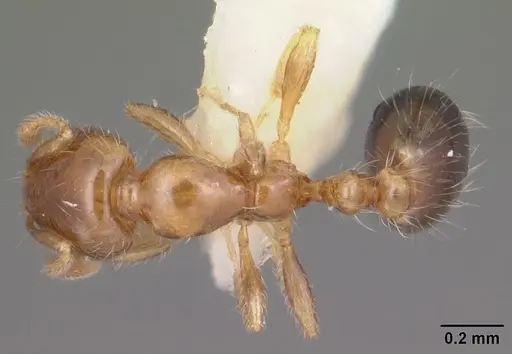
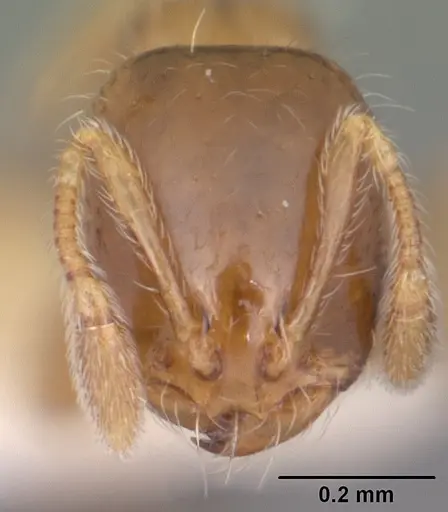

CASENT0104510
View on AntWeb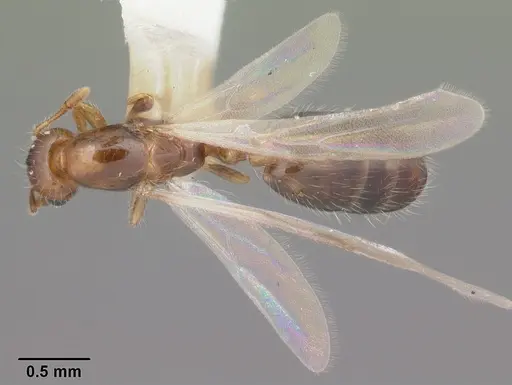
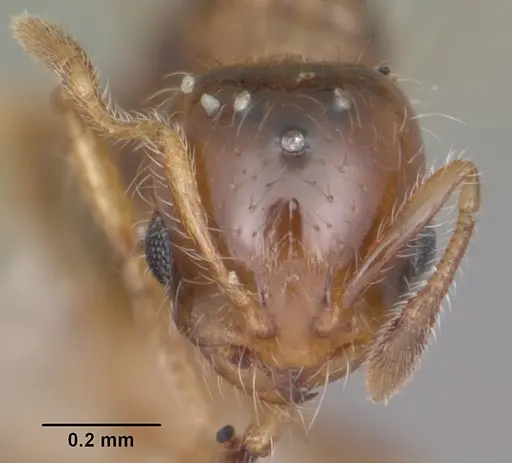
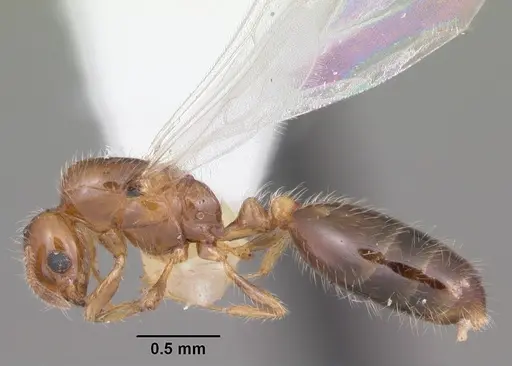
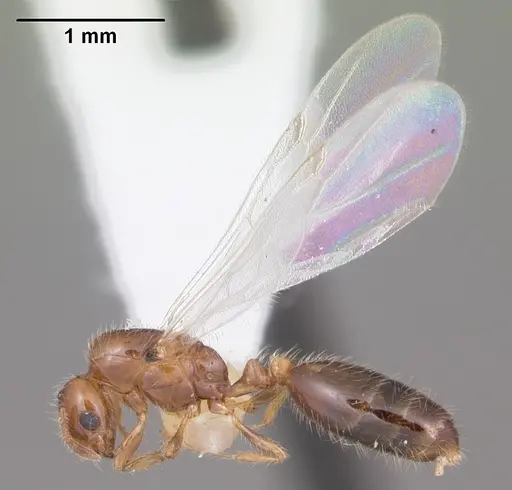
CASENT0105664
View on AntWeb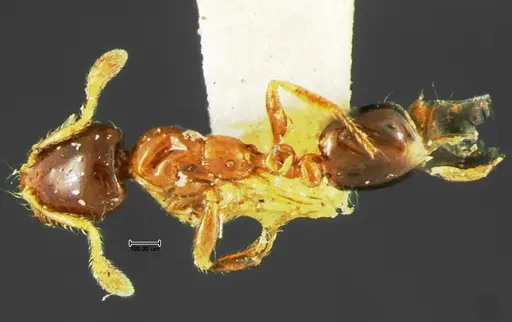
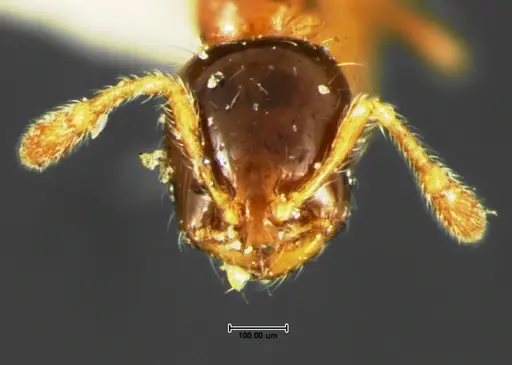
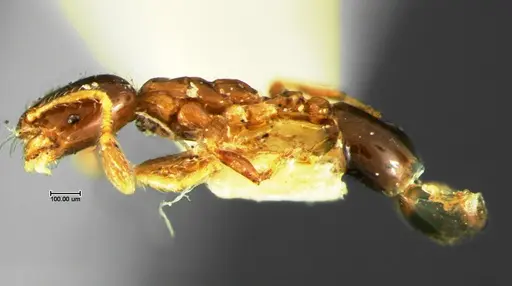
CASENT0884322
View on AntWeb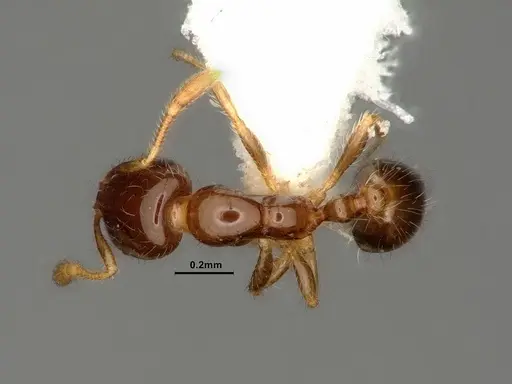
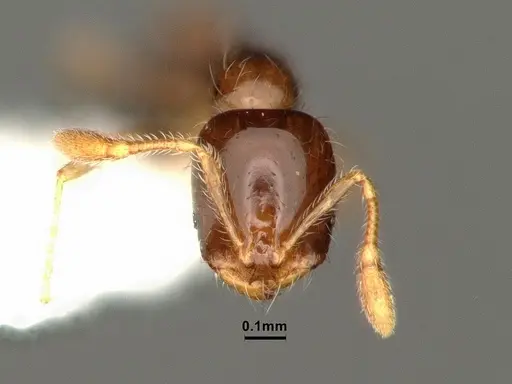
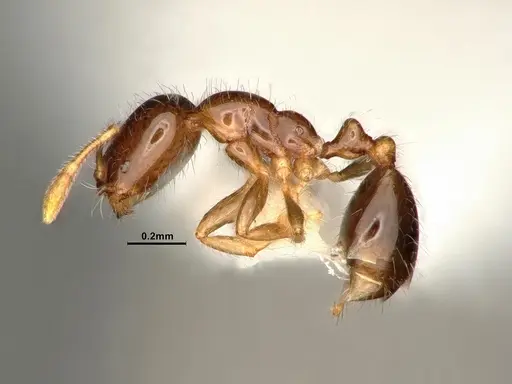
CASENT0884325
View on AntWeb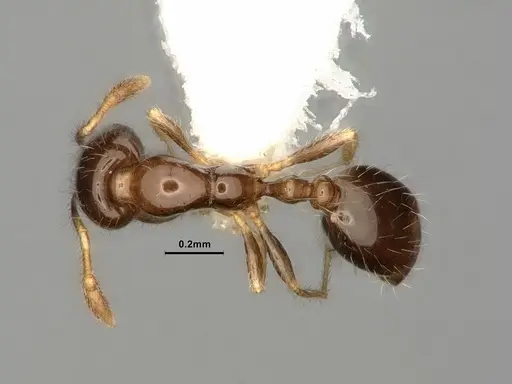
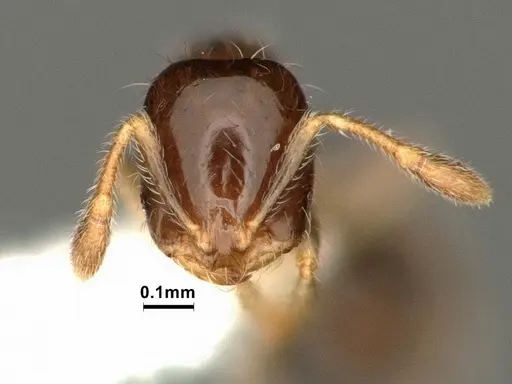
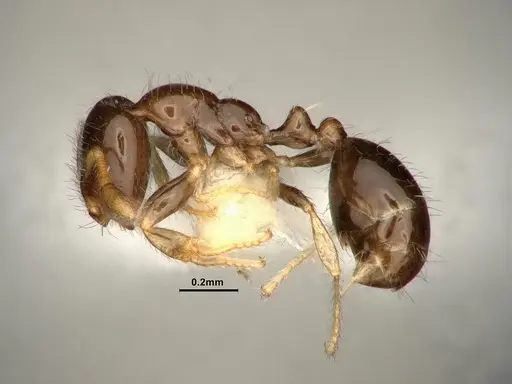
CASENT0904629
View on AntWeb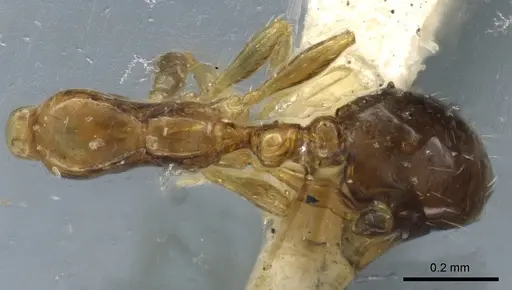
Literature
Loading...Loading products...