

Solenopsis macdonaghi
- Scientific Name
- Solenopsis macdonaghi
- Tribe
- Solenopsidini
- Subfamily
- Myrmicinae
- Author
- Santschi, 1916
- Distribution
- Found in 2 countries
Solenopsis macdonaghi Overview
Solenopsis macdonaghi is an ant species of the genus Solenopsis. It is primarily documented in 2 countries , including Argentina, Paraguay. Detailed taxonomic data and occurrence records can be further explored via authoritative databases such as AntWeb or the Global Biodiversity Information Facility (GBIF).
Solenopsis macdonaghi
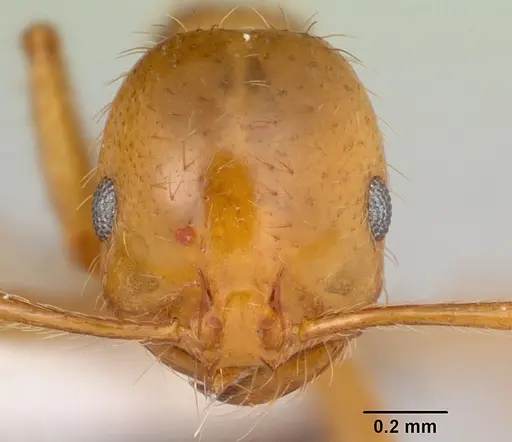
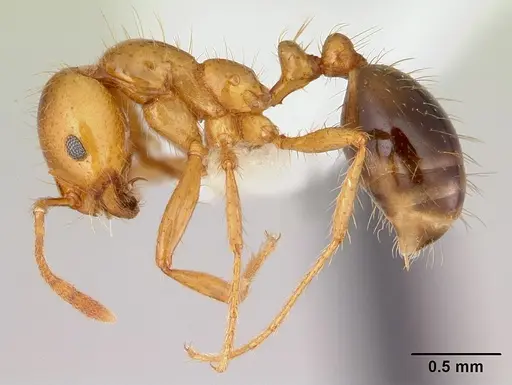
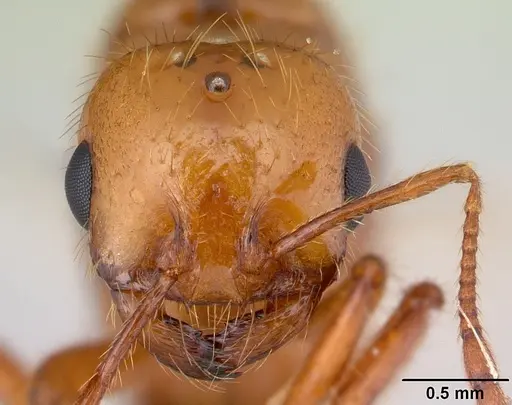
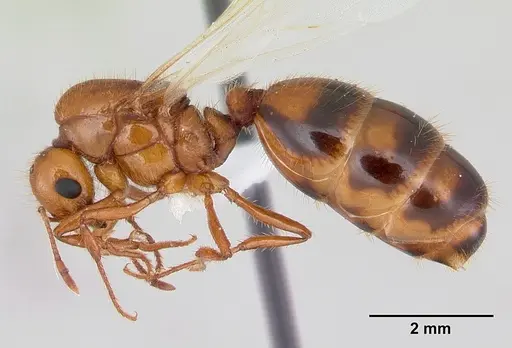
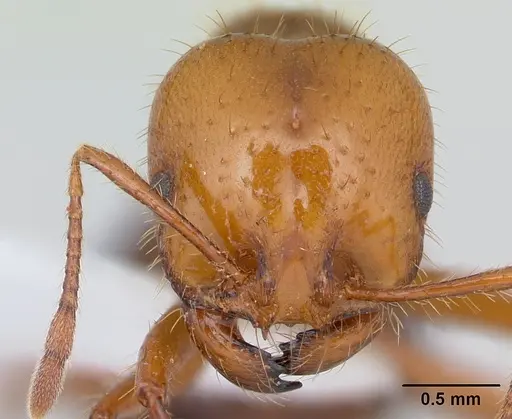
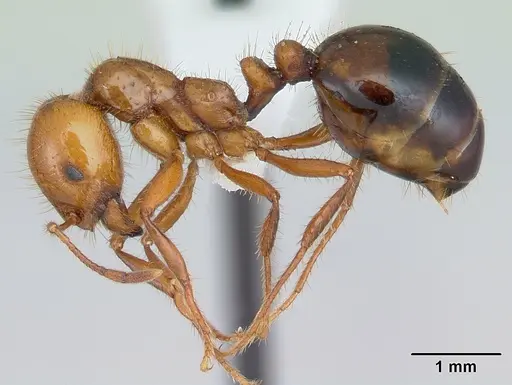
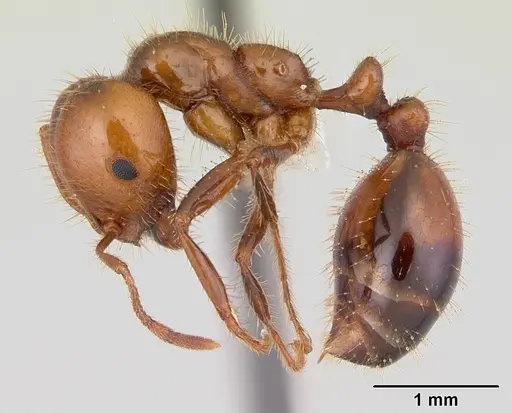
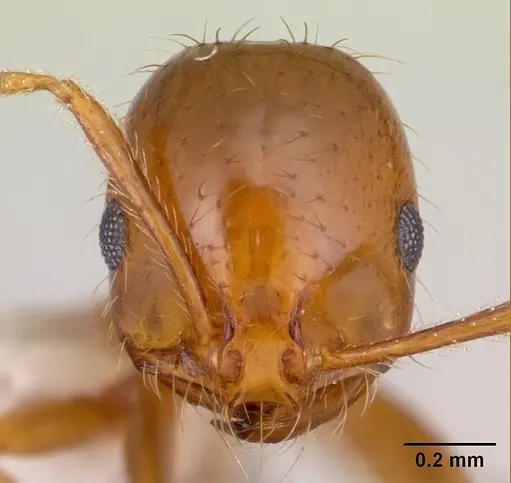
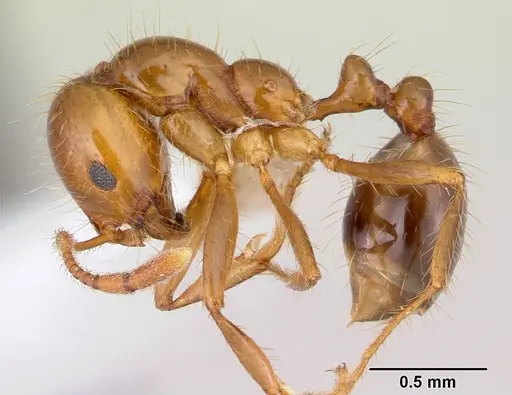
Solenopsis macdonaghi is a medium-sized fire ant species native to the floodplains of eastern Argentina and western Uruguay, with records in Paraguay [1]. Workers are red-yellow to brown-yellow with a distinctive dark brown gaster (the rear body section), while queens range from orange to dark orange [1]. This species belongs to the Solenopsis saevissima species group, which includes some of the most well-studied fire ants in the world. What makes S. macdonaghi particularly interesting is its social polymorphism, colonies can have either a single queen or multiple queens working together, controlled by a specific gene variant [2]. This flexibility in social organization is rare among ants and makes them fascinating to observe.
Quick Summary
- Difficulty: Medium
- Origin & Habitat: Native to the floodplains of eastern Argentina and western Uruguay, with records in Paraguay. Found in gallery forest edges and campo cerrado (open savanna) habitats [1][3].
- Colony Type: Socially polymorphic, colonies can be either monogyne (single queen) or polygyne (multiple queens). The presence of b-like alleles in polygyne colonies indicates genetic control of this trait [2][4].
- Colony: Optionally polygyne
- Founding: Claustral
- Size & Growth:
- Queen: 6.9-7.5 mm [1]
- Worker: Major workers are among the largest in the species group, along with S. megergates and S. quinquecuspis [5]
- Colony: Colony size data not specifically documented, but related fire ants typically reach tens of thousands of workers
- Growth: Moderate, inferred from related fire ant species
- Development: Estimated 5-7 weeks at optimal temperature based on related Solenopsis species (Fire ant development is temperature-dependent, warmer conditions accelerate development)
- Antkeeping:
- Temperature: Keep at 24-28°C. Fire ants prefer warm conditions, similar to their subtropical native habitat. A heating cable on one side of the nest creates a suitable gradient.
- Humidity: Moderate humidity around 50-60%. Fire ants prefer drier conditions compared to many tropical ants. Allow the nest substrate to dry slightly between waterings.
- Diapause: No strong diapause required given their subtropical origin, but a slight cool period (15-18°C) during winter months may benefit colonies
- Nesting: Use a dry nest setup. Fire ants prefer well-drained conditions. Y-tong (AAC) nests or test tube setups work well. Avoid overly humid or wet conditions.
- Behavior: Fire ants are defensive and will sting when threatened. Workers are aggressive foragers and will readily defend their nest. They have a potent sting that can cause painful welts in humans, handle with caution. Escape prevention is important as they are active and will explore for exits. They are omnivorous, accepting both protein foods and sugar sources.
- Common Issues: sting hazard, these ants can deliver painful stings, so handle with care and use proper protection, escape artists, active foragers that will find and exploit any gaps in their enclosure, pathogen susceptibility, wild colonies can carry microsporidian parasites like Vairimorpha invictae and Thelohania solenopsae [6][7], social structure confusion, colonies may be monogyne or polygyne, which affects how you house multiple queens
Housing and Nest Setup
Solenopsis macdonaghi does well in standard ant keeping setups. Test tubes work well for founding colonies, fill the tube one-third with water stopped by a cotton ball, providing a humid chamber for the queen. For established colonies, Y-tong (AAC) nests or acrylic formicaria work nicely. Fire ants prefer drier conditions than many ants, so avoid setups that retain excessive moisture. Ensure excellent escape prevention, these ants are persistent explorers and will find any gap. Apply fluon or similar barriers to the rim of the outworld. Provide a shallow water station and protein food in the outworld area. [1]
Feeding and Diet
Fire ants are omnivorous and accept a wide variety of foods. Offer protein sources like mealworms, crickets, or other small insects 2-3 times per week. They also readily accept sugar sources, honey water, sugar water, or commercial ant nectar. For enrichment, you can occasionally offer small pieces of fruit. In the wild, they forage for seeds, insects, and honeydew from aphids. Remove uneaten protein within 24-48 hours to prevent mold. A constant sugar water or honey supply is recommended for established colonies.
Temperature and Seasonal Care
Keep your colony at 24-28°C for optimal growth and brood development. Fire ants are adapted to warm subtropical conditions and thrive in heated setups. A small heating cable placed under or on one side of the nest creates a temperature gradient that ants can choose between. During winter, you can reduce temperatures slightly to 18-22°C, but avoid cold hibernation as they're not adapted to freezing conditions. A slight cool period may simulate their natural seasonal cycle, but is not strictly required. Monitor colony activity, if workers become sluggish, slightly increase temperature.
Defense and Sting Hazard
Solenopsis macdonaghi has a potent sting and should be handled with extreme caution. Unlike some ants that merely bite or spray formic acid, fire ants deliver a painful venom that causes burning sensation and raised welts. When working with these ants, always use protective gear including gloves and eye protection. Never handle them without proper preparation. If stung, wash the area with soap and water and apply a cold compress. Those with insect venom allergies should avoid keeping this species entirely. The sting risk makes them unsuitable for beginners who want to handle their ants frequently. [1]
Health and Pathogens
Wild-caught colonies of S. macdonaghi can carry several pathogens that affect fire ants. The microsporidian parasites Vairimorpha invictae and Thelohania solenopsae have been documented infecting this species in its native range [6][7]. These pathogens can spread to other ant colonies and may eventually kill your colony. If collecting from the wild, quarantine new colonies and monitor for signs of illness, workers appearing sluggish, unusual mortality, or colony decline. Purchasing from reputable breeders who guarantee disease-free colonies is strongly recommended.
Social Structure and Colony Dynamics
One of the most fascinating aspects of S. macdonaghi is its social polymorphism. Some colonies have a single queen (monogyne), while others have multiple queens (polygyne). This is genetically controlled, polygyne colonies contain specific b-like alleles that enable multiple queens to coexist [2][4]. In polygyne colonies, queens may remain in the nest and continue laying eggs while new queens are produced. This flexibility means your colony could develop either structure depending on what queen(s) you started with. The social structure also affects how colonies interact, monogyne colonies are typically more aggressive toward outsiders than polygyne colonies.
Legal and Ethical Considerations
Solenopsis macdonaghi is native to South America and should never be released in North America, Europe, or other regions where it is not native. Related fire ants like S. invicta have become major invasive pests in many parts of the world, causing ecological and economic damage. If you can no longer keep your colony, contact a local ant keeper or entomological society to rehome it. Never dump ants in the wild. Additionally, check your local regulations before acquiring this species, some areas have restrictions on keeping native or non-native fire ants.
Frequently Asked Questions
How long does it take for the first workers to emerge?
Based on related Solenopsis species, expect first workers (nanitics) to emerge in about 5-7 weeks after the queen lays eggs, assuming optimal temperatures around 26-28°C. Development time varies with temperature, cooler conditions slow development significantly.
Can I keep multiple queens together?
Solenopsis macdonaghi is facultatively polygyne, meaning colonies can have either single or multiple queens. However, this refers to established colonies in the wild. Combining unrelated founding queens is risky and not recommended, they will likely fight. If you want a polygyne colony, start with a single queen or purchase an established colony with multiple queens.
Are Solenopsis macdonaghi good for beginners?
No, this species is not recommended for beginners. The combination of their potent sting, escape artist behavior, and specific care requirements makes them better suited for experienced ant keepers. The sting hazard alone makes them inappropriate for those who want to handle their ants frequently.
What do Solenopsis macdonaghi eat?
They are omnivorous. Offer protein sources like small insects (mealworms, crickets) 2-3 times per week, and keep a constant sugar source available like honey water or sugar water. They will also collect seeds and honeydew in the wild.
How big do colonies get?
While specific colony size data is not documented for S. macdonaghi, related fire ants in the saevissima group typically reach tens of thousands of workers in mature colonies. Your colony can become quite large with proper care.
Do they need hibernation?
No, they do not require true hibernation. Being from subtropical South America, they prefer warm conditions year-round. You can reduce temperatures slightly in winter (to around 18-22°C) but avoid cold conditions. A slight temperature reduction may simulate their natural seasonal cycle.
Why are my ants dying?
Several factors could cause colony decline. Wild-caught colonies often carry pathogens like Vairimorpha invictae or Thelohania solenopsae that can kill colonies [6][7]. Other causes include improper temperature (too cold), excessive humidity (fire ants prefer drier conditions), mold from overfeeding, or stress from too much handling. Ensure proper care conditions and consider if your founding queen was healthy.
References

This caresheet is licensed under CC BY-SA 4.0 .
CASENT0178137
View on AntWeb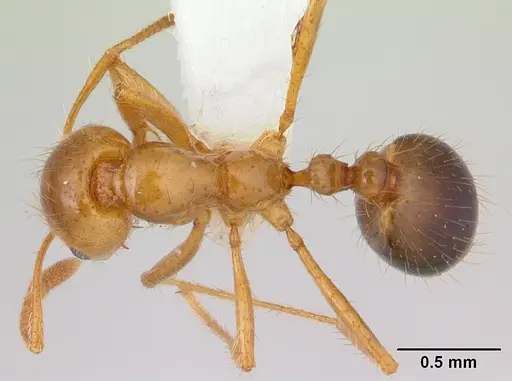
CASENT0178138
View on AntWeb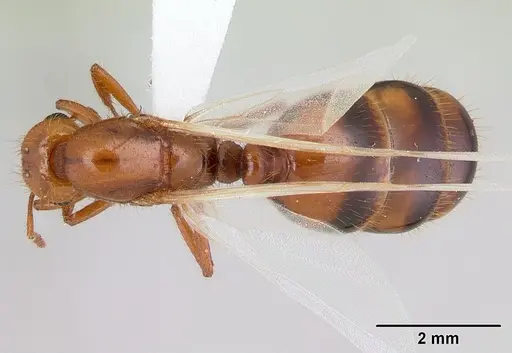
CASENT0178139
View on AntWeb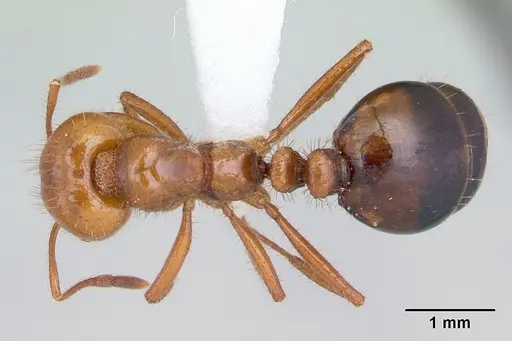
CASENT0178143
View on AntWeb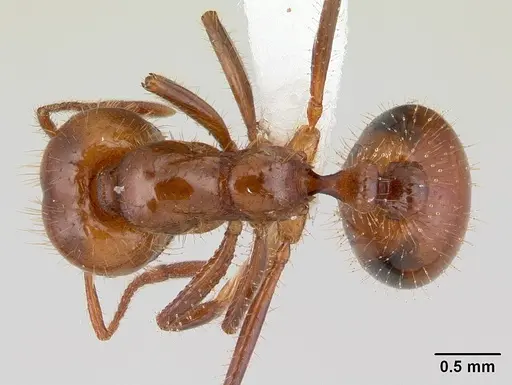
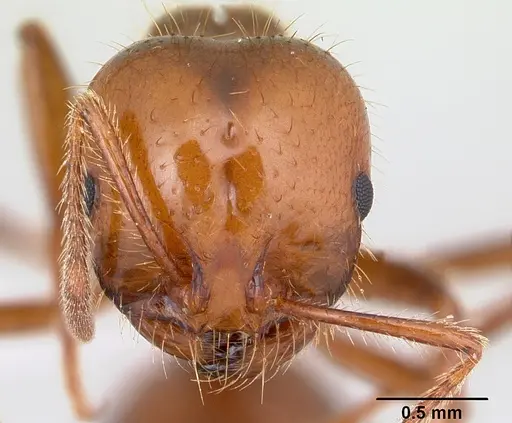
CASENT0178144
View on AntWeb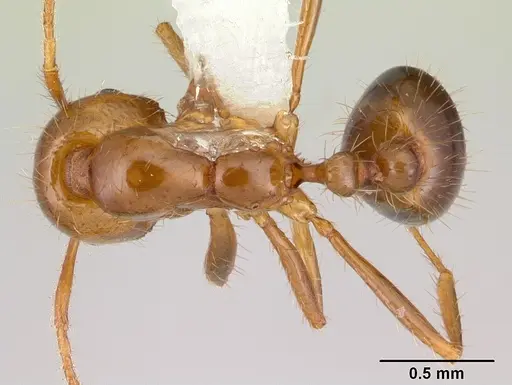
Literature
Loading...Loading products...