

Solenopsis loretana
- Scientific Name
- Solenopsis loretana
- Tribe
- Solenopsidini
- Subfamily
- Myrmicinae
- Author
- Santschi, 1936
- Distribution
- Found in 1 countries
Solenopsis loretana Overview
Solenopsis loretana is an ant species of the genus Solenopsis. It is primarily documented in 1 countries , including Paraguay. Detailed taxonomic data and occurrence records can be further explored via authoritative databases such as AntWeb or the Global Biodiversity Information Facility (GBIF).
Solenopsis loretana
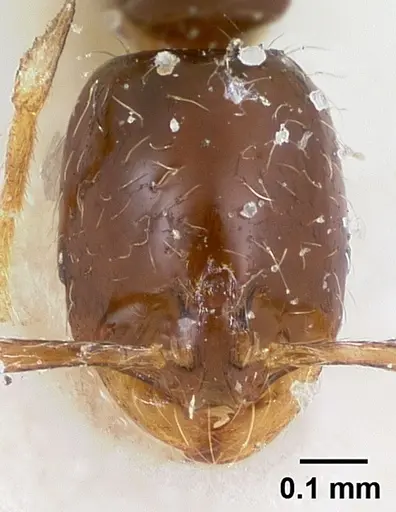
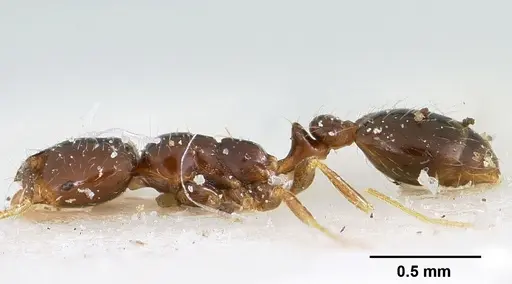
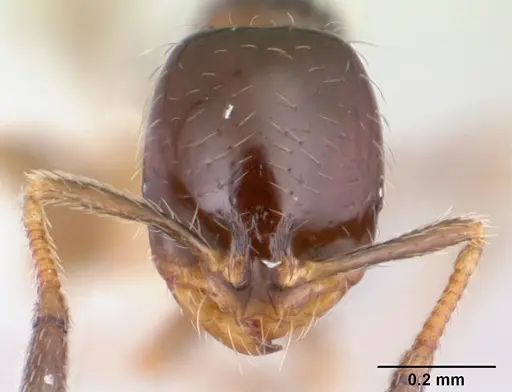
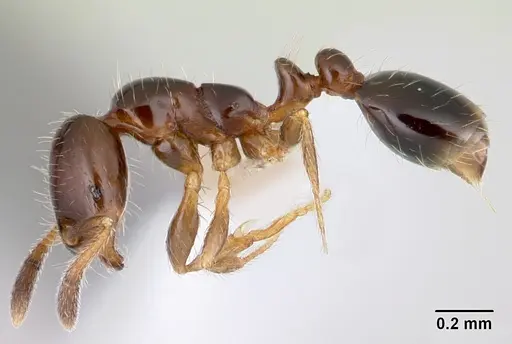
Solenopsis loretana is a tiny thief ant belonging to the Solenopsis molesta species complex. Workers measure just 1.74-2.04mm, making them one of the smaller ant species you'll encounter. They have a distinctive concolorous brown coloration with a quadrate head and a large, globular postpetiolar node that sets them apart from related species. Their eyes are remarkably small, containing only three ommatidia. This species nests underground in soil, with nests found as deep as 25cm in Argentina. They inhabit humid subtropical tall forests, campo cerrado edges, citrus groves, and scrub forests across their range in Argentina, Brazil, and Paraguay [1].
These ants are classified as Tropical Climate Specialists, meaning they're adapted to warm, humid conditions [2]. As thief ants, they likely scavenge and hunt small invertebrates, and may tend aphids for honeydew, though their exact diet in the wild requires more study. Their small size and cryptic nature make them a challenging but rewarding species for experienced antkeepers.
Quick Summary
- Difficulty: Medium
- Origin & Habitat: Native to the Neotropical region: Argentina (Misiones), Brazil, and Paraguay. They nest in soil in humid subtropical tall forests, campo cerrado edges, and mixed citrus groves at elevations around 240m [1][2].
- Colony Type: Colony structure is not directly documented. Based on typical Solenopsis patterns, likely single-queen (monogyne) colonies. Only the worker caste has been documented, queen caste remains undescribed.
- Size & Growth:
- Queen: Undescribed, queen measurements not available in scientific literature.
- Worker: 1.74-2.04mm.
- Colony: Unknown, colony size has not been documented in research.
- Growth: Unknown, no development timing data exists for this species. Based on related small Solenopsis species, growth is likely moderate.
- Development: Unconfirmed, no direct development data exists. Based on similar small Myrmicinae in warm climates, estimate 5-8 weeks at optimal temperature. (Estimate based on genus-level patterns for small tropical Solenopsis species. More data needed.)
- Antkeeping:
- Temperature: Keep at 24-28°C. Being a Tropical Climate Specialist from subtropical South America, they need warm conditions [2]. A heating cable on one side of the nest creates a gradient they can choose from.
- Humidity: High humidity required, think humid forest floor. Keep the nest substrate consistently moist but not waterlogged. Their natural habitat in humid subtropical forests suggests 70-85% relative humidity.
- Diapause: Likely minimal or none. As a tropical/subtropical species from northern Argentina/Brazil/Paraguay, they probably don't require true hibernation. However, a slight cool period during winter months may be beneficial, aim for 18-22°C rather than full diapause.
- Nesting: Underground nester, they naturally dig nests 25cm deep in soil. In captivity, a Y-tong (AAC) nest or plaster nest with soil chambers works well. Provide moist substrate they can tunnel into. Test tube setups work for founding colonies.
- Behavior: These are tiny, cryptic ants that prefer to stay hidden. They're not aggressive and likely avoid confrontation with larger ants. Their small size (under 2mm) means excellent escape prevention is critical, they can squeeze through tiny gaps. Watch for them attempting to escape through any small openings. They're likely nocturnal or crepuscular foragers, searching for small prey and honeydew. Their sting is present (Myrmicinae have functional stingers) but due to their tiny size, it's unlikely to be painful to humans.
- Common Issues: tiny size makes escape prevention critical, use fine mesh and tight-fitting lids, humidity control is challenging, too dry causes colony decline, too wet causes mold, limited colony growth data means you may need to adjust care based on observation, only worker caste known, finding a queen for sale may be difficult, small prey requirements, fruit flies and similar tiny insects needed for feeding
Housing and Nest Setup
Solenopsis loretana requires moist, soil-based housing that mimics their natural underground nests. A Y-tong (AAC) nest with narrow chambers or a plaster/soil formicarium works well, the chambers should be appropriately scaled to their tiny 2mm size. For founding colonies, a test tube setup with a water reservoir works, but you'll need to provide soil or a digging insert once the colony grows. These ants nest 25cm deep in the wild, so providing depth for tunneling is beneficial. Keep the nest area humid and dark, placing it away from direct sunlight and vibrations. A humidity gradient using a water reservoir or moist substrate lets the ants choose their preferred conditions. [2][1]
Feeding and Diet
As thief ants, Solenopsis loretana likely has a generalist diet similar to other Solenopsis species. Offer small protein sources like fruit flies, pinhead crickets (crushed), small mealworms, and other tiny arthropods. They probably accept sugar sources like honey water or sugar water, especially if they tend aphids in captivity. Feed small amounts every 2-3 days, removing uneaten prey after 24 hours. Due to their tiny size, prey items should be appropriately scaled, too large and they won't be able to process it. Observe your colony's acceptance of different foods and adjust accordingly. [1]
Temperature and Seasonal Care
Being classified as a Tropical Climate Specialist, these ants need warm conditions year-round [2]. Maintain temperatures between 24-28°C during the active season. A heating cable on one side of the nest creates a thermal gradient they can regulate themselves. During winter, you may reduce temperatures slightly to 18-22°C to simulate seasonal changes, but avoid true cold diapause, they're not adapted to freezing conditions. Stable temperatures are more important than exact numbers. Watch for colony activity levels as an indicator: if they become sluggish, try warming them slightly.
Handling and Colony Maintenance
These tiny ants require excellent escape prevention due to their small size. Use tight-fitting lids, fine mesh on any ventilation, and consider barrier methods like fluon on nest edges. When cleaning or moving the colony, use low-light conditions and work gently, they're easily stressed and prefer to remain hidden. Transferring colonies should only be done when necessary, and ideally during active hours. Monitor for mold in humid setups and provide a dry area within the enclosure for the ants to use if needed. Their small size also means they're vulnerable to drowning in water reservoirs, ensure any water features have cotton wicks or similar to prevent accidental drowning. [1]
Growth Expectations
Since only the worker caste has been documented in scientific literature, finding a mated queen for sale may prove challenging. If you obtain a colony, expect slow initial growth typical of claustrally founding queens. First workers (nanitics) will be very small. Colony size is unknown but likely remains modest, probably under a few hundred workers given their tiny worker size. Keep detailed records of your colony's growth to contribute to our understanding of this species in captivity. Patience is key, as they're slow developers compared to larger ant species. [2]
Frequently Asked Questions
How long does it take for Solenopsis loretana to produce first workers?
The exact development timeline is unconfirmed for this species. Based on similar small Solenopsis in tropical conditions, expect 5-8 weeks from egg to first worker at optimal temperature (24-28°C). Patience is essential as they're slow developers.
What do Solenopsis loretana ants eat?
They likely accept small protein sources like fruit flies, tiny crickets, and small mealworms. Sugar sources like honey water are probably accepted as well. Feed small amounts every 2-3 days and remove uneaten food promptly.
Can I keep Solenopsis loretana in a test tube?
Yes, test tubes work for founding colonies. Use a water reservoir with a cotton wick for humidity. You'll need to provide soil or a digging chamber once the colony grows beyond 10-20 workers. Their tiny size means escape prevention must be excellent, check all connections carefully.
Are Solenopsis loretana good for beginners?
This is a medium-difficulty species. Their small size, humidity requirements, and limited available information make them better suited for antkeepers with some experience. They're not recommended as a first species but are manageable with proper care.
What temperature do Solenopsis loretana need?
Keep them at 24-28°C as they're Tropical Climate Specialists from subtropical South America [2]. A heating cable on one side of the nest creates a gradient. Avoid temperatures below 18°C or above 32°C.
How big do Solenopsis loretana colonies get?
Colony size is not documented in scientific literature. Based on their tiny worker size (1.74-2.04mm), colonies likely remain modest, probably under a few hundred workers. More research is needed on maximum colony size.
Do Solenopsis loretana need hibernation?
Likely no true hibernation. As a tropical/subtropical species from Argentina, Brazil, and Paraguay, they probably don't require cold diapause. A slight temperature reduction to 18-22°C during winter months may be beneficial but isn't mandatory.
Why are my Solenopsis loretana trying to escape?
This is likely due to improper conditions. Check humidity (they need high humidity), temperature (too cold or too hot), and ensure there are no stressors like vibrations or bright light. Their tiny size also means they're naturally prone to exploring for new territory.
Where can I find a Solenopsis loretana queen?
This is challenging, only the worker caste has been documented in scientific literature, and queens are not commonly available in the antkeeping hobby. You may need to capture a queen during nuptial flights if they occur in your area, or find specialty breeders.
References

This caresheet is licensed under CC BY-SA 4.0 .
CASENT0104996
View on AntWeb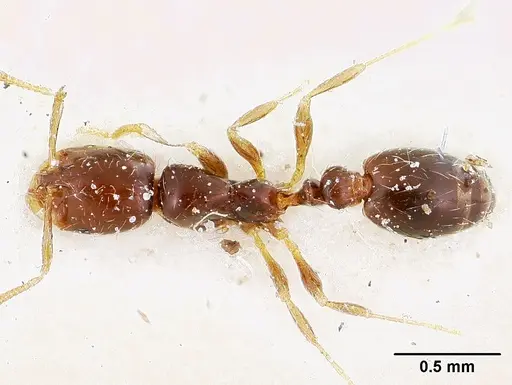
CASENT0178136
View on AntWeb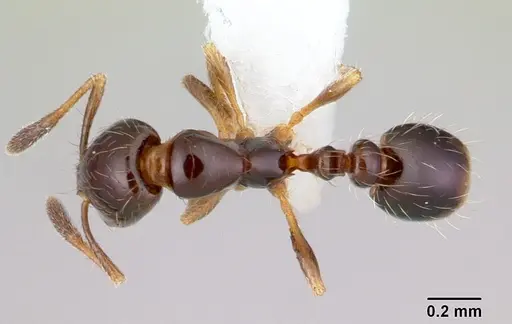
Literature
Loading...Loading products...