

Solenopsis helena
- Scientific Name
- Solenopsis helena
- Tribe
- Solenopsidini
- Subfamily
- Myrmicinae
- Author
- Emery, 1895
- Distribution
- Found in 5 countries
Solenopsis helena Overview
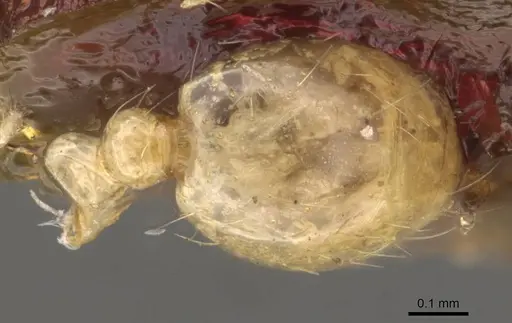
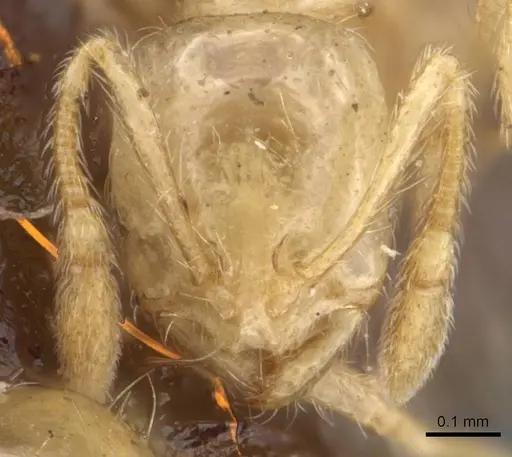
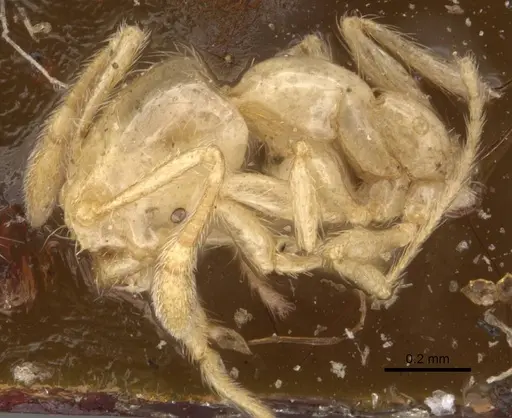
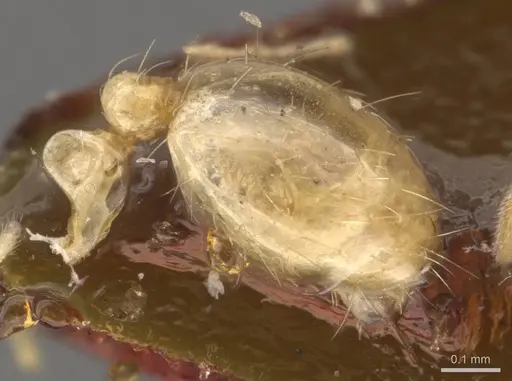
Solenopsis helena is an ant species of the genus Solenopsis. It is primarily documented in 5 countries , including Argentina, Brazil, Chile. Detailed taxonomic data and occurrence records can be further explored via authoritative databases such as AntWeb or the Global Biodiversity Information Facility (GBIF).
Solenopsis helena
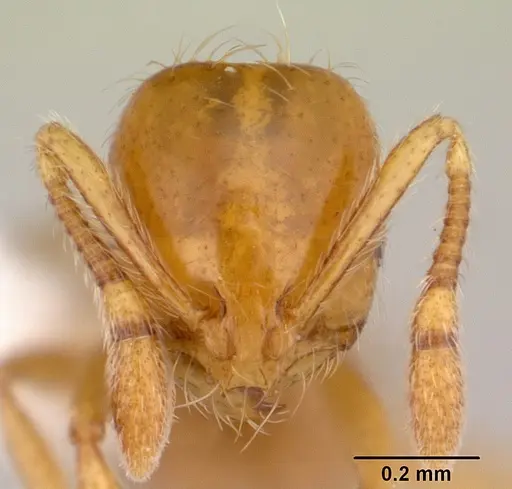
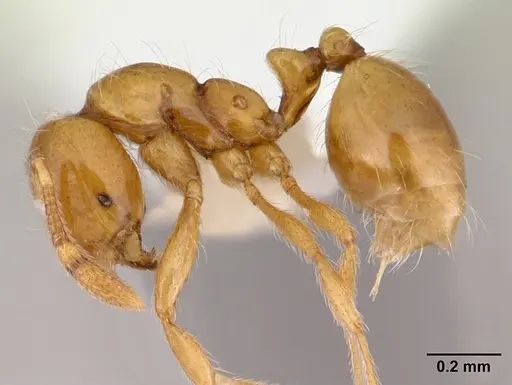
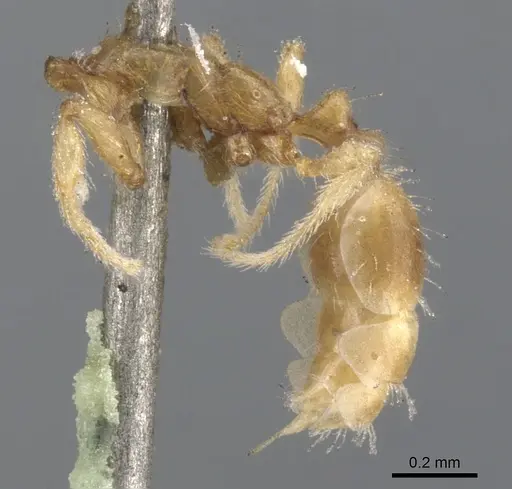
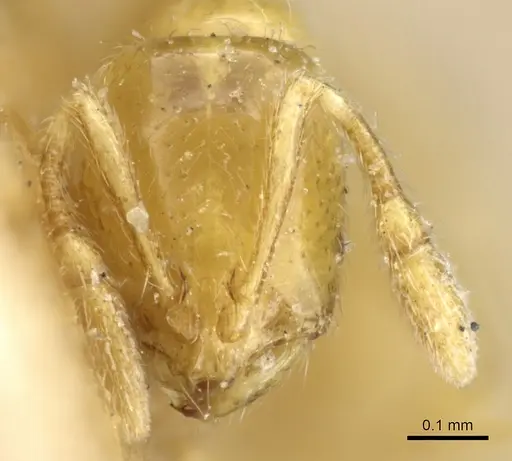
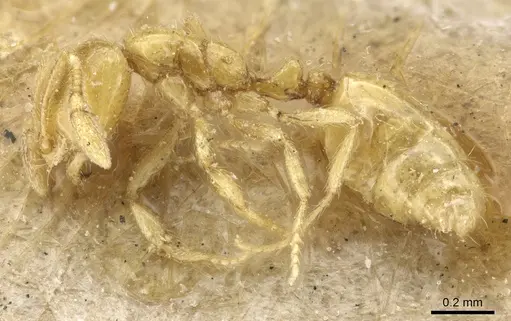
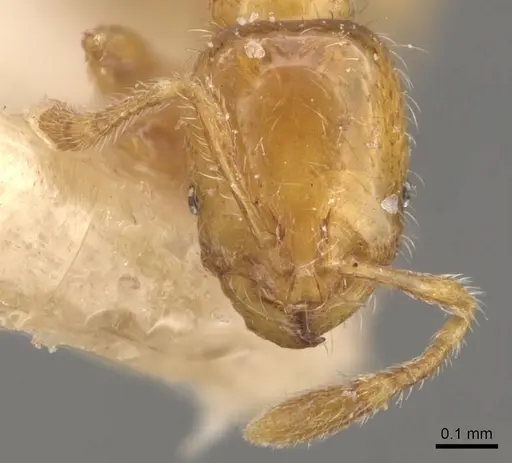
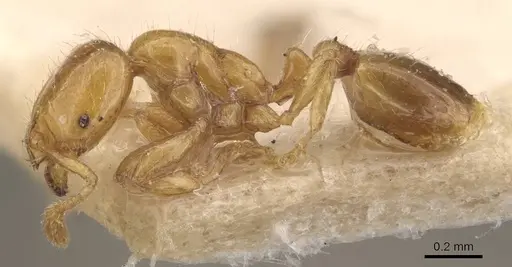
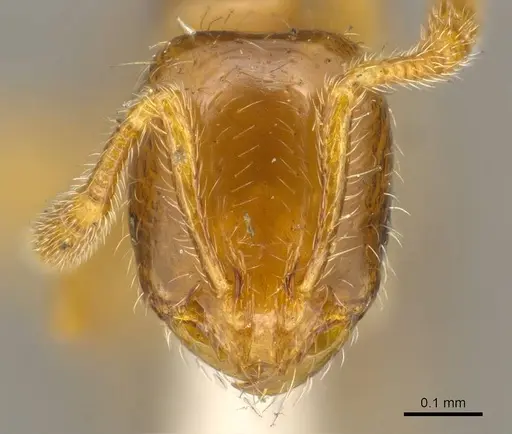
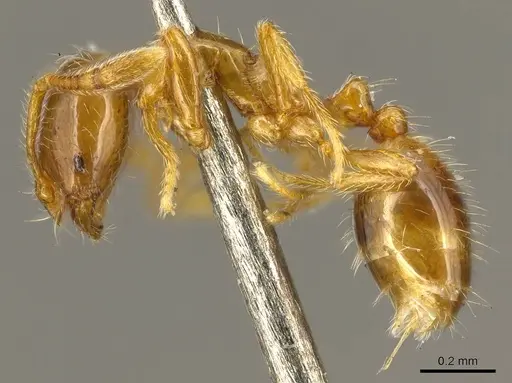
Solenopsis helena is a tiny thief ant belonging to the Solenopsis molesta species complex. Workers measure just 1.5-1.7mm and are pale yellow to light brown in color, while queens are moderately larger at around 4.5mm. This species is found across the Neotropical region including Chile, Brazil, Argentina, Guyana, Panama, and Paraguay. They get their 'thief ant' name from their habit of stealing food from other ant colonies through lestobiosis, infiltrating other nests to raid their food stores [1]. In the wild, they nest in hollow twigs and plant stems, including the petioles of young Tachigalia plants [2].
What makes S. helena interesting is its dual nature, it's a widespread species across South America that thrives in urban environments in southern Brazil, where it's characterized as dominant, omnivorous, and generalist [3]. However, in its native Chile, it's an endemic species found only in specific locations like Cerro el Roble near Santiago [4][1]. This contrast between urban adaptability and restricted distribution makes it a fascinating species to keep.
Quick Summary
- Difficulty: Medium
- Origin & Habitat: Neotropical region, found in Chile, Brazil, Argentina, Guyana, Panama, and Paraguay. In Chile, found in the Santiago area and Cerro el Roble. In Brazil, found in urban environments in southern states (Abelardo Luz, Chapecó, Pinhalzinho) and São Paulo [3][1]. Nests in hollow twigs and plant stems [2].
- Colony Type: Likely single-queen colonies (monogyne) based on typical Solenopsis patterns, though colony structure has not been specifically documented for this species.
- Colony: Monogyne
- Founding: Claustral
- Size & Growth:
- Queen: Approximately 4.5mm
- Worker: 1.5-1.7mm
- Colony: Unknown, likely moderate-sized colonies typical of thief ants
- Growth: Unknown, likely moderate based on related species
- Development: Estimated 6-8 weeks based on typical Solenopsis development at warm temperatures (Development time is inferred from related species in the genus, specific data for S. helena is not available)
- Antkeeping:
- Temperature: Keep at 24-28°C, these are Neotropical ants that prefer warm conditions. A heating cable on one side of the nest creates a suitable gradient.
- Humidity: Moderate humidity around 50-70%. These ants nest in plant stems which can dry out, so occasional misting or a water reservoir in the nest setup helps maintain appropriate moisture levels.
- Diapause: Unlikely, as a tropical/subtropical species, they probably do not require a winter dormancy period. However, slight temperature reduction during winter months may be beneficial.
- Nesting: In captivity, they do well in small test tube setups or Y-tong nests with narrow chambers scaled to their tiny size. Their natural nesting in hollow twigs suggests they prefer tight, enclosed spaces. Avoid large, open areas.
- Behavior: Solenopsis helena is a thief ant, they are specialized foragers that steal food from other ant colonies. Workers are small but active and can squeeze through very tiny gaps. They are generally non-aggressive toward humans but will defend their nest. Escape prevention is critical due to their minute size, use fine mesh and tight-fitting barriers. They are omnivorous and will accept various food sources [3].
- Common Issues: escape prevention is critical due to their tiny 1.5mm size, they can squeeze through standard test tube cotton if not properly sealed, slow colony growth may frustrate beginners, these are small ants that take time to establish, thief ants may struggle in captivity if adequate protein sources aren't available, they prefer live prey, test tube setups can dry out quickly, monitor moisture levels regularly, wild-caught colonies may carry parasites that can decimate the colony in captivity
Housing and Nest Setup
Solenopsis helena requires careful housing due to its extremely small size. Workers measure only 1.5-1.7mm, making them one of the smaller ant species kept in captivity. Use test tubes with cotton barriers or Y-tong (AAC) nests with chambers scaled to their tiny dimensions. The natural nesting habit of hollow twigs and plant stems suggests they prefer tight, enclosed spaces rather than open areas [2].
For founding colonies, a simple test tube setup works well, fill one end with water reservoir and plug with cotton, then add the queen. The tight fit of the cotton prevents escapes while maintaining humidity. As the colony grows, you can transition to a small formicarium or continue with modified test tube setups. Whatever you choose, ensure all connections and openings are sealed with fluon or other barrier methods, these tiny ants will find any gap.
Feeding and Diet
As thief ants, Solenopsis helena is omnivorous but shows a preference for protein sources. In the wild, they steal food from other ant colonies through lestobiosis, infiltrating nests to access brood and stored food [1]. In captivity, offer small live prey like fruit flies, springtails, and pinhead crickets. They will also accept sugar sources such as honey water or sugar water, especially after the colony establishes.
Feed small protein items 2-3 times per week, removing any uneaten prey within 24 hours to prevent mold. Keep a constant supply of sugar water available once workers are active. The small size of workers means even tiny prey items are substantial meals, adjust portion sizes accordingly. Their urban adaptability in Brazil suggests they can accept a varied diet [3].
Temperature and Climate
Being a Neotropical species from Chile, Brazil, Argentina, and surrounding countries, Solenopsis helena prefers warm temperatures in the range of 24-28°C. In their native Chile, they are found in the Santiago metropolitan area and surrounding regions with Mediterranean-type climates [1]. Maintain a stable temperature within this range for optimal colony health and brood development.
Use a heating cable or heating mat on one side of the nest to create a temperature gradient, allowing ants to regulate their own exposure to warmth. Avoid temperatures below 20°C for extended periods, as this may stress the colony. Unlike temperate species, they likely do not require a winter diapause period, though a slight temperature reduction during winter months is acceptable.
Behavior and Colony Dynamics
Solenopsis helena exhibits typical thief ant behavior, they are secretive, small, and specialized for exploiting other ant colonies' resources. Workers are active foragers but remain inconspicuous due to their tiny size. The colony will establish a central nest and send out foragers to locate food sources.
Queens are moderately large at 4.5mm and likely claustral founders, they seal themselves in a chamber and raise the first brood without leaving to forage. The first workers (nanitics) will be smaller than mature workers but quickly grow as the colony expands. Colonies grow gradually over time, with worker numbers increasing over several months to years. [2]
Escape Prevention
Escape prevention is absolutely critical for Solenopsis helena due to their minute 1.5mm worker size. Standard barriers that work for larger ants will fail with these tiny ants. Apply fluon or similar barriers to all tank edges, use fine mesh (at least 0.5mm or smaller) for any ventilation openings, and ensure all connections between nest and outworld are tightly sealed.
Check enclosures daily during the founding phase and regularly thereafter. Even small gaps around tubing connections can allow escapes. When feeding, use entrance guards or carefully timed feeding sessions to minimize escape opportunities during outworld access.
Common Challenges
The primary challenges with keeping Solenopsis helena relate to their small size and specific needs. Colonies grow slowly, which can frustrate keepers expecting rapid expansion. Their preference for stealing from other ants means they may be outcompeted in multi-species setups if housed with more aggressive species.
Watch for signs of stress including workers clustering at the nest entrance, refusal of food, or unusual inactivity. Stress often results from temperature fluctuations, improper humidity, or inadequate protein in the diet. Maintaining stable conditions and providing varied, appropriate food typically prevents most issues. Wild-caught colonies may arrive with parasites, quarantine and monitor new colonies carefully. [3]
Frequently Asked Questions
Can I keep Solenopsis helena in a test tube?
Yes, test tubes work well for founding colonies. Use cotton barriers and ensure a tight seal, these tiny 1.5mm ants can squeeze through small gaps. A water reservoir with cotton wick maintains humidity. Transfer to a larger setup only when the colony reaches several hundred workers.
How long does it take for Solenopsis helena to produce first workers?
First workers typically appear 6-8 weeks after the queen lays eggs, based on typical Solenopsis development patterns. The exact timeline for S. helena has not been documented, so this is an estimate. Temperature affects development speed, warmer temperatures within their 24-28°C range speed up development.
What do Solenopsis helena ants eat?
They are omnivorous thief ants that prefer protein. Offer small live prey like fruit flies, springtails, and tiny crickets. They also accept sugar sources like honey water and sugar water. In the wild, they steal food from other ant colonies through lestobiosis [1].
Are Solenopsis helena good for beginners?
They are rated as medium difficulty. While not the easiest species, their small size and specific requirements make them better suited for keepers with some experience. The critical escape prevention needs and slow growth may challenge complete beginners, but those familiar with test tube setups should manage well.
How big do Solenopsis helena colonies get?
Colony size is not well documented, but based on related species, colonies likely reach several hundred workers over time. Their urban adaptability in Brazil suggests colonies can thrive in varied conditions [3]. Growth is gradual, expect several months to reach 50+ workers.
Do Solenopsis helena need hibernation?
Probably not. As a Neotropical species from tropical and subtropical regions, they likely do not require a winter dormancy period. However, a slight temperature reduction during winter months (reducing to around 20-22°C) is acceptable and may help simulate natural seasonal cycles.
Why are my Solenopsis helena escaping?
Their tiny 1.5mm size means they can escape through gaps that larger ants cannot. Apply fluon barriers to all edges, use fine mesh for ventilation, and seal all connections tightly. Check daily for any gaps, especially around tubing and nest connections.
When should I move Solenopsis helena to a formicarium?
Wait until the colony has at least 100-200 workers and the test tube setup becomes crowded. These small ants do well in compact setups, a small Y-tong or acrylic nest with appropriately sized chambers works well. Avoid moving too early as it can stress the colony.
What temperature do Solenopsis helena need?
Keep them at 24-28°C. Use a heating cable on one side of the nest to create a gradient. Avoid temperatures below 20°C for extended periods. Their native range includes warm regions of South America, so they thrive in warm conditions.
References

This caresheet is licensed under CC BY-SA 4.0 .
CASENT0178146
View on AntWeb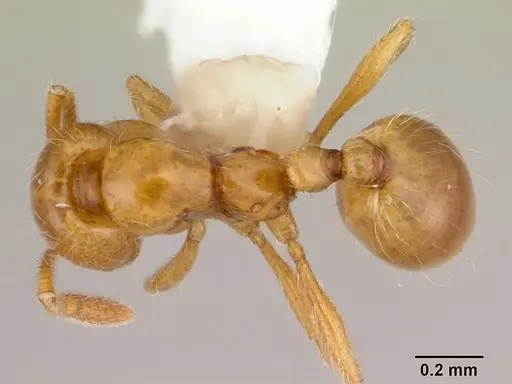
CASENT0902339
View on AntWeb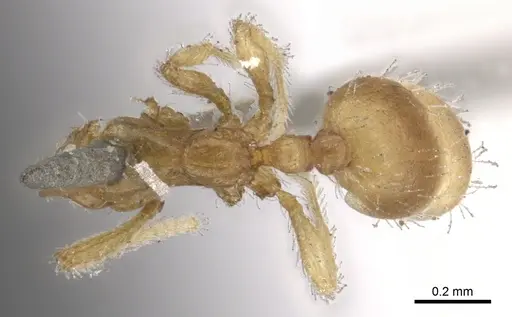
CASENT0904630
View on AntWeb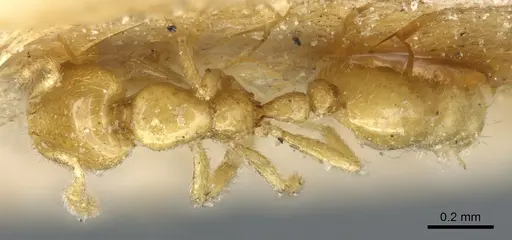
CASENT0908835
View on AntWeb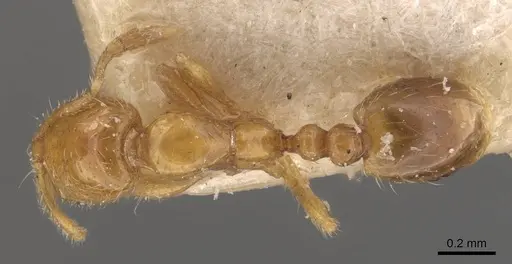
CASENT0908848
View on AntWeb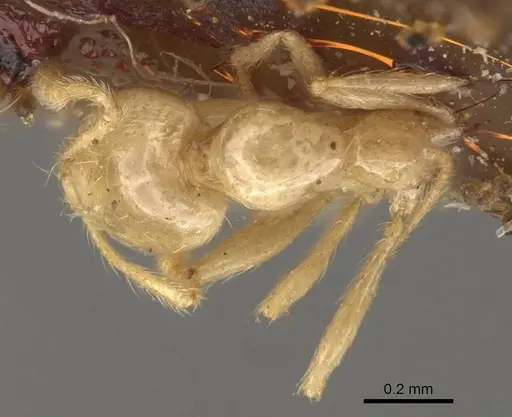
CASENT0916024
View on AntWeb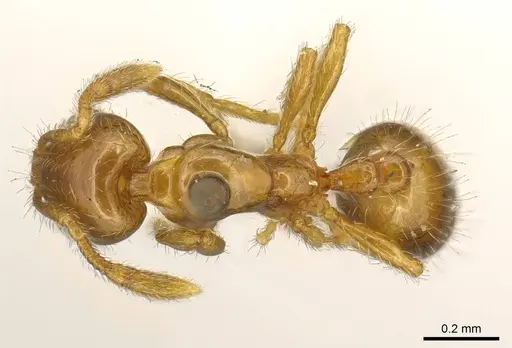
Literature
Loading...Loading products...