Solenopsis clytemnestra - "Thief Ant (a species within the 'thief ant' group)"
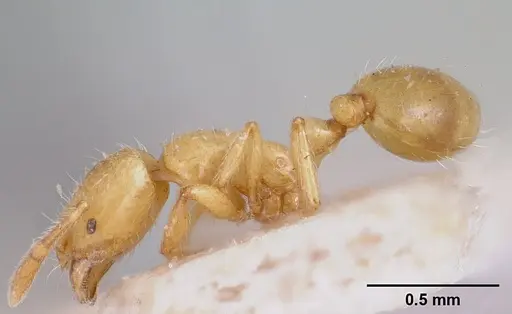
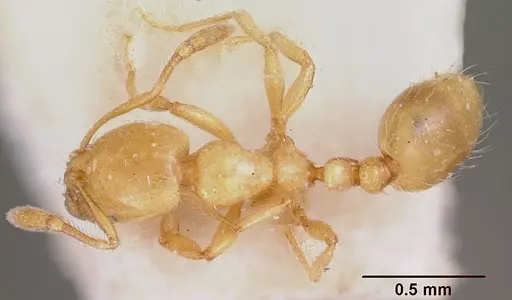
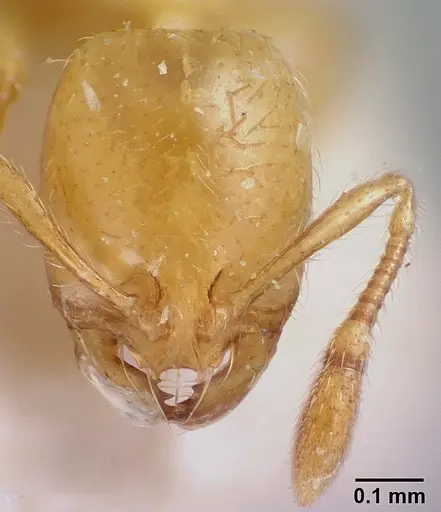
Solenopsis clytemnestra is a New World ant species belonging to the 'thief ant' group within the genus Solenopsis. Workers are typically small to moderate sized, ranging from 1.56 to 2.01 mm in total length, and can vary in color from yellow to dark brown, though most are yellowish. They are characterized by a well-developed clypeal carina and small, angulate lateral clypeal teeth, along with small eyes. Queens are moderately large, around 4.6 mm, and golden brown. A distinguishing feature of this species is its large propodeal spiracle and robust petiolar node. These ants are known for their lestobiotic lifestyle, meaning they often live within the nests of other ant species, 'thieving' their brood and food.
- Difficulty: Medium
- Origin & Habitat: South America (Brazil, Argentina, Paraguay, Bolivia) in Wet subtropical forests, shaded lawns, pastures, humid subtropical medium and tall forests, campo cerrado edges, and cloud forests. They can be found nesting in twigs, sticks, and leaf litter, or in the soil, sometimes without an obvious entrance hole..
- Colony Type: Monogyne (single queen) or Polygyne (multiple queens) is possible within the Solenopsis genus, but specific information for S. clytemnestra is limited. Some Solenopsis species are known to be polygynous., claustral. queens seal themselves in a chamber to raise their first brood. founding.
- Size & Growth:
- Queen: 4.6mm+
- Worker: 1.56-2.01mm
- Colony: Small to Medium (most smaller Solenopsis species form small colonies, but specifics for S. clytemnestra are not readily available. Some Solenopsis species can form very large colonies, but these are typically the 'fire ants' rather than 'thief ants'.). Medium (While specific data for S. clytemnestra is limited, other Solenopsis species, particularly 'fire ants', are known for fast growth rates once established.) growth.
- Antkeeping:
- Temperature: Maintain temperatures between 22-26°C for optimal activity and brood development. They can tolerate slightly warmer conditions, but stable temperatures are best..
- Humidity: The nest should have a good humidity gradient, typically 60-80%. They are found in humid environments..
- Diapause: Not required. Not specified at Not specified.
- Nesting: These ants prefer nesting in soil, twigs, or leaf litter. For captive setups, a naturalistic setup with substrate is ideal, but they can also adapt to test tubes and acrylic nests if humidity is maintained..
- Behavior: Medium (towards other ants/prey; low towards handler unless provoked) aggressiveness.
- Common Issues: Escape artists, Humidity fluctuations, Colony stalling if diet is insufficient, Difficulty observing due to small size.
Solenopsis clytemnestra, being a 'thief ant' (or lestobiotic) species, has unique natural behaviors that set them apart. In the wild, they are known to inhabit the nests of other ant species, pilfering their brood and food. This behavior presents a fascinating challenge for antkeepers, as replicating this specific interaction in a captive environment can be complex and might not be advisable. Instead, focus on providing a stable and rich environment that caters to their omnivorous diet and preference for varied nesting substrates.
Given their small size, Solenopsis clytemnestra workers are quite adept at escaping. Secure setups are paramount to prevent breakouts. Ensure your formicarium has no gaps or cracks, and consider using barriers like Fluon or talcum powder on the edges of the outworld. Their tiny stature means they can squeeze through openings you might not even perceive as a risk, so double-checking your enclosure regularly is a must.
While not typically considered 'fire ants' in the aggressive sense of species like Solenopsis invicta, Solenopsis clytemnestra, like many Solenopsis species, can sting. Though their sting might be less potent than their infamous cousins, it's still best to handle them with care and avoid direct contact. Always wear gloves when performing maintenance or feeding, especially with larger colonies, to minimize the risk of stings.
These ants, like many Solenopsis species, are generalist foragers and will accept a wide variety of food. Providing a diverse diet of sugars (like honey or sugar water) and proteins (such as small insects or feeder insects) is crucial for a thriving colony. Observing their foraging behavior and adjusting food offerings based on their preferences can significantly contribute to their well-being and growth. Ensure any feeder insects are cut into manageable pieces for their small size.
Frequently Asked Questions
What kind of nest is best for Solenopsis clytemnestra?
For these fascinating thief ants, a versatile setup is key. While they naturally prefer nesting in soil, twigs, or leaf litter in their wild South American habitats, a good antkeeper can adapt to their needs. We recommend offering a naturalistic formicarium with a deep substrate layer that allows them to tunnel. Alternatively, if you're keen on observation, a carefully designed acrylic nest with good humidity control can work well. Remember, they are tiny, so ensuring the nest is escape-proof is paramount! Test tubes are excellent for founding colonies and smaller setups.
What do Solenopsis clytemnestra eat?
Solenopsis clytemnestra are opportunistic omnivores, just like many ants! Their diet in the wild consists of stealing brood and food from other ant species, so in captivity, a varied diet is best. Offer a mix of sugary foods like diluted honey or sugar water, and protein sources such as small, pre-killed insects (like fruit flies, small mealworms, or roaches). You might also find they enjoy seeds. Observe what they take most readily, as their preferences can sometimes surprise you! Make sure to cut larger prey into small, manageable pieces for their workers.
Are Solenopsis clytemnestra aggressive?
When it comes to aggression, Solenopsis clytemnestra falls into a moderate category. They are known to be quite aggressive towards other ant species, especially when 'thieving' from their nests. However, towards their keeper, they are generally less aggressive unless directly provoked or if their nest is disturbed. It's still wise to exercise caution, as they do possess a sting, which can be irritating, though typically less potent than the well-known fire ants.
How fast do Solenopsis clytemnestra colonies grow?
While specific growth rates for Solenopsis clytemnestra can vary, the Solenopsis genus as a whole is generally known for relatively fast colony growth once they get established. After the initial founding stage where the queen raises her first workers, the colony can experience a noticeable boom in numbers. Providing consistent food, appropriate temperature, and humidity will help facilitate healthy colony expansion.
Do Solenopsis clytemnestra sting?
Yes, Solenopsis clytemnestra workers can sting. Like other members of the Solenopsis genus, they have a reputation for their sting. While perhaps not as painful or notorious as the 'fire ants' like Solenopsis invicta, their sting can still cause discomfort. Always handle your setup with care to avoid being stung, especially as the colony grows larger.
What is the ideal temperature and humidity for Solenopsis clytemnestra?
To keep your Solenopsis clytemnestra thriving, aim for a consistent temperature range between 22-26°C. They originate from subtropical regions, so warmth is appreciated. For humidity, maintain a gradient within their nest, ideally around 60-80%. This helps with brood development and overall colony health. Providing a moisture source like a damp cotton or hydration system in their nest is crucial.
Do Solenopsis clytemnestra need diapause (hibernation)?
Information on diapause requirements for Solenopsis clytemnestra specifically is not widely available, but given their South American subtropical origins, they may not require a true diapause in the same way temperate species do. However, a slight cool-down period during their less active season in nature might be beneficial to mimic natural cycles. Observing your colony's behavior will be your best guide.
Are Solenopsis clytemnestra good for beginner antkeepers?
Solenopsis clytemnestra can be a 'Medium' difficulty species for antkeepers. While not as challenging as some expert-level ants, their small size makes them escape artists, which can be frustrating for new keepers. Their sting also requires careful handling. If you're a beginner looking for a Solenopsis species, you might want to research 'thief ants' generally, as they offer unique behaviors but come with their own set of considerations. Ensure you're prepared for proper containment and feeding.
How big do Solenopsis clytemnestra colonies get?
While specific figures for Solenopsis clytemnestra are not well-documented, many smaller Solenopsis species, which include 'thief ants,' form modest-sized colonies compared to the massive supercolonies of fire ants. However, a healthy colony can still reach thousands of workers over time, providing a bustling display for the dedicated antkeeper.
Can Solenopsis clytemnestra chew through different nest materials?
The genus Solenopsis is known for its ability to chew through certain materials. While specific data for Solenopsis clytemnestra is limited, some larger Solenopsis species can chew through softer materials. To be safe, it's generally recommended to use hard materials like acrylic, glass, or dense Ytong/Hebel for their nests to prevent escape. If using natural materials, ensure they are solid and free of weak points.