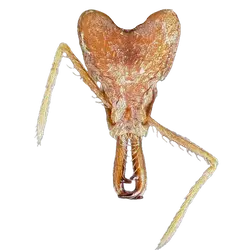
Strumigenys epinotalis - "Arboreal Strumigenys"
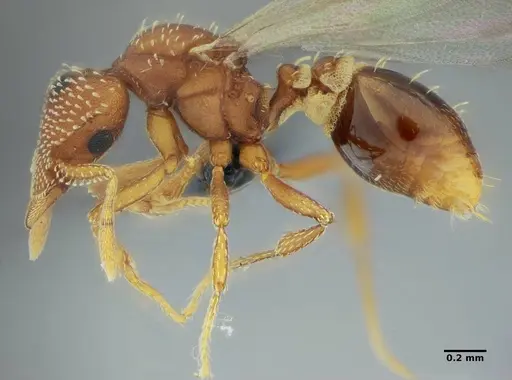
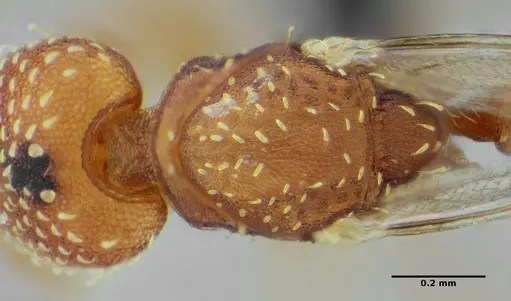
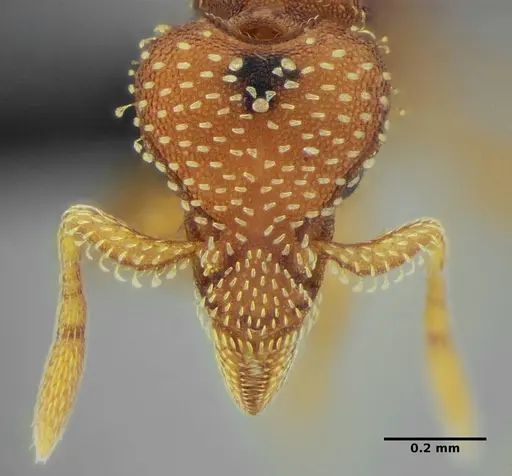
Strumigenys epinotalis is a minute, cryptic ant species. Workers are characterized by their reddish-brown color, six-segmented antennae, and triangular mandibles with distinct dentition. They possess specially modified hairs on their body, which can be clavate or spoon-shaped, and usually have spongiform tissue below the petiole and postpetiole. Queens are slightly larger than workers, also reddish-brown. These ants are known for their arboreal lifestyle, often nesting in epiphytes or tree cavities. They are specialized predators of small arthropods.
- Difficulty: Hard
- Origin & Habitat: Neotropical regions, including Brazil, Costa Rica, Ecuador, Mexico, and recently found in the southern US (Alabama, Florida, Louisiana, Mississippi). in Primarily wetland forest habitats, such as cypress-tupelo swamps, and often found arboreally within trees, including epiphytes and tree cavities..
- Colony Type: Monogyne, claustral founding.
- Size & Growth:
- Queen: 1.9-1.95mm
- Worker: 1.9-1.95mm
- Colony: Small (dozens to a few hundred). Slow growth.
- Antkeeping:
- Temperature: Maintain temperatures between 24-28°C (75-82°F) to mimic their natural tropical and subtropical environment. Consistency is key for their well-being..
- Humidity: High humidity is crucial, ideally between 80-95%, given their preference for swampy and arboreal, moist habitats. A gradient is beneficial for the colony..
- Diapause: Not required. Not specified at Not specified.
- Nesting: Due to their arboreal nature and small size, a nest that mimics tree cavities or epiphytes is ideal. Small, naturalistic setups like cork bark nests or small acrylic nests with fine mesh are suitable. Consider incorporating pieces of decaying wood or plant fibers within the nest to replicate their natural nesting material. Given their cryptic nature, a naturalistic setup will also make observing them easier..
- Behavior: Low (towards handler, food or other ants) aggressiveness.
- Common Issues: Difficulty in providing appropriate live prey, Maintaining high, consistent humidity, Overfeeding leading to mold growth in the small nest, Lack of suitable arboreal nesting options, Stress from excessive disturbance.
Keeping Strumigenys epinotalis presents a unique challenge for any antkeeper. These tiny ants are primarily arboreal, meaning they prefer to live in trees, often within epiphytes or small cavities in the wood. This makes designing their formicarium quite different from typical ground-dwelling species. Replicating their natural microhabitat, which often involves high humidity and specific substrates like decaying wood or cork bark, is paramount to their long-term health and successful colony development. Don't expect them to thrive in a standard soil-based setup; think vertical and humid.
Their diet is highly specialized; Strumigenys species are known for being predatory, specifically hunting small arthropods like springtails (Collembola). This means providing a consistent supply of appropriately sized live prey is essential. They won't readily accept common feeder insects in pieces or sugary foods like honey dew. Sourcing and maintaining a healthy culture of springtails will be a continuous task, and their hunting behavior is fascinating to observe if you're patient enough to watch these minute predators in action.
Observation of Strumigenys epinotalis can be challenging due to their minute size and cryptic nature. They are not the type of ants that will be constantly scurrying around a large outworld. Expect them to be slow-moving and often hidden within their nest structure. Patience and magnification are key tools for any keeper hoping to appreciate their intricate behaviors and the unique spoon-shaped hairs that characterize them. Lighting should also be subdued to avoid stressing these shy creatures.
Colony growth for this species tends to be on the slower side, and their colonies are typically small, ranging from a few dozen to a couple of hundred workers. Don't anticipate a massive explosion of workers like you might see with some more common ant species. This slow growth rate requires a long-term commitment and a steady hand in providing consistent care without overfeeding or disturbing the delicate balance of their captive environment. Success with this species is measured in steady, gradual expansion rather than rapid proliferation.
User blogs will be displayed here.