

Solenopsis belisarius
- Scientific Name
- Solenopsis belisarius
- Tribe
- Solenopsidini
- Subfamily
- Myrmicinae
- Author
- Forel, 1907
- Distribution
- Found in 1 countries
Solenopsis belisarius Overview
Solenopsis belisarius is an ant species of the genus Solenopsis. It is primarily documented in 1 countries , including Australia. Detailed taxonomic data and occurrence records can be further explored via authoritative databases such as AntWeb or the Global Biodiversity Information Facility (GBIF).
Solenopsis belisarius
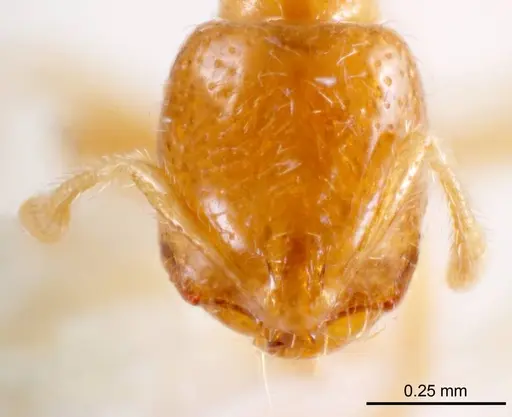
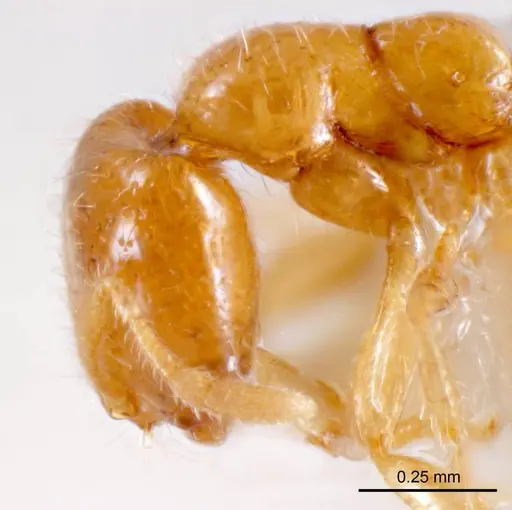
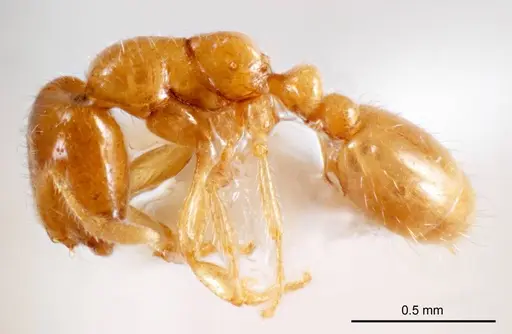
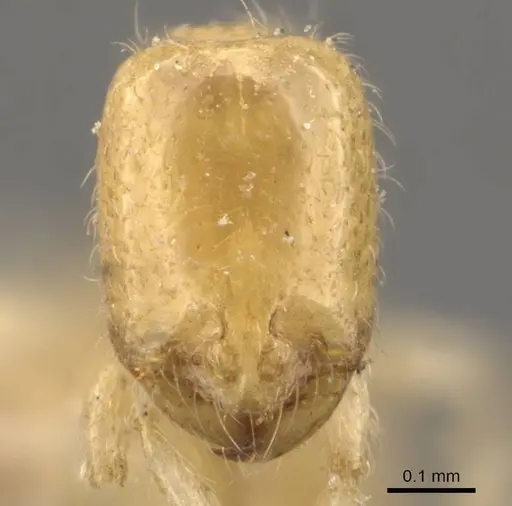
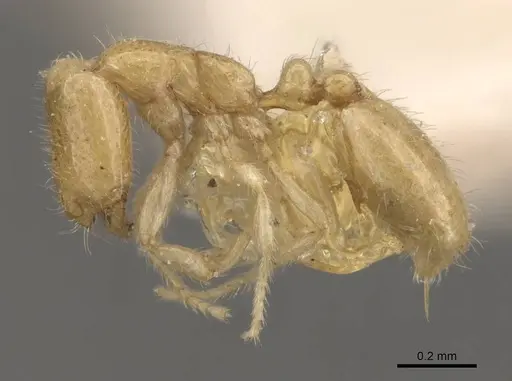
Solenopsis belisarius is a small to medium-sized ant species belonging to the Myrmicinae subfamily, native to Western Australia [1]. Workers measure approximately 2-5mm, with queens significantly larger. This species is restricted to the mid-north regions of Western Australia, particularly around Geraldton and Carnarvon [1]. The genus Solenopsis is well-known for its members' ability to deliver painful stings, and this species is no exception, they possess a functional stinger in the Solenopsidini tribe. In dorsal view, the posterolateral spines of the promesonotal shield are the most prominent features [2]. These ants are predatory and scavenging, typical of the fire ant genus, and are adapted to Australia's arid to semi-arid conditions.
Quick Summary
- Difficulty: Medium
- Origin & Habitat: Western Australia, restricted to the mid-north regions around Geraldton and Carnarvon in arid to semi-arid habitats [1][2].
- Colony Type: Colony structure is unconfirmed. Based on typical Solenopsis patterns, likely monogyne (single queen) with potential for ergatoid replacement reproductives.
- Colony: Monogyne
- Founding: Claustral
- Size & Growth:
- Queen: Approximately 6-8mm (estimated based on genus patterns)
- Worker: 2-5mm [2]
- Colony: Likely several hundred workers based on typical Solenopsis colony sizes
- Growth: Moderate, based on related species development patterns
- Development: 6-10 weeks at optimal temperature (estimated based on genus patterns for Solenopsis species) (Development time estimated from related Solenopsis species, actual timing may vary)
- Antkeeping:
- Temperature: Keep at 24-28°C, they prefer warm conditions typical of their arid Australian habitat. A heating cable on one side of the nest can create a gradient [1].
- Humidity: Low to moderate, these ants come from arid regions of Western Australia. Keep the nest substrate relatively dry with occasional moisture zones. Allow the substrate to dry between waterings [1].
- Diapause: Likely a mild winter rest period (2-3 months at 10-15°C) based on temperate Australian distribution, similar to other Solenopsis species in similar climates [1].
- Nesting: In nature they nest in soil, often under stones or in disturbed ground. For captivity, a Y-tong (AAC) nest or test tube setup works well. They prefer compact chambers over spacious formicaria [1].
- Behavior: Solenopsis belisarius has a functional stinger and will use it defensively. They are aggressive foragers and will readily hunt small prey. Workers are active and will explore widely for food. Escape prevention is important as they are small and can squeeze through small gaps. They show typical fire ant behavior, efficient recruitment to food sources and territorial defense [1].
- Common Issues: stinger, they can sting and the pain is noticeable, handle with care, escape prevention, small size means they can escape through tiny gaps without fine mesh barriers, colonies can be sensitive to excessive moisture, keep nesting area relatively dry, wild-caught colonies may carry parasites that can cause colony failure, overheating can be fatal, avoid temperatures above 35°C
Housing and Nest Setup
Solenopsis belisarius can be kept in standard ant-keeping setups. A test tube setup works well for founding colonies, fill a test tube one-third with water, plug with cotton, and place the queen in the dark. For established colonies, a Y-tong (AAC) nest provides appropriate chamber sizes. These ants prefer tight, compact chambers rather than large open spaces. The nesting area should be kept relatively dry, avoid excessive moisture which can kill colonies. Use a water tower (test tube with water and cotton barrier) for the outworld to maintain humidity there without wetting the nest. Escape prevention is critical: use fluon on all rim edges and ensure any connections between formicarium sections are tight. A small outworld is sufficient as these ants don't need large foraging areas [1].
Feeding and Diet
Like other Solenopsis species, S. belisarius is an omnivorous predator. Offer protein sources such as small insects (fruit flies, pinhead crickets, mealworms), and they will readily scavenge. Sugar sources are also accepted, offer sugar water, honey, or diluted honey water in a small container. Feed every 2-3 days for established colonies, removing uneaten prey after 24 hours. For founding colonies, a small drop of honey water and occasional tiny prey items will sustain the queen until workers emerge. They are efficient foragers and will quickly recruit workers to food sources. A varied diet helps maintain colony health [1].
Temperature and Seasonal Care
These ants come from the arid mid-north of Western Australia and prefer warm conditions. Maintain nest temperatures between 24-28°C. A heating cable placed on one side of the nest can create a gentle gradient, allowing ants to self-regulate. Avoid temperatures above 35°C as this can be fatal. During winter (roughly November to February in the southern hemisphere), reduce temperatures to around 10-15°C for 2-3 months to simulate their natural seasonal cycle. This winter rest period helps maintain colony health and triggers reproductive behavior in spring. Do not feed during the coldest part of dormancy. Resume normal feeding when temperatures increase [1].
Behavior and Defense
Solenopsis belisarius possesses a functional stinger in the Solenopsidini tribe, this is one of the defining characteristics of fire ants in this group. When threatened, workers will readily sting. The sting causes a sharp, burning pain similar to other fire ant species. When working with this species, use caution and consider wearing gloves. They are aggressive foragers and will efficiently recruit nestmates to food sources through chemical trails. Workers are active throughout the day and will readily explore their environment. Colonies are moderately territorial and will defend their nest aggressively. The small worker size (2-5mm) means they can squeeze through surprisingly small gaps, excellent escape prevention is essential [1].
Colony Growth and Development
A newly mated queen will dig a small chamber and seal herself inside, this is claustral founding, typical of Solenopsis. She will lay eggs and raise the first brood alone, surviving on stored fat reserves. The first workers (nanitics) are typically smaller than mature workers but will immediately begin foraging to feed the colony. Growth rate is moderate, expect 6-10 weeks from egg to first worker at optimal temperature. Colony size will gradually increase over several months to a few years, eventually reaching several hundred workers. A mature colony will produce alates (reproductives) annually. Repletes (workers that store food in their gasters) may develop in well-fed colonies, another common Solenopsis trait [1].
Frequently Asked Questions
Does Solenopsis belisarius sting?
Yes, they have a functional stinger and will use it defensively. The sting causes a sharp, burning pain similar to other fire ants. Handle with care and use appropriate protection like gloves when working with the colony [1].
How long does it take for the first workers to emerge?
Expect 6-10 weeks from egg to first worker at optimal temperature (24-28°C). This is typical for Solenopsis species. The first workers (nanitics) will be smaller than mature workers but will immediately begin foraging [1].
Can I keep Solenopsis belisarius in a test tube?
Yes, test tubes work well for founding colonies. Use a standard test tube setup with a water reservoir and cotton barrier. Keep the tube in darkness and avoid disturbing the queen during claustral founding. Once workers emerge (usually 6-10 weeks), you can transition to a small formicarium if needed [1].
What do Solenopsis belisarius eat?
They are omnivorous predators. Offer small insects (fruit flies, pinhead crickets, mealworms) as protein, and sugar sources (honey water, sugar water) for carbohydrates. Feed every 2-3 days, removing uneaten prey after 24 hours [1].
Do Solenopsis belisarius need hibernation?
Yes, they benefit from a mild winter rest period of 2-3 months at 10-15°C. This mimics their natural seasonal cycle in Western Australia. Reduce feeding during this period and resume normal care when temperatures rise in spring [1].
Are Solenopsis belisarius good for beginners?
They are rated as medium difficulty. While relatively hardy once established, their small size and ability to sting make them better suited for keepers with some experience. Their escape prevention needs and temperature requirements require attention [1].
How big do colonies get?
Based on typical Solenopsis patterns, colonies likely reach several hundred workers over 1-3 years. Exact maximum size is unconfirmed for this specific species but similar Western Australian Solenopsis species typically plateau around 300-500 workers [1].
When should I move them to a formicarium?
Move from test tube to formicarium when the colony reaches roughly 30-50 workers and the test tube is becoming crowded. A Y-tong nest with small chambers works well. Ensure the formicarium has proper escape prevention as these small ants can slip through tiny gaps [1].
Can I keep multiple queens together?
This has not been documented for this species. Based on typical Solenopsis behavior, it is likely monogyne (single queen). Combining unrelated queens is not recommended as they may fight. If you find a queen, house her alone for best success [1].
Why are my ants dying?
Common causes include: excessive moisture (keep nesting area dry), temperatures above 35°C (provide ventilation and avoid direct heat), escape through small gaps (use fluon and fine mesh), parasites from wild-caught colonies, or disturbance during founding. Check that humidity, temperature, and escape prevention are appropriate [1].
References

This caresheet is licensed under CC BY-SA 4.0 .
ANTWEB1008716
View on AntWeb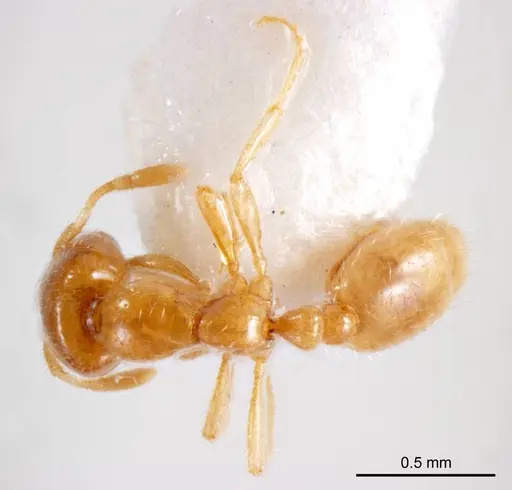
CASENT0908874
View on AntWeb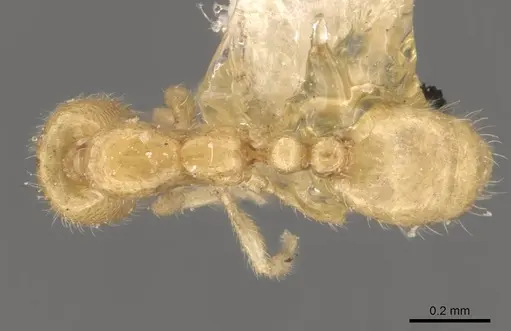
Literature
Loading...Loading products...