

Solenopsis basalis
- Scientific Name
- Solenopsis basalis
- Tribe
- Solenopsidini
- Subfamily
- Myrmicinae
- Author
- Forel, 1895
- Distribution
- Found in 5 countries
Solenopsis basalis Overview
Solenopsis basalis is an ant species of the genus Solenopsis. It is primarily documented in 5 countries , including Argentina, Bolivia, Plurinational State of. Detailed taxonomic data and occurrence records can be further explored via authoritative databases such as AntWeb or the Global Biodiversity Information Facility (GBIF).
Solenopsis basalis
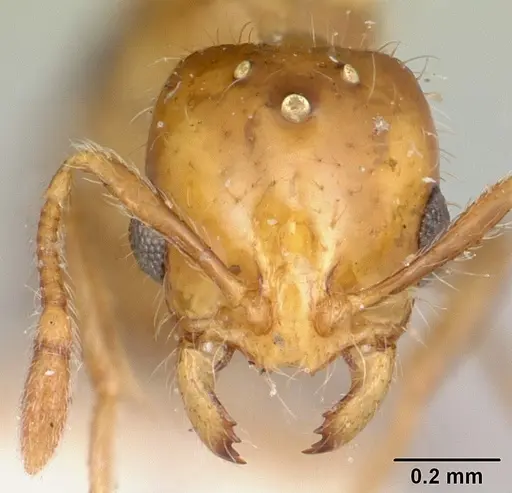
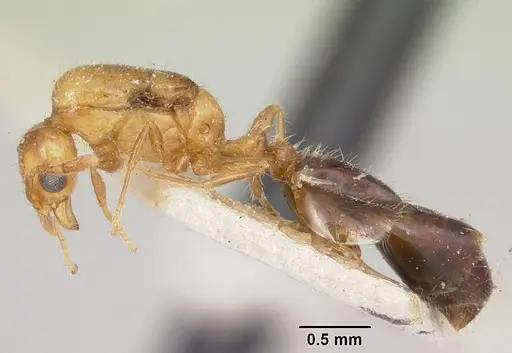
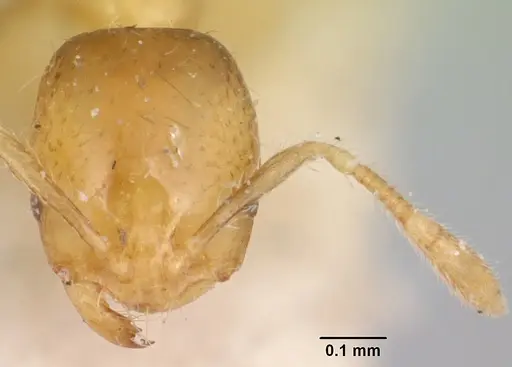
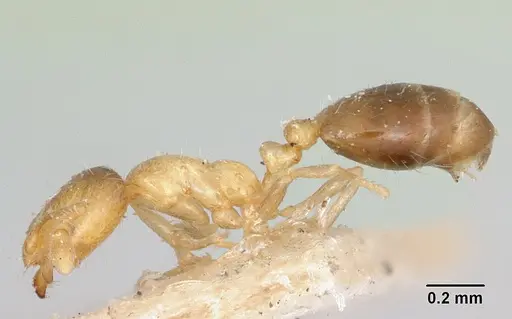
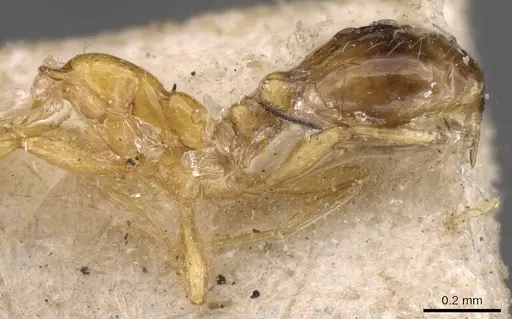
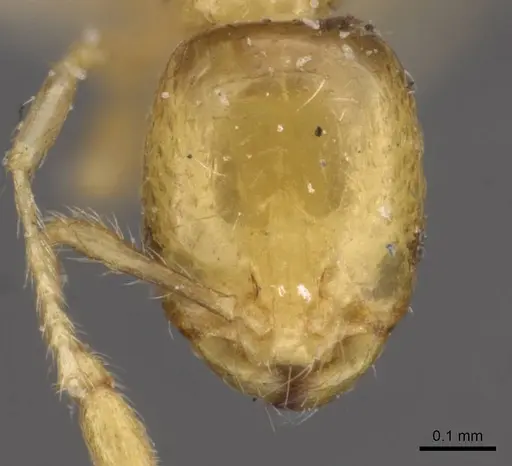
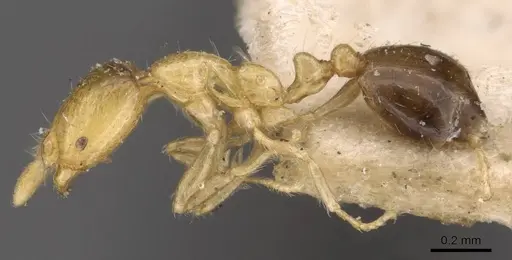
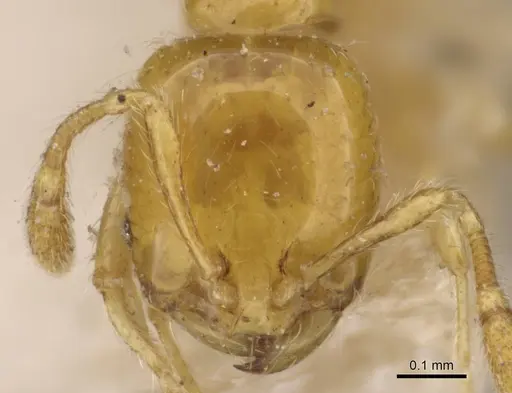
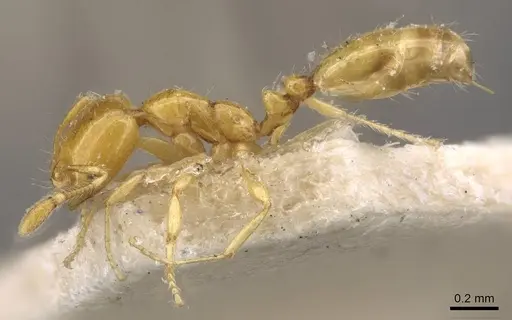
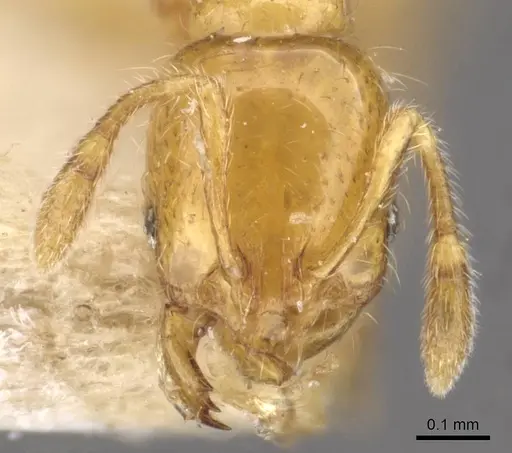
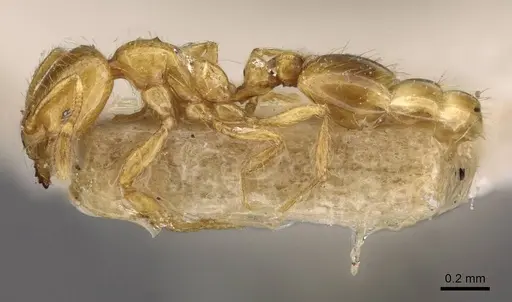
Solenopsis basalis is a tiny thief ant belonging to the Solenopsis molesta species complex. Workers measure just 1.44-1.92mm, making them one of the smaller ant species you'll encounter [1]. They are typically bicolored with a yellow head and mesosoma and a dark brown gaster, though some populations can be entirely yellow [1]. The species shows significant color variation across its range, which historically led to several synonyms being described [1]. Queens are considerably larger at 3.72-3.84mm and feature a golden brown body with a dark brown gaster [1]. These ants get their 'thief ant' name from their habit of nesting near other ant species and stealing brood and food from their nests [1].
Quick Summary
- Difficulty: Medium
- Origin & Habitat: Found in rainforests across Brazil and Argentina, with populations also in Bolivia's montane evergreen forests at elevations up to 2100m [1]. Also recorded in Colombia, Trinidad, and St. Vincent [1].
- Colony Type: Likely single-queen colonies based on typical Solenopsis patterns
- Colony: Monogyne
- Founding: Claustral
- Size & Growth:
- Queen: 3.72-3.84mm [1]
- Worker: 1.44-1.92mm [1]
- Colony: Unknown but likely several hundred workers based on related species
- Growth: Moderate, inferred from typical Solenopsis development
- Development: 6-8 weeks at optimal temperature, estimated based on genus patterns (Development time is typical for small tropical Solenopsis species)
- Antkeeping:
- Temperature: Keep at 22-26°C, they come from both lowland rainforests and high-elevation forest (2100m in Bolivia), so they tolerate a range but prefer warmth [1]
- Humidity: High humidity required, they live in rainforest litter. Keep substrate consistently moist but not waterlogged
- Diapause: No, being tropical/subtropical, they do not require hibernation
- Nesting: They nest in leaf litter and soil. A naturalistic setup with moist substrate or a small test tube setup works well. Their tiny size means they need tight chambers
- Behavior: Shy and non-aggressive by nature. They are thief ants, meaning they prefer to avoid confrontation and instead steal from other ant colonies. Workers are small and will flee from threats. Escape prevention is critical due to their tiny 1.5mm size, they can squeeze through remarkably small gaps. They are primarily ground-dwelling and forage in the substrate layer.
- Common Issues: escape prevention is critical due to their tiny 1.5mm size, they can squeeze through standard test tube barriers, colonies are slow to establish due to small colony size and shy foraging behavior, high humidity must be balanced with ventilation to prevent mold, wild-caught colonies may be stressed from collection and have high mortality, they are easily lost or killed due to their minute size, handle with extreme care
Housing and Nest Setup
Solenopsis basalis is an extremely small ant that requires careful housing choices. Test tubes work well for founding colonies, use a small diameter tube (around 10mm or less) since these ants are only 1.5mm tall. The water reservoir should be modest to prevent flooding, and you can add a small piece of cotton to create a proper humidity chamber. For established colonies, a naturalistic setup with moist soil or a small acrylic formicarium works well. The key is providing appropriately scaled chambers, what would be a small room for larger ants is a spacious hall for these tiny insects. Escape prevention is absolutely critical: even standard fluon barriers may need reinforcement, and you should check for gaps that seem impossibly small. These ants can and will escape through openings you wouldn't believe possible [1].
Feeding and Diet
As thief ants, Solenopsis basalis has typical Solenopsis dietary preferences, they are omnivorous and will collect protein, sugars, and lipids. In captivity, offer small protein sources like fruit flies, pinhead crickets, or tiny mealworms. Since their workers are only 1.5mm, prey items must be appropriately sized, what seems tiny to you is appropriately proportioned for them. They readily accept sugar water or honey as an energy source. Feed small amounts several times per week rather than large infrequent meals. Remove any uneaten prey after 24-48 hours to prevent mold issues in their humid setup. The key is offering appropriately-sized food, these ants cannot tackle large prey items [1][2].
Temperature and Humidity
These ants come from both Brazilian/Argentinian rainforests and high-elevation Bolivian forests at 2100m, suggesting they tolerate a range of conditions. Aim for temperatures in the 22-26°C range, warm but not hot. Room temperature (around 22-24°C) is typically ideal for this species. They require high humidity to thrive, matching their rainforest litter habitat. Keep the nest substrate consistently moist but not sitting in water. A humidity range of 70-85% works well. Balance humidity with adequate ventilation to prevent mold growth, which can quickly kill small colonies. If you see condensation constantly forming on the nest walls, increase ventilation slightly. A small water dish in the outworld can help maintain ambient humidity [1].
Colony Development
Queens measure 3.72-3.84mm and are considerably larger than workers at 1.44-1.92mm [1]. The founding process is claustral, the queen seals herself in a small chamber and raises her first workers (nanitics) entirely on her stored fat reserves. Initial colony growth is slow, as is typical for small Solenopsis species. Expect 6-8 weeks from egg to first worker at optimal temperature. Colonies likely reach several hundred workers at maturity based on related species in the molesta complex. Be patient with founding colonies, these small ants take time to build numbers, and overfeeding or disturbing the nest can cause the queen to abandon or eat her brood [1].
Behavior and Temperament
Solenopsis basalis is a shy, non-confrontational species. As thief ants, they avoid direct conflict and prefer to steal from other ant colonies rather than engage in territorial disputes. Workers are small and will readily flee from threats rather than fight. This makes them a peaceful colony to observe but also means they can be easily stressed or bullied if housed near more aggressive ant species. They are primarily ground-dwelling and spend most of their time foraging in the substrate layer. Workers move quickly despite their tiny size. Their small size also means they are vulnerable, even minor disturbances can be stressful. Handle their setup gently and avoid frequent nest inspections [1].
Frequently Asked Questions
How long does it take for Solenopsis basalis to raise first workers?
Expect 6-8 weeks from egg to first worker at optimal temperature (22-26°C). This is typical for small Solenopsis species. Founding colonies are slow to develop, so patience is essential [1].
Can I keep Solenopsis basalis in a test tube?
Yes, test tubes work well for founding colonies. Use a small diameter tube (around 10mm or less) since these ants are only 1.5mm tall. Ensure the water reservoir is modest to prevent flooding and add fluon or another barrier to prevent escape, these tiny ants can squeeze through remarkably small gaps [1].
What do Solenopsis basalis ants eat?
They are omnivorous. Offer small protein sources like fruit flies, pinhead crickets, or tiny mealworms appropriately sized for their 1.5mm workers. They also accept sugar water or honey. Feed small amounts several times per week and remove uneaten prey after 24-48 hours [1].
How big do Solenopsis basalis colonies get?
Colony size is not directly documented, but based on related species in the molesta complex, colonies likely reach several hundred workers at maturity. They are not among the largest Solenopsis species [1].
Do Solenopsis basalis need hibernation?
No, they do not require hibernation. Being from tropical and subtropical regions (Brazil, Argentina, Bolivia, Colombia), they are adapted to year-round warmth and should be kept at 22-26°C continuously [1].
Are Solenopsis basalis good for beginners?
They are moderate difficulty. While small and fascinating, their tiny size makes them challenging, escape prevention is critical and they are easily lost or stressed. They require more careful attention to housing than larger ant species. Expect slower colony growth than more common species [1].
Why are my Solenopsis basalis escaping?
Their tiny 1.5mm size means they can escape through gaps you wouldn't believe possible. Use fine mesh barriers, apply fluon to all edges, and check for any cracks or gaps around the setup. Even standard test tube barriers may need reinforcement for these minute ants [1].
What temperature is best for Solenopsis basalis?
Keep them at 22-26°C. They come from both lowland rainforests and high-elevation forests (up to 2100m in Bolivia), so they tolerate a range but prefer warmth. Room temperature is typically ideal [1].
References

This caresheet is licensed under CC BY-SA 4.0 .
CASENT0104998
View on AntWeb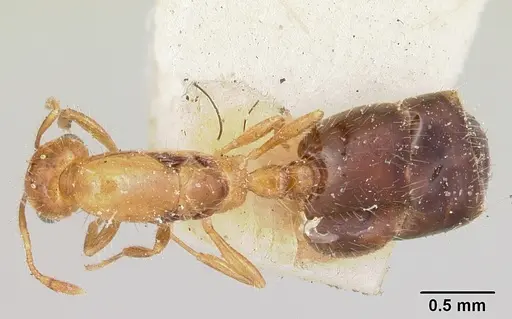
CASENT0104999
View on AntWeb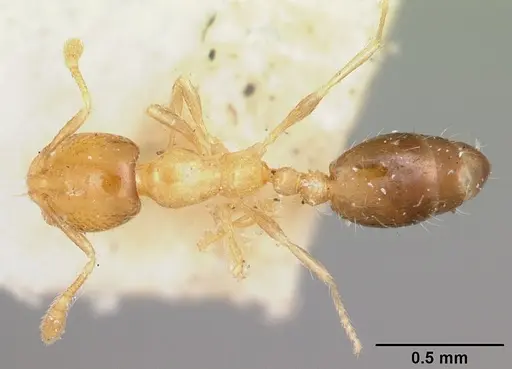
CASENT0908814
View on AntWeb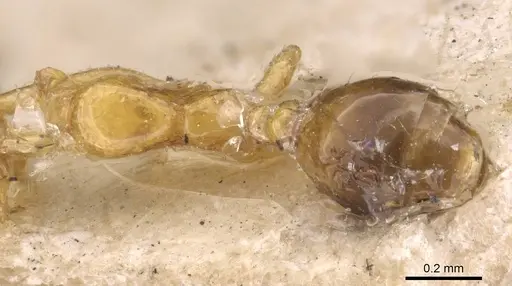
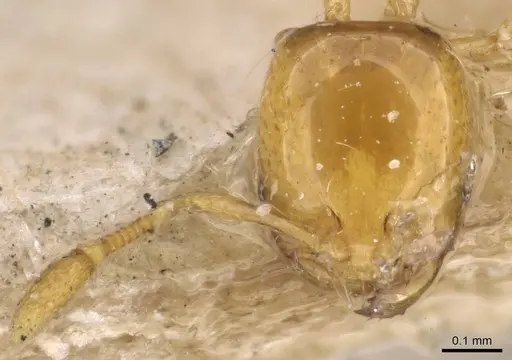
CASENT0908816
View on AntWeb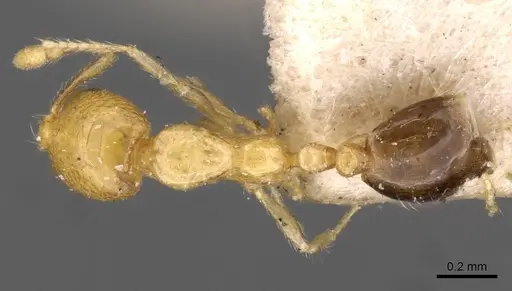
CASENT0908817
View on AntWeb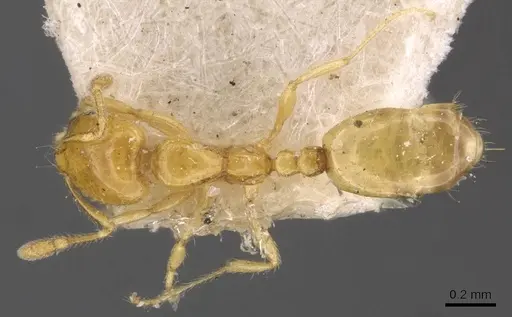
CASENT0908818
View on AntWeb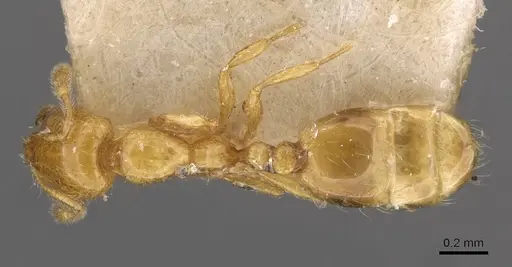
Literature
Loading...Loading products...