

Solenopsis abdita
- Scientific Name
- Solenopsis abdita
- Tribe
- Solenopsidini
- Subfamily
- Myrmicinae
- Author
- Thompson, 1989
- Distribution
- Found in 2 countries
Solenopsis abdita Overview
Solenopsis abdita is an ant species of the genus Solenopsis. It is primarily documented in 2 countries , including Saudi Arabia, United States of America. Detailed taxonomic data and occurrence records can be further explored via authoritative databases such as AntWeb or the Global Biodiversity Information Facility (GBIF).
Solenopsis abdita
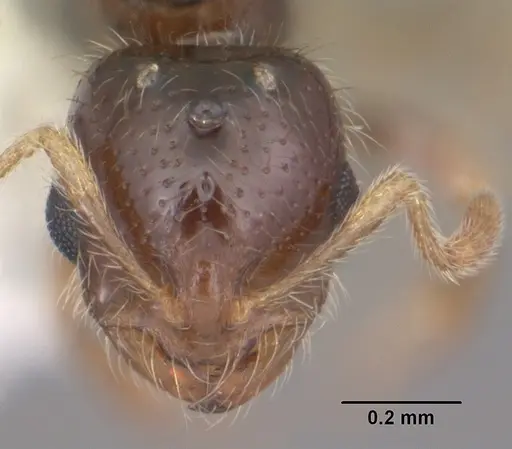
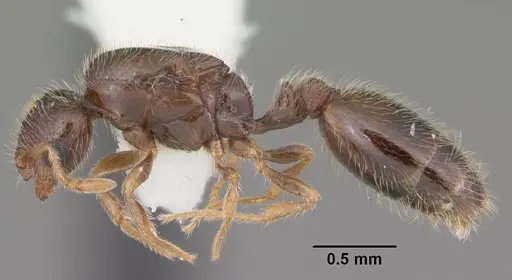
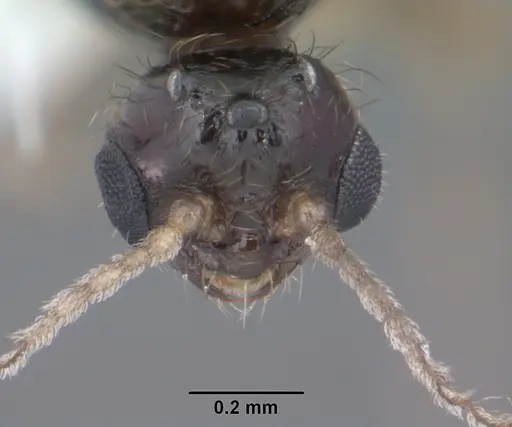
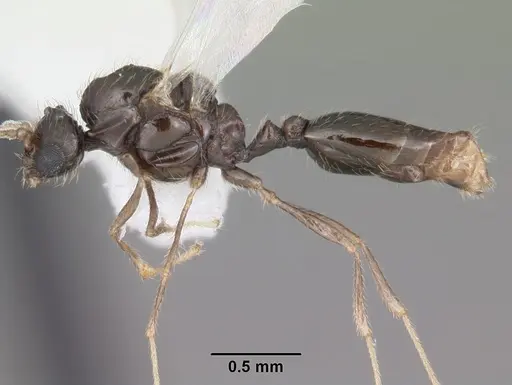
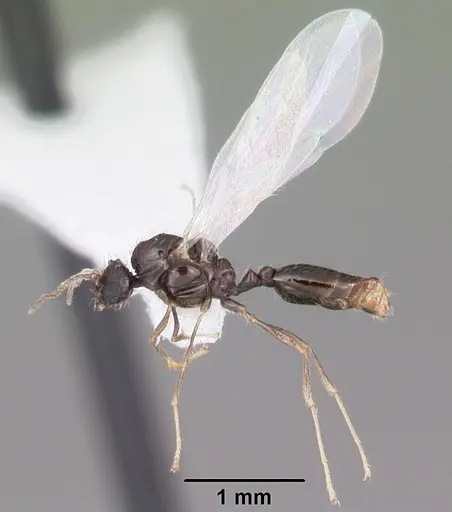
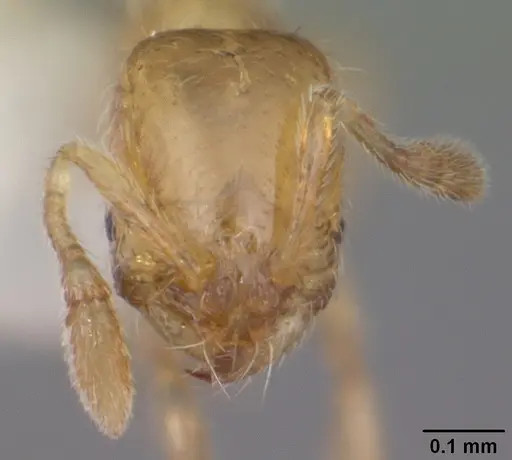
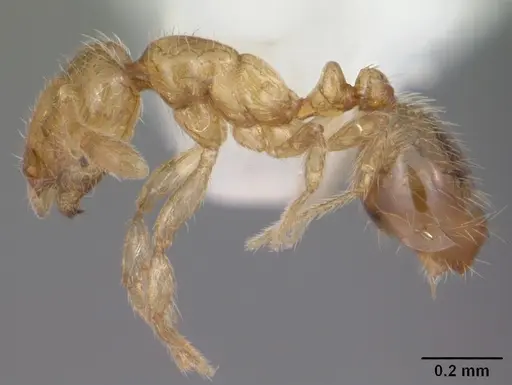
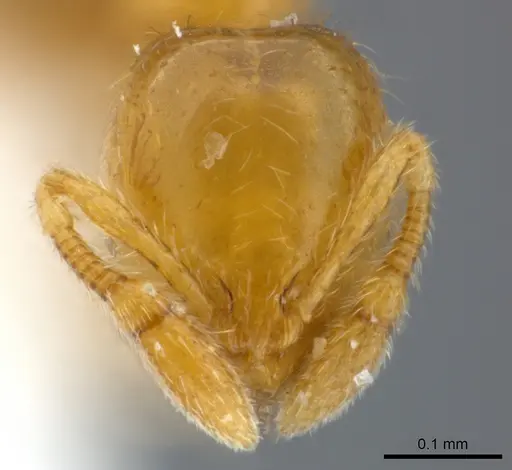
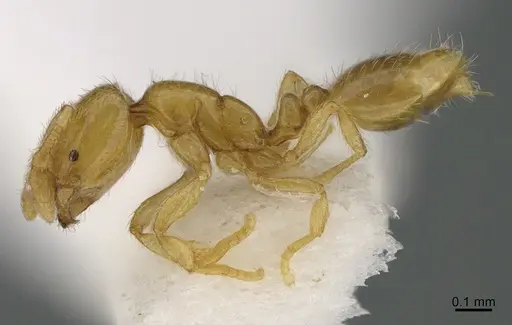
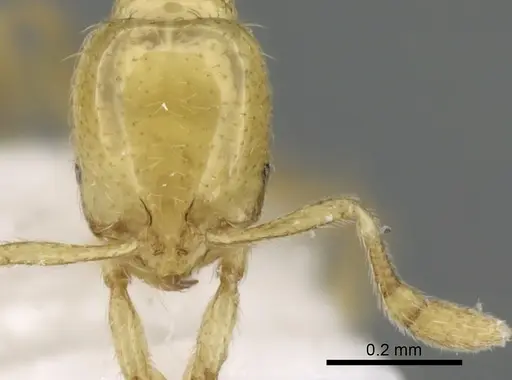
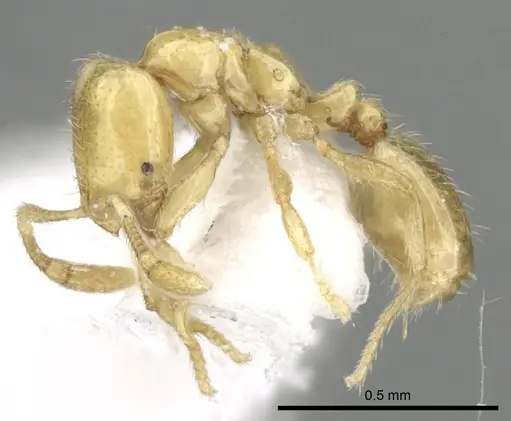
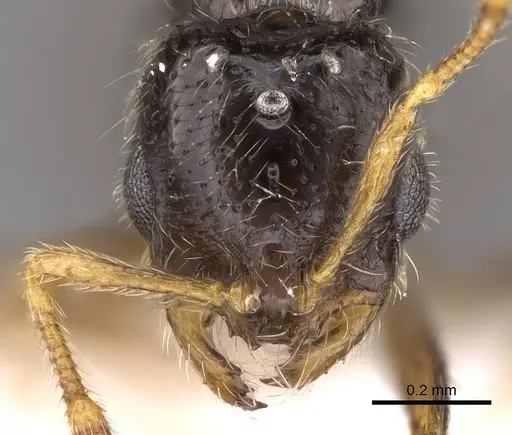
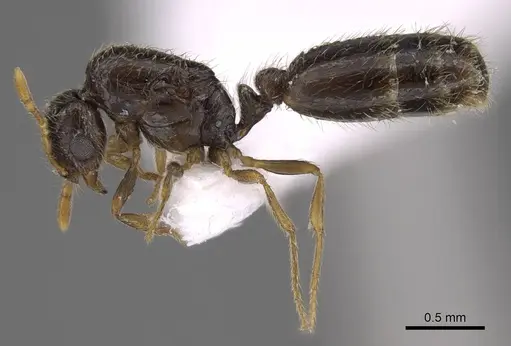
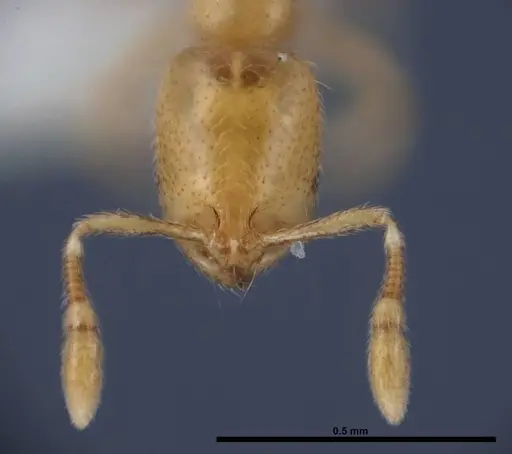
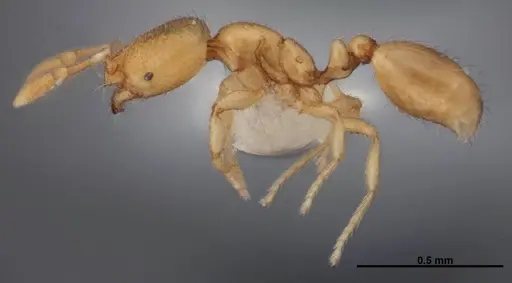
Solenopsis abdita is a tiny thief ant in the Solenopsis molesta species complex. Workers measure just 1.02-1.20mm and are a uniform golden yellow color, making them one of the smallest ant species in North America [1]. Their eyes are minute, with only 2-5 ommatidia, and they have distinctive two-pronged teeth on the front of the face [2]. Queens are significantly larger at 2.82-3.00mm and dark brown with yellow legs and antennae [1]. This species gets its common name from its habit of raiding the nests of other ant species to steal brood and food, a lestobiotic lifestyle where they associate closely with other ant colonies [2]. Originally described from Florida, this species has since been found in Saudi Arabia, Hawaii, and even Britain (in an artificially heated greenhouse), making it a truly global tramp species [3][2].
Quick Summary
- Difficulty: Easy
- Origin & Habitat: Native to Florida, USA. Found in moist habitats including swamp forests, rotten palm logs, pine oak forests, pine wetlands, and leaf litter at tree bases [1][2]. Also collected from sand pine scrub and grass tussocks in seasonal ponds.
- Colony Type: Polygynous, colonies can have multiple queens (8 queens documented in one wild colony) [1]. Multiple reproductive queens can coexist peacefully in the same container in captivity [1].
- Colony: Polygyne
- Founding: Claustral
- Size & Growth:
- Queen: 2.82-3.00 mm [1]
- Worker: 1.02-1.20 mm [1]
- Colony: Hundreds of workers per colony [3]
- Growth: Moderate
- Development: 6-8 weeks (estimated based on similar small Solenopsis species) (No specific development data for this species, estimates based on genus patterns for small thief ants at warm temperatures)
- Antkeeping:
- Temperature: Keep at 24-28°C. As a Florida species, they prefer warm conditions. A heating cable on one side of the nest creates a temperature gradient [1].
- Humidity: Keep substrate moderately moist. In the wild they nest in rotten wood and damp leaf litter, avoid completely dry conditions but don't flood the nest [1][2].
- Diapause: No, this is a tropical/subtropical species from Florida. They do not require hibernation, but may slow down slightly in cooler winter months if your room temperature drops [1].
- Nesting: Test tubes with water reservoirs work well, or a small acrylic/plaster nest. They are tiny, so chambers should be appropriately scaled. They do well with some moist substrate since they naturally nest in rotting wood [1].
- Behavior: Peaceful but thieving, they will raid other ant colonies if given the opportunity. Workers are not aggressive toward humans and rarely sting. They are excellent escape artists due to their tiny size, use fine mesh barriers and tight-fitting lids [3]. They readily accept honey and dead insects in captivity [1].
- Common Issues: escape prevention is critical, they are tiny and can squeeze through standard mesh, may raid other ant colonies if housed nearby, keep separate, small size makes them vulnerable to drowning in water feeders, use cotton wicks, wild colonies may carry parasites, quarantine and observe new colonies
Housing and Setup
Solenopsis abdita is a tiny ant, so your setup needs to be scaled accordingly. Test tubes work perfectly for founding colonies, use a small water reservoir with a cotton wick, not a large water section that could flood tiny workers. For established colonies, a small acrylic nest or plaster nest with narrow chambers works well. They naturally nest in rotting wood and damp leaf litter, so some moisture in the nest is appreciated [1][2]. Because they are so small (workers are only about 1mm), escape prevention must be excellent. Standard mesh may not hold them, use fine mesh or apply a barrier like fluon around the edges of the outworld.
Feeding and Diet
In captivity, these ants thrive on honey and dead insects, they readily accept both [1]. As thief ants, they are scavengers and predators, naturally feeding on brood and food stolen from other ant colonies. Offer a drop of honey or sugar water as a constant sugar source. For protein, provide small insects like fruit flies, pinhead crickets, or mealworm pieces. Since they are so tiny, prey items should be appropriately sized, small pieces that workers can manage. They are not aggressive hunters but will scavenge on dead insects.
Temperature and Seasonal Care
As a Florida species, Solenopsis abdita prefers warm conditions. Keep the nest at 24-28°C for optimal colony growth and development [1]. A heating cable on one side of the nest creates a nice gradient, workers can choose their preferred temperature. Unlike temperate species, they do not require a true hibernation period. However, if your room temperature drops significantly in winter, the colony may slow down. They are adaptable and have even established in artificially heated greenhouses in Britain [3], showing they can handle temperature variations as long as it's not too cold.
Colony Structure and Multi-Queen Care
This is a polygynous species, colonies naturally have multiple queens. In the wild, colonies with 8 queens have been documented [1]. In captivity, multiple queens can coexist peacefully, and numerous fertile females have been observed remaining amicably in the same container [1]. This makes them easier to house than some single-queen species, you don't need to separate queens during founding. Colonies can grow to several hundred workers [3]. The presence of multiple egg-laying queens likely contributes to faster colony growth compared to single-queen species.
Behavior and Temperament
Solenopsis abdita is a peaceful species that rarely stings. Their tiny size means their sting, if they do attempt one, is barely noticeable to humans. They are not defensive and won't attack if you disturb the nest. However, they are thief ants by nature, if housed near other ant colonies, they may attempt to raid them. Keep them in a separate area from other ant colonies to avoid inter-species conflicts. They are most active at night and in the early morning, the original collector observed preflight behavior late in the morning in laboratory colonies [1].
Frequently Asked Questions
Can I keep Solenopsis abdita in a test tube?
Yes, test tubes work perfectly for this tiny species. Use a small water reservoir with a cotton wick, avoid large water sections that could drown these tiny workers. Make sure to use excellent escape prevention since they can squeeze through standard gaps.
How long does it take for the first workers to emerge?
Exact timing is unconfirmed for this species, but based on similar small Solenopsis species, expect 6-8 weeks from egg to worker at warm temperatures (24-28°C). The queen seals herself in during claustral founding and lives off stored fat reserves until her first workers emerge.
Can I keep multiple queens together?
Yes, this is a polygynous species. Multiple queens can coexist peacefully in the same colony, both in the wild (8 queens documented) and in captivity. You don't need to separate foundresses.
How big do colonies get?
Colonies can reach several hundred workers. The original researcher noted colonies producing hundreds of sexuals (males and females) in laboratory settings [1].
What do Solenopsis abdita eat?
They accept honey/sugar water and dead insects in captivity. They are scavengers and will readily consume small insects and sweet liquids. Feed a drop of honey regularly and provide small insects like fruit flies or mealworm pieces a few times per week.
Do they need hibernation?
No, this is a Florida species adapted to warm conditions. They do not require a diapause period. However, they may slow down if temperatures drop significantly below their preferred range.
Are Solenopsis abdita good for beginners?
Yes, they are considered easy to keep. They are small, peaceful, and accept a wide variety of foods. The main challenge is their tiny size requiring good escape prevention. They are forgiving of minor husbandry mistakes.
When should I move them to a formicarium?
You can keep them in test tubes for quite some time since they are a small species. Move them when the colony reaches 50-100 workers and the test tube is becoming crowded. A small acrylic or plaster nest works well.
References

This caresheet is licensed under CC BY-SA 4.0 .
CASENT0104492
View on AntWeb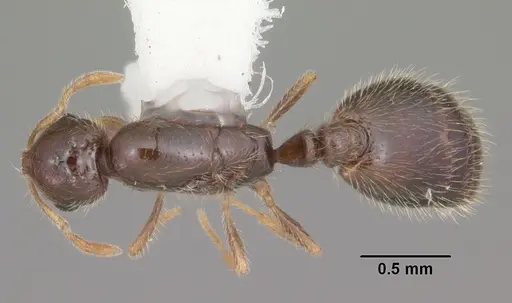
CASENT0104493
View on AntWeb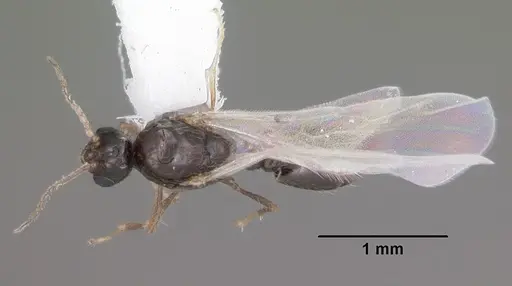
CASENT0104494
View on AntWeb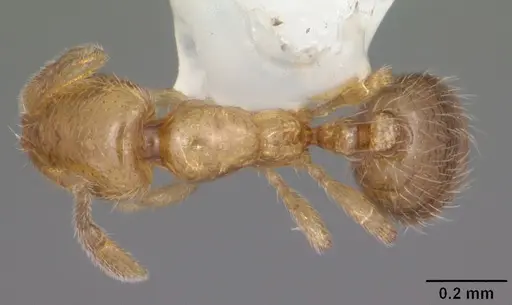
CASENT0217364
View on AntWeb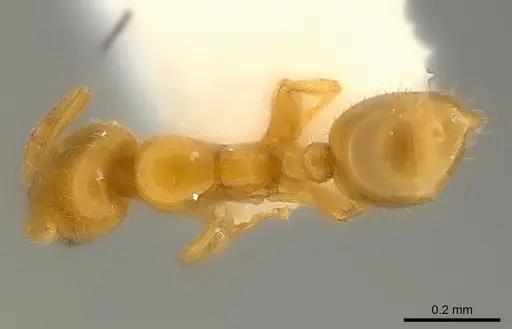
CASENT0249866
View on AntWeb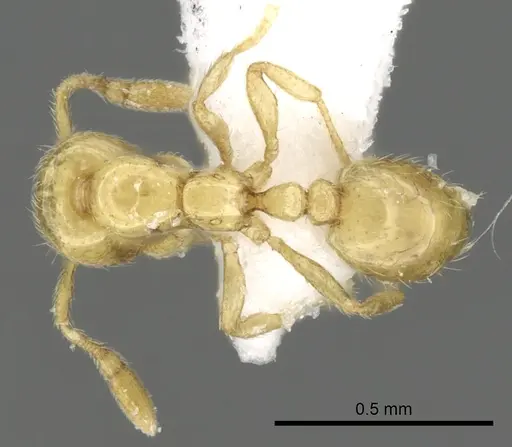
CASENT0914333
View on AntWeb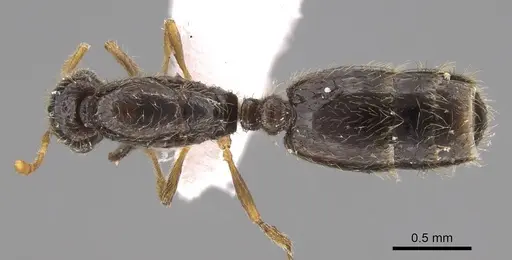
FMNHINS0000078522
View on AntWeb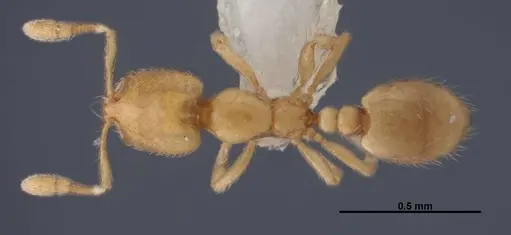
Literature
Loading...Loading products...