

Simopone trita
- Scientific Name
- Simopone trita
- Subfamily
- Dorylinae
- Author
- Bolton & Fisher, 2012
- Distribution
- Found in 1 countries
Simopone trita Overview
Simopone trita is an ant species of the genus Simopone. It is primarily documented in 1 countries , including Madagascar. Detailed taxonomic data and occurrence records can be further explored via authoritative databases such as AntWeb or the Global Biodiversity Information Facility (GBIF).
Simopone trita
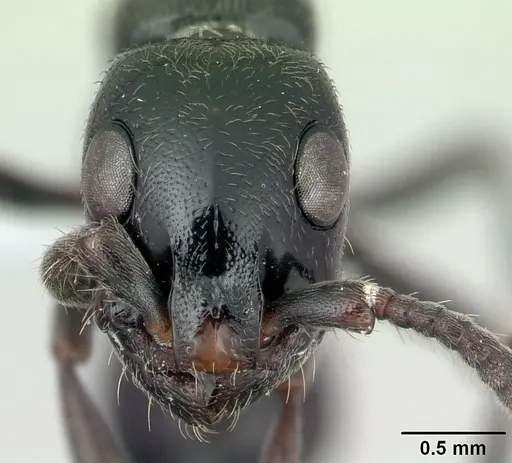
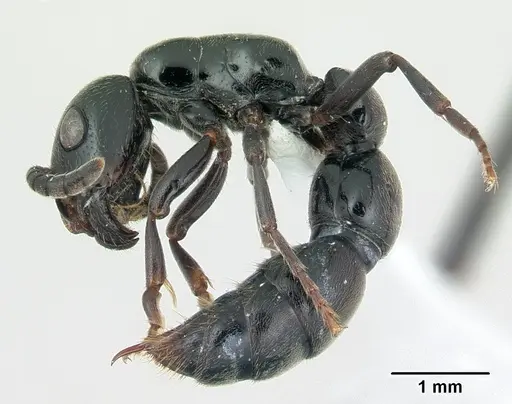
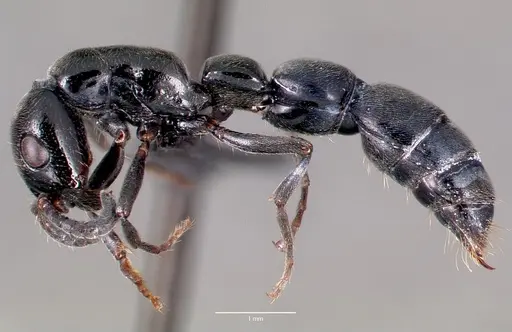
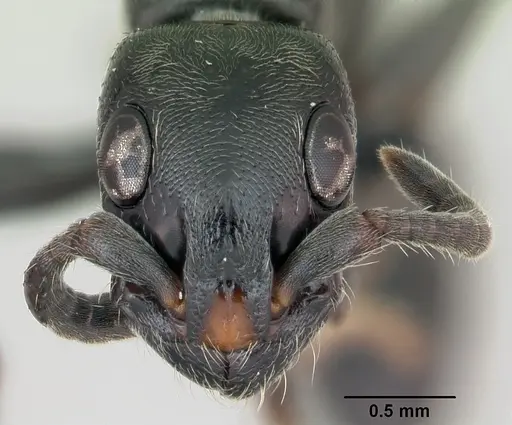
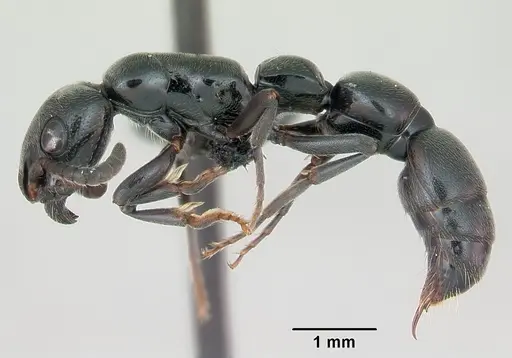
Simopone trita is a small, predatory ant species native to Madagascar, belonging to the Dorylinae subfamily (army ants and their relatives). Workers measure 1.56-1.94mm in head length and are uniformly black with blackish-brown to black appendages, often showing a dull reddish clypeus. This species is part of the emeryi species group and forms a complex with Simopone dignita, showing morphological characteristics intermediate between the silens and emeryi complexes. They have been collected from dead twigs above ground, low vegetation, rotten logs, and as ground foragers in various forest habitats, particularly littoral forest [1]. The genus Simopone is largely arboreal and rarely collected, making this species poorly understood in terms of natural history [2].
Quick Summary
- Difficulty: Expert
- Origin & Habitat: Madagascar, specifically Prov. Antsiranana, Forêt Anlabe near Daraina at 30m elevation in littoral forest [1].
- Colony Type: Unknown colony structure, Simopone is a poorly studied genus with limited data on colony organization.
- Size & Growth:
- Queen: Undescribed, queen caste has not been documented in scientific literature
- Worker: 1.56-1.94mm HL,1.14-1.46mm HW [1]
- Colony: Unknown, the genus is rarely collected and colony sizes have not been documented
- Growth: Unknown
- Development: Unknown, no development data exists for this species (Development timeline has not been studied. Related doryline ants typically take several months but specific data is unavailable.)
- Antkeeping:
- Temperature: Unknown for this species. Based on Madagascar's tropical climate, room temperature (22-28°C) is a reasonable starting point. Observe colony activity and adjust accordingly.
- Humidity: Littoral forest habitat suggests moderate to high humidity needs. Keep the nest substrate consistently moist but not waterlogged, with some drier areas available.
- Diapause: Unknown, Madagascar is tropical with minimal temperature variation, so diapause may not be required. More research needed.
- Nesting: In nature, they nest in dead twigs above ground, rotten logs, and low vegetation. In captivity, a naturalistic setup with dead wood or twigs, or a well-humidified acrylic/plaster nest would be appropriate. They appear to be arboreal-nesting.
- Behavior: As a member of the Dorylinae subfamily, Simopone trita is likely predatory, hunting small invertebrates. The genus is known to be largely arboreal with specialized predatory behaviors. Workers are moderate-sized for ants and may have moderate escape ability, though specific escape prevention recommendations cannot be confirmed for this species.
- Common Issues: lack of available care information makes proper husbandry challenging, predatory diet requirements may be difficult to meet in captivity, arboreal nesting preferences are not well-understood for captive setups, the species is rarely kept in captivity so there is no established husbandry knowledge base, wild-caught colonies may have high stress levels due to limited collection data
Species Overview and Identification
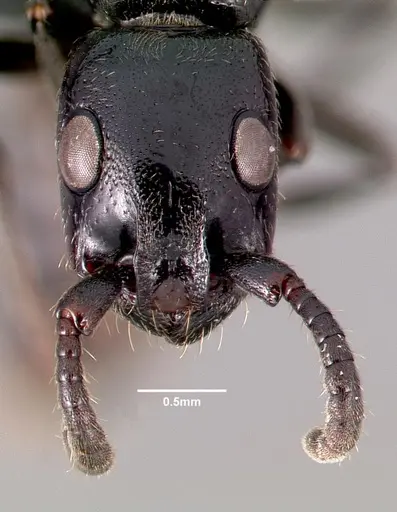
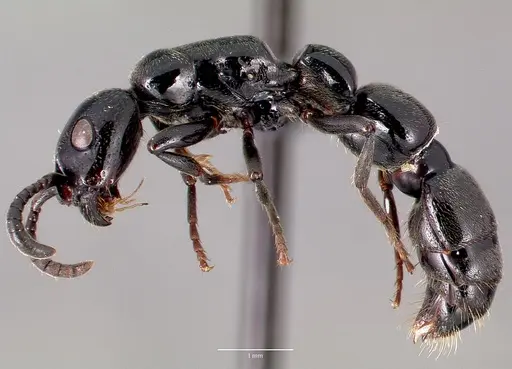
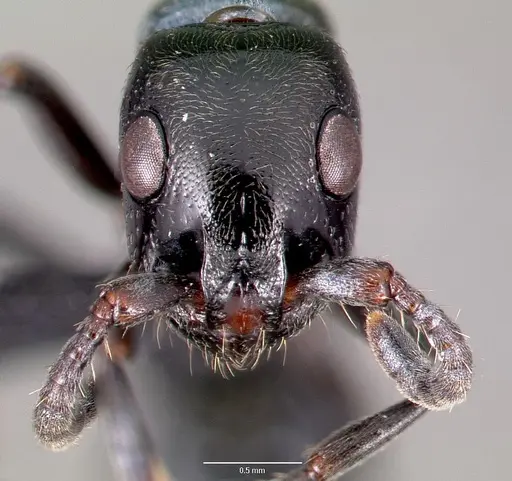
Simopone trita is a member of the emeryi species group within the genus Simopone, which belongs to the subfamily Dorylinae. This subfamily includes army ants and their specialized predatory relatives. Workers are distinctive in being uniformly black with blackish-brown appendages, and they can be identified by their relatively large eyes positioned behind the head's midlength, the presence of 3-5 projecting setae on the scape leading edge, and the triangular teeth projecting posterolaterally from the posterior corners of the second abdominal segment (AII). The species is morphologically similar to Simopone dignita but can be differentiated by the number of setae on the posterior margins of abdominal segments AIII and AIV, S. trita has at most a few short setae, while S. dignita has a distinct fringe of curved setae [1].
Natural History and Distribution
Simopone trita is endemic to Madagascar, specifically found in the Antsiranana province in the northeastern part of the island. The type locality is Forêt Anlabe, approximately 30km east-northeast of Daraina at an elevation of 30m in littoral forest habitat. Specimens have been collected from diverse microhabitats including dead twigs above ground, low vegetation, rotten logs, and as ground foragers. This suggests the species is ecologically flexible and may utilize multiple strata within the forest ecosystem. The genus Simopone as a whole is largely arboreal and rarely collected, making natural history observations uncommon. The species was formally described in 2012 by Bolton and Fisher, relatively recently in ant taxonomy [1][2].
Housing and Nesting Preferences
Based on collection data, Simopone trita appears to prefer nesting in dead organic matter above ground level, including dead twigs, rotten logs, and low vegetation. This suggests an arboreal or semi-arboreal nesting preference. In captivity, a naturalistic setup incorporating dead wood, twigs, or cork bark would likely be more appropriate than a simple test tube setup. The nest should maintain moderate to high humidity to simulate the moist littoral forest environment. Given the lack of captive husbandry data for this species, keepers should be prepared to experiment with different setups and observe colony behavior to determine optimal conditions. A well-humidified acrylic or plaster nest with additional wood/twig structures for foraging areas would be a reasonable starting point. [1]
Feeding and Diet
As a member of the Dorylinae subfamily, Simopone trita is expected to be predatory, feeding on small invertebrates such as springtails, mites, small insects, and other micro-arthropods. The genus is part of a lineage of specialized predatory ants, though specific prey preferences have not been documented. In captivity, the primary diet should consist of small live prey such as springtails, fruit flies, and other tiny arthropods. Sugar sources may or may not be accepted, this should be tested but not relied upon. Given the lack of specific feeding data for this species, keepers should approach diet experimentally and document what is accepted. The arboreal and ground-foraging behavior observed in the wild suggests they are active hunters that likely pursue prey rather than relying on scavenging. [1][2]
Temperature and Seasonal Care
Specific temperature requirements for Simopone trita have not been documented. As a species from Madagascar's tropical littoral forest, it likely prefers warm, stable conditions in the range of 22-28°C. The island's tropical climate means minimal seasonal temperature variation, so unlike temperate species, this ant likely does not require a winter diapause period. However, more research is needed to confirm this. Keepers should start with room temperature conditions and monitor colony activity. If workers appear sluggish, slightly increasing temperature may help. The lack of documented diapause requirements means keepers should focus on maintaining consistent conditions year-round rather than implementing seasonal temperature drops.
Challenges and Expert-Level Considerations
Simopone trita is not a species for beginners. It is one of the least-studied ant species in captivity, with virtually no established husbandry protocols. The primary challenges include: the complete lack of documented colony structure information (monogyne vs polygyne), unknown founding behavior, unconfirmed diet preferences, and no available development timeline data. Keepers must be prepared to document their observations carefully and share findings with the antkeeping community. The species' rarity in both scientific collections and the antkeeping hobby means that every successful colony represents valuable new information. Additionally, as a Madagascar endemic, there may be legal considerations regarding collection and export, keepers should ensure their colonies were obtained legally. The arboreal nature of the genus suggests these ants may be sensitive to husbandry errors and require more specialized conditions than typical ground-nesting ants. [2]
Frequently Asked Questions
Is Simopone trita a good species for beginners?
No, Simopone trita is not suitable for beginners. This is an expert-level species with virtually no established husbandry information in the antkeeping hobby. The genus is poorly studied, with no documented colony structure, founding behavior, or development timeline. There are no care guides or established protocols to follow, making successful keeping very challenging.
What do Simopone trita ants eat?
As a member of the Dorylinae subfamily (army ants and their relatives), Simopone trita is expected to be predatory. Based on collection behavior and genus patterns, they likely hunt small invertebrates including springtails, mites, and tiny insects. In captivity, offer small live prey such as springtails, fruit flies, and other micro-arthropods. Sugar acceptance is unknown and should be tested experimentally but not relied upon as a primary food source.
How big do Simopone trita colonies get?
The maximum colony size for Simopone trita is currently unknown. The genus Simopone is rarely collected, and no colony size data exists in scientific literature. Based on the worker size (1.56-1.94mm head length) and the genus being largely arboreal, colonies are likely smaller than typical ground-nesting ants, but this is speculative.
What temperature should I keep Simopone trita at?
Specific temperature requirements have not been documented for Simopone trita. As a Madagascar species from littoral forest habitat, a range of 22-28°C is a reasonable starting point. Monitor colony activity and adjust accordingly. Unlike temperate species, there is no documented need for hibernation or winter cooling periods.
Does Simopone trita need hibernation?
Diapause requirements are unknown for Simopone trita. As a species from Madagascar's tropical climate, the island experiences minimal seasonal temperature variation, suggesting hibernation may not be required. However, this has not been scientifically confirmed. Keepers should maintain stable, warm conditions year-round until more information becomes available.
Can I keep multiple Simopone trita queens together?
The colony structure of Simopone trita is completely unknown. No data exists on whether they are monogyne (single queen), polygyne (multiple queens), or have any specific colony organization. Combining unrelated queens is not recommended given the complete lack of information about their social structure.
How long does it take for Simopone trita to develop from egg to worker?
The egg-to-worker development timeline for Simopone trita is completely unknown. No scientific data exists on their development time, and there are no established estimates from related species in captivity. This represents a significant gap in knowledge for potential keepers.
Where is Simopone trita found in the wild?
Simopone trita is endemic to Madagascar, specifically found in the northeastern province of Antsiranana. The type locality is Forêt Anlabe, approximately 30km east-northeast of Daraina at low elevation (30m) in littoral forest habitat. The species has also been collected in other forest habitats across the island.
Is Simopone trita aggressive?
Aggression levels have not been documented for Simopone trita. As predatory ants in the Dorylinae subfamily, they likely have some defensive capabilities, but the genus Simopone is not known for aggressive swarming behavior like some army ants. Based on limited collection data, they appear to be relatively docile when encountered. However, their small size and predatory nature mean they should be handled with appropriate caution.
Why is Simopone trita so rarely kept?
Simopone trita is rarely kept for several reasons: it was only described in 2012,the genus Simopone is largely arboreal and rarely collected in the wild, there is virtually no established husbandry information, and it is endemic to Madagascar making legal acquisition difficult. The species represents a frontier in antkeeping where every bit of captive information would be novel and valuable.
References

This caresheet is licensed under CC BY-SA 4.0 .
CASENT0410473
View on AntWeb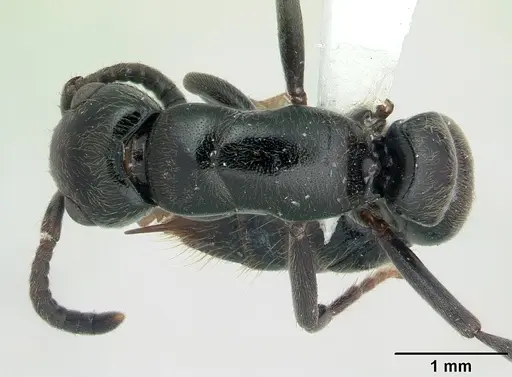
CASENT0410474
View on AntWeb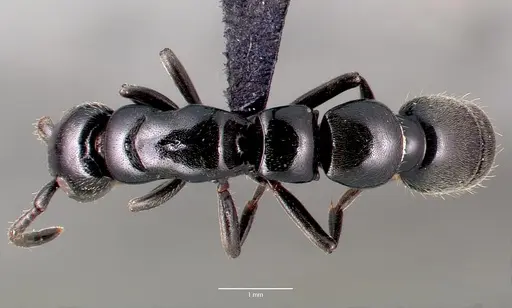
CASENT0428046
View on AntWeb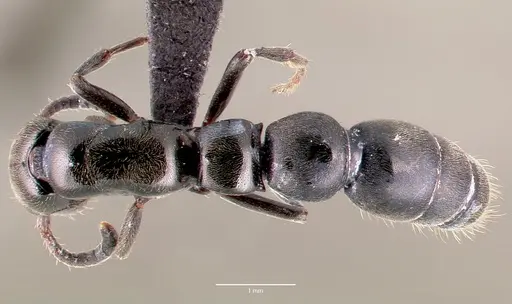
CASENT0499410
View on AntWeb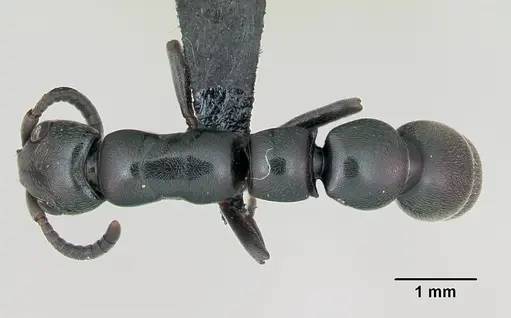
Literature
Loading...Loading products...