

Simopone dignita
- Scientific Name
- Simopone dignita
- Subfamily
- Dorylinae
- Author
- Bolton & Fisher, 2012
- Distribution
- Found in 1 countries
Simopone dignita Overview
Simopone dignita is an ant species of the genus Simopone. It is primarily documented in 1 countries , including Madagascar. Detailed taxonomic data and occurrence records can be further explored via authoritative databases such as AntWeb or the Global Biodiversity Information Facility (GBIF).
Simopone dignita
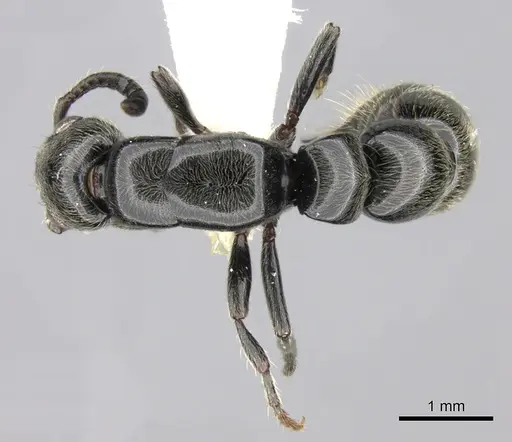
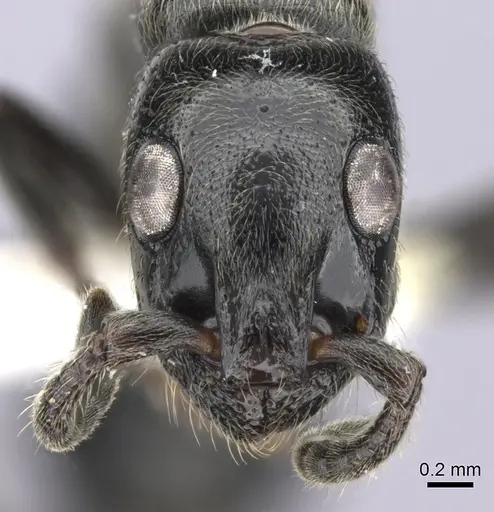
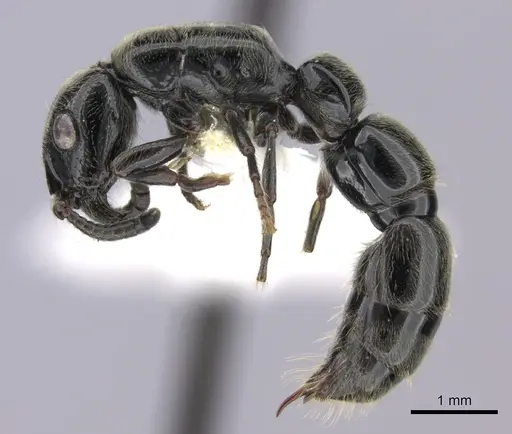
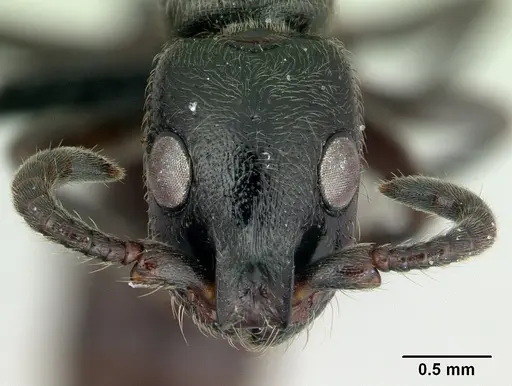
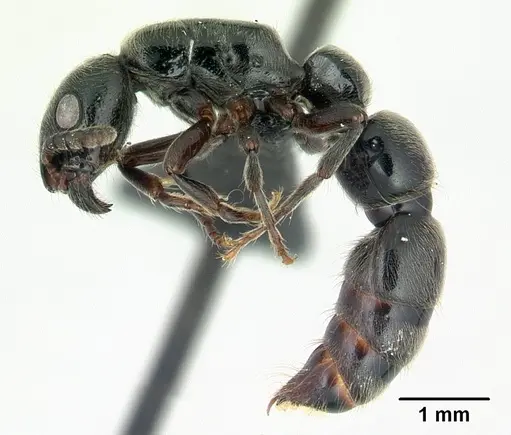
Simopone dignita is a predatory ant species native to Madagascar, belonging to the Dorylinae subfamily (army ants). Workers measure 1.44-1.82mm in head length, making them moderately sized ants with a distinctive black coloration and blackish-brown appendages [1]. They were described in 2012 by Bolton & Fisher and are members of the emeryi species group. The species was discovered in the Namoroka National Park in northwestern Madagascar, found in a dead branch above ground in tropical dry forest [1]. This is an arboreal nesting species, meaning they naturally live in elevated locations like tree branches rather than ground nests.
Quick Summary
- Difficulty: Expert
- Origin & Habitat: Madagascar (Mahajanga Province), specifically found in tropical dry forest at 100m elevation in Namoroka National Park. They nest in dead branches above ground [1].
- Colony Type: Likely monogyne (single queen) based on typical Dorylinae patterns. Colony structure is not directly documented for this species.
- Size & Growth:
- Queen: Undocumented, no queen measurements available
- Worker: 1.44-1.82mm head length (HL),1.00-1.34mm head width (HW),1.58-2.16mm Weber's length (WL) [1]
- Colony: Unknown, no colony size data available
- Growth: Unknown, no development data available
- Development: Unconfirmed, no direct development data for this species. Based on typical Dorylinae patterns, expect 6-10 weeks at optimal temperature. (Development timeline has not been directly studied. Dorylinae ants typically have relatively fast development compared to some other subfamilies.)
- Antkeeping:
- Temperature: Based on their tropical dry forest origin in Madagascar, aim for warm conditions around 24-28°C. Avoid temperatures below 20°C.
- Humidity: Moderate humidity is appropriate for this arboreal species. They naturally live in dry forest environments but in elevated microhabitats that likely experience some moisture variation.
- Diapause: Unknown, no documented hibernation or diapause requirements. Given their tropical origin, they likely do not require a cold diapause period.
- Nesting: Arboreal nester, in nature they inhabit dead branches above ground. In captivity, a naturalistic setup with elevated chambers or a Y-tong/plaster nest with horizontal orientation would be appropriate. They likely prefer enclosed spaces with moderate humidity.
- Behavior: As a Dorylinae ant, this species is predatory and likely employs army ant raiding behavior to capture prey. They have functional stingers typical of Dorylinae and can deliver painful stings. Workers are moderately large and should be considered potentially aggressive when defending the colony. Escape prevention is important as they are active foragers.
- Common Issues: limited availability, this is a rarely kept species with almost no captive breeding history, unknown colony structure and founding behavior makes successful colony establishment difficult, predatory nature requires constant access to live prey, not suitable for keepers who cannot provide insects regularly, arboreal nesting means standard ground nests may not be appropriate, stinging risk, Dorylinae ants have functional stingers and can deliver painful stings
Temperature and Care
Simopone dignita originates from tropical Madagascar, specifically the dry forest regions in the northwest. This means they need warm temperatures to thrive. Keep the nest area in the range of 24-28°C, with a slight gradient allowing workers to choose their preferred temperature. Avoid temperatures below 20°C as this could stress the colony and slow their activity. A small heating cable on one side of the nest can help maintain appropriate temperatures, but ensure there are cooler areas available so ants can self-regulate. Room temperature in a warm home may be sufficient if it stays in the low-to-mid 20s Celsius.
Feeding and Diet
As a Dorylinae ant, Simopone dignita is predatory and requires a protein-rich diet. Feed them a variety of small live insects such as fruit flies, small crickets, mealworms, and other appropriately-sized arthropods. They are likely active hunters that use raiding behavior to capture prey, so offering live prey is important to stimulate natural foraging instincts. Sugar sources may be accepted occasionally but should not be the primary food source, these are primarily predatory ants. Feed protein prey 2-3 times per week, adjusting based on colony size and consumption rate. Remove uneaten prey after 24-48 hours to prevent mold.
Nesting Preferences
This species is arboreal, meaning they naturally nest in elevated locations like dead branches and tree cavities above ground. In captivity, avoid standard ground-level nests and instead provide an elevated setup. A Y-tong (AAC) nest with horizontal orientation works well, or a naturalistic setup with cork or fake branches. The nest should have chambers that are appropriately sized for their worker size (roughly 1.5-2mm body width). They prefer enclosed, dark spaces and will likely seal off chambers they consider too exposed. Ensure the nest material holds humidity moderately without becoming waterlogged. [1]
Behavior and Temperament
Simopone dignita is a Dorylinae ant, which means they are part of the army ant group. These ants are predatory and have functional stingers. When threatened, they can deliver a painful sting, treat them as potentially aggressive and use appropriate caution during colony maintenance. They are likely active foragers that hunt in groups, similar to other Dorylinae species. Workers are moderately large (1.5-2mm) so escape prevention is important but not as critical as for tiny species. However, they are agile and determined, so secure lids and barrier gel or fluon on edges are still recommended. [1]
Colony Establishment
Establishing a colony of Simopone dignita is challenging because this species is rarely kept in captivity and basic biology like founding behavior is not documented. If acquiring a colony, it will likely need to be wild-caught or obtained from a specialized supplier. Queens have not been described in the literature, so identifying a founding queen may be difficult. Based on typical Dorylinae patterns, founding is likely claustral (queen seals herself in and raises first workers alone on stored fat reserves), but this is unconfirmed. Expect slow colony growth initially, Dorylinae colonies often start slowly and accelerate once they have a established worker force.
Frequently Asked Questions
Can I keep Simopone dignita in a test tube?
A test tube setup can work for a founding queen or very small colony, but this arboreal species will likely do better in a more naturalistic elevated setup. If using a test tube, ensure it has a water reservoir and is positioned horizontally or at an angle. However, their predatory nature and potential size mean they may outgrow a test tube quickly.
How long until Simopone dignita has first workers?
The exact development timeline is unconfirmed for this species. Based on typical Dorylinae patterns, expect 6-10 weeks from egg to first worker at optimal temperature (around 26°C). This is an estimate as no specific development data exists for Simopone dignita.
What do Simopone dignita eat?
They are predatory ants that need live protein prey. Feed small insects like fruit flies, pinhead crickets, small mealworms, and other appropriately-sized arthropods. Sugar water or honey may be occasionally accepted but should not be the primary food. Remove uneaten prey after 24-48 hours.
Are Simopone dignita good for beginners?
No, this species is not recommended for beginners. They are rarely kept in captivity, their exact care requirements are not well-documented, and they require constant access to live prey. Additionally, they can deliver painful stings. This species is best suited for experienced antkeepers who can provide specialized care.
Do Simopone dignita need hibernation?
Diapause requirements are unconfirmed for this species. However, given their tropical origin in Madagascar, they likely do not require a cold hibernation period. Keep them at warm temperatures (24-28°C) year-round.
How big do Simopone dignita colonies get?
Colony size is unknown, no data exists on maximum colony size for this species. Based on related Dorylinae, colonies may reach several hundred to a few thousand workers over time. Growth is likely slow initially and accelerates as the worker force increases.
Can I keep multiple queens together?
Colony structure is unconfirmed for this species. Based on typical Dorylinae patterns, they likely form single-queen colonies. Combining unrelated queens has not been documented and is not recommended.
When should I move Simopone dignita to a formicarium?
Wait until the colony has at least 20-30 workers before moving to a formicarium. This species is arboreal, so choose a setup with horizontal chambers or a naturalistic arboreal setup rather than a vertical ground nest. Ensure the formicarium provides appropriate humidity and security.
Why are my Simopone dignita dying?
Common issues include: temperature too cold (below 20°C), lack of live prey, improper humidity (too dry or waterlogged), stress from excessive disturbance, or poor escape prevention. Also ensure they are not being overfed, excess prey can cause mold issues. If wild-caught, parasites may be a factor.
References

This caresheet is licensed under CC BY-SA 4.0 .
CASENT0009816
View on AntWeb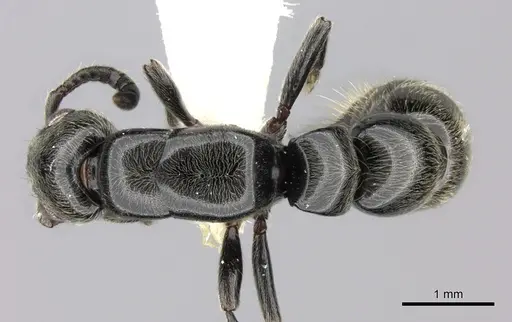
CASENT0493183
View on AntWeb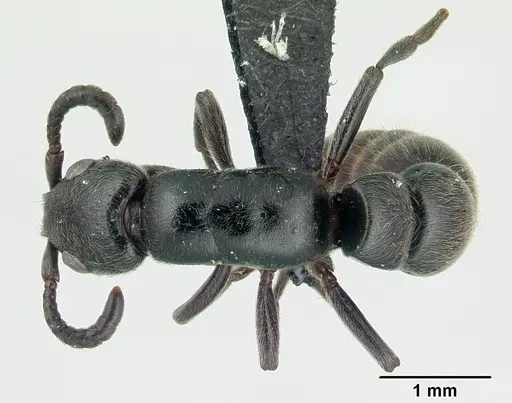
Literature
Loading...Loading products...