

Sericomyrmex scrobifer
- Scientific Name
- Sericomyrmex scrobifer
- Tribe
- Attini
- Subfamily
- Myrmicinae
- Author
- Forel, 1911
- Distribution
- Found in 2 countries
Sericomyrmex scrobifer Overview
Sericomyrmex scrobifer is an ant species of the genus Sericomyrmex. It is primarily documented in 2 countries , including Brazil, Paraguay. Detailed taxonomic data and occurrence records can be further explored via authoritative databases such as AntWeb or the Global Biodiversity Information Facility (GBIF).
Sericomyrmex scrobifer
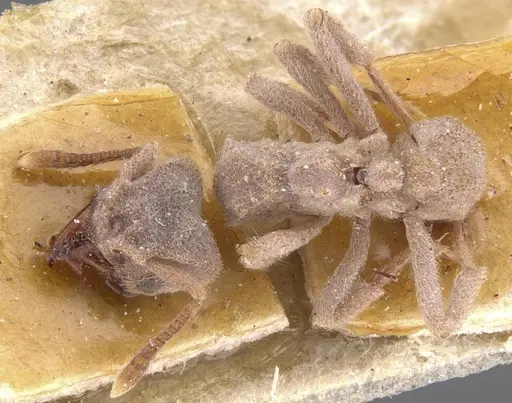
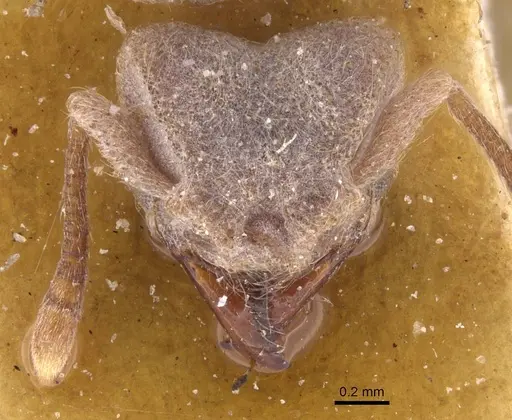
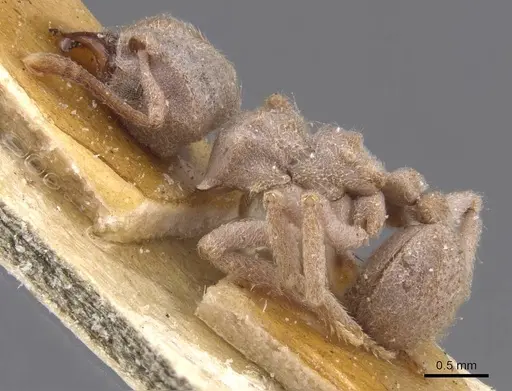
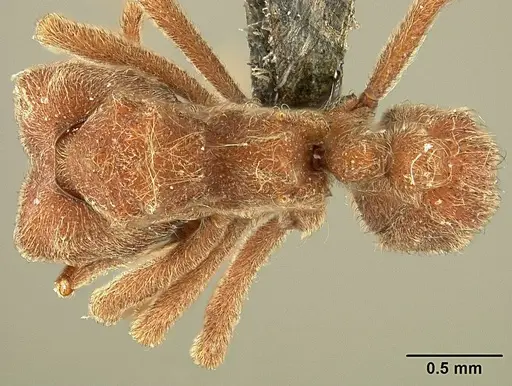
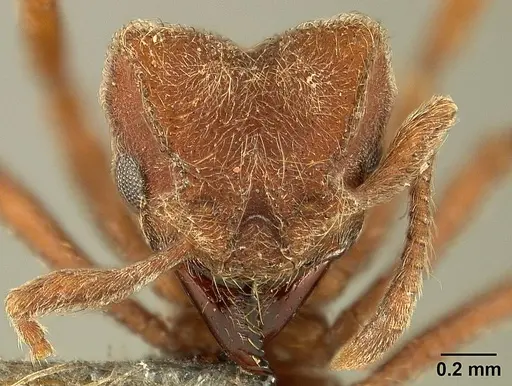
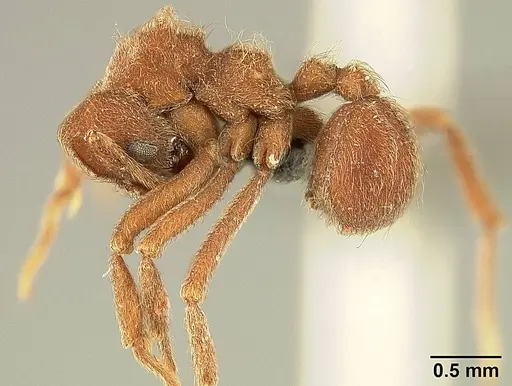
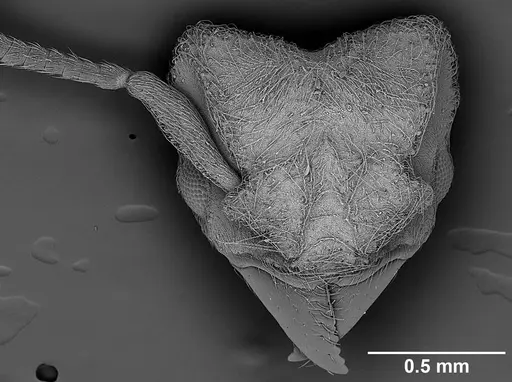
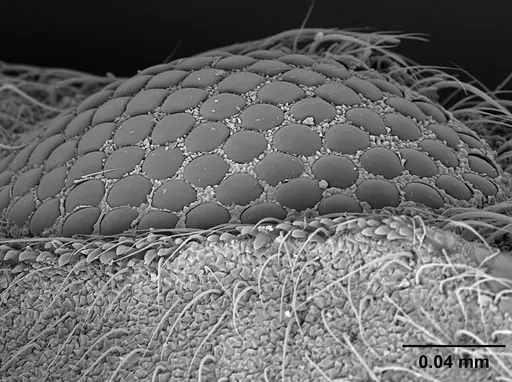
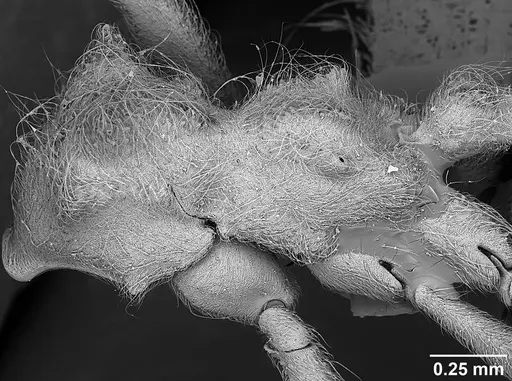
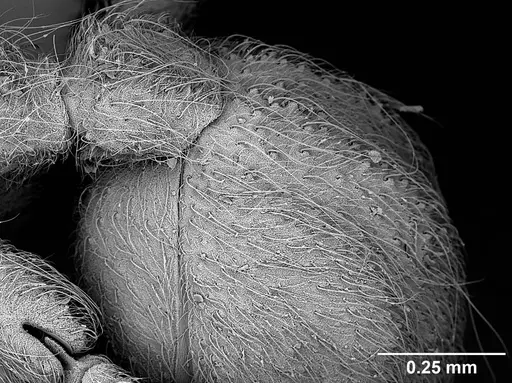
Sericomyrmex scrobifer is a medium-sized fungus-farming ant native to Brazil and Paraguay. Workers measure 0.83-1.12mm in head width with a mesosoma length (WL) of 1.12-1.40mm [1]. This species is distinguished by its large, protruding eyes, wide trapeziform frontal lobes, and four strongly developed carinae on the first gastral tergite [1]. The combination of these features separates it from all other Sericomyrmex species, with its sister species being Sericomyrmex maravalhas [1].
This ant is a cerrado specialist, almost exclusively found in Brazilian savanna habitats including campo cerrado, cerrado sensu stricto, and cerradão [2]. It inhabits elevations ranging from 240-910 meters, with a mean of 666 meters [2]. Like all Sericomyrmex, this species cultivates fungus for food as part of the Attini tribe (fungus-farming ants), specifically classified as a Neoattine using lower agriculture [3]. This makes them unique among ants, they grow their own food source rather than foraging for traditional ant foods.
Quick Summary
- Difficulty: Hard
- Origin & Habitat: Brazil and Paraguay, specifically the cerrado (Brazilian savanna) region including campo cerrado, cerrado sensu stricto, and cerradão habitats [2]. Found at elevations of 240-910m with a mean of 666m.
- Colony Type: Colonies have been documented with 1-2 queens [2]. This suggests small single-queen or occasionally dual-queen colonies.
- Colony: Monogyne
- Size & Growth:
- Queen: Unknown, queen measurements not documented in available literature [1]
- Worker: 0.83-1.12mm head width (HWe),1.12-1.40mm mesosoma length (WL) [1]
- Colony: Unknown, colony size estimates not available, though nest-mound volume correlates with colony size [2]
- Growth: Unknown, growth rate has not been studied
- Development: Unknown, development timeline has not been documented for this species (Based on related Sericomyrmex species, development likely takes several months. More research needed.)
- Antkeeping:
- Temperature: Cerrado environments experience warm temperatures. Based on habitat data, aim for 24-28°C, warm but not extreme. This is an estimate based on their native habitat conditions.
- Humidity: Cerrado has distinct wet and dry seasons. Provide moderate humidity around 60-70%, with the fungus garden requiring consistent moisture. Allow some drying between waterings but never let it dry completely.
- Diapause: Unknown, no specific diapause studies exist. Cerrado has mild winters, so they may have reduced activity periods rather than true hibernation. Further research needed.
- Nesting: In the wild, nests are subterranean with chambers extending up to 79cm deep [2]. Colonies have 1-7 chambers historically recorded [2]. Foragers travel up to 7.2 meters from the nest [2]. In captivity, a deep soil-based formicarium or naturalistic setup works best. They need space for the fungus garden and brood chambers.
- Behavior: This is a fungus-farming ant (Attini) that cultivates fungus for food. Workers are active foragers that venture significant distances from the nest [2]. They are not particularly aggressive but will defend their colony and fungus garden. Escape risk is moderate, workers are small but not among the tiniest ants. Standard escape prevention measures are adequate. They are ground-nesting and prefer to forage in the soil layer.
- Common Issues: Fungus garden collapse is the primary risk, these ants depend entirely on their fungal symbiont, which requires specific humidity and temperature conditions to survive, Improper nutrition, they cannot survive on typical ant foods (sugar, insects alone), they need their fungus garden to thrive, Overwatering or drying out, both kill the fungus, which kills the colony, Limited availability of proper substrate and starter fungus culture for this species, Small colony sizes mean losses have bigger impact, colonies develop slowly and cannot recover quickly from losses
Fungus Farming - The Key to Their Care
Sericomyrmex scrobifer belongs to the Attini tribe, the fungus-farming ants. Unlike most ants that forage for food, these ants cultivate a special fungus that serves as their primary food source. This is their defining characteristic and the central challenge for keepers [3].
The fungus requires specific conditions to thrive: consistent humidity (not wet, not dry), warm temperatures (around 24-28°C), and proper ventilation. The ants feed the fungus plant material and maintain it meticulously. In return, they harvest specialized structures called gongylidia that the fungus produces specifically for the ants to eat.
This means you cannot keep S. scrobifer like a typical ant colony. They need a fungus garden, not just a nest chamber. Research into proper cultivation techniques for Sericomyrmex fungus is ongoing, this is not a beginner-friendly species for this reason.
Nest Preferences and Housing
In the wild, S. scrobifer builds subterranean nests with chambers extending up to 79cm below the surface [2]. Historical records show colonies with 1-7 chambers [2]. They prefer forested cerrado areas over open spaces [2].
For captive housing, you need a deep, soil-based setup that allows for chamber construction. A naturalistic formicarium with compacted soil or a plaster nest with deep chambers works best. The nest must accommodate both the fungus garden and brood chambers. Avoid shallow setups, these ants need vertical space for their colony structure.
The outworld should be spacious since foragers have been recorded traveling up to 7.2 meters from the nest in the wild [2]. Provide a foraging area that allows natural exploration and foraging behavior.
Temperature and Environmental Conditions
As a cerrado specialist, S. scrobifer is adapted to warm conditions with distinct seasonal variation. The Brazilian savanna experiences temperatures ranging from mild winters to hot summers. Based on their habitat, maintain temperatures in the range of 24-28°C.
Humidity is critical, not for the ants directly, but for their fungus garden. The fungus requires consistent moisture. Aim for around 60-70% humidity in the nest area. The substrate should feel damp but never waterlogged. Both drying out and overwatering will kill the fungus, which in turn kills the colony.
Ventilation is important to prevent mold growth on the fungus garden while maintaining humidity. Use a setup that allows air flow without drying out the nest too quickly. [2]
Feeding and Nutrition
This is the most critical aspect of keeping S. scrobifer. Unlike typical ants that eat sugar water, honeydew, and insects, fungus-farming ants eat almost exclusively their cultivated fungus. The ants feed the fungus organic material (typically leaf fragments, flower petals, or other plant matter in related species) and in return consume gongylidia, special nutrient-rich structures the fungus produces.
You cannot feed this species like a regular ant colony. They need a living fungus culture to survive long-term. Research into proper substrate and plant material for Sericomyrmex fungus cultivation is limited compared to more commonly kept fungus farmers like Atta or Acromyrmex.
If you obtain a colony, you must also secure a viable fungus culture. The success of your colony depends entirely on keeping the fungus healthy.
Behavior and Colony Dynamics
S. scrobifer colonies in the wild contain 1-2 queens [2]. This is relatively small compared to some other fungus farmers. The colony size is likely correlated with nest-mound volume, as documented in related species [2].
Workers are active foragers that travel significant distances from the nest to collect plant material for the fungus [2]. They are not particularly aggressive but will defend their colony and fungus garden vigorously if threatened.
The species is rarely collected, suggesting low population densities in the wild [4]. This, combined with their specialized fungus-farming lifestyle, makes them challenging to establish in captivity.
Distribution and Habitat
S. scrobifer is known from Brazil and Paraguay, with 19 occurrence records documented [2]. Within Brazil, they are found in the cerrado region, the vast tropical savanna that covers much of central South America.
They prefer forested cerrado (cerradão) over open campo areas [2]. This habitat has a mix of trees and grassland, providing both shade and open foraging areas. The elevation range of 240-910m (mean 666m) suggests they are adapted to mid-elevation savanna environments [2].
The scrobifer clade, which includes S. scrobifer and its sister species S. maravalhas, likely originated and diversified in the Chaco-Brazilian region with 88.5% support from biogeographic analysis [4]. This makes them a truly South American ant with no populations outside this region.
Frequently Asked Questions
Can I keep Sericomyrmex scrobifer like other ants?
No. Unlike typical ants that eat sugar and insects, S. scrobifer is a fungus-farming ant that cultivates fungus for food. They require a living fungus garden to survive. This makes them significantly more challenging to keep than most ant species.
What do Sericomyrmex scrobifer eat?
They eat their cultivated fungus, not traditional ant foods. The ants feed plant material to their fungus, which produces special nutrient structures called gongylidia that the ants consume. You cannot keep this species on sugar water and insects alone.
How long does it take for Sericomyrmex scrobifer to develop from egg to worker?
Unknown, the development timeline has not been documented for this species. Based on related Sericomyrmex species, it likely takes several months. More research is needed.
Are Sericomyrmex scrobifer good for beginners?
No. This is an expert-level species due to their fungus-farming requirements. They need a living fungus culture, specific humidity and temperature conditions for the fungus, and cannot survive on typical ant foods. This is not a species for beginners.
What temperature do Sericomyrmex scrobifer need?
Based on their cerrado habitat in Brazil, aim for 24-28°C. This is an estimate based on their native environment, warm but not extreme temperatures. The fungus garden also requires these warm, stable conditions.
How big do Sericomyrmex scrobifer colonies get?
Unknown, colony size has not been documented. Based on related species and the 1-2 queen colony structure, colonies are likely smaller than leaf-cutter ants (Atta) but larger than very small ant colonies.
Where is Sericomyrmex scrobifer found?
Brazil and Paraguay, specifically in the cerrado (Brazilian savanna) region. They prefer forested cerrado (cerradão) habitats at elevations of 240-910 meters.
Do Sericomyrmex scrobifer need hibernation?
Unknown, no specific diapause studies exist. The cerrado has mild winters compared to temperate regions, so they may only have reduced activity periods rather than true hibernation. More research is needed.
Can I keep multiple Sericomyrmex scrobifer queens together?
The wild colony structure shows 1-2 queens [2], but this is about established colonies. Combining unrelated foundress queens has not been documented and is not recommended. Stick to single-queen colonies for now.
What is the best nest type for Sericomyrmex scrobifer?
A deep, soil-based naturalistic setup or deep plaster nest works best. In the wild, their nests extend 79cm deep with multiple chambers. They need space for the fungus garden and brood. Shallow setups are inadequate.
Why is my Sericomyrmex scrobifer colony dying?
The most likely cause is fungus garden collapse. This species depends entirely on their fungal symbiont. If the fungus dies (from improper humidity, temperature, or drying out), the colony will starve. Ensure consistent moisture and warm temperatures for the fungus.
References

This caresheet is licensed under CC BY-SA 4.0 .
Literature
Loading...Loading products...