

Sericomyrmex maravalhas
- Scientific Name
- Sericomyrmex maravalhas
- Tribe
- Attini
- Subfamily
- Myrmicinae
- Author
- Ješovnik & Schultz, 2017
- Distribution
- Found in 1 countries
Sericomyrmex maravalhas Overview
Sericomyrmex maravalhas is an ant species of the genus Sericomyrmex. It is primarily documented in 1 countries , including Brazil. Detailed taxonomic data and occurrence records can be further explored via authoritative databases such as AntWeb or the Global Biodiversity Information Facility (GBIF).
Sericomyrmex maravalhas
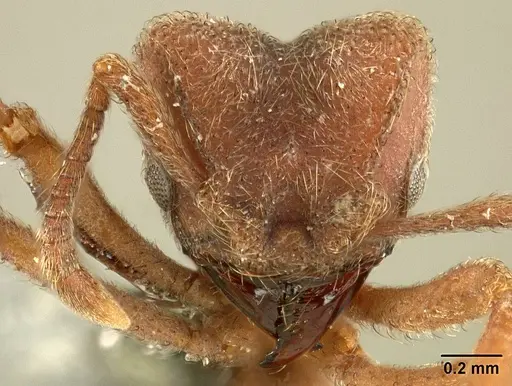
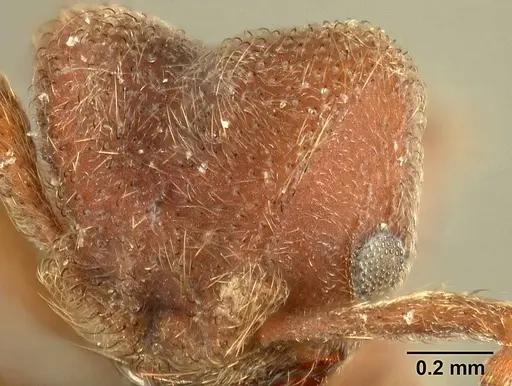
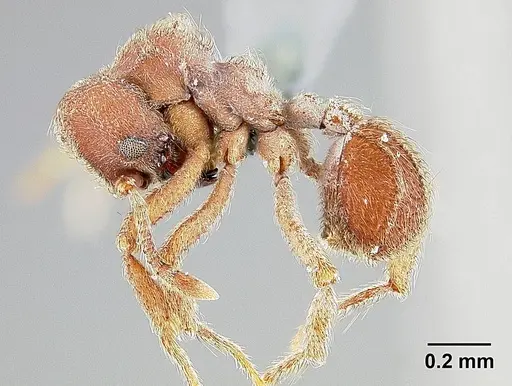
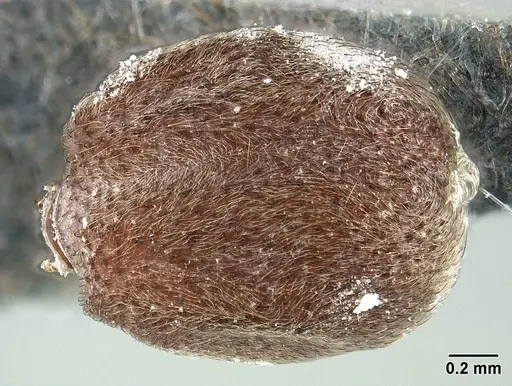
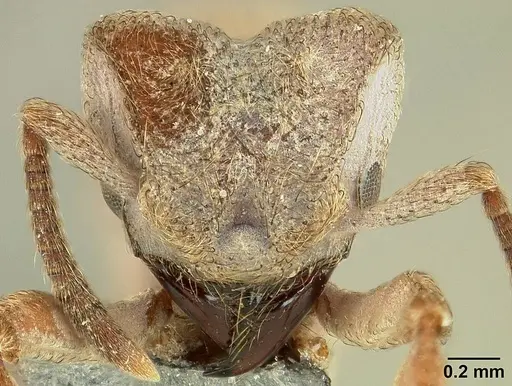
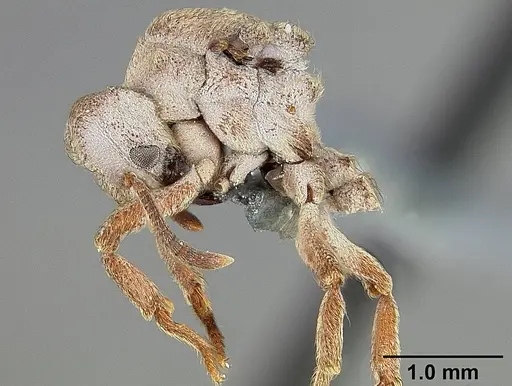
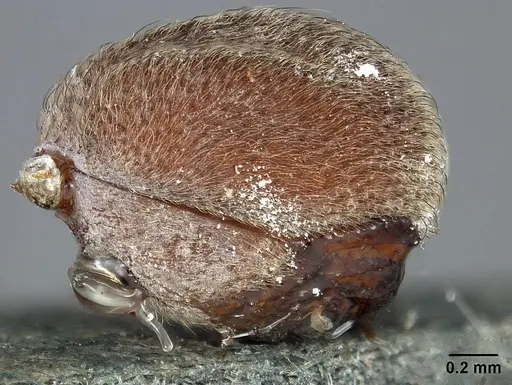
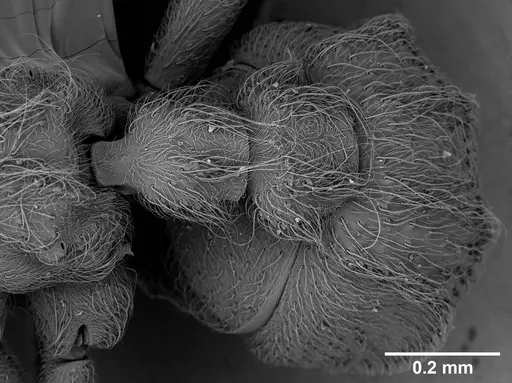
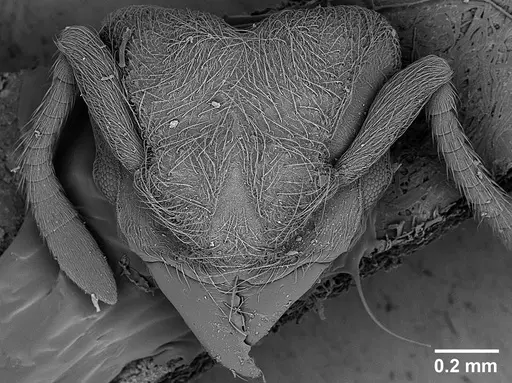
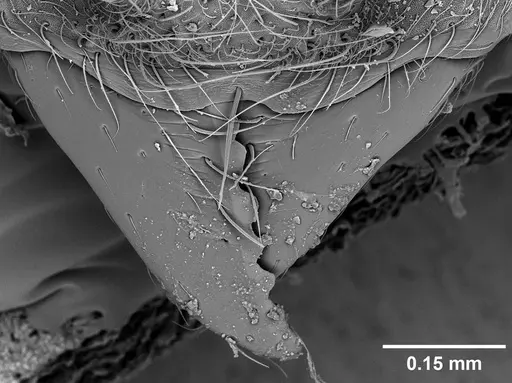
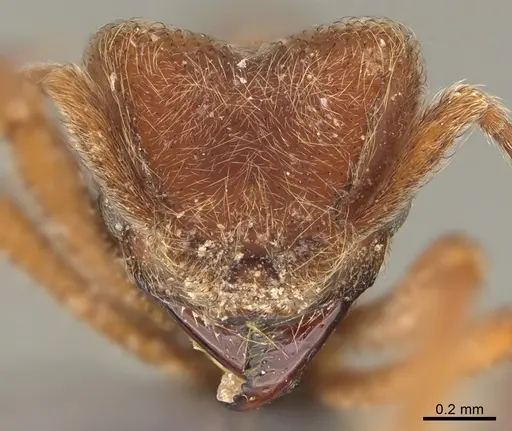
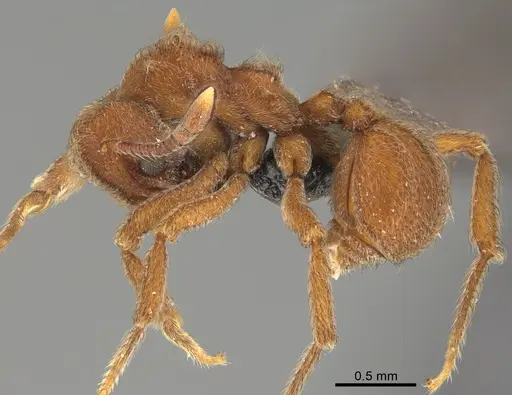
Sericomyrmex maravalhas is a tiny fungus-farming ant species from the Brazilian savanna. Workers measure just 1.03-1.28 mm in body length, making them one of the smaller attine ants you'll encounter [1]. They have distinctive triangular frontal lobes, complete frontal carinae, and a gaster marked with four sharp carinae (ridges) running along both the sides and top [1]. The species was only described in 2017,making it one of the newer additions to the antkeeping hobby. What makes S. maravalhas particularly interesting is that unlike other Sericomyrmex species, some workers lack the thick, waxy, crystal-like coating on their body, instead showing a finely papillate (bumpy) integument that is normally only seen in males and young workers of related species [1]. This species is named after myrmecologist Jonas Maravalhas, with 'maravalhas' sharing a root with the Portuguese word for 'wonders', fitting for these fascinating little ants.
Quick Summary
- Difficulty: Medium
- Origin & Habitat: Central Brazil (Mato Grosso), specifically the Serra Azul State Park near Barra do Garças. They live in cerradão (wooded savanna), riparian forest, and nest in rotting wood at elevations around 535-539m [1][2].
- Colony Type: Colony structure is unconfirmed for this species. As an attine ant (fungus farmer), they likely form single-queen colonies typical of most Sericomyrmex species.
- Size & Growth:
- Queen: 1.12 mm head width,1.72 mm mesosoma length [1]
- Worker: 0.80-0.98 mm head width,1.03-1.28 mm mesosoma length [1]
- Colony: Unknown, no colony size data available for this recently described species
- Growth: Moderate, inferred from related fungus-farming ants
- Development: Estimated 6-8 weeks at optimal temperature based on typical Attini development (Development time is estimated from related Sericomyrmex species, not directly studied for S. maravalhas)
- Antkeeping:
- Temperature: Keep around 24-28°C, mimicking warm tropical conditions. A gentle gradient allows ants to regulate their temperature. These are tropical ants from central Brazil, so they need warmth year-round.
- Humidity: High humidity is essential, aim for 70-80%. Fungus-farming ants need moist conditions to support their fungal gardens. Use a damp substrate and ensure the nest doesn't dry out.
- Diapause: No, these are tropical ants that do not require hibernation. Keep them warm year-round.
- Nesting: They nest in rotting wood in nature. In captivity, a plaster or acrylic nest with moisture chambers works well. The nest should have small chambers scaled to their tiny size. Avoid dry, airy setups.
- Behavior: These are peaceful, non-aggressive ants typical of the Attini tribe. They are fungus farmers, the colony cultivates a fungal garden for food, similar to leafcutter ants but on a much smaller scale. Workers are tiny and may be overlooked by predators, so escape prevention is important despite their small size. They are not known to sting.
- Common Issues: tiny size makes escape likely without fine mesh barriers, maintaining the fungal garden is critical, they cannot survive without their fungus, high humidity requirements can lead to mold if ventilation is poor, newly described species means captive husbandry is not well-established, be prepared to experiment
Housing and Nest Setup
Sericomyrmex maravalhas is a tiny ant, so your nest chambers need to be small and appropriately scaled. They naturally nest in rotting wood in the Brazilian cerradão, so a wooden nest or plaster formicarium with moisture chambers works well [1]. The key requirement is maintaining high humidity, these are fungus farmers, and their fungal garden needs consistent moisture to survive. Use a substrate that holds moisture well, like a damp plaster nest or a naturalistic setup with moist soil. Make sure there's a water reservoir or regular misting to keep humidity in the 70-80% range. Because of their very small size, use fine mesh on any openings and apply fluon or other barrier solutions to prevent escapes.
Feeding and the Fungus Garden
As an attine ant, S. maravalhas cultivates fungus for food, they are 'fungus farmers' like their famous relatives the leafcutter ants, though on a much smaller scale. In captivity, you cannot easily maintain their native fungal symbiont, so this species is challenging to keep long-term without access to the proper fungus. The colony needs organic material to feed their fungus, typically small pieces of leaves, flower petals, or other plant matter. The ants will cut these into tiny pieces and cultivate their fungal garden. This is NOT a species for beginners because maintaining a healthy fungus garden requires specific conditions and knowledge. If you cannot source the proper fungal symbiont, this species may not be suitable for captive husbandry.
Temperature and Climate Control
These are tropical ants from central Brazil, so they need warm conditions year-round. Keep the nest area at 24-28°C, this mimics their natural environment in the cerrado of Mato Grosso where temperatures are consistently warm [2]. A heating cable on one side of the nest can create a temperature gradient, allowing ants to move between warmer and cooler areas. Do not let temperatures drop below room temperature (around 20°C) for extended periods. Unlike temperate species, they do not enter diapause or hibernation. Stable, warm temperatures are essential for colony health and growth.
Behavior and Colony Dynamics
Sericomyrmex maravalhas is a peaceful species typical of the Attini tribe. Workers are tiny, only about 1mm in length, and go about their business cultivating fungus rather than defending aggressively [1]. The colony will establish a fungal garden in their nest chambers, and workers forage for plant material to feed it. Because they are so small, they can easily slip through standard barrier setups, use fine mesh and proper escape prevention. The species was only described in 2017,so there is limited information on their specific behaviors in captivity. Expect slow, deliberate movements and non-aggressive interactions with keepers.
Origin and Natural History
This species is endemic to central Brazil, specifically the state of Mato Grosso. They were collected from Serra Azul State Park near Barra do Garças at an elevation of about 539 meters [1]. Their habitat is cerradão, a type of wooded savanna in Brazil, as well as riparian forests along waterways. They are considered a cerrado specialist, found almost exclusively in Brazilian savanna habitats, particularly in more forested areas rather than open savanna [2]. The species is named after Jonas Maravalhas, a Portuguese myrmecologist who sorted specimens used in the original research. The name 'maravalhas' echoes 'maravilhas' (wonders in Portuguese), an appropriate descriptor for these fascinating tiny fungus farmers.
Frequently Asked Questions
How long does it take for Sericomyrmex maravalhas to raise first workers?
The exact development time is unknown for this recently described species. Based on typical Attini (fungus-farming ant) development, expect around 6-8 weeks from egg to first worker at optimal warm temperatures (around 26°C). The queen will seal herself in a chamber and tend to the fungal garden while raising her first brood.
What do Sericomyrmex maravalhas eat?
As fungus-farming ants, they do not eat traditional ant foods. Instead, they cultivate a fungal garden that they feed with small pieces of plant material (leaves, flower petals, etc.). The fungus is their food source. This makes them challenging to keep, you cannot easily maintain their specific fungal symbiont in captivity. They are NOT suitable for beginners because of this specialized diet.
Are Sericomyrmex maravalhas ants good for beginners?
No, this species is not recommended for beginners. They are fungus-farming ants that require specific conditions to maintain their fungal garden. Additionally, this species was only described in 2017,so captive husbandry knowledge is extremely limited. They also require high humidity and warm temperatures year-round. Start with easier species like Lasius, Camponotus, or Messor before attempting fungus farmers.
What temperature do Sericomyrmex maravalhas need?
Keep them warm at 24-28°C year-round. These are tropical ants from central Brazil that do not experience cold winters. Use a heating cable or heat mat on one side of the nest to maintain warmth. Do not let temperatures drop below room temperature for extended periods.
How big do Sericomyrmex maravalhas colonies get?
The maximum colony size is unknown for this species, it was only described in 2017 and there is limited data on wild colonies. Based on related Sericomyrmex species, colonies likely reach several hundred workers. They are small ants with relatively modest colony sizes compared to some other attine ants.
Can I keep multiple Sericomyrmex maravalhas queens together?
The colony structure is unconfirmed for this species. Most Sericomyrmex species appear to be single-queen (monogyne) colonies. Combining unrelated queens is not recommended as they would likely fight. Wait for a single dealated queen to establish before introducing any others.
Do Sericomyrmex maravalhas need hibernation?
No, these are tropical ants from Brazil that do not require hibernation or diapause. Keep them warm year-round at 24-28°C. They are adapted to consistent tropical temperatures and would be harmed by cold exposure.
What type of nest should I use for Sericomyrmex maravalhas?
Use a small-scaled nest appropriate for their tiny size. Plaster nests or acrylic formicariums with moisture chambers work well. The nest should have small chambers and narrow passages scaled to their 1mm worker size. Maintain high humidity (70-80%) by including a water reservoir or moisture chamber. Naturalistic setups with damp soil and rotting wood pieces can also work. Ensure excellent escape prevention, these tiny ants can slip through standard gaps.
References

This caresheet is licensed under CC BY-SA 4.0 .
USNMENT00924081
View on AntWeb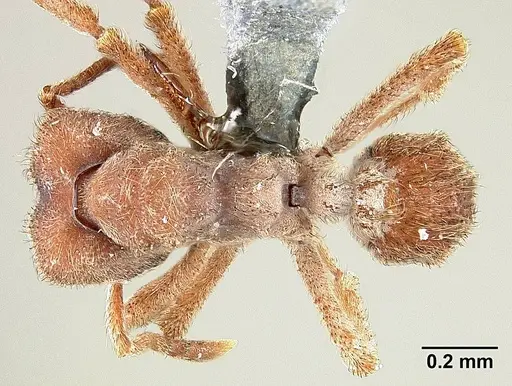
USNMENT00924082
View on AntWeb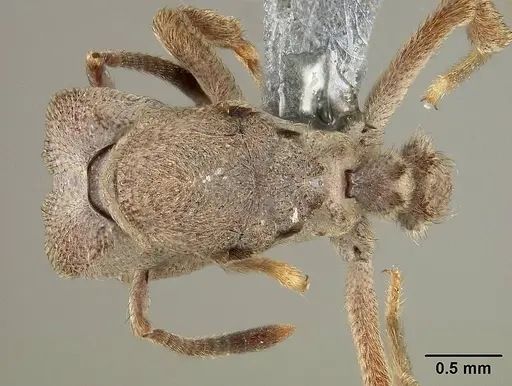
USNMENT00924090
View on AntWeb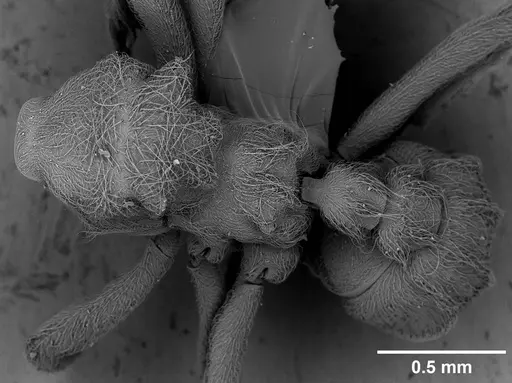
USNMENT00924091
View on AntWeb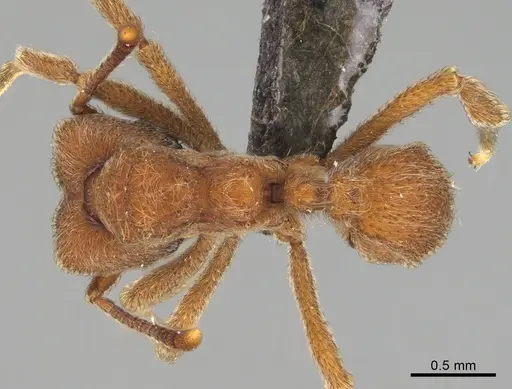
Literature
Loading...Loading products...