

Sericomyrmex radioheadi
- Scientific Name
- Sericomyrmex radioheadi
- Tribe
- Attini
- Subfamily
- Myrmicinae
- Author
- Ješovnik & Schultz, 2017
- Distribution
- Found in 1 countries
Sericomyrmex radioheadi Overview
Sericomyrmex radioheadi is an ant species of the genus Sericomyrmex. It is primarily documented in 1 countries , including Venezuela, Bolivarian Republic of. Detailed taxonomic data and occurrence records can be further explored via authoritative databases such as AntWeb or the Global Biodiversity Information Facility (GBIF).
Sericomyrmex radioheadi
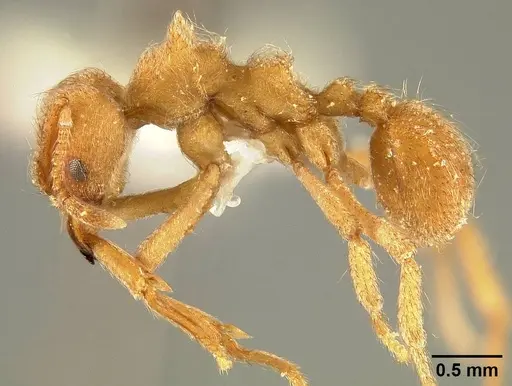
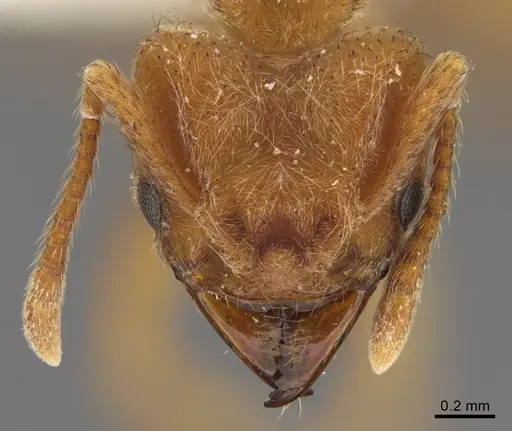
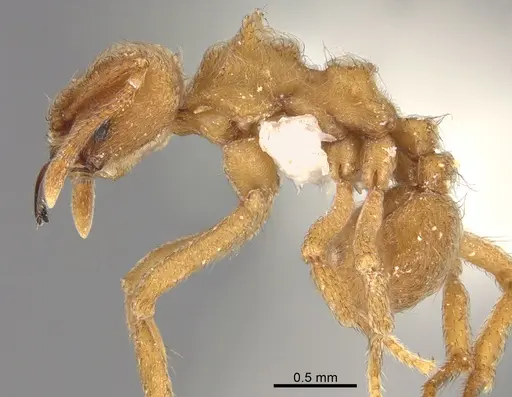
Sericomyrmex radioheadi is a recently described fungus-farming ant from the Amazonian region of Venezuela. Workers are small, measuring around 4-5mm in total length, with a distinctive light yellow body coloration that is paler than other Sericomyrmex species [1]. The species was only described in 2017 and is known from just eight specimens collected in Amazonas, Venezuela, making it one of the rarest and least-studied ants in the hobby [1]. It belongs to the fungus-farming ant tribe Attini, meaning these ants cultivate fungus as their primary food source rather than hunting insects or collecting honeydew [2].
This species gets its name from the English rock band Radiohead, named in acknowledgment of their environmental activism [1]. As a newly described species, no captive breeding records exist yet, and all care recommendations must be inferred from genus-level behavior and related fungus-farming ants. The genus Sericomyrmex is known for nesting in soil within primary rainforest habitats [3].
Quick Summary
- Difficulty: Expert
- Origin & Habitat: Amazonian Venezuela in primary rainforest at approximately 173m elevation [3][1]. This species has an extremely narrow distribution known only from a single collection site in Amazonas state.
- Colony Type: Unknown, colony structure has not been documented for this species. Based on genus patterns, likely monogyne (single queen) but this is unconfirmed.
- Size & Growth:
- Queen: Undescribed, queen caste has not been documented [1]
- Worker: Workers measure 4-5mm total length (WL 1.35-1.43mm) [1]
- Colony: Unknown, only eight worker specimens have ever been collected [1]
- Growth: Unknown, no development data exists
- Development: Unknown, no development studies exist for this species. Based on related fungus-farming ants, expect 2-4 months at warm temperatures but this is purely estimated. (No direct data exists. Estimates based on typical Attini development patterns.)
- Antkeeping:
- Temperature: Keep at 24-28°C, warm, humid tropical conditions. Use a heating cable on one side of the nest to create a gradient if room temperature is below this range.
- Humidity: High humidity is essential, aim for 70-80% relative humidity. Fungus-farming ants need consistently moist substrate for their fungal gardens. Keep the nest substrate damp but not waterlogged.
- Diapause: No, this is a tropical species from lowland Amazon rainforest. No hibernation or winter rest is required [3].
- Nesting: Based on genus behavior, they likely nest in soil chambers within the rainforest floor. In captivity, a plaster nest or test tube setup with moist substrate works well. Provide deep enough material for the ants to create fungal garden chambers.
- Behavior: No species-specific behavior data exists. As fungus-farming ants, they are likely less aggressive than predatory species and more focused on tending their fungal crop. Escape risk is moderate due to their small size, use standard barrier methods. Workers are not known to sting [2].
- Common Issues: no biological data exists, this is one of the least-studied ant species in the hobby, captive breeding has never been documented, expect significant trial and error, fungus garden maintenance is complex and differs from standard ant feeding, humidity control is critical, too dry kills the fungus, too wet causes mold, obtaining a colony may be impossible as this species is rarely collected
Species Background and Rarity
Sericomyrmex radioheadi represents an extraordinary challenge in antkeeping, it is one of the rarest species in the hobby, described only in 2017 and known from a single collection event in Venezuelan Amazonia [1]. The entire scientific knowledge base consists of eight pinned worker specimens, with no queen, male, or colony-level observations ever published. This means every aspect of captive care must be inferred from genus-level patterns and related fungus-farming ant species.
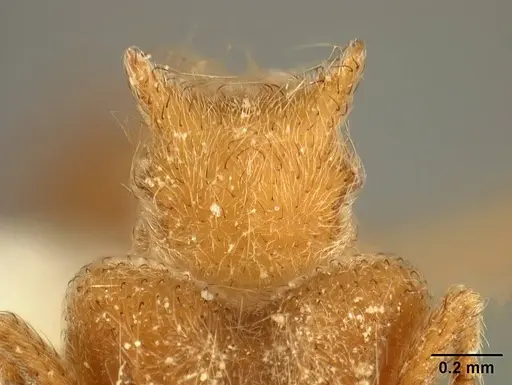
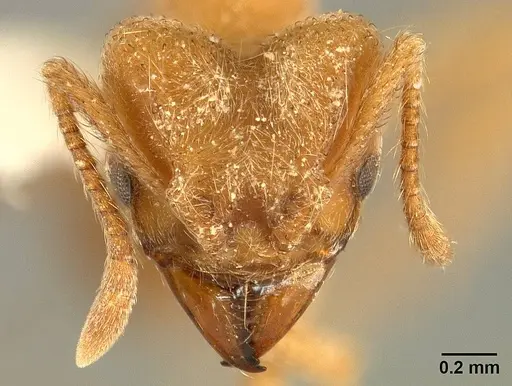
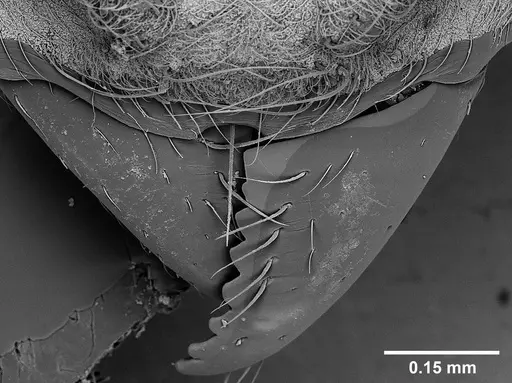
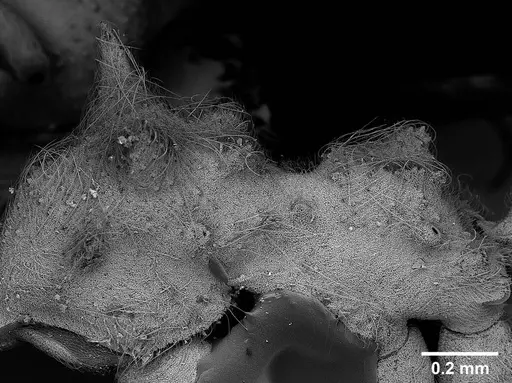
The species was named after Radiohead as a tribute to both their environmental activism and as acknowledgment that their music provided excellent company during the long hours of microscope work required for ant taxonomy [1]. The light yellow coloration is distinctive among Sericomyrmex species, though researchers note this may partially be an artifact of the specimens being dried and pinned [1]. This species is phylogenetically close to Sericomyrmex bondari, sharing similar head shape and smooth mandibles, but can be distinguished by its smaller size, longer antennae, and sharper mesonotal tubercles [1].
Fungus-Farming Biology
Sericomyrmex belongs to the tribe Attini, the fungus-farming ants. This is one of the most specialized feeding strategies in the ant world. Unlike most ants that hunt insects or collect honeydew, Attini ants cultivate fungal gardens for food. The ants actively maintain their fungal crop, providing it with plant material and protecting it from pathogens and competitors [2].
In captivity, this means you cannot feed these ants standard ant foods like sugar water, honey, or insects alone. They require a living fungal garden or specialized fungal substrate. This makes Sericomyrmex radioheadi an expert-only species, the care requirements are fundamentally different from keeping predatory or honeydew-collecting ants. The fungus needs consistent moisture, proper ventilation, and appropriate plant material to survive. If the fungus dies, the colony will starve regardless of other food available.
The genus-level natural history indicates nesting in soil chambers within primary rainforest, suggesting they need deep, moist substrate that can support fungal growth [3]. The elevation of approximately 173m confirms this is a lowland tropical species requiring warm, humid conditions year-round.
Housing and Nest Setup
Given the complete lack of species-specific captive data, housing recommendations must be based on general Attini requirements and educated inference. Use a setup that allows for both a fungal garden chamber and adequate humidity control. A plaster or acrylic nest with a water reservoir works well, the ants can excavate chambers in the material while maintaining the moisture needed for fungus.
The nest should have chambers large enough for the colony to establish their fungal garden. Provide a constant water source, either through a moisture reservoir built into the nest or through regularly moistened substrate. Temperature should be maintained at 24-28°C using a heating cable if necessary, but always provide a thermal gradient so ants can regulate their own temperature.
Escape prevention should be standard, while not large ants, they are not tiny enough to require special fine mesh. Standard fluon barriers on smooth surfaces work adequately. The outworld (foraging area) should be simple and easy to clean, as mold control is critical when maintaining fungal gardens.
Feeding and Nutrition
This is the most critical and challenging aspect of keeping Sericomyrmex radioheadi. As fungus farmers, they cannot survive on typical ant foods. You must either maintain a living fungal garden or provide appropriate fungal substrate. The fungal garden requires regular feeding with plant material, typically leaf fragments, flower parts, or other organic matter that the fungus can digest.
Do not offer sugar water, honey, or protein-rich insects as primary foods. While some Attini will occasionally consume these, their primary nutrition comes from the fungal crop. Offering such foods may actually harm the fungus or create mold problems in the nest. If the colony accepts small amounts of supplementary foods, remove uneaten portions quickly to prevent mold.
The complexity of maintaining a healthy fungal garden makes this species suitable only for very experienced antkeepers who understand the delicate balance required. Many hobbyists who attempt to keep fungus-farming ants fail because the fungal garden declines over time. Start with small amounts of plant material and observe how the fungus responds before establishing a regular feeding schedule. [2]
Temperature and Humidity Requirements
As a lowland Amazonian species from approximately 173m elevation, Sericomyrmex radioheadi requires warm, stable tropical conditions [3]. Target temperatures of 24-28°C during the active season. Temperature drops below 20°C for extended periods will likely stress the colony and potentially kill the fungal garden. Use a heating cable on one side of the nest to create a thermal gradient, allowing workers to move between warmer and cooler areas.
Humidity is equally critical, aim for 70-80% relative humidity within the nest. The fungal garden requires consistent moisture. However, balance is essential: too wet causes mold problems that can destroy the fungus, while too dry kills both the fungus and the colony. Use a moisture reservoir in the nest material and monitor substrate conditions regularly. Some condensation on nest walls is normal and indicates adequate humidity.
No diapause is required, this is a tropical species with no seasonal dormancy pattern [3]. Maintain consistent conditions year-round.
Challenges and Realistic Expectations
You must understand that keeping Sericomyrmex radioheadi represents an extreme challenge in antkeeping. No captive breeding records exist for this species. The entire global population in captivity is likely zero or extremely small. Obtaining founding colonies may be essentially impossible outside of scientific collections.
Even if you obtain specimens, the learning curve will be steep. Fungus-farming ants have fundamentally different requirements than typical ant species. The fungal garden is a living organism that must be maintained alongside the ant colony. Mold, temperature fluctuations, and improper nutrition can kill the fungus quickly, and without it, the colony will starve.
This species is best approached as a long-term research project rather than a typical antkeeping endeavor. Document your observations carefully, any successful captive husbandry would represent a significant contribution to our knowledge of this poorly understood species. Consider connecting with myrmecologists or myrmecology research institutions if you are serious about attempting to keep this species. [1]
Frequently Asked Questions
Can I keep Sericomyrmex radioheadi as a beginner antkeeper?
No. This species is expert-only due to its specialized fungus-farming biology, the complete lack of captive data, and the extreme difficulty of maintaining a fungal garden. Even experienced antkeepers will struggle with this species. Start with easier species like Lasius niger or Camponotus before attempting any fungus-farming ant.
What do Sericomyrmex radioheadi ants eat?
As fungus-farming ants (Attini), they do not eat typical ant foods. They cultivate fungal gardens for nutrition. In captivity, you must provide plant material for the fungus to grow on. Do not feed sugar water, honey, or insects as primary foods, the colony relies on their fungal crop for sustenance. This makes them fundamentally different from keeping predatory or honeydew-collecting ant species.
How big do Sericomyrmex radioheadi colonies get?
Unknown, colony size has never been documented. Only eight worker specimens have ever been collected [1]. Based on related Sericomyrmex species, colonies likely reach several hundred workers, but this is purely speculative. No captive colonies have ever been established.
Where is Sericomyrmex radioheadi found in the wild?
Only known from Amazonian Venezuela, specifically Amazonas state, approximately 10km north of San Carlos de Río Negro [1]. The elevation is around 173m in primary rainforest [3]. This is one of the most restricted distributions of any ant species in the hobby.
Do Sericomyrmex radioheadi need hibernation?
No, this is a tropical lowland Amazonian species with no seasonal dormancy pattern [3]. Maintain warm, humid conditions year-round. Temperature should remain in the 24-28°C range continuously. No cooling period or diapause is required or recommended.
How long does it take for Sericomyrmex radioheadi to develop from egg to worker?
Unknown, no development studies exist for this species. Based on typical Attini (fungus-farming ant) development patterns, expect approximately 2-4 months from egg to first worker at optimal temperatures, but this is purely estimated. No direct data exists for any aspect of their development.
Can I keep multiple Sericomyrmex radioheadi queens together?
Unknown, colony structure has never been documented for this species. Polygyny (multiple queens) has been observed in some Sericomyrmex species, but nothing specific is known about S. radioheadi. Given the complete lack of data, combining unrelated queens is not recommended and would be extremely risky.
What temperature should I keep Sericomyrmex radioheadi at?
Keep nest areas at 24-28°C. This is a lowland tropical species from approximately 173m elevation in Venezuelan Amazonia [3]. Use a heating cable on one side of the nest to create a gradient if room temperature is below this range. Avoid temperatures below 20°C for extended periods.
Why is this species so rare in the antkeeping hobby?
Sericomyrmex radioheadi was only described in 2017 and is known from just eight specimens collected in 1978 [1]. No additional field collections have been reported. The species has an extremely narrow distribution in remote Venezuelan Amazonia. Combined with the specialized fungus-farming biology that makes captive maintenance extremely difficult, this species remains essentially unknown in captivity.
References

This caresheet is licensed under CC BY-SA 4.0 .
USNMENT00924059
View on AntWeb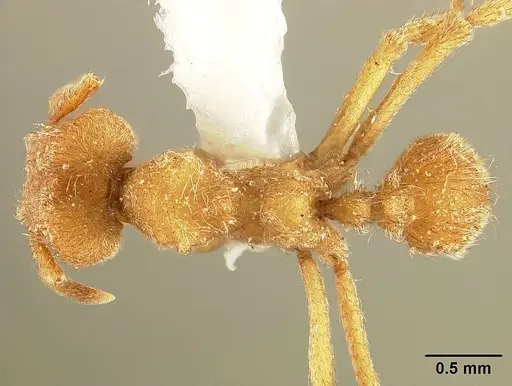
USNMENT00924061
View on AntWeb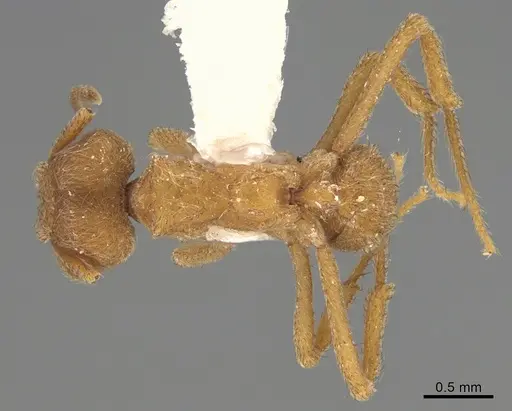
Literature
Loading...Loading products...