

Rossomyrmex minuchae
- Scientific Name
- Rossomyrmex minuchae
- Tribe
- Formicini
- Subfamily
- Formicinae
- Author
- Tinaut, 1981
- Distribution
- Found in 1 countries
Rossomyrmex minuchae Overview
Rossomyrmex minuchae is an ant species of the genus Rossomyrmex. It is primarily documented in 1 countries , including Spain. Detailed taxonomic data and occurrence records can be further explored via authoritative databases such as AntWeb or the Global Biodiversity Information Facility (GBIF).
Rossomyrmex minuchae
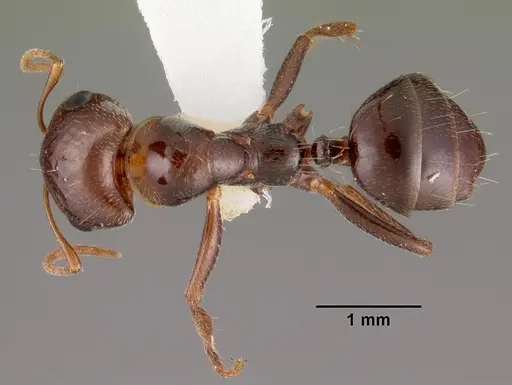
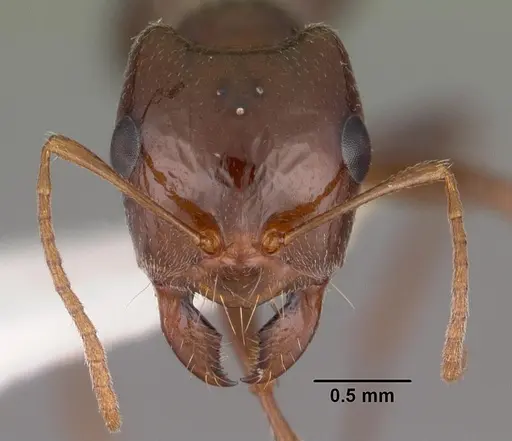
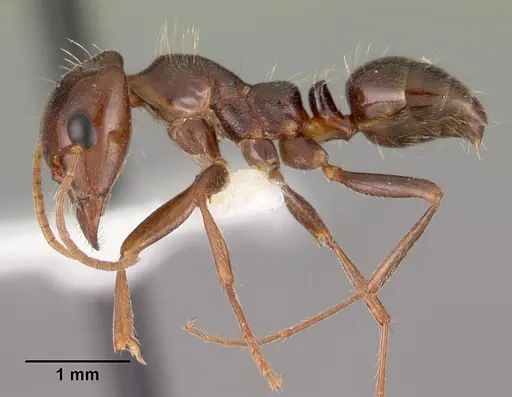
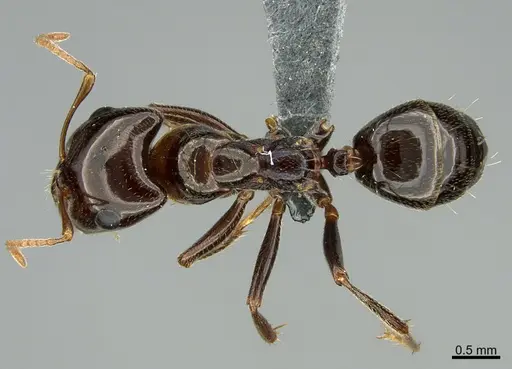
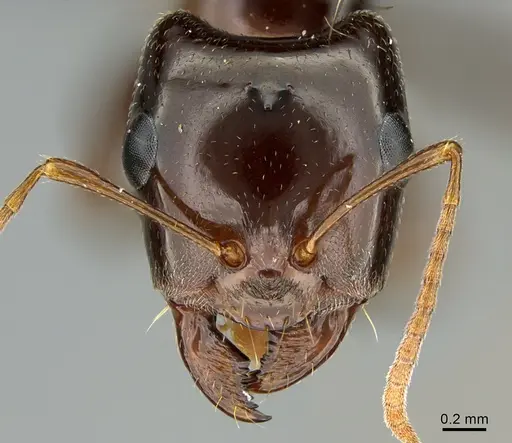
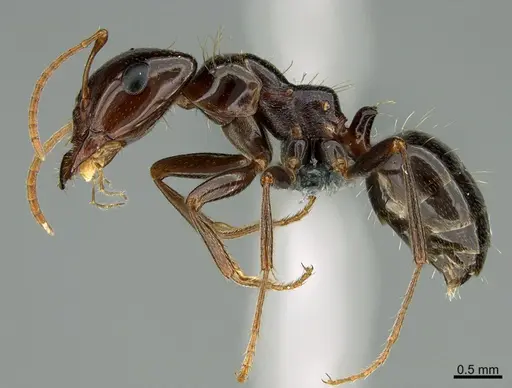
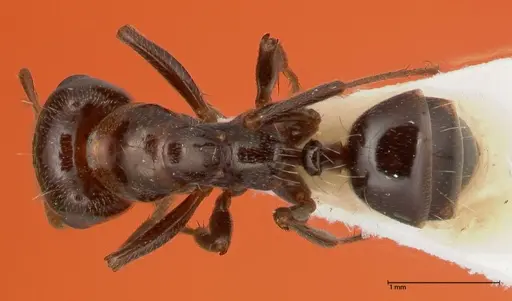
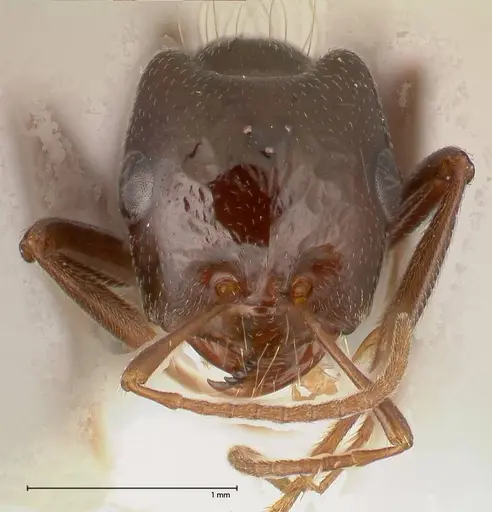
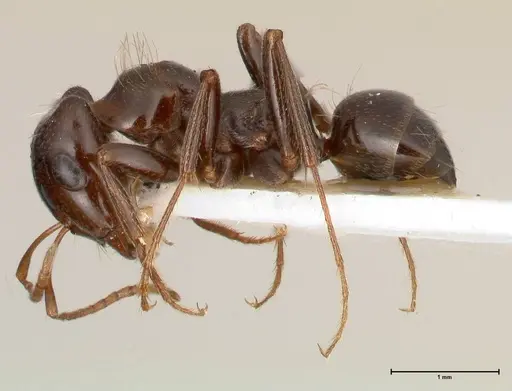
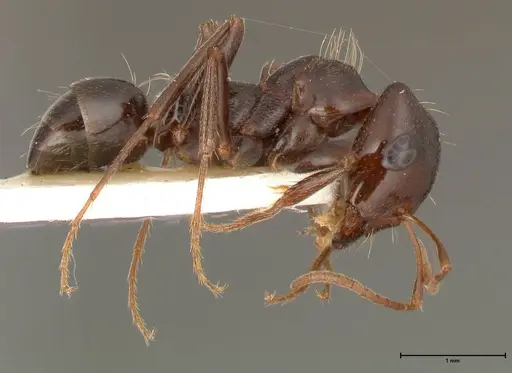
Rossomyrmex minuchae is a rare slave-making ant endemic to the high mountains of southern Spain, specifically the Sierra Nevada, Sierra de Gádor, and Filabres ranges [1][2]. Workers are medium-sized ants with a dark body and abundant yellowish setae covering their form. This species is an obligate social parasite, it cannot survive without its host, Proformica longiseta (and recently discovered populations use P. nasuta) [3][4]. The queen invades a host colony, kills or replaces the host queen, and uses the host workers to raise her own brood. What makes this species remarkable is its extremely limited distribution, it is only known from two localities in Spain, making it one of the rarest ants in Europe, with fewer than 500 mature colonies estimated [2]. The species is classified as Endangered by the IUCN due to its restricted range and specific habitat requirements [2].
Quick Summary
- Difficulty: Expert
- Origin & Habitat: High mountains of southern Spain (Sierra Nevada, Sierra de Gádor, Filabres) at elevations around 1900m [5][2]. Inhabits sparse shrubland with significant Atlantic precipitation influence and high environmental humidity near the sea border [2]. Found exclusively in low shrub zones with a high percentage of bare soil [2]. This is a heat-loving (thermophilic) and sun-loving (heliophilic) species [2].
- Colony Type: Monogynous, one queen per nest. The colony contains both Rossomyrmex workers (~127) and enslaved Proformica workers (~788), giving a host-to-parasite ratio of about 5.8:1 [6]. Queens are monandrous, meaning they mate with only one male [7][8].
- Colony: Monogyne
- Queen: Socially parasitic
- Special: Slave-making
- Size & Growth:
- Queen: Unconfirmed, estimated 5-7mm based on genus descriptions
- Worker: Unconfirmed, estimated 4-6mm based on genus descriptions
- Colony: Approximately 127 Rossomyrmex workers plus 788 enslaved Proformica workers per established colony [6]
- Growth: Slow, dependent on host colony resources
- Development: Unknown, development occurs within the host colony using host worker resources (As an obligate social parasite, R. minuchae does not found colonies independently. The queen must invade an existing Proformica nest to establish a colony.)
- Antkeeping:
- Temperature: Keep warm, around 24-28°C, reflecting their thermophilic nature in the high-altitude Spanish mountains [2]. Provide a temperature gradient allowing ants to self-regulate.
- Humidity: Moderate to high humidity, their native habitat has significant Atlantic moisture influence [2]. Keep nest substrate slightly moist but not waterlogged.
- Diapause: Likely requires a mild winter dormancy period given their mountain habitat in southern Spain. Reduce temperatures to 10-15°C for 2-3 months during winter.
- Nesting: Natural nests are found under stones in alpine meadows. Use a naturalistic setup with flat stones or a Y-tong/plaster nest with chambers scaled to their size. The nest should have a single entrance leading to several shallow galleries and a deeper vertical gallery ending in a chamber where the queen resides [6].
- Behavior: This is an aggressive slave-making species. Workers will defend the colony vigorously and can deliver a painful sting. They are active foragers during warm hours of the day, matching their heliophilic nature [2]. The species has a unique recruitment behavior where ants carry each other to target host nests during raids [9]. Escape risk is moderate, use standard barriers. The most critical aspect of keeping this species is maintaining a healthy host colony (Proformica longiseta or P. nasuta) as they cannot survive without enslaved workers.
- Common Issues: This species is critically endangered in the wild, ethical concerns exist about collecting or keeping this ant [2], The colony cannot survive without a host Proformica colony, you must maintain both species, Extremely limited distribution means this species should not be collected from the wild, Maintaining two colonies (parasite and host) doubles the care complexity, Pine replantation and habitat alteration threaten wild populations [2]
Species Overview and Legal Considerations
Rossomyrmex minuchae is one of the rarest and most specialized ants in Europe. It is classified as Endangered by the IUCN with fewer than 500 mature colonies estimated to exist worldwide, confined to just two mountain ranges in southern Spain [2]. This species should NOT be collected from the wild under any circumstances. The primary threats include alteration of soil microclimates through pine replantation, road expansion near populations, and over-collection by researchers and hobbyists [2]. If you are considering keeping this species, you must have a legitimate source from a conservation breeding program, never take from the wild. The species has recently been found in a new central Spain population (Guadarrama) parasitizing Proformica nasuta instead of P. longiseta, showing the parasite can adapt to different host species [4].
The Slave-Making Relationship
R. minuchae is an obligate social parasite, it cannot survive without its host species. The queen must invade an established Proformica colony, kill or replace the host queen, and use the host workers to raise her own brood [3]. The relationship is permanent: once established, the colony consists of both Rossomyrmex rulers and enslaved Proformica workers. Research shows the parasite chemically mimics its host's cuticular hydrocarbon profile to avoid detection, though the profiles remain quantitatively distinct [10][3]. Interestingly, the chemical profile matches more closely with local host populations, showing ongoing coevolution [4]. The Dufour's gland plays a key role, virgin queen glands contain tetradecanal which helps them gain acceptance into the host colony [11][10].
Housing Requirements
Keeping R. minuchae successfully requires maintaining TWO colonies, the parasite and its host. The host colony (Proformica longiseta or P. nasuta) must be healthy and established before introducing the parasite queen. Use a naturalistic setup with flat stones or a well-designed formicarium with chambers matching their size. In the wild, nests are found under stones at about 36cm depth, with one entrance leading to shallow galleries and a deeper vertical gallery ending in a queen chamber [6]. The nest should be in a warm, sunny location to match their heliophilic and thermophilic nature [2]. Maintain temperatures around 24-28°C with a gradient, and provide moderate humidity reflecting their mountain habitat with Atlantic moisture influence.
Feeding and Nutrition
The enslaved Proformica workers do the foraging and feeding of the colony, including the Rossomyrmex queen and brood. You will need to feed the host colony directly. Proformica species are omnivorous, accepting small insects, honeydew, and sugar sources. Offer small insects (fruit flies, small crickets, mealworms) and sugar water or honey regularly to the host colony. The Rossomyrmex workers will also accept protein prey but obtain most of their nutrition through the host workers' trophallaxis (food sharing). Ensure the host colony has constant access to sugar sources and protein prey at least twice weekly.
Colony Behavior and Raiding
R. minuchae conducts organized raids on host colonies to obtain brood. These raids are long, lasting 2-3 days, and depend on the population of the targeted nest [6]. The entire brood is typically harvested and raised as enslaved workers. This species has a unique recruitment method where ants carry each other to target nests rather than using chemical trails [9]. The queen has two distinct activity periods: mating takes place in early afternoon when she calls near the natal nest, mates, and returns. The dispersal period occurs in late afternoon when mated queens exit and fly to find a new non-parasitized host nest [12]. Worker relatedness within colonies is high (0.72), indicating strong kin selection [6].
Reproduction and Nuptial Flights
Sexual reproduction in R. minuchae is not annual, sexuals are produced in low numbers, and the sex ratio tends to be female-biased [12]. Males and females emerge from the colony and conduct their mating in the early afternoon. After mating, queens return to their natal nest briefly before dispersing in late afternoon to find new host colonies [12]. Copulation lasts approximately 12 seconds, and queens are monandrous (mate with only one male) [8]. This low reproductive rate contributes to the species' rarity and vulnerability. In captivity, establishing new colonies requires careful introduction of a mated queen to an established, non-parasitized Proformica host colony.
Frequently Asked Questions
Can I keep Rossomyrmex minuchae as a pet?
This species is classified as Endangered by the IUCN with fewer than 500 mature colonies existing in the wild, confined to just two mountain ranges in Spain [2]. You should NOT keep this species unless you obtain them from a legitimate conservation breeding program, never collect from the wild. The species faces multiple threats including habitat alteration and over-collection [2]. Additionally, keeping this species requires expertise and maintaining two colonies (parasite and host).
What do Rossomyrmex minuchae ants eat?
As a slave-making ant, R. minuchae relies on its enslaved Proformica host workers to forage and feed the colony. You will need to feed the host colony directly with small insects (fruit flies, small crickets, mealworms) and sugar water or honey. Offer protein prey twice weekly and ensure constant access to sugar sources.
How do I start a Rossomyrmex minuchae colony?
You cannot start a colony from scratch, R. minuchae is an obligate social parasite that requires a host Proformica colony to survive. You would need an established Proformica longiseta or P. naseta colony, then introduce a newly mated R. minuchae queen. The queen must invade and take over the host colony, killing or replacing the host queen [3]. This is extremely difficult to achieve in captivity and should only be attempted by expert antkeepers with proper permits.
What temperature do Rossomyrmex minuchae need?
Keep them warm, around 24-28°C, reflecting their thermophilic (heat-loving) nature in the high-altitude Spanish mountains [2]. Provide a temperature gradient so the ants can self-regulate. Their natural habitat in Sierra Nevada receives significant sunlight, so a warm, well-lit location is ideal.
How big do Rossomyrmex minuchae colonies get?
Established colonies contain approximately 127 Rossomyrmex workers plus about 788 enslaved Proformica workers, giving a host-to-parasite ratio of about 5.8:1 [6]. The colony size is limited by the host colony's resources, making this a relatively small colony compared to many ant species.
Do Rossomyrmex minuchae need hibernation?
Given their mountain habitat in southern Spain, they likely experience a mild winter dormancy period. Reduce temperatures to 10-15°C for 2-3 months during winter to simulate natural seasonal cycles. However, avoid temperatures below freezing as this does not match their natural climate.
Why is Rossomyrmex minuchae so rare?
This species has an extremely limited distribution, known only from two mountain ranges in southern Spain (Sierra Nevada and Sierra de Gádor) [2]. It is also an obligate parasite requiring a specific host (Proformica longiseta or P. nasuta), which limits where it can establish colonies [3][4]. The IUCN classifies it as Endangered due to its restricted range, small population size, and threats from habitat alteration [2].
Are Rossomyrmex minuchae good for beginners?
No. This species is rated Expert difficulty for several reasons: it is an obligate social parasite requiring a host colony, it is critically endangered making ethical sourcing difficult, it requires maintaining two colonies simultaneously, and it has extremely specific habitat requirements [2]. This species should only be kept by experienced antkeepers with proper permits and a legitimate conservation-focused source.
References

This caresheet is licensed under CC BY-SA 4.0 .
Literature
Loading...Loading products...