

Romblonella scrobifera
- Scientific Name
- Romblonella scrobifera
- Tribe
- Crematogastrini
- Subfamily
- Myrmicinae
- Author
- Emery, 1897
- Distribution
- Found in 1 countries
Romblonella scrobifera Overview
Romblonella scrobifera is an ant species of the genus Romblonella. It is primarily documented in 1 countries , including Papua New Guinea. Detailed taxonomic data and occurrence records can be further explored via authoritative databases such as AntWeb or the Global Biodiversity Information Facility (GBIF).
Romblonella scrobifera
Romblonella scrobifera is a small ant species originally described from New Guinea in 1897,where it was named Romblonella scrobifera before being reclassified into the genus Romblonella in 1956 [1]. Workers are typical of the Myrmicinae subfamily, with the genus characterized by a longitudinally carinate dorsum on the mesosoma and a distinct median clypeal structure [1]. This species has a scattered distribution across the southwestern Pacific, including New Guinea, the Solomon Islands (Three Sisters, Santa Anna), and Fiji, where a subspecies R. scrobifera liogaster was historically recognized [2][3]. As a member of the Indo-Pacific clade related to Paratopula, these ants are part of a diverse radiation of Myrmicinae ants across tropical Pacific islands [4][5].
The biology of R. scrobifera remains poorly documented in scientific literature. Based on its original classification as Tetramorium and its tropical Pacific distribution, it likely inhabits forest floor environments in humid, shaded areas. The Fiji population represents an endemic subspecies, highlighting the species' adaptation to island environments [2]. This is not a common species in antkeeping circles, and captive husbandry information is extremely limited.
Quick Summary
- Difficulty: Unknown
- Origin & Habitat: Tropical Pacific islands including New Guinea, Solomon Islands, and Fiji. Found in forest floor habitats in the Australasian region [5][2].
- Colony Type: Unknown colony structure. The colony type (single-queen or multi-queen) has not been documented in scientific literature.
- Size & Growth:
- Queen: Undocumented in available literature. Estimated 5-7mm based on genus-level patterns.
- Worker: Undocumented in available literature. Estimated 2-4mm based on related Tetramorium species.
- Colony: Unknown. Likely small to moderate colonies typical of tropical Myrmicinae.
- Growth: Unknown
- Development: Unconfirmed (Development timeline has not been directly studied. Based on similar tropical Myrmicinae, development likely takes 4-8 weeks at optimal temperatures.)
- Antkeeping:
- Temperature: Likely requires warm conditions typical of tropical Pacific species. Based on distribution in New Guinea and Fiji, aim for 24-28°C. This is an estimate, adjust based on colony behavior.
- Humidity: Likely requires high humidity given the tropical, often humid forest floor habitats of its range. Keep substrate consistently moist but not waterlogged. This is inferred from habitat data.
- Diapause: Unlikely to require true diapause given the tropical distribution. May have reduced activity during cooler periods but probably does not enter hibernation.
- Nesting: Likely nests in soil or rotting wood in shaded, humid microhabitats. A naturalistic setup with moist substrate or a Y-tong/plaster nest would be appropriate. This is inferred from typical Romblonella and related genus behavior.
- Behavior: Behavior is undocumented. Based on related Tetramorium species, workers are likely active foragers on the forest floor, possibly tending aphids or collecting small prey. Escape prevention should be moderate, workers are small but not among the tiniest ants. Temperament is unknown but likely not aggressive.
- Common Issues: lack of documented care information makes proper husbandry challenging, wild-caught colonies may have parasites or diseases not well-understood, very limited availability in the antkeeping hobby means few resources exist for troubleshooting
Distribution and Habitat
Romblonella scrobifera is found across the southwestern Pacific region, with documented populations in New Guinea (the type locality), the Solomon Islands (Three Sisters and Santa Anna), and Fiji [3][2]. The Fiji population was historically described as a subspecies (R. scrobifera liogaster) but this designation was later truncated [2]. The species is part of the broader Indo-Pacific radiation of Myrmicinae ants, clustered within a clade related to Paratopula [4][5].
In its natural habitat, this species likely occupies forest floor environments in humid, shaded areas typical of tropical Pacific islands. The Fiji population is recorded from the Lau group, suggesting island-specific adaptations [2]. The scattered island distribution across the Pacific indicates this species has successfully colonized multiple isolated landmasses, a testament to its dispersal capabilities.
Taxonomy and Identification
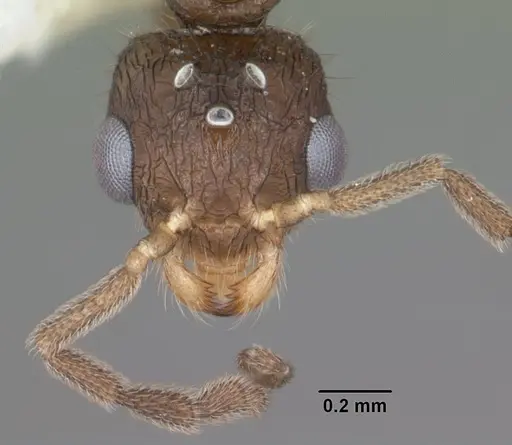
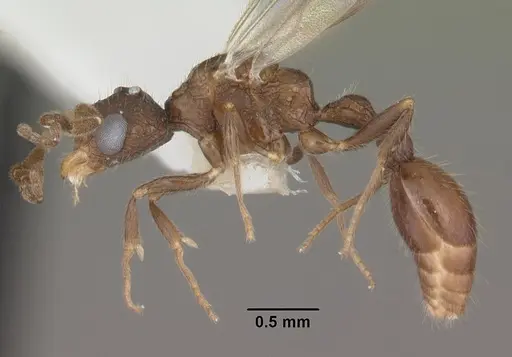
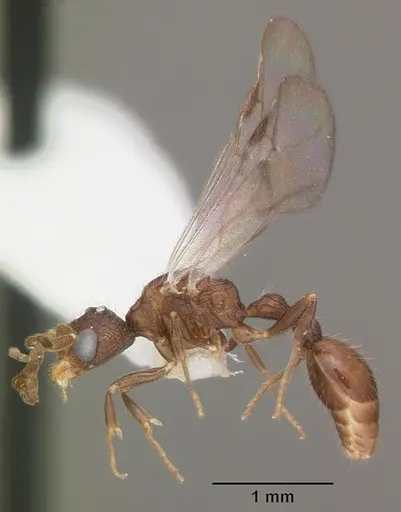
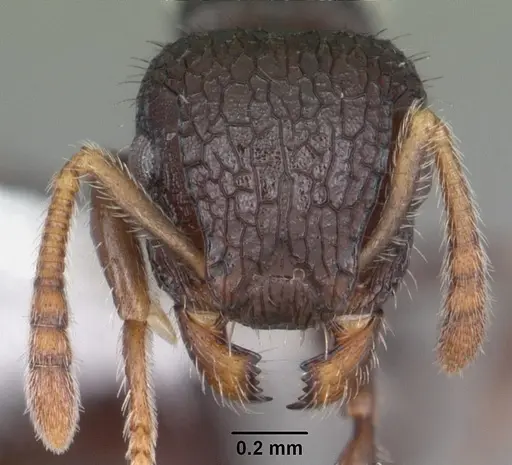
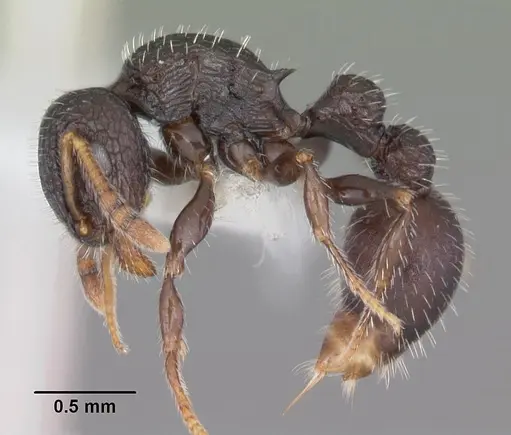
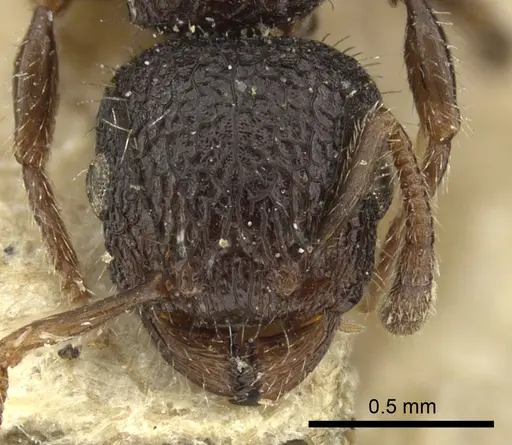
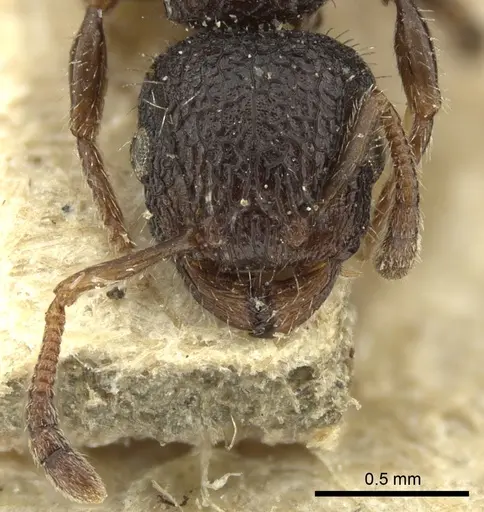
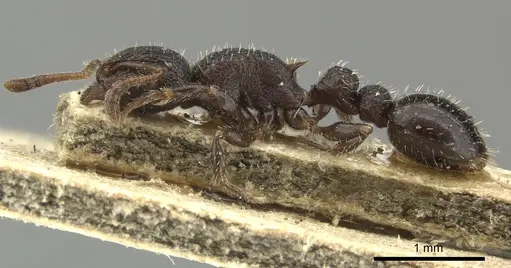
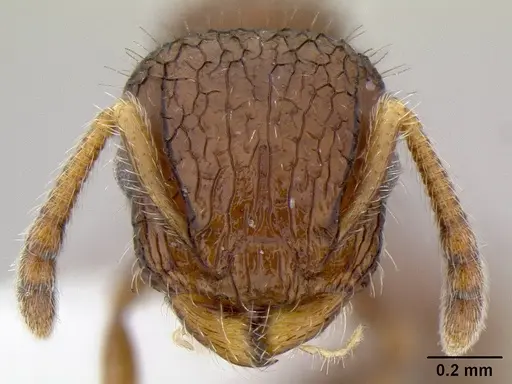
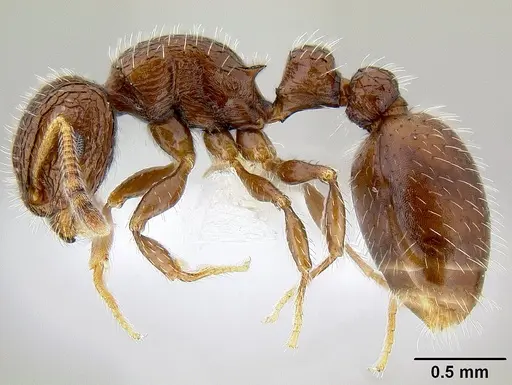
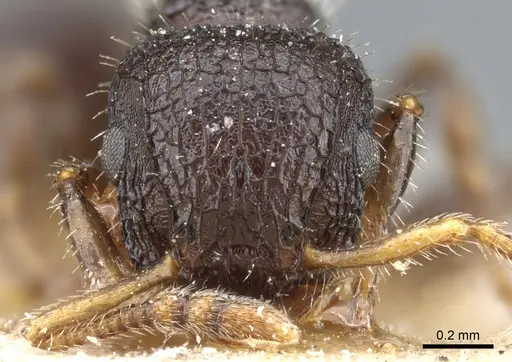
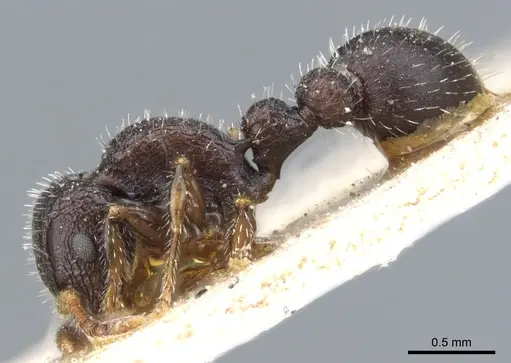
The species was originally described by Emery in 1897 as Romblonella scrobifera from New Guinea specimens [1]. It was later transferred to the genus Romblonella by Smith in 1956,reflecting taxonomic revisions based on morphological characteristics [1]. The genus Romblonella is characterized by workers with a longitudinally carinate dorsum of the mesosoma (meaning the upper body has ridge-like structures running front to back) and a median clypeus without a well-developed median carina [1].
Identifying Romblonella scrobifera specifically requires examination of these morphological features. The species name 'scrobifera' refers to the distinctive sculpturing on the ant's body. For antkeepers, accurate identification can be challenging without comparison specimens, and consultation with taxonomic resources or experts may be necessary.
Care Recommendations
Due to the complete lack of documented captive care information for this species, all recommendations are estimates based on related ant biology and the species' natural distribution. Keep these ants in warm, humid conditions mimicking their tropical Pacific habitat. Temperature should be maintained around 24-28°C, which is typical for tropical species from this region. Humidity should be high, think damp forest floor conditions with moisture levels around 70-80%.
For nesting, a naturalistic setup with moist substrate or a Y-tong/plaster nest would be appropriate. The ants likely nest in soil or rotting wood in the wild, so provide accordingly. Feeding should include typical ant foods: sugar sources (honey water or sugar water) and protein (small insects like fruit flies or pinhead crickets). However, specific dietary preferences are unknown, so observe your colony's acceptance of various foods.
This species is extremely rare in the antkeeping hobby, and no established husbandry protocols exist. If you obtain a colony, careful observation and documentation of behavior would be valuable contributions to our understanding of this species.
Related Species and Context
Romblonella scrobifera belongs to the tribe Crematogastrini within the Myrmicinae subfamily, a diverse group of ants found primarily in the Indo-Pacific region [4]. The genus Romblonella contains several other species, primarily distributed across Pacific islands and Southeast Asia. A related species, Romblonella longinoi, was described from Sabah, Malaysia in 2016,showing the genus extends to mainland Asia as well [1].
The original placement of this species in Tetramorium is informative, Tetramorium is a large, well-studied genus with many ground-nesting species. While R. scrobifera has since been reclassified, it may share ecological characteristics with Tetramorium species, including ground-nesting habits and generalist foraging. This taxonomic context provides the best basis for inferring care requirements when direct observations are unavailable.
Frequently Asked Questions
How do I keep Romblonella scrobifera ants?
Care information is not documented. Based on its tropical Pacific distribution, provide warm temperatures (24-28°C) and high humidity (70-80%). Use a naturalistic setup with moist substrate or a Y-tong nest. This is an estimate since no captive husbandry protocols exist for this species.
What do Romblonella scrobifera ants eat?
Specific dietary preferences are unknown. Based on related Tetramorium species, they likely accept sugar sources (honey water) and small protein items (fruit flies, small crickets). Offer a varied diet and observe what your colony accepts.
How big do Romblonella scrobifera colonies get?
Colony size is undocumented. Based on similar tropical Myrmicinae, colonies likely reach small to moderate sizes of 100-500 workers. More research is needed to confirm this estimate.
Where is Romblonella scrobifera found?
This species is found across the southwestern Pacific, including New Guinea (type locality), Solomon Islands (Three Sisters, Santaanna), and Fiji [3][2]. It is part of the Australasian region fauna.
Is Romblonella scrobifera good for beginners?
This species is not recommended for beginners. It is extremely rare in the antkeeping hobby with no established care protocols. The complete lack of documented husbandry information makes successful keeping challenging even for experienced keepers.
Does Romblonella scrobifera need hibernation?
True diapause is unlikely given the tropical distribution of this species. The ant is native to New Guinea, Solomon Islands, and Fiji, all regions without cold winters. Expect year-round activity without a hibernation period.
What temperature should I keep Romblonella scrobifera at?
Based on its tropical Pacific distribution, aim for temperatures around 24-28°C. This is an estimate since no thermal tolerance studies exist for this species. Monitor colony behavior and adjust if workers appear sluggish or overly active.
Can I keep multiple Romblonella scrobifera queens together?
Colony structure is unconfirmed. The number of queens per colony (monogyne vs polygyne) has not been documented in scientific literature. Do not attempt combining unrelated queens without established protocols.
How long does it take for Romblonella scrobifera to develop from egg to worker?
Development timeline is unconfirmed. Based on similar tropical Myrmicinae, development likely takes 4-8 weeks at optimal warm temperatures. This is an estimate, no direct observations exist.
Is Romblonella scrobifera aggressive?
Temperament is not documented. Based on related Tetramorium species, they are likely not particularly aggressive but will defend their nest if threatened. More specific behavioral observations are needed.
What makes Romblonella scrobifera different from other ants?
This species represents a poorly studied component of Pacific island ant biodiversity. Its scattered distribution across New Guinea, Solomon Islands, and Fiji, along with its taxonomic history (originally described as Tetramorium), make it an interesting subject for ant enthusiasts interested in less common species.
Where can I get Romblonella scrobifera ants?
This species is extremely rare in the antkeeping hobby. It is not commonly available from commercial ant suppliers. Any colonies would likely need to be wild-caught from its native range, which raises significant legal and ethical concerns regarding collection and transport.
References

This caresheet is licensed under CC BY-SA 4.0 .
CASENT0010806
View on AntWeb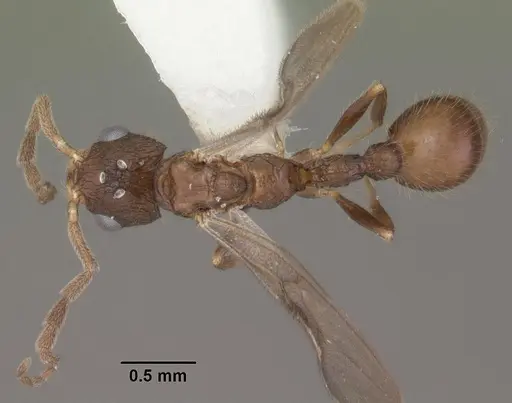
CASENT0010935
View on AntWeb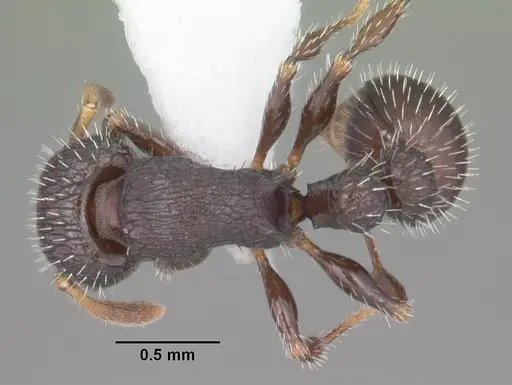
CASENT0013155
View on AntWeb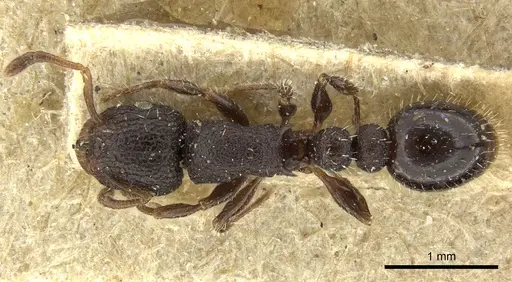
CASENT0106224
View on AntWeb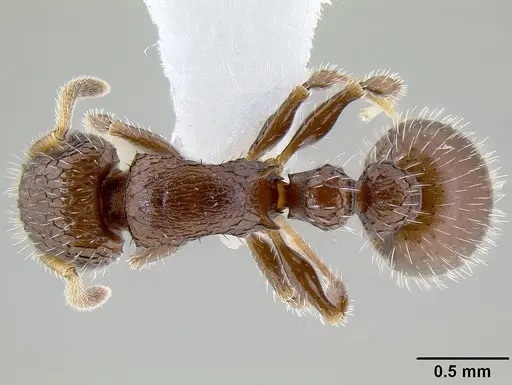
CASENT0904851
View on AntWeb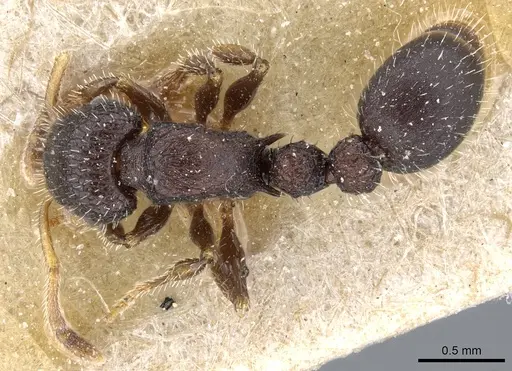
Literature
Loading...Loading products...