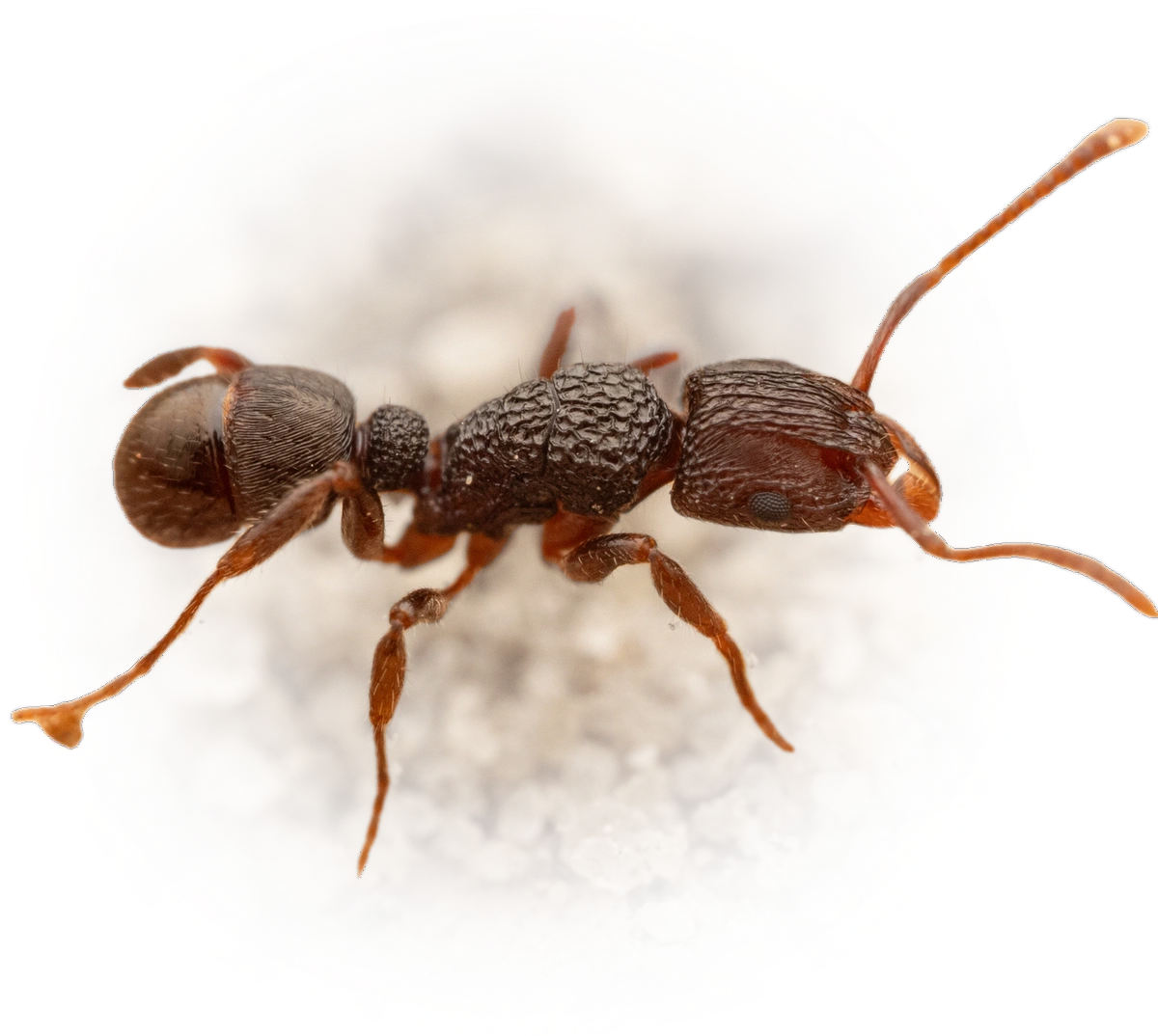

Rhytidoponera victoriae
- Scientific Name
- Rhytidoponera victoriae
- Tribe
- Ectatommini
- Subfamily
- Ectatomminae
- Author
- André, 1896
- Distribution
- Found in 1 countries
Rhytidoponera victoriae Overview
Rhytidoponera victoriae is an ant species of the genus Rhytidoponera. It is primarily documented in 1 countries , including Australia. Detailed taxonomic data and occurrence records can be further explored via authoritative databases such as AntWeb or the Global Biodiversity Information Facility (GBIF).
Rhytidoponera victoriae
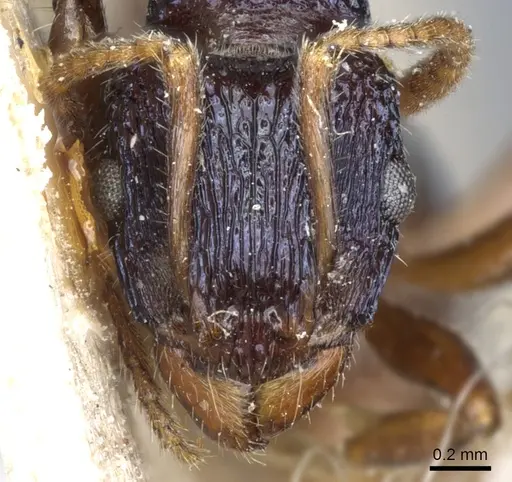
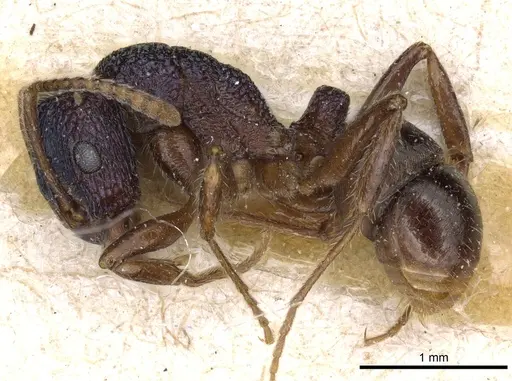
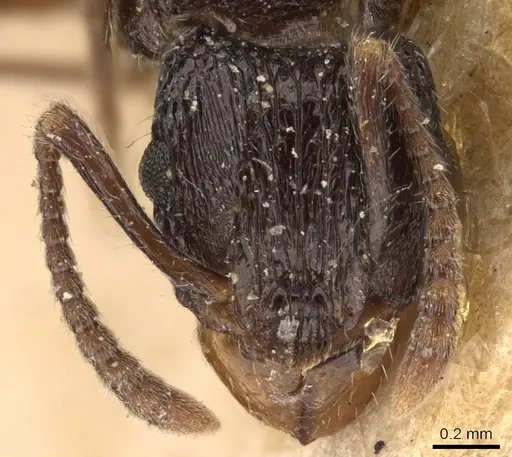
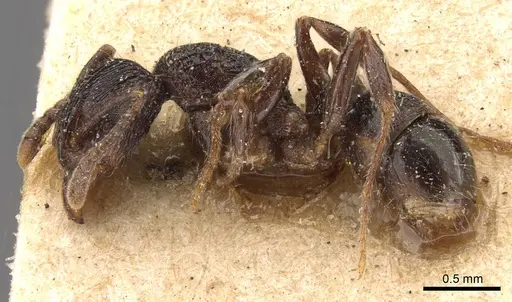
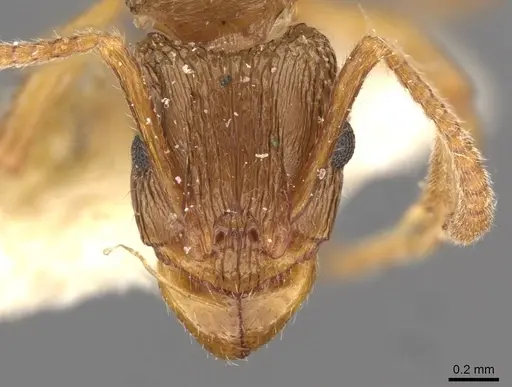
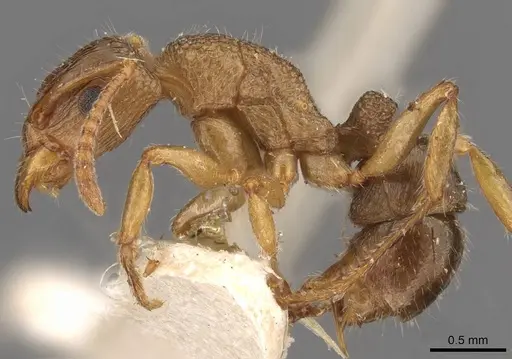
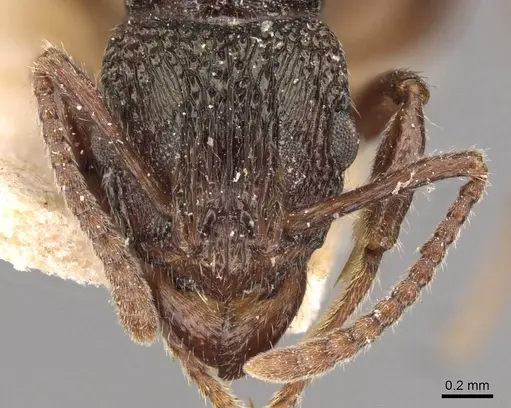
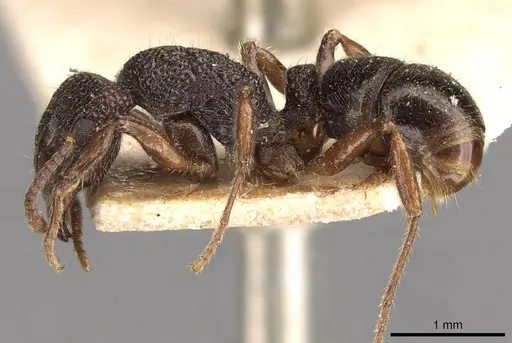
Rhytidoponera victoriae is an Australian ponerine ant known for its distinctive metallic green to bronze coloration, though some populations appear darker. Workers measure around 5-7mm and are relatively robust for a ponerine ant. This species is native to eastern Australia, particularly Victoria, New South Wales, and Queensland, where it inhabits moist forest environments ranging from sclerophyll forests to rainforests. The species was originally described from the Victorian Alps in 1896 and has several synonyms from historical taxonomic work. Unlike many ant species, R. victoriae appears to have colonies where queens are rare or absent in some populations, with reproduction handled primarily by workers [1]. This makes it unusual among ants and creates interesting challenges for keepers.
Quick Summary
- Difficulty: Medium
- Origin & Habitat: Eastern Australia (Victoria, New South Wales, Queensland) in moist forest environments including sclerophyll forests and rainforests up to 1200m elevation [2][3].
- Colony Type: Unusual colony structure, queens appear rare or absent in many populations, with reproduction handled primarily by workers. This differs from typical ant colonies and may represent a worker-reproductive system similar to related species [1][4].
- Special: Gamergates
- Size & Growth:
- Queen: Approximately 6-8mm (estimated based on genus, queens not commonly collected)
- Worker: 5-7mm [5]
- Colony: Likely moderate, related species R. metallica forms colonies of several hundred workers
- Growth: Moderate
- Development: Estimated 6-10 weeks at optimal temperature (based on typical ponerine development) (Direct development data unavailable for this species, estimates based on related Rhytidoponera species and typical ponerine development patterns)
- Antkeeping:
- Temperature: Keep at 20-24°C, they inhabit moist forests and prefer moderate temperatures. A slight gradient allows workers to thermoregulate.
- Humidity: Moderate to high, these are forest-floor ants from moist habitats. Keep substrate damp but not waterlogged, with some drier areas available.
- Diapause: Likely minimal or none, being from temperate Australia, they may experience slight slowdowns in winter but true hibernation is not documented [2].
- Nesting: In nature they nest in soil under stones or in rotting wood. In captivity, a naturalistic setup with moist substrate or a Y-tong/plaster nest works well. They prefer dark, humid nest chambers.
- Behavior: These ants are opportunistic foragers that are primarily day-active. They are attracted to protein and fat sources, as evidenced by their attraction to minced meat baits in studies [6]. They are larger ants and can deliver a sting if threatened, the subfamily Ectatomminae includes stinging species. They are more common in habitats with complex vegetation structure [7]. Workers are active foragers and will scavenge for prey and carrion. Escape prevention is important as they are strong climbers.
- Common Issues: Queens are rarely found, colonies may reproduce via workers instead, which can be confusing for keepers expecting dealate queens, Limited availability in the antkeeping hobby due to unusual colony structure, Sensitive to invasive ants, Argentine ants (Linepithema humile) negatively affect this species in its native range [9], Requires protein-rich foods, may not thrive on sugar-only diets, Moderate temperature needs may require heating in cooler climates
Colony Structure and Reproduction
Rhytidoponera victoriae has an unusual colony structure that sets it apart from most ant species. Research on related species R. metallica shows that mature colonies are predominantly or entirely worker-reproductive, with queens being rare or unknown in many populations [4][1]. This means your colony may not have a traditional queen, and instead fertilized workers may handle reproduction. This is called gamergate reproduction, workers that can lay fertilized eggs. Queens are collected throughout most of the geographical distribution but are not always present in established colonies [4]. For keepers, this means you may establish a colony from a dealate queen if you find one, or you may need to acquire a colony that is already established with reproductive workers.
Feeding and Diet
These ants are opportunistic foragers with a preference for protein and fat sources. Field studies show they are strongly attracted to minced meat baits, indicating they belong to a predator/scavenger feeding guild [6]. In captivity, offer them a varied diet including small live insects (fruit flies, small crickets, mealworms), dead insects, and occasional protein-rich foods like small pieces of meat or fish. They will also accept sugar sources like honey or sugar water, but protein should form the bulk of their diet. Feed them every 2-3 days, removing uneaten prey after 24 hours to prevent mold.
Temperature and Housing
Keep your colony at 20-24°C, which mimics their natural environment in moist Australian forests. They do best with a temperature gradient so workers can choose their preferred microclimate. A heating cable on one side of the nest can create this gradient, place it on top of the nest, not underneath, to avoid excessive drying. They prefer humid conditions, so keep the nest substrate moist but not waterlogged. A naturalistic setup with a soil layer under stones or a Y-tong/plaster nest with good humidity retention works well. Provide a dark area for the nest chamber as these are ground-nesting forest ants.
Behavior and Defense
Rhytidoponera victoriae is a larger ant with documented stinging ability, research shows they have a functional stinger with a surface area of 0.13mm² [5]. While not aggressive, they will sting if threatened or if their nest is disturbed. The sting is reportedly painful but not medically significant for healthy humans. They are day-active foragers and will actively search for food around the nest. They are more common in habitats with complex vegetation [7], so providing enrichment with climbing structures and varied terrain is beneficial. They are good climbers, so ensure your enclosure has secure barriers.
Ecological Considerations
This species is native to eastern Australia and plays an important ecological role as an opportunist species in forest ecosystems [3]. It is one of the most abundant ant species in its range and responds positively to environmental disturbance like fire and logging [8]. However, it is negatively affected by invasive ant species, particularly the Argentine ant (Linepithema humile) [9]. If you live in areas where Argentine ants are established, be especially careful about escape prevention to protect native ecosystems. Never release this or any ant outside its native range.
Frequently Asked Questions
How do I start a Rhytidoponera victoriae colony?
Starting a colony can be challenging because queens are rarely found, this species often reproduces via workers rather than a traditional queen [1]. Your best option is to find an established colony or acquire a colony from an existing keeper. If you do obtain a dealate queen, she should be claustral (seals herself in) and raises first workers alone on stored fat reserves.
Does Rhytidoponera victoriae have a queen?
Queens are rare or unknown in many populations of this species. Research shows related species R. metallica has colonies that are predominantly or entirely worker-reproductive [4]. This means your colony may have gamergates (reproductive workers) instead of a queen, which is unusual but valid for this species.
What do Rhytidoponera victoriae ants eat?
They are attracted to protein and fat sources. Feed them small live insects (fruit flies, small crickets), dead insects, and occasional protein like small pieces of meat or fish. They will also accept sugar water or honey, but protein should form the main diet [6].
Do Rhytidoponera victoriae ants sting?
Yes, they can sting. Research confirms they have a functional stinger [5]. While not aggressive, they will sting if threatened. The sting causes moderate pain but is not medically dangerous for healthy individuals.
Are Rhytidoponera victoriae good for beginners?
This species is rated Medium difficulty. The main challenge is obtaining a colony since queens are rarely found. Once established, they are relatively straightforward to keep with proper humidity and protein-rich feeding. Their unusual colony structure may be confusing for those expecting traditional queen-right colonies.
What temperature and humidity do they need?
Keep them at 20-24°C with moderate to high humidity. They come from moist Australian forests, so the nest substrate should be damp but not waterlogged. A temperature gradient allows workers to regulate their own conditions.
How big do colonies get?
Colony size is estimated at several hundred workers based on related species. They are moderate growers, though exact development timelines are not well-documented for this specific species.
Do they need hibernation?
True hibernation is not documented for this species. Being from temperate Australia, they may experience slight slowdowns in winter months but likely do not require a dedicated diapause period.
Why are my ants dying?
Common issues include: too dry conditions (they need humid forest-floor habitat), insufficient protein (they need regular insect prey), and stress from disturbance. Also ensure they are not being affected by invasive ant species if you have other ant colonies nearby.
References

This caresheet is licensed under CC BY-SA 4.0 .
CASENT0281260
View on AntWeb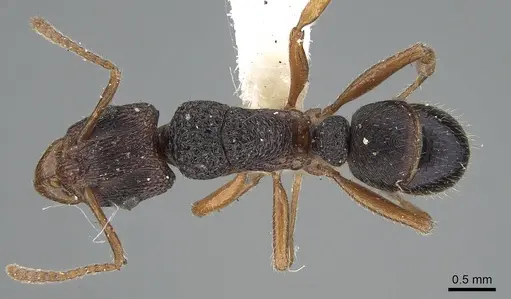
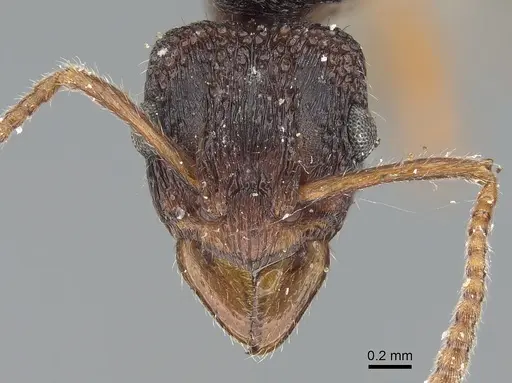
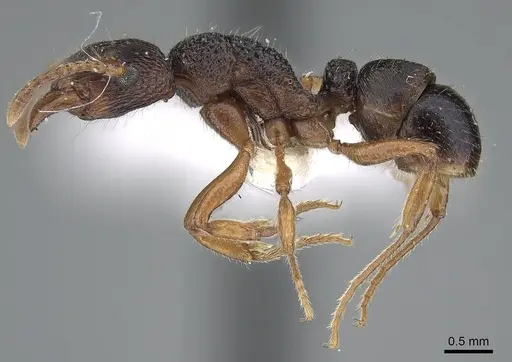
CASENT0903829
View on AntWeb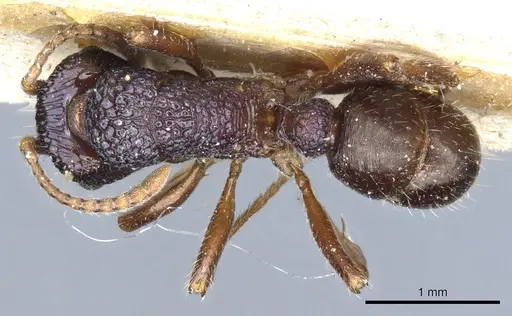
CASENT0907164
View on AntWeb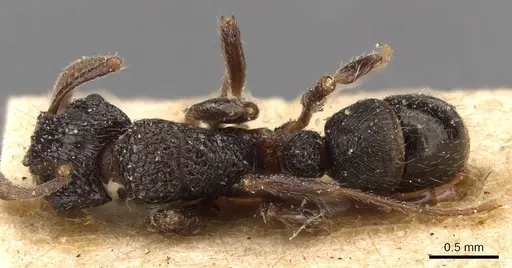
CASENT0907166
View on AntWeb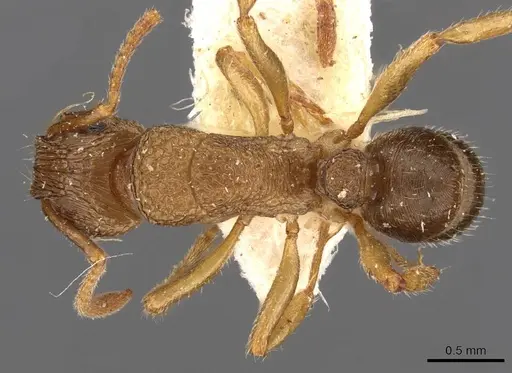
CASENT0907167
View on AntWeb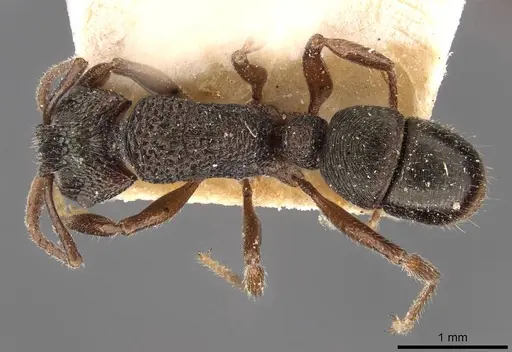
Literature
Loading...Loading products...