

Rhytidoponera luteipes
- Scientific Name
- Rhytidoponera luteipes
- Tribe
- Ectatommini
- Subfamily
- Ectatomminae
- Author
- Ward, 1984
- Distribution
- Found in 1 countries
Rhytidoponera luteipes Overview
Rhytidoponera luteipes is an ant species of the genus Rhytidoponera. It is primarily documented in 1 countries , including New Caledonia. Detailed taxonomic data and occurrence records can be further explored via authoritative databases such as AntWeb or the Global Biodiversity Information Facility (GBIF).
Rhytidoponera luteipes
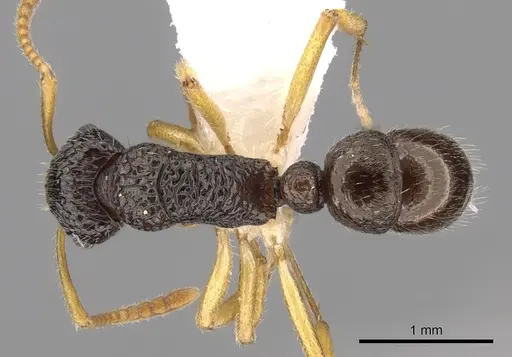
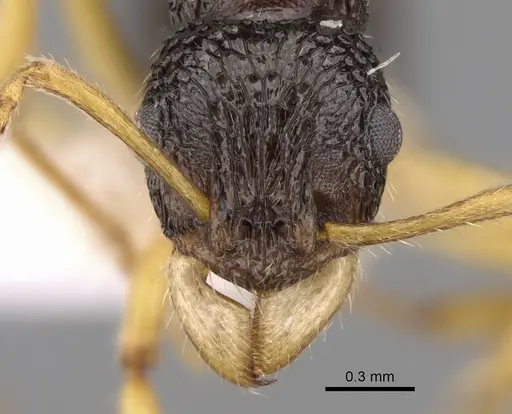
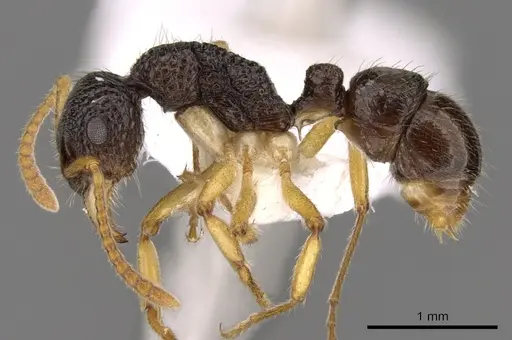
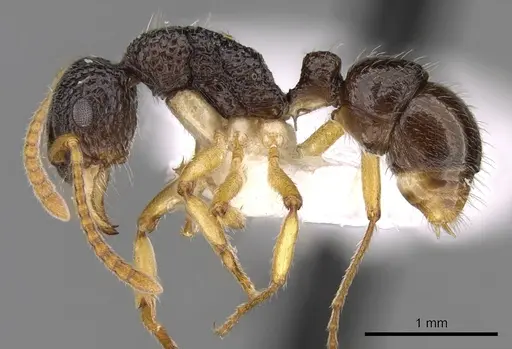
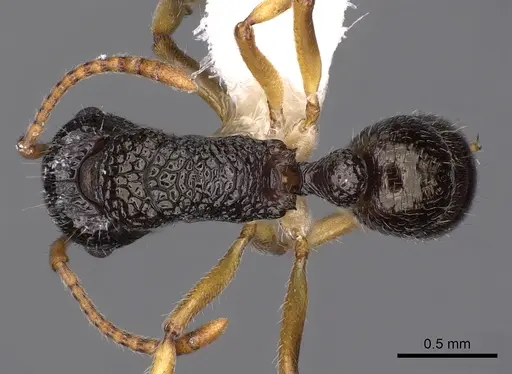
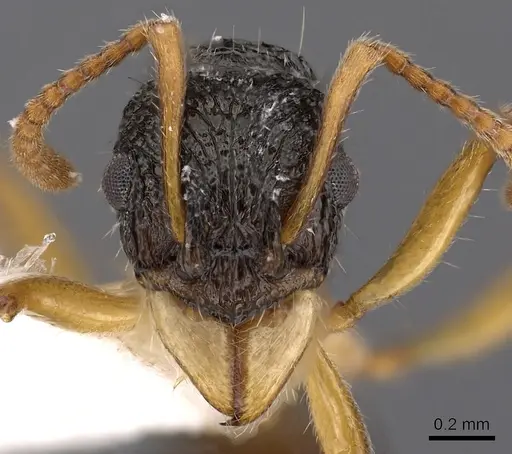
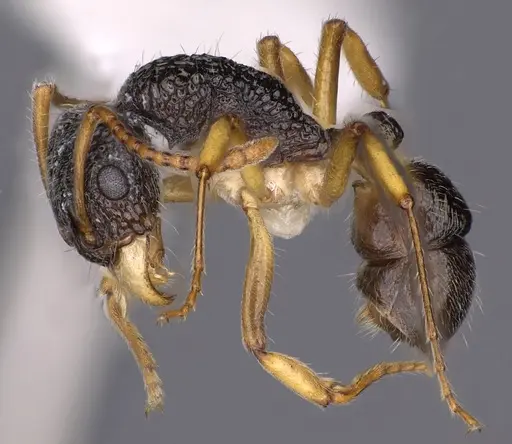
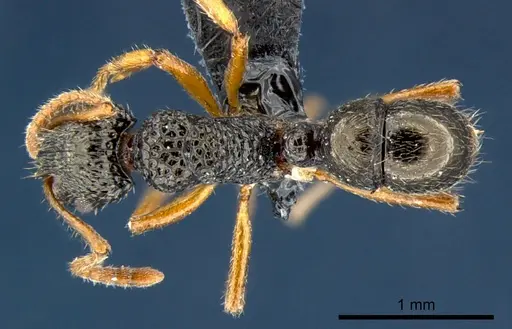
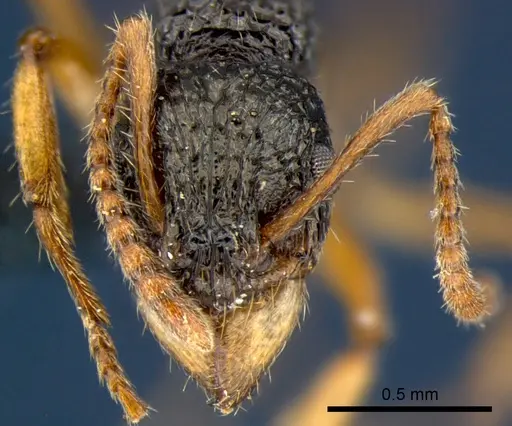
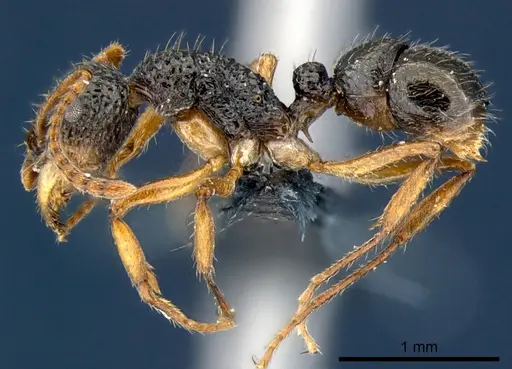
Rhytidoponera luteipes is a small ant species native to New Caledonia, an island in the South Pacific. Workers measure approximately 4-6mm and display the genus' characteristic metallic copper to bronze coloration, though this species is named for its yellowish legs (luteipes = 'yellow-footed'). The genus Rhytidoponera belongs to the subfamily Ectatomminae, which is known for having functional stingers, a key difference from many common ant genera kept in captivity. These ants were described by P.S. Ward in 1984 and are found only in the rainforests of New Caledonia, particularly in lowland and mid-elevation forest areas like the Col de Hô and Aoupinié Forest Reserve [1].
This species remains relatively obscure in the antkeeping hobby, as most Rhytidoponera species are not commonly traded. In their natural rainforest habitat, they likely nest in soil or rotting wood and are predatory on small invertebrates. The limited distribution and specific habitat requirements make them a challenging species for dedicated collectors, though they offer an interesting opportunity to keep a rarely-kept genus from a unique Pacific island ecosystem.
Quick Summary
- Difficulty: Hard
- Origin & Habitat: Endemic to New Caledonia, an island in the South Pacific. Found in rainforest habitats at low to mid elevations (40-440m), particularly in forest reserves like Col de Hô and Aoupinié [1].
- Colony Type: Colony structure is unconfirmed. Like most Ectatomminae, they likely have single-queen colonies, but this has not been directly studied.
- Size & Growth:
- Queen: Unconfirmed, likely 6-8mm based on genus patterns [2]
- Worker: Approximately 4-6mm [1]
- Colony: Unknown, likely moderate colonies of several hundred workers based on related species [2]
- Growth: Moderate, inferred from tropical Ectatomminae patterns [2]
- Development: Estimated 6-10 weeks at tropical temperatures (24-28°C) based on genus-level data for related Ectatomminae [2] (Development time is estimated, no specific studies exist for this species. Tropical species typically develop faster than temperate ones.)
- Antkeeping:
- Temperature: Keep at 24-28°C. Being from tropical New Caledonia, they need warm conditions year-round. A heating cable on one side of the nest can provide a gradient [2].
- Humidity: High humidity (70-85%) matching their rainforest origin. Keep the nest substrate consistently moist but not waterlogged. Mist occasionally and provide a water tube [2].
- Diapause: No, being a tropical species from a consistently warm climate, they do not require hibernation or winter rest [2].
- Nesting: In nature they likely nest in soil or rotting wood in humid rainforest settings. In captivity, a naturalistic setup with moist substrate (soil or plaster) works well. Y-tong nests are also suitable if humidity is maintained [2].
- Behavior: Rhytidoponera species are typically predatory or omnivorous, hunting small invertebrates. They are not aggressive toward humans but will sting if threatened, this is a defensive mechanism worth noting for keepers. Workers are active foragers, likely hunting during the day in their natural habitat. Their small size and active foraging style mean escape prevention is important, though they are not particularly strong climbers. They likely form moderate-sized colonies with distinct castes [2].
- Common Issues: tropical species requires year-round warmth, cold temperatures can slow or stop brood development, high humidity needs can lead to mold if ventilation is inadequate, escape prevention is important despite their small size, they can fit through small gaps, limited availability in the antkeeping hobby makes finding colonies difficult, predatory diet means they need regular live prey, not suitable for keepers who want easy feeding
Temperature and Care
As a tropical species from New Caledonia, Rhytidoponera luteipes requires consistently warm temperatures to thrive. Keep the nest area at 24-28°C year-round, this mimics their natural rainforest environment where temperatures remain stable. A heating cable placed on one side of the nest creates a gentle thermal gradient, allowing ants to regulate their temperature by moving between warmer and cooler areas. Avoid temperatures below 20°C, as prolonged cool conditions can slow brood development and weaken the colony. Unlike temperate species, they do not need a winter cooling period. Room temperature within this range is acceptable, but you may need supplemental heating in cooler climates [2].
Humidity and Water
These ants come from New Caledonia's rainforests, so they need high humidity, aim for 70-85% relative humidity in the nest area. Keep the substrate consistently moist but not waterlogged. The substrate should feel damp to the touch but not have standing water. A water tube (test tube with water and a cotton plug) provides drinking water and helps maintain humidity through evaporation. Mist the nest occasionally, especially if you notice condensation disappearing. Good ventilation is important to prevent mold, but avoid excessive airflow that dries the nest out too quickly. If mold appears, reduce misting frequency and improve ventilation [2].
Feeding and Diet
Rhytidoponera species are predatory by nature, hunting small invertebrates in their natural habitat. In captivity, their primary food should be small live prey such as fruit flies, pinhead crickets, small mealworms, and other appropriately-sized insects. Offer protein prey 2-3 times per week, adjusting based on colony size and consumption. They will likely accept some sugar sources like honey water or sugar water, especially as the colony grows, but protein should form the bulk of their diet. Remove uneaten prey after 24-48 hours to prevent mold and pest issues. A varied diet helps ensure proper nutrition for brood development [2].
Nesting Preferences
In the wild, Rhytidoponera luteipes nests in soil or rotting wood in humid rainforest environments. For captivity, a naturalistic setup with moist substrate (a mix of soil and sand or coco fiber) works well. You can also use a Y-tong (AAC) nest or plaster nest if you maintain proper humidity levels. The nest should have chambers scaled to the colony size, start with a small setup and expand as the colony grows. Provide a connection to an outworld where foragers can hunt and explore. Flat stones or pieces of bark in the outworld create natural foraging opportunities and help the ants feel secure [2].
Behavior and Temperament
This species is not aggressive toward humans but will use its stinger if threatened or handled roughly. The sting is not dangerous to healthy humans but can cause mild pain and irritation, comparable to a bee sting. Workers are active foragers, hunting individually rather than in groups. They are not strong climbers, so standard escape prevention measures (fluon on rim edges) are usually sufficient. Colony size is likely moderate, probably several hundred workers at maturity. The metallic copper coloration of workers makes them visually striking. They are primarily diurnal, matching their natural foraging patterns in the rainforest understory [2].
Colony Establishment
Since this species is rarely available in the antkeeping hobby, establishing a colony may require patience. If you obtain a founding queen, she should be placed in a test tube setup with a water reservoir. Like most Ectatoponera species, she likely seals herself in during claustral founding and relies on stored fat reserves until her first workers (nanitics) emerge. Do not disturb the queen during this period, checking too frequently can cause stress and abandonment. Once workers emerge, you can begin offering small prey items. The colony should be moved to a larger nest once the worker count reaches 20-30 individuals. Growth rate is moderate, expect several months before the first workers appear, then gradual expansion [2].
Frequently Asked Questions
How long does it take for Rhytidoponera luteipes to produce first workers?
The egg-to-worker timeline is estimated at 6-10 weeks at optimal tropical temperatures (24-28°C). This is based on genus-level data for related Ectatomminae species, as no specific studies exist for this species. The queen will remain sealed in her founding chamber for several weeks until the first nanitic workers emerge [2].
Do Rhytidoponera luteipes ants sting?
Yes. Rhytidoponera belongs to the subfamily Ectatomminae, which has functional stingers. They will sting if threatened or handled roughly. The sting causes mild pain and irritation similar to a bee sting for most people, but is not dangerous to healthy humans. They are not aggressive and will typically flee rather than attack [2].
What do Rhytidoponera luteipes eat?
They are predatory ants that hunt small invertebrates. In captivity, feed them small live prey such as fruit flies, pinhead crickets, small mealworms, and other appropriately-sized insects. They will likely accept some sugar sources like honey water, but protein should form the bulk of their diet. Offer prey 2-3 times per week [2].
Can I keep Rhytidoponera luteipes in a test tube?
Yes, a test tube setup works well for founding colonies. Use a test tube with a water reservoir and cotton plug, keeping it horizontal so the queen can move between the wet and dry areas. Once the colony reaches 20-30 workers, transfer them to a larger naturalistic nest or Y-tong setup with proper humidity control [2].
Do Rhytidoponera luteipes need hibernation?
No. Being a tropical species from New Caledonia, they do not require hibernation or winter rest. Keep them at warm temperatures (24-28°C) year-round. Unlike temperate species, they do not benefit from a cooling period and may suffer if temperatures drop significantly [2].
Are Rhytidoponera luteipes good for beginners?
No. This species is rated as difficult and is not recommended for beginners. They have specific humidity and temperature requirements, need a predatory diet with live prey, and are rarely available in the antkeeping hobby. Additionally, they can sting, which may not be ideal for new keepers. Consider starting with easier species like Lasius niger or Camponotus species before attempting Rhytidoponera [2].
How big do Rhytidoponera luteipes colonies get?
Colony size is not well documented for this specific species, but based on related Rhytidoponera species, colonies likely reach several hundred workers at maturity. Growth rate is moderate, expect gradual expansion over 1-2 years to reach significant numbers. They are not among the largest or fastest-growing ant species [2].
Why are my Rhytidoponera luteipes dying?
Common causes include: temperatures below 20°C (they need warmth), low humidity causing desiccation, mold from over-misting, lack of adequate protein prey, or stress from excessive disturbance. Check that your setup maintains 24-28°C and 70-85% humidity. Ensure you are providing appropriate live prey regularly. Avoid handling the colony unnecessarily, especially during the founding phase [2].
When should I move Rhytidoponera luteipes to a formicarium?
Move them from the founding test tube to a larger nest once the colony reaches 20-30 workers. This is typically after several months to a year, depending on temperature and feeding. A naturalistic setup with moist substrate or a Y-tong nest works well for this species. Ensure the new nest maintains the humidity levels they need [2].
Can I keep multiple queens of Rhytidoponera luteipes together?
This is not recommended and has not been documented. Like most Ectatomminae, they likely form single-queen colonies. Combining unrelated queens of this species has not been studied and could result in aggression. If you obtain multiple foundresses, house them separately to ensure colony success [2].
References

This caresheet is licensed under CC BY-SA 4.0 .
Literature
Loading...Loading products...