

Rhopalothrix triumphalis
- Scientific Name
- Rhopalothrix triumphalis
- Tribe
- Attini
- Subfamily
- Myrmicinae
- Author
- Longino & Boudinot, 2013
- Distribution
- Found in 2 countries
Rhopalothrix triumphalis Overview
Rhopalothrix triumphalis is an ant species of the genus Rhopalothrix. It is primarily documented in 2 countries , including Guatemala, Mexico. Detailed taxonomic data and occurrence records can be further explored via authoritative databases such as AntWeb or the Global Biodiversity Information Facility (GBIF).
Rhopalothrix triumphalis
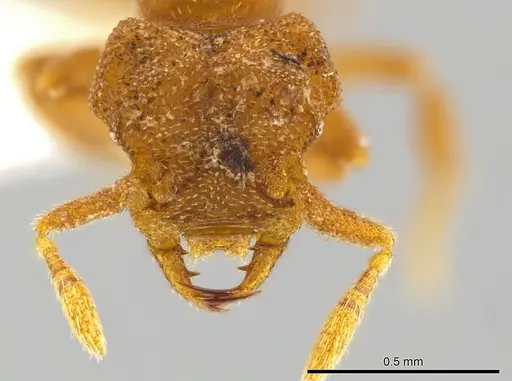
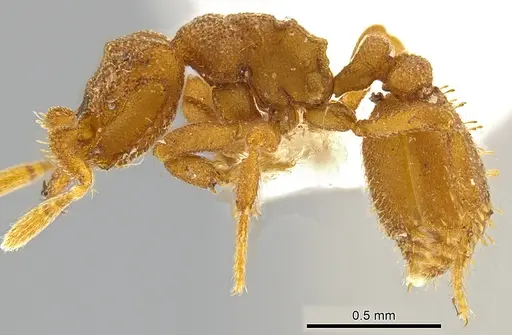
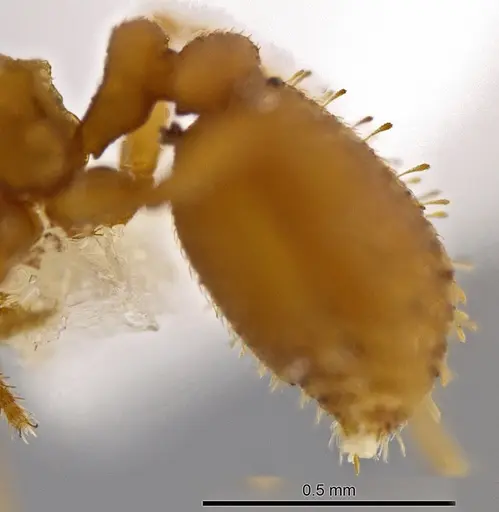
Rhopalothrix triumphalis is a tiny ant species from the cloud forests of Chiapas, Mexico. Workers measure just 0.57-0.65mm, making them among the smallest ants you might encounter [1]. They belong to the tribe Attini (fungus-growing ants), though their specific fungal cultivation habits remain unstudied [2]. The species was described in 2013 and named after the El Triunfo Biosphere Reserve where they were first discovered [1]. These ants have distinctive features including a bilobed labrum and abundant elongated setae covering their gaster. They live in sifted leaf litter at high elevations (1360-2140m) and are considered rare, though they were moderately abundant at their type locality [1].
Quick Summary
- Difficulty: Expert
- Origin & Habitat: Cloud forests of Chiapas, Mexico, at 1360-2140m elevation. Found in mixed hardwood, liquidambar, and oak forests [1].
- Colony Type: Colony structure is unconfirmed. Males were only discovered in 2022,indicating this species remains poorly studied [3][1].
- Size & Growth:
- Queen: 0.69mm [1]
- Worker: 0.57-0.65mm [1]
- Colony: Unknown, no colony size data available
- Growth: Unknown, no development data available
- Development: Unknown, no direct observations of development. Based on related Attini and their tiny size, expect development to take several months [2]. (This species has never been kept in captivity. All information comes from museum specimens collected in the wild.)
- Antkeeping:
- Temperature: Cool mountain conditions. Keep around 18-22°C, mimicking their cloud forest habitat at 1500-1800m elevation [1].
- Humidity: High humidity required, think damp forest floor. These ants live in leaf litter that stays consistently moist [1].
- Diapause: Unknown, cloud forests at high elevation experience cool temperatures year-round but may have seasonal rainfall patterns. Proceed with caution.
- Nesting: Leaf litter specialists. In captivity, provide a naturalistic setup with moist substrate and plenty of hiding spaces. Test tubes may work if humidity is carefully maintained.
- Behavior: Behavior is unstudied in captivity. In the wild, they are collected from sifted leaf litter samples, suggesting they forage within the forest floor layer [1]. Their tiny size means excellent escape prevention is essential, they can squeeze through remarkably small gaps. As Attini, they likely have a mutualistic relationship with fungus, though this is unconfirmed for this species [2].
- Common Issues: escape prevention is critical due to their extremely small size, no captive husbandry information exists, this is essentially an unkept species, high humidity requirements make mold a constant risk, slow growth and long development expected, wild-caught colonies may not establish in captivity
Why This Species Is Challenging
Rhopalothrix triumphalis is not a species for beginners. In fact, no one has successfully kept this species in captivity, ever. All knowledge comes from fewer than 20 museum specimens collected from leaf litter in Mexican cloud forests [1]. These ants are among the smallest in the Myrmicinae, measuring just 0.57-0.65mm for workers. Their tiny size creates enormous practical challenges: they can escape through gaps invisible to the human eye, they require microscopic prey, and their colonies are likely very small even at maturity. Unless you have experience with other rare leaf litter ants and access to microprey like springtails, this species will likely fail to establish. The complete lack of captive husbandry data means you're essentially pioneering husbandry from scratch [1][2].
Natural History
Rhopalothrix triumphalis lives in cloud forests at remarkable elevations, 1360 to 2140 meters above sea level [1]. This is cool, misty forest environment quite different from typical tropical ant habitats. The species was discovered relatively recently (2013) and remains one of the rarest ants in the hobby. They are part of the R. isthmica clade, a group of wet forest leaf litter specialists centered in Central America [2]. At the type locality near Custepec, researchers found them in 17 out of 100 miniWinkler samples, moderately abundant for a leaf litter ant, but still quite rare overall [1]. They share their range with Rhopalothrix megisthmica on the slopes of Volcán Tacaná, and form a geographic replacement series with two other similar species (R. atitlanica and R. andersoni) that occupy different regions without overlapping [1].
Housing and Setup
If you attempt this species, a naturalistic setup is essential. These ants live in leaf litter and soil, not in closed nests. Use a shallow container with several centimeters of moist, sifted leaf litter or soil mixture. The substrate should stay damp but never waterlogged, think the moisture level of a forest floor after rain. Provide plenty of hiding structures like small pieces of bark, stones, or artificial tunnels. Test tubes can work if you maintain high ambient humidity, but the ants will likely remain in the substrate rather than moving into the tube. Because of their minute size, all enclosures must have exceptional escape prevention, even standard ant keeping barriers may be insufficient [1].
Feeding and Diet
As members of the tribe Attini, these ants almost certainly cultivate fungus for food, similar to leafcutter ants and other fungus-growers [2]. However, the specific fungal species they grow is unknown, and replicating their fungal symbiont in captivity would be extraordinarily difficult. Without the fungus, the colony cannot survive long-term. This is perhaps the greatest challenge to keeping this species, even if you obtain a colony, they likely cannot survive without their specific fungal partner. If attempting husbandry, you would need to provide small amounts of organic material (leaf fragments, dead insects) hoping the right fungus might establish, but success is extremely unlikely. This species should be considered essentially unkeepable in captivity until fungal cultivation is better understood.
Temperature and Environment
Keep these ants cool, they come from cloud forests at 1500-1800m elevation where temperatures are much lower than typical tropical conditions [1]. Aim for 18-22°C, which is significantly cooler than most ant species require. This temperature range mimics the stable, cool conditions of their mountain forest habitat. High humidity is non-negotiable. Cloud forests are constantly moist, and these ants have never been found in dry environments. Maintain substrate moisture consistently without flooding, and consider enclosing the setup to retain humidity. Room temperature in most homes may actually be too warm, you may need to keep them in a cool room or use careful temperature control [1].
Frequently Asked Questions
Can I keep Rhopalothrix triumphalis in a test tube?
Possibly, but test tubes are not ideal. These ants live in leaf litter and prefer to remain in substrate. If using a test tube, you must maintain very high ambient humidity and provide a moisture reservoir. However, given their unknown colony structure and extreme rarity, test tube colonies have never been attempted successfully. A naturalistic setup with moist substrate is more appropriate [1].
How long does it take for Rhopalothrix triumphalis to develop from egg to worker?
Unknown, this has never been studied. Based on their tiny size and membership in Attini, development is likely slow, possibly taking several months. Related fungus-growing ants often have extended development times. Without any captive data, no reliable estimate is possible [2].
Are Rhopalothrix triumphalis good for beginners?
No. This species is absolutely not suitable for beginners, in fact, no one has kept this species in captivity successfully. They are among the rarest ants in the hobby with zero established husbandry protocols. Their tiny size, unknown colony structure, likely fungal dependency, and specific environmental needs make them expert-only at best. Consider starting with more established species like Lasius niger or Camponotus floridanus.
What do Rhopalothrix triumphalis eat?
Unknown in captivity, but almost certainly fungus. As Attini (fungus-growing ants), they cultivate fungal gardens for food, similar to leafcutter ants [2]. The specific fungus they grow is unknown, and replicating this symbiosis in captivity would be extraordinarily difficult. This is the primary reason this species cannot currently be kept long-term. Do not attempt to keep this species unless you have the resources to experiment with fungal cultivation.
How big do Rhopalothrix triumphalis colonies get?
Unknown, colony size has never been documented. Given their rarity in samples (only 17 out of 100 Winkler samples at the type locality) and tiny worker size, colonies are likely small, possibly under 100 workers [1]. Related leaf litter ants typically maintain small colonies. Without any wild colony data, maximum size cannot be estimated.
Can I keep multiple Rhopalothrix triumphalis queens together?
Unknown, colony structure has never been studied. The genus Rhopalothrix is poorly understood, and no one has documented whether they are single-queen (monogyne) or multi-queen (polygyne). Combining unrelated queens is not recommended given the complete lack of data on their social structure [1].
Do Rhopalothrix triumphalis need hibernation?
Unknown, overwintering behavior has never been documented. They come from cloud forests at high elevation where temperatures are cool year-round but rarely freezing. The safest approach is to maintain cool stable temperatures (18-22°C) year-round rather than attempting hibernation. Do not hibernate this species until more is known about their seasonal requirements [1].
Why are my Rhopalothrix triumphalis dying?
Without established husbandry, any colony failure is expected. This species has never been successfully kept in captivity. Possible causes include: wrong temperature (too warm), wrong humidity (too dry), inability to establish fungal symbiosis, inability to find appropriate microprey, escape, or stress from collection. If you obtain this species, expect significant challenges and document your attempts carefully for the antkeeping community.
Where can I get Rhopalothrix triumphalis?
This species is essentially unavailable in the antkeeping hobby. It is known only from a handful of specimens collected in remote Mexican cloud forests. No colonies exist in captivity. The only way to obtain specimens would be field collection in Chiapas, Mexico, which requires permits and expertise in leaf litter sampling. This species should be considered a scientific curiosity rather than a keepable species for the foreseeable future [1].
References

This caresheet is licensed under CC BY-SA 4.0 .
CASENT0601887
View on AntWeb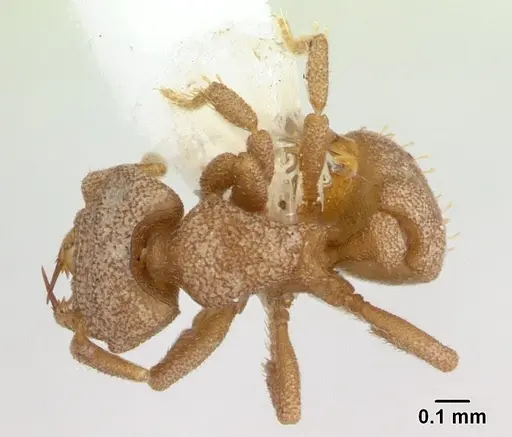
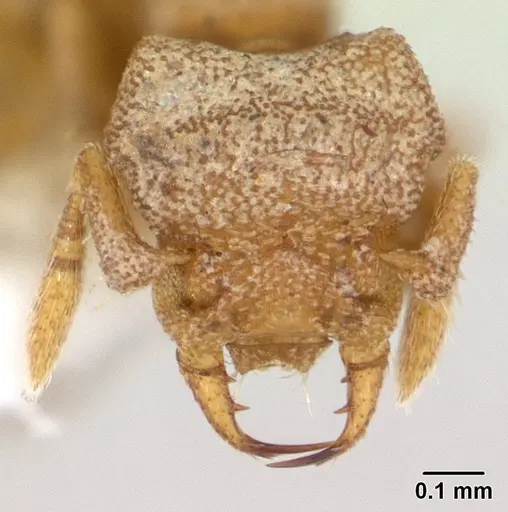
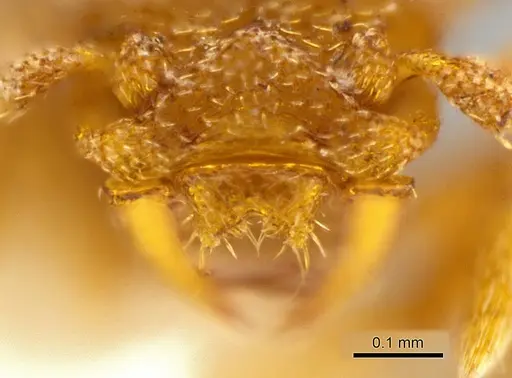
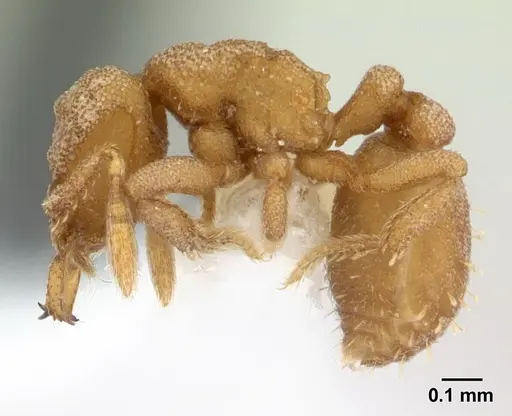
CASENT0602067
View on AntWeb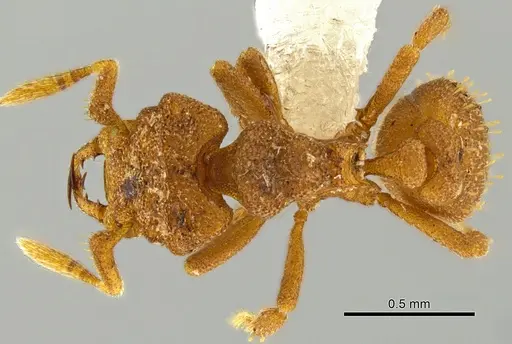
Literature
Loading...Loading products...