

Rasopone titanis
- Scientific Name
- Rasopone titanis
- Tribe
- Ponerini
- Subfamily
- Ponerinae
- Author
- Longino & Branstetter, 2020
- Distribution
- Found in 1 countries
Rasopone titanis Overview
Rasopone titanis is an ant species of the genus Rasopone. It is primarily documented in 1 countries , including Mexico. Detailed taxonomic data and occurrence records can be further explored via authoritative databases such as AntWeb or the Global Biodiversity Information Facility (GBIF).
Rasopone titanis
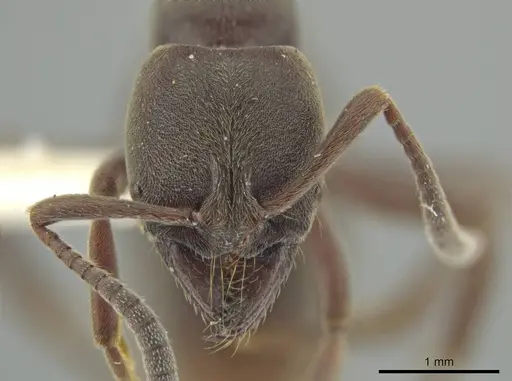
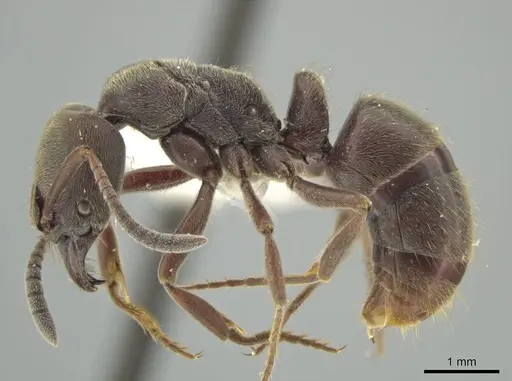
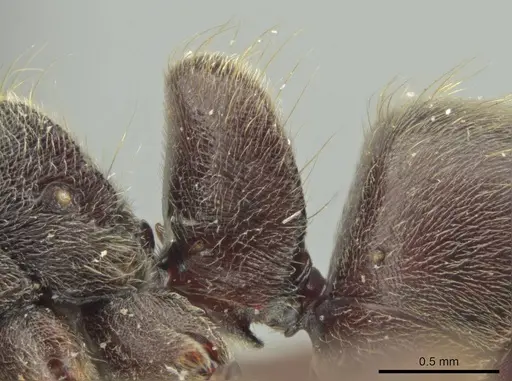
Rasopone titanis is one of the largest species in the Neotropical ant genus Rasopone, with workers measuring approximately 1.67mm in head width and 1.80mm in head length [1]. This species was only recently described in 2020 and is known exclusively from a single collection in Chiapas, Mexico, near Ocosingo [1]. The workers have smooth mandibles, a sinuous anterior clypeal margin, and a distinctive tapering petiolar node that differentiates them from the similar R. rupinicola [1]. As a Ponerine ant, this species possesses a functional stinger and is likely predatory in nature, though detailed behavioral observations are currently unavailable due to the species' extreme rarity in scientific collections [1].
Quick Summary
- Difficulty: Unknown
- Origin & Habitat: Known only from a single locality in Chiapas, Mexico, near Ocosingo. The type specimens were collected from sifted leaf litter around a waterfall, suggesting they inhabit humid, shaded forest floor environments in the Neotropics [1].
- Colony Type: Unconfirmed. This species is known from only four workers collected in 1969,and no queen or colony structure has ever been documented [1].
- Size & Growth:
- Queen: Unknown, no queen has been described [1]
- Worker: Workers are large for the genus: HW 1.67mm, HL 1.80mm, SL 1.45mm [1]
- Colony: Unknown, only four workers have ever been collected [1]
- Growth: Unknown
- Development: Unknown, no developmental data exists for this species (No brood development studies have been conducted on Rasopone titanis)
- Antkeeping:
- Temperature: Likely 22-28°C based on Neotropical Ponerine patterns. Start in the mid-20s and observe colony activity for guidance.
- Humidity: High humidity required, type locality was near a waterfall in humid forest. Keep nest substrate consistently moist but not waterlogged.
- Diapause: Unknown, no seasonal data exists. As a Neotropical species, they may not require true hibernation but may reduce activity during cooler periods.
- Nesting: No specific nesting data exists. Based on collection from leaf litter, they likely prefer humid, naturalistic setups with moist substrate. A Y-tong or plaster nest with good moisture retention would be appropriate.
- Behavior: Undocumented in captivity. As a Ponerine ant, they likely exhibit typical predator behavior, hunting small invertebrates. Their large size suggests they may tackle larger prey than many small Ponerines. Exercise caution when handling due to their functional stinger. Escape prevention should be practiced as with any ant species.
- Common Issues: no captive husbandry records exist, this is an extremely rare species with no established care protocols, only known from a single collection in 1969, biological and ecological data is essentially nonexistent, wild-caught colonies may be nearly impossible to obtain due to limited range and collection history, temperature and humidity requirements are inferred rather than confirmed, growth rate and development timeline are completely unknown
Species Discovery and Rarity
Rasopone titanis represents one of the most recently described ant species in the Neotropics, formally named in 2020 through phylogenetic analysis by Longino and Branstetter [1]. The species is known from only four worker specimens collected in 1969 from a single locality near Ocosingo in Chiapas, Mexico, making it one of the rarest and least-studied ants in the region [1]. This extreme rarity presents both a scientific mystery and a challenge for antkeepers: we simply do not know why this species has never been collected again despite over 50 years of intensive ant research in the region. It may be genuinely uncommon in the wild, restricted to very specific microhabitats, or perhaps even locally extinct in its known range. For antkeepers, this rarity means that established husbandry protocols do not exist, and any colony obtained would likely represent one of the first ever maintained in captivity.
Identification and Morphology
This species is distinguished from its congeners, particularly Rasopone rupinicola, by its more robust mesosoma and more tapering petiolar node [1]. Workers measure approximately 1.67mm in head width (HW),1.80mm in head length (HL), and 1.45mm in scape length (SL), making it one of the largest species within the genus Rasopone [1]. The mandibles are smooth (lacking the striations seen in some related species), and the anterior clypeal margin is characteristically sinuous (wavy) [1]. The side of the head lacks erect setae, which helps differentiate it from other Rasopone species [1]. These morphological features suggest a relatively specialized predator, though without observation of live specimens, this remains speculative.
Natural History and Habitat
The type locality near Ocosingo, Chiapas, is a region of tropical humid forest in southern Mexico. The specimens were collected from sifted leaf litter in an area surrounding a waterfall, indicating this species prefers very humid, shaded microhabitats similar to many other Ponerine ants [1]. The collection method (leaf litter sifting) suggests they are ground-dwelling and likely forage in the forest floor layer. No additional ecological data exists, we do not know their diet, colony size in the wild, queen behavior, nuptial flight timing, or any other aspects of their natural history. This represents a significant gap in our knowledge that can only be filled through dedicated field research or the fortunate discovery of a living colony.
Care Recommendations
Since no captive husbandry records exist for this species, care recommendations must be inferred from related Ponerine ants and the limited habitat data available. Based on the collection near a waterfall in humid forest, these ants almost certainly require high humidity, think damp forest floor conditions rather than dry environments. Temperature should likely be in the low-to-mid 20s Celsius (22-26°C), consistent with Neotropical Ponerine preferences. As a likely predatory species, their diet would probably consist of small live invertebrates such as fruit flies, pinhead crickets, or similar-sized prey. The functional stinger possessed by all Ponerine ants means keepers should exercise caution during handling. For housing, a naturalistic setup with moist substrate or a Y-tong/plaster nest that retains humidity would be most appropriate. However, these recommendations are speculative, any successful keeper would be contributing genuinely new scientific knowledge. [1]
Research Significance
Rasopone titanis represents a significant knowledge gap in ant biology. The species was described through modern phylogenomic methods, yet its basic natural history remains completely undocumented [1]. This is unusual in the 21st century for a described species, most newly named ants at least have some ecological notes attached to their type specimens. The lack of information about this species presents both a challenge and an opportunity for antkeepers. If a colony were to be discovered and maintained, it would provide invaluable data about Rasopone biology that has eluded researchers for over half a century. For scientific contributors and citizen scientists alike, this species represents a blank slate where captive observations could genuinely expand human knowledge of ant biology.
Frequently Asked Questions
How do I care for Rasopone titanis ants?
No established care protocols exist for this species, it is known from only four workers collected in 1969 and has never been maintained in captivity. Based on related Ponerine ants and their collection near a waterfall in humid Mexican forest, they likely need high humidity (damp substrate), warm temperatures (22-26°C), and a diet of small live prey. Any successful husbandry would be pioneering work.
Where does Rasopone titanis live?
This species is known from a single locality near Ocosingo in Chiapas, Mexico. The type specimens were collected from leaf litter near a waterfall, indicating humid forest floor habitat. It has never been collected again since 1969 despite extensive research in the region.
How big do Rasopone titanis workers get?
Workers are among the largest in the genus, measuring approximately 1.67mm in head width and 1.80mm in head length. This makes them substantial for a Ponerine ant.
Can I keep Rasopone titanis in a test tube?
A test tube setup could work initially for a small colony, but based on their likely humidity requirements (collected near a waterfall), a setup that retains moisture better, such as a plaster nest or naturalistic terrarium, would likely be more appropriate. However, no species-specific housing data exists.
What do Rasopone titanis eat?
Their exact diet is unconfirmed, but as Ponerine ants, they are almost certainly predatory. Related species in the genus Rasopone hunt small invertebrates. In captivity, they would likely accept small live prey such as fruit flies, pinhead crickets, or similar-sized arthropods.
How fast do Rasopone titanis colonies grow?
Unknown, no developmental data exists for this species. Growth rate has never been studied or observed in captivity.
How many queens does Rasopone titanis have?
Unknown, no queen has ever been described or collected for this species. The colony structure (single-queen vs multi-queen) remains completely undocumented.
Are Rasopone titanis good for beginners?
This species is not recommended for beginners. It is extremely rare, has no established care protocols, and all aspects of its biology remain undocumented. Keeping this species would be experimental research, not standard antkeeping.
Do Rasopone titanis need hibernation?
Unknown, no seasonal data exists for this species. As a Neotropical species from southern Mexico, they likely experience warm year-round conditions and may not require true hibernation, though they may reduce activity during cooler periods.
Why is Rasopone titanis so rarely collected?
We don't know. Despite being described in 2020,the species was actually collected in 1969 and has never been found again. It may be genuinely rare, restricted to very specific microhabitats, or potentially threatened or extinct in its known range. This is one of the many mysteries surrounding this species.
Is Rasopone titanis aggressive?
Ponerine ants are generally more defensive and possess functional stingers, so they may exhibit aggressive behavior when threatened. However, no behavioral observations exist specifically for this species, this is an inference from related species rather than documented behavior.
References

This caresheet is licensed under CC BY-SA 4.0 .
MCZ-ENT00716640
View on AntWeb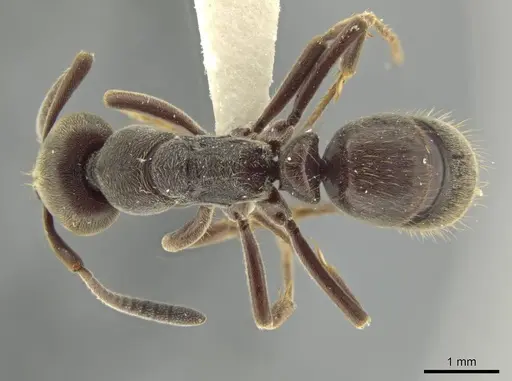
Literature
Loading...Loading products...